Understanding Storage Guidelines
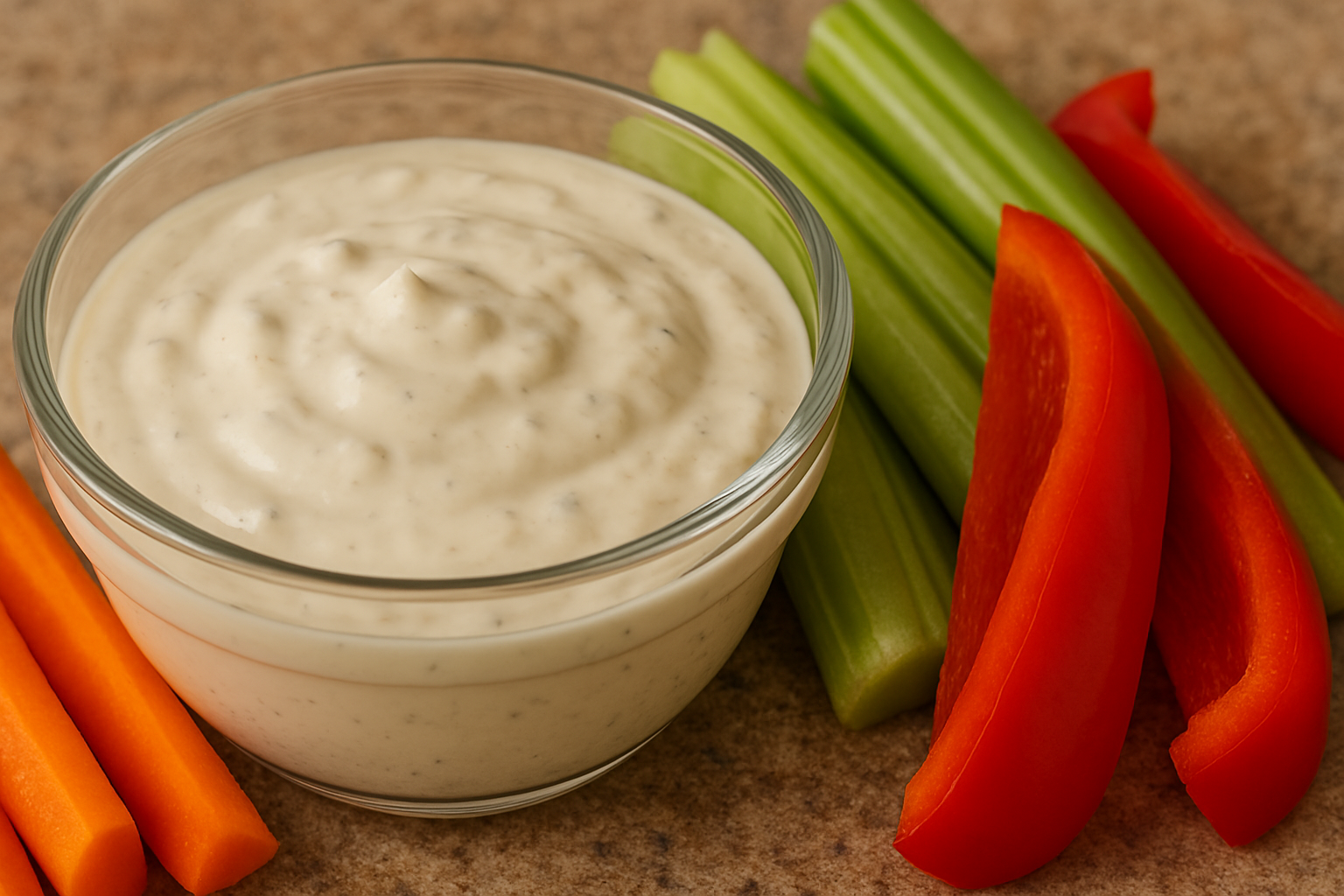
Proper storage of blue cheese dressing is crucial for maintaining its quality and safety. This section will guide you through the importance of proper storage and the factors that affect the shelf life of blue cheese dressing.
Importance of Proper Storage
Proper storage of blue cheese dressing helps to preserve its taste, texture, and nutritional value. Incorrect storage can lead to spoilage, making the dressing unsafe to consume. Ensuring that the dressing is stored correctly can also help you maximize its shelf life, reducing waste and saving money.
When storing blue cheese dressing, it's essential to keep it in an airtight container to prevent exposure to air and bacteria. Always refrigerate the dressing immediately after opening to slow down the growth of harmful microorganisms. For more insights on food storage, you might want to read our article on how long does food last in the fridge during a power outage?.
Factors Affecting Shelf Life
Several factors can influence how long blue cheese dressing lasts in the refrigerator. Understanding these factors can help you store the dressing more effectively and ensure safe consumption.
- Temperature: Keeping the refrigerator at a consistent temperature of 40°F (4°C) or below is crucial for preserving the dressing. Fluctuating temperatures can accelerate spoilage.
- Container: Using an airtight container minimizes exposure to air and bacteria, extending the dressing's shelf life.
- Ingredients: The type of ingredients used in the dressing can also affect its longevity. Homemade dressings with fresh ingredients may spoil faster than store-bought versions with preservatives.
- Handling: Proper handling is essential. Always use clean utensils to scoop out the dressing to avoid introducing contaminants.
Here is a table summarizing the factors affecting the shelf life of blue cheese dressing:
| Factor | Impact on Shelf Life |
|---|---|
| Temperature | Consistent 40°F (4°C) or below |
| Container | Airtight container |
| Ingredients | Homemade Vs. store-bought |
| Handling | Clean utensils |
By paying attention to these factors, you can ensure that your blue cheese dressing remains fresh and safe to eat. For more tips on food storage, check out our article on how long does an open jar of salsa last in the refrigerator?.
Understanding the importance of proper storage and the factors affecting shelf life will help you keep your blue cheese dressing fresh for longer. Explore our related articles for more information on food storage and safety.
Blue Cheese Dressing Shelf Life
When storing blue cheese dressing in the refrigerator, understanding its shelf life and recognizing signs of spoilage are key to ensuring safe consumption.
Refrigerated Shelf Life
Blue cheese dressing, when stored properly in the refrigerator, typically lasts for a specified duration depending on whether it is store-bought or homemade. Below is a table summarizing the general refrigerated shelf life:
| Type of Blue Cheese Dressing | Refrigerated Shelf Life |
|---|---|
| Store-Bought, Unopened | Up to expiration date |
| Store-Bought, Opened | 1 to 2 months |
| Homemade | 5 to 7 days |
It's important to always check the expiration date on store-bought dressings and note the opening date to track how long it has been in the refrigerator. For homemade dressings, consume within a week to ensure freshness.
Signs of Spoilage
Identifying signs of spoilage is crucial to avoid consuming spoiled blue cheese dressing. Here are some common indicators that your dressing may have gone bad:
- Unpleasant Odor: A sour or rancid smell.
- Mold Growth: Visible mold on the surface.
- Texture Changes: Lumpy or separated texture.
- Color Changes: Discoloration or darkening.
If you notice any of these signs, it's best to discard the dressing to avoid potential foodborne illness. For more food safety tips, refer to our article on how long does store bought chicken broth last in the fridge?.
Properly storing your blue cheese dressing and regularly checking for spoilage can help ensure you enjoy it at its best quality. For more information on extending the shelf life of various foods, check out our article on how long does buttercream frosting last in the refrigerator?.
Extending Shelf Life
For those who enjoy blue cheese dressing, knowing how to extend its shelf life is essential. Proper storage techniques and freezing can help you make the most of your dressing.
Proper Storage Tips
Storing your blue cheese dressing correctly can significantly extend its freshness and flavor. Here are some key tips to keep in mind:
- Refrigerate Immediately: After opening, place the blue cheese dressing in the refrigerator as soon as possible. The cold temperature slows down bacterial growth.
- Use Airtight Containers: Store the dressing in a tightly sealed container. This prevents air from getting in, which can cause spoilage.
- Keep it Consistent: Avoid frequent temperature changes. Place the dressing in the middle or back of the fridge, where the temperature is more stable.
- Monitor the Date: Always keep track of the expiration date and make a note of when you opened the bottle.
Freezing Blue Cheese Dressing
Freezing blue cheese dressing is another effective way to extend its shelf life. While freezing can alter the texture slightly, it remains a good option for long-term storage. Here’s how to do it:
- Portion Control: Divide the dressing into smaller portions. This makes it easier to thaw only what you need.
- Use Freezer-Safe Containers: Store the portions in airtight, freezer-safe containers or heavy-duty freezer bags. Label each container with the date.
- Freeze Quickly: Place the containers in the freezer immediately to preserve freshness.
| Storage Method | Estimated Shelf Life |
|---|---|
| Refrigerated | 1 - 2 months |
| Frozen | Up to 6 months |
When you’re ready to use the frozen dressing, thaw it in the refrigerator overnight. Stir well to restore its consistency. If you notice any separation or changes in texture, give it a good mix before serving.
For more tips on food storage and safety, check out our related articles: how long does buttercream frosting last in the refrigerator?, how long does an open jar of salsa last in the refrigerator?, and how long does heavy whipping cream last in the refrigerator?.
Safe Consumption Practices
When to Discard
Knowing when to discard blue cheese dressing is essential to ensure you do not consume spoiled or unsafe food. Blue cheese dressing typically lasts about 1 to 2 months in the refrigerator once opened. However, several signs indicate that it is time to discard the dressing:
- Off Smell: If the dressing emits a sour, rancid, or otherwise unpleasant odor, it is no longer safe to eat.
- Mold Growth: Any visible mold on the dressing or around the bottle cap is a clear sign of spoilage.
- Color Change: If the dressing changes color or develops a yellowish or brownish hue, it should be discarded.
- Texture Changes: If the dressing becomes excessively watery or chunky, it is a sign that it has gone bad.
Food Safety Tips
To maximize the shelf life of blue cheese dressing and ensure it remains safe to consume, follow these food safety tips:
- Refrigeration: Always keep blue cheese dressing refrigerated at all times. Store it at a temperature of 40°F (4°C) or below to prevent bacterial growth.
- Proper Storage: Store the dressing in its original container with the lid tightly sealed. This helps prevent contamination and exposure to air, which can speed up spoilage.
- Avoid Cross-Contamination: Use clean utensils when scooping out the dressing. Avoid dipping food directly into the bottle, as this can introduce bacteria.
- Check Expiry Dates: Pay attention to the expiration date on the bottle. Even if the dressing appears fine, consuming it past this date can be risky.
- Use a Clean Spoon: Always use a clean spoon or utensil when serving the dressing to avoid introducing bacteria from other foods.
Here is a table summarizing the signs of spoilage and storage tips:
| Indicator | Sign of Spoilage | Storage Tip |
|---|---|---|
| Smell | Sour or rancid odor | Keep the lid tightly sealed |
| Mold | Visible mold growth | Store at 40°F (4°C) or below |
| Color | Yellowish or brownish hue | Use clean utensils |
| Texture | Watery or chunky | Avoid cross-contamination |
For more information on how long various foods last in the refrigerator, check out our articles on how long does a block of parmesan cheese last in the fridge?, how long does an open jar of salsa last in the refrigerator?, and how long does buttercream frosting last in the refrigerator?.
Frequently Asked Questions
Can you eat expired blue cheese dressing?
Consuming expired blue cheese dressing is generally not recommended. The "best by" or "use by" dates on the packaging indicate the period during which the product is expected to retain its best quality. Beyond this date, the dressing may lose flavor and texture, and there's an increased risk of spoilage. For more detailed guidelines on food expiration, see our article on how long does bread last in the fridge past expiration date?.
How to tell if blue cheese dressing is bad?
Identifying spoiled blue cheese dressing can prevent foodborne illness. Signs of spoilage include:
- Off Smell: A sour or rancid odor is a clear indication.
- Appearance: Mold growth or discoloration, such as yellow or brown tints.
- Texture: Separation or a chunky consistency.
| Indicator | Spoilage Sign |
|---|---|
| Smell | Sour or rancid |
| Appearance | Mold, discoloration |
| Texture | Separation, chunkiness |
For more on detecting spoilage in various foods, check our article on how to tell if tomato sauce is bad?.
Can blue cheese dressing make you sick?
Yes, consuming spoiled blue cheese dressing can lead to foodborne illnesses. Symptoms may include nausea, vomiting, stomach cramps, and diarrhea. Always ensure the dressing is stored properly and check for signs of spoilage before consuming. For more food safety tips, read our article on food safety tips.
For more information on related topics, you may also want to explore:
- how long does an open jar of salsa last in the refrigerator?
- how long does homemade pumpkin pie last in the refrigerator?
- how long does heavy whipping cream last in the refrigerator?
Get Your Upgrade or New Addition at Fridge.com
Whether you're searching for your perfect fridge, freezer, wine fridge, beer fridge, ice maker, or kegerator, we have what you need.
Shop the world's best brands at Fridge.com.
We also have tons of awesome articles about kitchen stuff and home news. Enhance your home, garage, backyard, patio, and office with the coolest essentials. With every necessary type of residential refrigerator or freezer in our collection, we've got you covered.
Elevate your game and shop now at Fridge.com!