Understanding BBQ Storage
Importance of Proper Food Storage
Knowing how to store your barbecue can make a significant difference in retaining its quality and safety. Proper food storage helps to prevent foodborne illnesses caused by bacteria that can flourish when food is not refrigerated correctly. It also preserves the flavor, texture, and nutritional value of your BBQ, ensuring that your efforts at the grill are well rewarded when it comes time to savor the leftovers.
Factors Influencing BBQ Shelf Life
Several factors can impact how long your BBQ remains fresh and safe to eat while stored in the fridge:
- Temperature: Your refrigerator should be at or below 40°F (4°C) to slow bacterial growth.
- Freshness: The starting quality of your meat; fresher meat lasts longer.
- Preparation: How the BBQ is cooked; well-done meats may last slightly longer.
- Packaging: Properly sealed and wrapped food will retain its quality better.
- Exposure: The less exposure to air and other contaminants, the longer the BBQ will last.
- Humidity: Excess moisture can promote bacterial growth; the fridge should have a moderate humidity level.
When considering the question, "how long does bbq last in the fridge?" you must account for these variables. For specific guidelines on refrigeration and other food items, explore our articles on how long different foods last, like how long does coleslaw last in the fridge? or how long does pulled pork last in the fridge?. Remember, when in doubt, it's always safer to err on the side of caution and dispose of any food that you suspect might be past its prime.
BBQ Refrigeration Guidelines
Proper refrigeration is key to extending the life of your BBQ and keeping it safe to consume. Whether you've just grilled up a feast or you're storing leftovers, following these guidelines will ensure that your BBQ remains delicious and safe to eat.
Refrigerating Freshly Cooked BBQ
After enjoying a freshly cooked BBQ meal, it's important to store any uneaten portions in the refrigerator promptly. Ideally, you should refrigerate your cooked BBQ within two hours of cooking. If the outdoor temperature is above 90 degrees Fahrenheit, that window shortens to just one hour.
To refrigerate freshly cooked BBQ correctly:
- Allow the BBQ to cool slightly, but do not leave it at room temperature for too long.
- Divide large quantities into smaller portions to allow for quicker cooling.
- Place the portions in airtight containers or wrap them tightly in aluminum foil or plastic wrap.
By following these steps, your freshly cooked BBQ can last in the fridge for 3 to 4 days. For specific types of BBQ, such as grilled chicken or pulled pork, refer to the respective sections below for more detailed storage times.
Storing Packaged or Leftover BBQ
Packaged or leftover BBQ requires careful handling to maintain its quality. When dealing with leftovers, make sure to:
- Transfer the BBQ to airtight containers if it's not already packaged appropriately.
- Ensure that the BBQ has not been left out for extended periods before deciding to store it.
- Consume refrigerated leftovers within the recommended time frame to avoid any foodborne illnesses.
| BBQ Type | Shelf Life in Refrigerator |
|---|---|
| Freshly Cooked BBQ | 3-4 days |
| Packaged BBQ (Unopened) | Refer to package expiration date |
| Leftover BBQ | 3-4 days |
For those interested in the shelf life of other refrigerated items, you can explore topics such as how long do lemons last in the fridge? or how long does BBQ sauce last in the fridge?.
Proper refrigeration not only keeps your BBQ safe but also helps to retain its flavor and texture. Always remember to check for any signs of spoilage before consuming refrigerated BBQ, and when in doubt, throw it out.
Shelf Life of Different BBQ Types
When it comes to storing your favorite barbecue dishes in the refrigerator, knowledge of their approximate shelf life is essential for maintaining both quality and safety. Here's a guide to help you understand 'how long does bbq last in the fridge?' for some popular types of barbecue.
Grilled Chicken
Grilled chicken, a BBQ favorite, can be safely stored in the refrigerator for up to three to four days. To maximize freshness and safety, it should be refrigerated within two hours of cooking. Ensure it is tightly wrapped or placed in an airtight container to prevent any cross-contamination and preserve its quality.
| BBQ Type | Shelf Life in the Fridge |
|---|---|
| Grilled Chicken | 3-4 days |
Pulled Pork
Pulled pork, known for its tenderness and flavor, also remains good in the fridge for three to four days when stored properly. Keep it in a shallow airtight container or tightly wrapped with foil or plastic wrap to maintain its moisture and prevent it from drying out.
| BBQ Type | Shelf Life in the Fridge |
|---|---|
| Pulled Pork | 3-4 days |
Beef Brisket
Beef brisket, with its rich texture and deep flavor, follows the same refrigeration guidelines as chicken and pork. If stored correctly, beef brisket can last in the fridge for three to four days. Remember to slice the brisket before refrigerating to make reheating more manageable and to preserve the meat's quality.
| BBQ Type | Shelf Life in the Fridge |
|---|---|
| Beef Brisket | 3-4 days |
Ribs
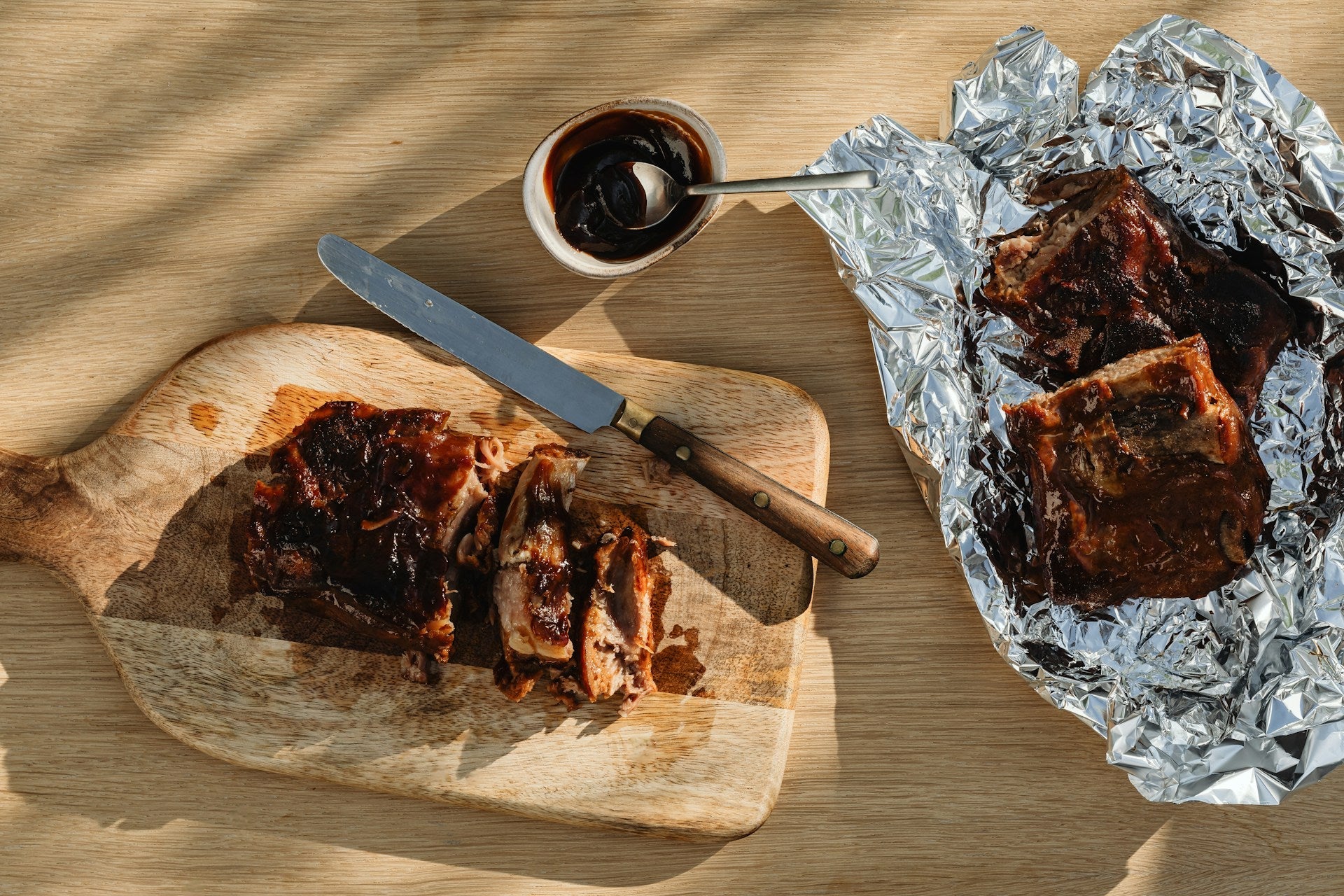
BBQ ribs, whether pork or beef, should also be consumed within three to four days when kept in the refrigerator. Store them in an airtight container or wrap them securely in foil or plastic wrap to help maintain their flavor and prevent any unwanted fridge odors from seeping in.
| BBQ Type | Shelf Life in the Fridge |
|---|---|
| Ribs | 3-4 days |
For all BBQ types, it's crucial to cool the meat quickly to prevent bacterial growth. Divide large portions into smaller, shallow containers to speed up the cooling process. If you're looking for tips on extending the shelf life of your barbecue, consider freezing it. And when in doubt, always perform a smell and visual check for signs of spoilage before consuming refrigerated BBQ. If you're interested in learning about the shelf life of other items in your fridge, such as how long does coleslaw last in the fridge? or how long does pot roast last in the fridge?, you can find more information by following the links provided.
Signs of Spoiled BBQ
When it comes to barbecue, the freshness of your meat is key to a delicious meal. Knowing how to identify signs of spoilage can ensure that you enjoy your BBQ safely. Here's what you should look out for:
Visual Changes
If you're questioning 'how long does bbq last in the fridge?' start by inspecting the visual appearance of your barbecue. Any abnormal changes in color, such as a grayish hue, green spots, or signs of mold, are indicators that the BBQ should no longer be consumed. Additionally, if you notice that the fat on the meat has turned yellowish, this is another sign that the BBQ has gone bad.
Smell Test
A quick smell test can often tell you all you need to know about the condition of your BBQ. Freshly cooked or properly stored meat should have a clean, slightly smoky scent. If you detect any sour, rancid, or unpleasant odors, it's a strong indication that the BBQ is spoiled and should be discarded. Trust your nose; it's one of your best tools for determining food safety.
Texture and Taste
Lastly, the texture and taste of the BBQ can signal spoilage. Meat that feels slimy or tacky to the touch is likely past its prime. While you should never taste meat that you suspect is spoiled, if you inadvertently do and it has a sour or off flavor, it's time to throw it away.
Remember, consuming spoiled BBQ can lead to foodborne illnesses, so it's better to err on the side of caution. For more information on the shelf life of various foods and how to store them properly, browse through our articles such as how long does coleslaw last in the fridge? and how long does pulled pork last in the fridge?.
Proper BBQ Storage Practices
Ensuring that your barbecue remains fresh and safe to consume involves adopting proper storage practices. Preserving the flavors and extending the shelf life of your BBQ begins with how you store it in the refrigerator.
Using Airtight Containers
To maintain the quality of your BBQ, it is essential to store it in airtight containers. This prevents moisture loss, which can lead to dry and unappetizing meat. Airtight containers also protect your BBQ from absorbing odors from other foods in the fridge, which could alter its taste.
When selecting an airtight container, make sure it is made of food-grade materials and is the right size to hold your BBQ without crowding. This ensures even cooling and reduces the risk of bacterial growth. To further understand the importance of proper food storage, you may read about how long does cactus fruit juice last in the fridge?
Labeling and Dating
It's easy to forget when you stored your BBQ, which is why labeling and dating your containers is a crucial step. Use a piece of masking tape and a permanent marker to note the date of storage. This simple practice helps you keep track of how long your BBQ has been in the fridge, allowing you to use it within its optimal freshness period.
By keeping a clear record, you can prevent the consumption of potentially spoiled food and manage leftovers efficiently. For more insights on shelf life, take a look at how long does romesco sauce last in the fridge?
Organizing the Fridge
Proper organization within your refrigerator is not only about neatness but also about food safety. Place your BBQ on shelves where the temperature is most consistent, typically in the middle or lower sections of the fridge. Keep it away from raw foods to avoid cross-contamination.
Arrange your fridge contents so that older items are in front and new ones at the back. This 'first in, first out' (FIFO) method ensures that you use foods based on their storage dates, reducing waste. For more tips on fridge organization, you might be interested in how long does a new fridge take to get cold?
By following these storage practices, you can enjoy your BBQ for as long as possible without compromising its quality or your health. Remember, the key to extending the shelf life of your BBQ lies in how you store it right after cooking.
Extending BBQ Shelf Life
To enjoy your barbecued delights for as long as possible, you can use preservation techniques such as freezing and reheating your BBQ safely. These methods not only extend the shelf life of your BBQ but also help maintain its flavor and texture.
Freezing BBQ
Freezing is an effective way to prolong the shelf life of your BBQ, allowing you to savor it for future meals. To freeze BBQ properly, follow these steps:
- Allow your BBQ to cool to room temperature to prevent bacterial growth.
- Portion your BBQ into meal-sized amounts to avoid defrosting more than you need at one time.
- Wrap your BBQ tightly in freezer-safe wrap or aluminum foil to prevent freezer burn.
- Place the wrapped BBQ in airtight containers or freezer bags to protect it from air exposure.
- Label the containers or bags with the date of freezing to keep track of how long it's been stored.
By following these steps, you can ensure your BBQ remains tasty for the next few months. Refer to the table below for approximate freezing times for different types of BBQ.
| BBQ Type | Freezing Time (Months) |
|---|---|
| Grilled Chicken | 3-4 |
| Pulled Pork | 2-3 |
| Beef Brisket | 2-3 |
| Ribs | 2-3 |
Reheating Safely
When you're ready to enjoy your frozen BBQ, reheating it safely is crucial to preserve its flavor and ensure it's safe to eat. Here are some tips for reheating your BBQ:
- Thaw your BBQ in the refrigerator overnight to ensure it remains at a safe temperature.
- Reheat your BBQ to an internal temperature of 165°F (74°C) to kill any potential bacteria.
- Use the oven or a covered skillet with a little bit of broth to help retain moisture.
- If using a microwave, cover the BBQ and rotate it during reheating for even warming.
Remember, reheated BBQ should be consumed immediately and should not be refrozen. For more detailed guidelines on reheating different types of food, take a look at our article on how long does pot roast last in the fridge?
By implementing these storage and reheating practices, you can extend the enjoyment of your BBQ and minimize food waste. Whether you're storing coleslaw to accompany your BBQ or keeping vermicelloni pasta for another dish, the same principles of food safety and proper storage apply.
Get Your Upgrade or New Addition at Fridge.com
Whether you're searching for your perfect fridge, freezer, wine fridge, beer fridge, ice maker, or kegerator, we have what you need.
Shop the world's best brands at Fridge.com.
We also have tons of awesome articles about kitchen stuff and home news. Enhance your home, garage, backyard, patio, and office with the coolest essentials. With every necessary type of residential refrigerator or freezer in our collection, we've got you covered.
Elevate your game and shop now at Fridge.com!