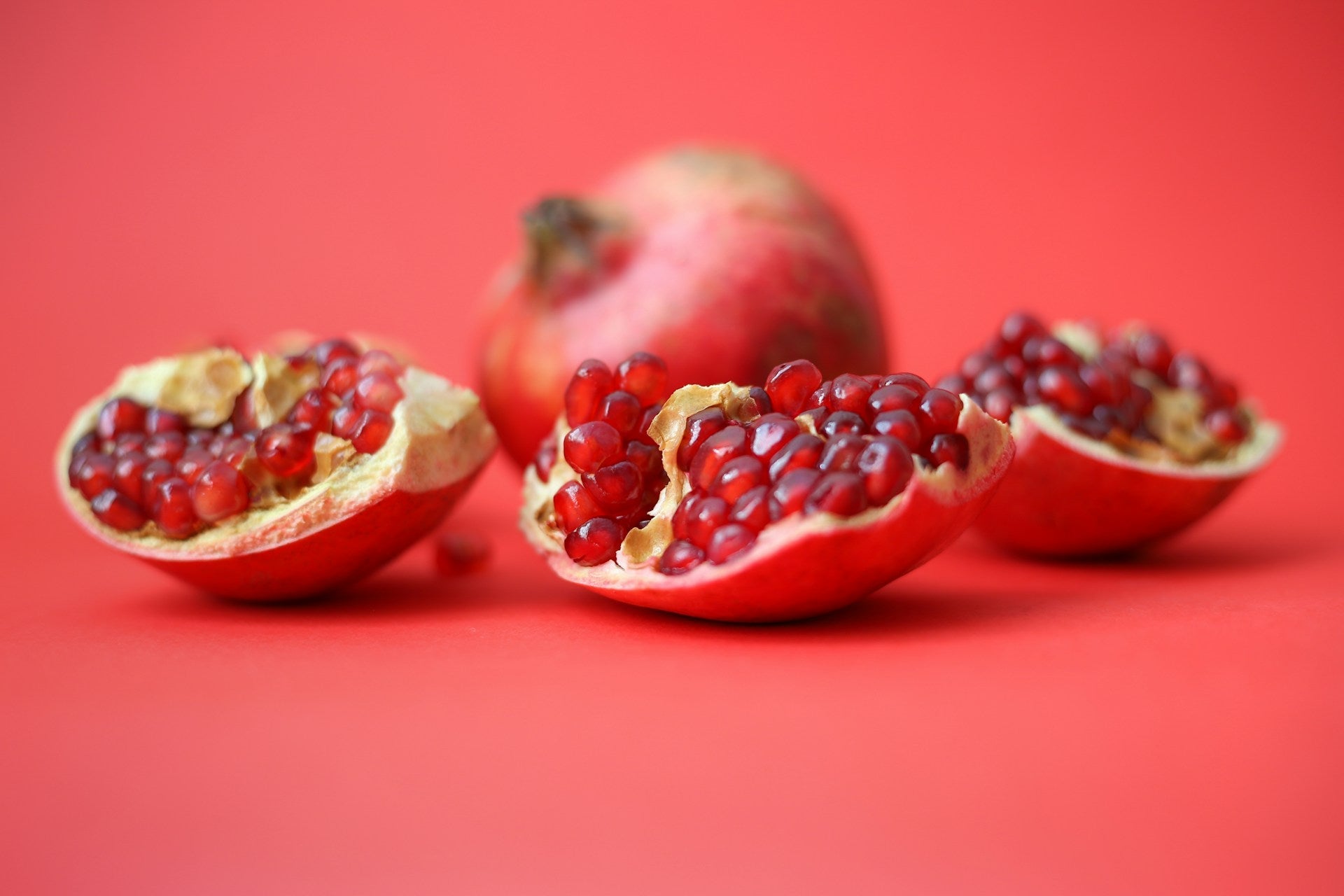
Storing Pomegranates In The Fridge
Importance of Proper Storage
Proper storage of pomegranates in the refrigerator is essential to extend their freshness and preserve their taste and nutritional value. Pomegranates are rich in antioxidants, vitamins, and minerals, making them a valuable addition to your diet. By storing them correctly, you ensure that these juicy gems are ready to be enjoyed at their best quality for as long as possible.
How Long Can Pomegranates Last in the Fridge?
Pomegranates can last in the fridge for different durations depending on whether they are whole or have been processed into arils (seeds). Whole pomegranates typically have a longer shelf life compared to the separated arils due to the protective nature of their thick skin.
| State of Pomegranate | Shelf Life in Fridge |
|---|---|
| Whole Pomegranates | 2-3 weeks |
| Pomegranate Arils | 5-7 days |
For whole pomegranates, the fridge is the ideal environment to maintain their freshness. When stored properly in the refrigerator's crisper drawer, they can last for up to three weeks. It's important to keep them away from moisture, as excess dampness can hasten spoilage.
Pomegranate arils, once removed from the fruit, should be stored in an airtight container to keep them fresh. They are more delicate and have a shorter shelf life, typically lasting up to a week when refrigerated.
For more information on storing other foods in the fridge and maximizing their shelf life, you can explore articles such as how long does cactus fruit juice last in the fridge? or how long does strawberry last in the fridge?. These resources can help you make informed decisions about food storage, ensuring that your ingredients stay fresh and tasty for as long as possible.
Factors Affecting Shelf Life
When it comes to preserving the freshness of pomegranates, several factors influence how long they can last in your refrigerator. Understanding these factors helps ensure that you enjoy your pomegranates at their best quality and avoid waste.
Ripeness of the Pomegranate
The first factor to consider is the ripeness of the pomegranate when you purchase or harvest it. Pomegranates at the peak of ripeness will have a shorter shelf life than those that are slightly underripe. Here’s a guide to help you gauge the potential fridge life based on ripeness:
| Ripeness Level | Estimated Shelf Life in Fridge |
|---|---|
| Underripe | 3-4 weeks |
| Ripe | 1-2 weeks |
| Overripe | 3-5 days |
Always inspect the pomegranate for signs of ripeness before storage. A ripe pomegranate should feel heavy for its size, have a rich color, and the skin should be slightly firm with no visible blemishes.
Storage Conditions
The conditions inside your refrigerator also play a crucial role in determining the longevity of pomegranates. To maximize their shelf life, pomegranates should be stored at a consistent temperature of around 32°F to 41°F. Fluctuations in temperature can accelerate spoilage and decrease the fruit's lifespan.
Ensure that your refrigerator is not overly packed, as this can restrict airflow and create uneven temperatures. Additionally, storing pomegranates away from ethylene-producing fruits like apples and bananas can help prevent premature ripening.
Preparing Pomegranates for Refrigeration
Prepping your pomegranates for refrigeration can also extend their shelf life. Whole pomegranates should be dry and free from moisture to prevent mold growth. If you have already opened a pomegranate, store the arils (seeds) in an airtight container. This can keep them fresh for up to 5-7 days. For the best practices in preparing pomegranates, consider reading about how long do pomegranates last in the fridge?.
When storing cut pomegranates, cover them with plastic wrap or place them in a resealable bag to maintain moisture and protect them from absorbing other odors in the fridge. Here are some tips:
- Dry the outer skin before refrigeration.
- Place whole pomegranates in a breathable bag for circulation.
- For arils, use an airtight container and refrigerate promptly.
By carefully considering the ripeness, storage conditions, and preparation methods, you ensure that your pomegranates remain delicious and nutritious for as long as possible. Keep these tips in mind next time you bring home this delightful fruit, and always remember to enjoy it before any signs of spoilage appear.
Signs of Spoilage
When you're managing your refrigerator's contents, it's important to recognize when a fruit like a pomegranate has gone bad. Spoilage can affect flavor, texture, and potentially your health. Here's how you can spot signs of spoilage in pomegranates.
Visual Changes
Visual inspection is your first line of defense against consuming spoiled pomegranates. Look for the following indicators:
- The skin turns dark brown or black, and spots may appear.
- The once firm skin becomes soft and starts to wrinkle.
- Mold growth, which can manifest as white, green, or black fuzzy spots, is a clear sign that the pomegranate should not be consumed.
If you notice any of these changes, it's best to discard the fruit.
Texture and Smell
Beyond visual cues, the texture and smell of a pomegranate can also signal spoilage:
- Fresh pomegranate arils are juicy and plump; if they've become hollow, dry, or mushy, they're past their prime.
- A sour or fermented scent is a strong indicator that the pomegranate has spoiled. Fresh pomegranates should have a sweet, slightly tangy aroma.
Spoiled pomegranates not only lose their palatable qualities but can also harbor harmful bacteria. Consuming spoiled food can lead to foodborne illnesses, so when in doubt, throw it out. By understanding these signs of spoilage, you can ensure that you enjoy pomegranates when they're at their best and avoid potential health risks. If you're interested in how to maintain the freshness of other items in your fridge, discover how long do lemons last in the fridge? or how long does pot roast last in the fridge?.
Extending Shelf Life
To maximize the enjoyment of pomegranates, it's important to know how to extend their shelf life. Proper storage techniques can make a significant difference in how long these fruits last before they begin to spoil.
Properly Sealing Pomegranates
The first step in extending the life of your pomegranates is proper sealing. Whole pomegranates should be stored in a cool, dry place away from direct sunlight. If you choose to refrigerate them, place the whole pomegranates in a perforated plastic bag or wrap them loosely in plastic to allow for air circulation. This prevents excess moisture from building up, which can lead to premature spoilage.
For pomegranate arils, it's essential to seal them in an airtight container before placing them in the fridge. This will keep them fresh and juicy for longer periods. An additional tip is to place a paper towel at the bottom of the container to absorb any excess moisture, which can help prevent mold growth.
| Storage Method | Estimated Shelf Life |
|---|---|
| Whole pomegranates at room temperature | 1 - 2 weeks |
| Whole pomegranates in the fridge | 3 - 4 weeks |
| Pomegranate arils in an airtight container | 5 - 7 days |
Freezing Pomegranate Arils
Freezing is an excellent option for preserving the freshness of pomegranate arils. To freeze them, spread the arils in a single layer on a baking sheet lined with parchment paper and place them in the freezer. Once frozen, transfer the arils to a freezer-safe airtight container or zip-lock bag.
Frozen pomegranate arils can last for several months, making them a convenient option for long-term storage. They can be used straight from the freezer in smoothies, as a refreshing topping for desserts, or thawed for use in salads and other recipes.
| Freezing Method | Estimated Shelf Life |
|---|---|
| Freezing pomegranate arils | 6 - 12 months |
By properly sealing and freezing pomegranates, you can enjoy these delicious and nutritious fruits well beyond their typical fridge shelf life. For more information on storing other foods and to answer questions like how long do lemons last in the fridge?, be sure to explore our comprehensive guides to refrigerator storage.
FAQs About Pomegranates in the Fridge
When it comes to storing pomegranates, your refrigerator can be a powerful tool in preserving their freshness. Here are some frequently asked questions about keeping pomegranates in the fridge:
Can you refrigerate whole pomegranates?
Yes, you can refrigerate whole pomegranates. Storing them in the fridge can significantly extend their shelf life compared to leaving them at room temperature. When kept in the refrigerator, whole pomegranates can last for about one to two months. It's best to place them in the crisper drawer to maintain the ideal humidity level.
How to store cut pomegranates?
Once you've cut into a pomegranate, the shelf life decreases due to exposure to air and moisture. To store cut pomegranates, wrap the pieces tightly in plastic wrap or place them in an airtight container before refrigerating. This can keep them fresh for around three to five days. For optimal preservation, ensure the container is sealed properly to prevent air from entering and potentially spoiling the fruit.
Can you freeze whole pomegranates?
While freezing whole pomegranates is not recommended due to the fruit's high-water content, which can lead to ice crystal formation and a mushy texture upon thawing, you can freeze the arils (seeds). To freeze pomegranate arils, spread them out on a baking sheet and place them in the freezer. Once frozen, transfer the arils to a freezer-safe bag or container. They can last in the freezer for up to six months. When you're ready to use them, pomegranate arils can be added directly to dishes without thawing for a burst of flavor and color.
Here's a quick reference table for the shelf life of pomegranates under different conditions:
| Storage Method | Shelf Life |
|---|---|
| At room temperature (whole) | 1-2 weeks |
| In the refrigerator (whole) | 1-2 months |
| In the refrigerator (cut) | 3-5 days |
| In the freezer (arils) | Up to 6 months |
For those looking to explore other fruit storage methods, check out our articles on how long does cactus fruit juice last in the fridge? and how long do lemons last in the fridge?. Additionally, for a comprehensive guide on fridge storage times for various items, you might find our articles on how long does coleslaw last in the fridge? and how long does cooked ham last in the fridge? to be helpful resources.
Safety Precautions
When it comes to handling and storing pomegranates, safety is as crucial as it is with any other food item. By following proper safety measures, you can ensure that your pomegranates remain a healthy and delicious addition to your diet.
Washing Pomegranates
Before refrigerating or consuming pomegranates, it is essential to wash them thoroughly. This step helps to remove any dirt, bacteria, or pesticide residues that may be on the surface. Even if you plan to discard the outer skin, washing is still important as contaminants can be transferred to the edible arils during cutting.
- Rinse the pomegranate under cool running water.
- Gently scrub the surface with a soft brush to remove any adhering substances.
- Pat the fruit dry with a clean cloth or paper towel before further handling or cutting.
Remember, washing your pomegranates not only helps to keep them safe for consumption but also extends their freshness by reducing the likelihood of premature spoilage.
Handling Pomegranates Safely
After washing, handling pomegranates safely is another key step in preventing foodborne illness. Always use clean utensils and cutting boards when cutting open the fruit and extracting the arils.
- Use a sharp knife to cut the pomegranate, and be cautious to avoid injuries.
- If you're storing the arils, ensure that your hands, utensils, and containers are clean to prevent cross-contamination.
- Avoid leaving the pomegranate or its arils at room temperature for extended periods, as this can promote bacterial growth.
When storing the arils in the fridge, place them in an airtight container to maintain their quality and freshness. The table below provides a quick guide on the storage life of pomegranate arils in the refrigerator:
| Storage Method | Shelf Life |
|---|---|
| Airtight container | 5-7 days |
For more information on the shelf life of various foods and how to store them properly in the refrigerator, explore our articles on topics such as how long does coleslaw last in the fridge? and how long do lemons last in the fridge?.
By implementing these safety precautions, you can enjoy your pomegranates with peace of mind, knowing they are clean and handled correctly. Whether you're storing whole pomegranates, refrigerating the arils, or incorporating them into your favorite recipes, proper safety measures are the foundation of good food hygiene and storage practices.
Get Your Upgrade or New Addition at Fridge.com
Whether you're searching for your perfect fridge, freezer, wine fridge, beer fridge, ice maker, or kegerator, we have what you need.
Shop the world's best brands at Fridge.com.
We also have tons of awesome articles about kitchen stuff and home news. Enhance your home, garage, backyard, patio, and office with the coolest essentials. With every necessary type of residential refrigerator or freezer in our collection, we've got you covered.
Elevate your game and shop now at Fridge.com!