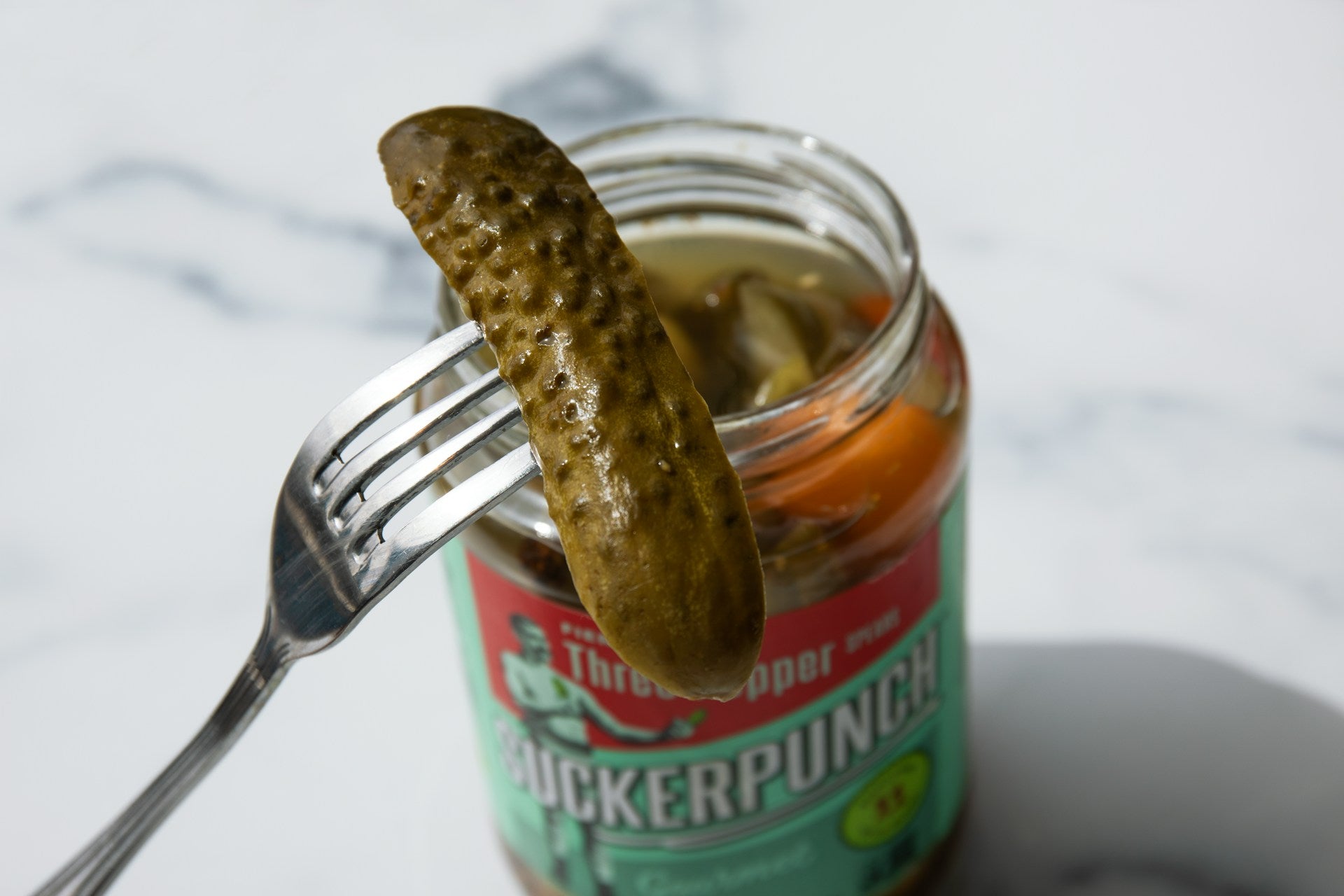
How Long Do Pickles Last In The Fridge?
Understanding Pickles Shelf Life
When you store pickles in the fridge, they can be a crunchy and flavorful addition to many dishes. However, understanding the shelf life of pickles is essential to ensure they remain safe and delicious to eat.
Factors Affecting Pickle Shelf Life
Several factors can influence how long your pickles will last, including:
- Preservation Method: Whether your pickles are fermented or vinegar-based affects their longevity.
- Storage Conditions: Temperature fluctuations can impact the shelf life.
- Jar Seal Integrity: A compromised seal can allow bacteria to enter and spoil the pickles.
- pH Level: The acidity level in pickles deters bacterial growth and prolongs shelf life.
- Exposure to Contaminants: Introducing bacteria by using unclean utensils can reduce shelf life.
Understanding these variables helps you maintain the quality of your pickles for as long as possible. For example, fermented pickles might have a different shelf life compared to vinegar-based ones due to the differences in pH levels and types of bacteria present.
Importance of Proper Storage
Proper storage is critical in extending the life of your pickles. Here are some reasons why:
- Preventing Contamination: Proper storage helps to prevent the introduction of harmful bacteria.
- Maintaining Flavor and Texture: Correct storage conditions preserve the pickles' desired taste and crunch.
- Food Safety: Storing pickles correctly ensures that you are not at risk of consuming spoiled food.
To store pickles properly, keep them in airtight containers and ensure they are fully submerged in the brine. The refrigerator should be set to an appropriate temperature, typically around 35-38°F (1.7-3.3°C), to slow down bacterial growth and maintain the quality of the pickles.
For further guidance on pickle preservation and other related topics, explore our articles on how to make refrigerator pickles? and how long do pickled onions last in the fridge?. Additionally, if you're curious about freezing options, we have resources on can you freeze pickles? to guide you through the process.
Pickles in the Fridge
For those with a penchant for pickles, understanding their shelf life, especially when stored in the fridge, is essential. Storing your pickles in the refrigerator can significantly extend their freshness and crunch, but for how long?
How Long Do Pickles Last in the Fridge?
Pickles can have a surprisingly long shelf life when stored properly in the fridge. Typically, commercially packaged pickles in a brine solution can last for quite some time.
| Pickle Type | Unopened Fridge Life | Opened Fridge Life |
|---|---|---|
| Dill Pickles | 1-2 years | 3-6 months |
| Bread and Butter Pickles | 1-2 years | 3-6 months |
| Sweet Pickles | 1-2 years | 3-6 months |
It's important to note that these are approximate time frames and the actual shelf life can vary based on several factors such as the initial quality of the pickles, the type of brine used, and how the pickles are handled before and after opening. For homemade pickles, such as those made using a refrigerator pickle recipe, the shelf life might be shorter, typically around 1-2 months.
Signs of Spoiled Pickles
While pickles can last a long time in the fridge, they are not immune to spoilage. Here are some signs that your pickles may have gone bad:
- Changes in Texture: If the pickles have become soft or slimy, they are no longer good to eat.
- Off-Putting Odors: Any foul or unusual smells coming from the pickle jar is a red flag.
- Discoloration: Any significant changes in color can indicate spoilage.
- Mold Growth: Visible mold on the pickles or inside the jar is a sure sign of spoilage.
- Brine Changes: If the brine becomes cloudy, fizzing, or if gas bubbles appear, the pickles may have undergone undesirable fermentation.
If you encounter any of these signs, it's best to err on the side of caution and dispose of the pickles. Consuming spoiled pickles can pose health risks and should be avoided. For more guidance on safely enjoying pickled products, you might find our article on how long do pickled onions last in the fridge? useful.
Remember, if you are ever in doubt about the state of your pickles, it's better to toss them out. No delicacy is worth the risk of foodborne illness.
Extending Pickle Shelf Life
To enjoy your pickles for as long as possible, proper storage is key. This section provides guidance on how to store your pickles to extend their shelf life and maintain their crunch and flavor.
Proper Storage Tips
When you're looking to preserve the longevity of your pickles, the following tips will ensure they remain tasty and safe to eat:
- Ensure a Tight Seal: Always check that the lid on your pickle jar is sealed tightly. A proper seal keeps out bacteria and air, both of which can spoil pickles.
- Keep Them Cool: Store your pickles in the fridge. The cold temperature slows down the fermentation and spoilage process.
- Submerge in Brine: Make sure your pickles are fully submerged in the brine. If the pickles are exposed to air, they can soften and spoil more quickly.
- Use Clean Utensils: When removing pickles from the jar, use clean utensils to prevent introducing bacteria to the brine.
- Avoid Contamination: Don't eat directly from the jar, as this can introduce bacteria that may spoil the remaining pickles.
For those interested in making their own pickles, see our guide on how to make refrigerator pickles?.
Repackaging Pickles for Extended Freshness
If you have a large batch of pickles or have noticed the brine level getting low, repackaging can help extend their shelf life. Here's how you can do it:
- Transfer to Smaller Jars: If your pickle jar is too big, transferring the pickles into smaller jars can help keep them submerged in brine.
- Top Up the Brine: If the brine level is low, prepare a fresh batch of brine and top up the jar. The brine should be a mixture of vinegar, water, and salt, boiled and cooled before use.
- Remove Unused Pickles: If you notice any pickles that have started to spoil, remove them immediately to prevent the spread of bacteria to the rest.
- Vacuum Sealing: For long-term storage, consider vacuum sealing your pickles. This process removes air and seals the pickles in an airtight environment.
To explore more about extending the freshness of other fermented foods, read about how long does sauerkraut last in the refrigerator?
By following these storage tips and repackaging methods, you can ensure that your pickles remain safe to consume and delicious for a longer period. Remember to always check for signs of spoilage before consumption, no matter how well you store them. If you're curious about freezing pickles for even longer preservation, find out can you freeze pickles?
Pickle Varieties and Shelf Life
The shelf life of pickles in your fridge can vary greatly depending on the type. Whether you've made a batch of pickles yourself using a refrigerator pickle recipe or picked up a jar from the store, knowing how long they last can help prevent waste and ensure you're enjoying your pickles at their best quality.
Dill Pickles
Dill pickles, known for their tangy and robust flavor, are a classic choice. They are typically made with garlic and dill and can be found in various forms, from whole pickles to slices. When stored properly in the fridge, dill pickles can last for several months due to the preservative nature of the vinegar and salt in the brine.
| Pickle Type | Unopened Shelf Life | Opened Shelf Life |
|---|---|---|
| Dill Pickles | 1-2 years | 3-6 months |
To extend the life of your dill pickles, ensure the brine covers the pickles completely and the jar is tightly sealed after each use. If you're curious about how long other preserved foods last, you might be interested in reading how long does sauerkraut last in the refrigerator?
Bread and Butter Pickles
Bread and butter pickles are sweeter and have a more complex flavor profile, with hints of onions and a mix of spices. These pickles add a delightful crunch to sandwiches and burgers. Similar to dill pickles, they have a long shelf life when kept refrigerated.
| Pickle Type | Unopened Shelf Life | Opened Shelf Life |
|---|---|---|
| Bread and Butter Pickles | 1-2 years | 3-6 months |
Always use clean utensils to remove the pickles from the jar to avoid introducing bacteria that could spoil them. For those who enjoy a sweeter variety, you might also enjoy trying a refrigerator sweet pickle recipe.
Sweet Pickles
Sweet pickles, often made with added sugar or sweeteners, are a favorite for those who prefer a less acidic taste. They come in various forms, including gherkins and bread and butter pickles, and are a popular choice for adding to salads or eating straight from the jar.
| Pickle Type | Unopened Shelf Life | Opened Shelf Life |
|---|---|---|
| Sweet Pickles | 1-2 years | 3-6 months |
Remember that the longevity of your sweet pickles will depend on consistent refrigeration and proper sealing of the container. For comparison, learn how long do pickled onions last in the fridge?
In general, you should enjoy your refrigerated pickles while they're still crisp and before any signs of spoilage appear. If you ever question whether your pickles are still good, check for any off-odors, discoloration, or signs of mold, and discard if necessary. For those considering freezing, find out can you freeze pickles? to understand the impact on texture and flavor.
Pickle Usage and Storage
Proper storage and usage are key to ensuring your pickles remain safe and tasty for as long as possible. The contrast between opened and unopened pickles and the difference between refrigerated and shelf-stable pickles are crucial aspects to consider.
Opened vs. Unopened Pickles
The longevity of pickles can be greatly affected by whether the jar is opened or remains sealed. Once the seal is broken, pickles should be stored in the refrigerator to maintain their quality and prevent spoilage.
| State | Shelf Life |
|---|---|
| Unopened Pickles | 1-2 years (pantry) |
| Opened Pickles | 1-2 months (refrigerator) |
Unopened pickles can last for up to two years when stored in a cool, dark place like a pantry. Once opened, they should ideally be consumed within one to two months. Always ensure the brine covers the pickles to prevent them from drying out. For guidance on crafting your own brine, explore our refrigerator pickle recipe.
Refrigerated Pickles vs. Shelf-Stable Pickles
Refrigerated pickles are typically made with a shorter shelf life in mind and must be kept cool. On the other hand, shelf-stable pickles have been processed to last longer and can be stored at room temperature until opened.
| Type | Shelf Life |
|---|---|
| Refrigerated Pickles | Several months (from production) |
| Shelf-Stable Pickles | Up to 2 years (pantry) |
For refrigerated pickles, they should be consumed within a few months from the date of production. Once you bring them home, keep them in the refrigerator at all times. Shelf-stable pickles can sit in your pantry for up to two years. After opening, both types should be kept in the refrigerator and consumed within the 1-2 month window.
Remember that storage conditions can influence the longevity of your pickles. For instance, if you've made a batch of refrigerator sweet pickle recipe, ensure they're always stored in the fridge.
When storing your pickles, it's important to keep them submerged in their original brine to maintain their flavor and texture. If you notice the brine level is low, you can learn how to make refrigerator pickles? to understand the brine-making process and top it off if necessary.
By following these storage guidelines, you can enjoy your pickles for the maximum amount of time while ensuring they remain safe and delicious. Whether you're storing pickled beets refrigerator style or keeping a jar of shelf-stable dill pickles in the pantry, proper usage and storage are your best practices for extending the life of your pickles.
Pickle Safety Considerations
When preserving food, safety is a paramount concern, and pickles are no exception. Understanding the signs of spoilage and practicing safe consumption can ensure that you enjoy your pickles without any health risks.
Mold on Pickles
One of the most obvious signs that pickles have gone bad is the presence of mold. Mold can appear on the surface of the brine or on the pickles themselves and can be a variety of colors, such as white, green, or black.
| Sign of Spoilage | Description |
|---|---|
| Visible Mold | Fuzzy or slimy growth on the pickles or on the surface of the brine. |
| Off-putting Smell | A foul or sour odor that is not characteristic of fermented or pickled foods. |
| Discoloration | Changes in the color of the pickles or brine that are not typical of the pickling process. |
| Bulging Lid | A lid that is bulging or appears to be under pressure may indicate unwanted gas production due to spoilage. |
If you encounter mold on your pickles or any of the signs mentioned above, it's crucial to discard the entire jar, as mold can contaminate the entire contents, not just the area where it is visible.
Safe Consumption Practices
To minimize the risk of consuming spoiled pickles, follow these safety practices:
- Inspect Your Pickles: Always examine your pickles before consumption. Look for signs of mold, off-odors, and changes in texture or color.
- Practice Good Hygiene: Use clean utensils when handling pickles to prevent cross-contamination.
- Follow Storage Guidelines: Store pickles in the refrigerator to slow down the fermentation process and preserve their quality. For more details on shelf life, refer to our article on how long do pickles last in the fridge?
- Make Informed Decisions: Familiarize yourself with the basics of pickling safety by exploring resources like our how to make refrigerator pickles? article.
- Consume Within a Reasonable Timeframe: Even properly refrigerated pickles have a finite shelf life. Typically, pickles can last for several months in the fridge, but always refer to best-by dates and storage practices.
- Discard Doubtful Pickles: If you're unsure about the safety of your pickles, it's better to err on the side of caution and dispose of them.
Remember, while pickles have a long shelf life due to their acidic nature and preservation process, they are not immune to spoilage. By keeping an eye out for signs of spoilage and practicing safe consumption, you can ensure that your pickles remain a delicious and safe addition to your meals. For related storage and safety guidelines on other fermented foods, check out our articles on does kimchi need to be refrigerated? and can you freeze sauerkraut?.