Your refrigerator should be at or below 40°F (4°C) to ensure optimal preservation.
The refrigerator should maintain a consistent temperature, ideally at or below 40°F (4°C).
Ensure that your refrigerator is set to a temperature below 40°F (4°C), as this is the recommended setting to inhibit bacterial growth.
Pickled beets last 1 to 3 months in the refrigerator once the jar is opened, provided the beets stay fully submerged in their brine and your fridge holds at or below 40°F (4°C).
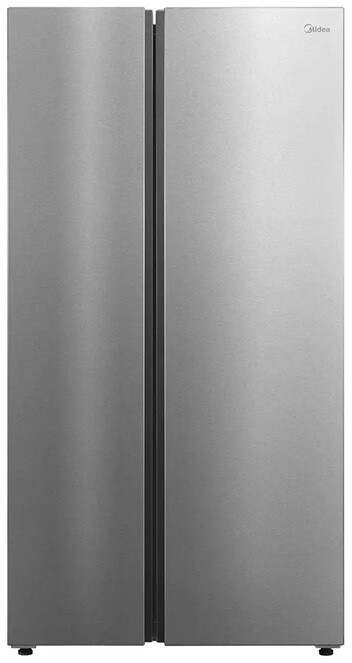
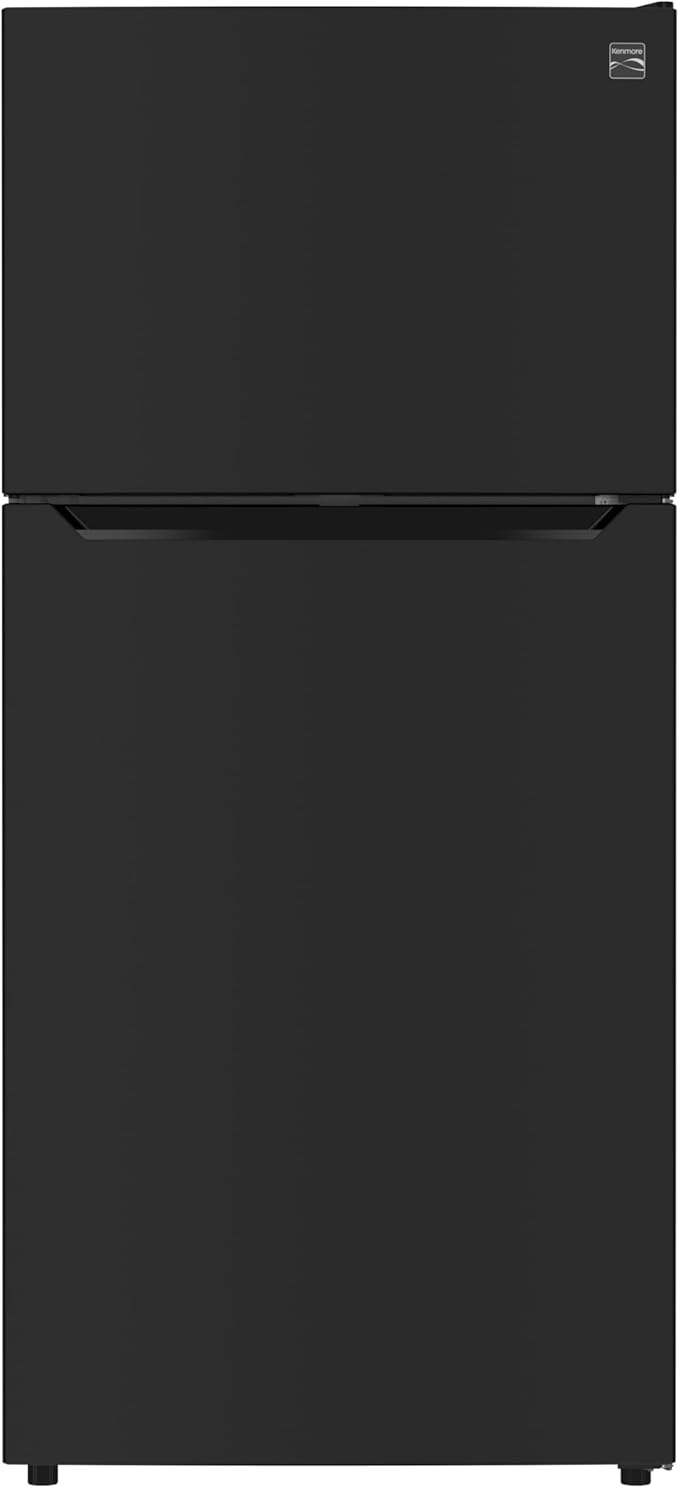
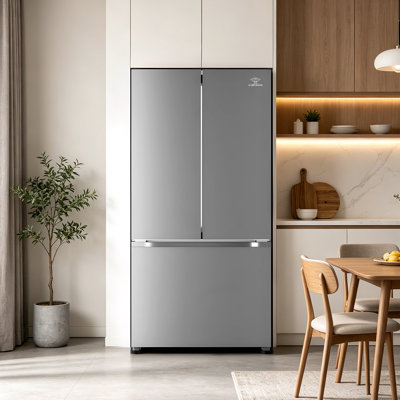
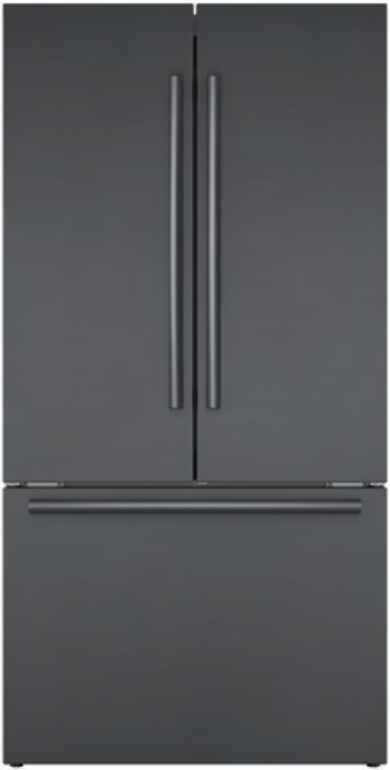
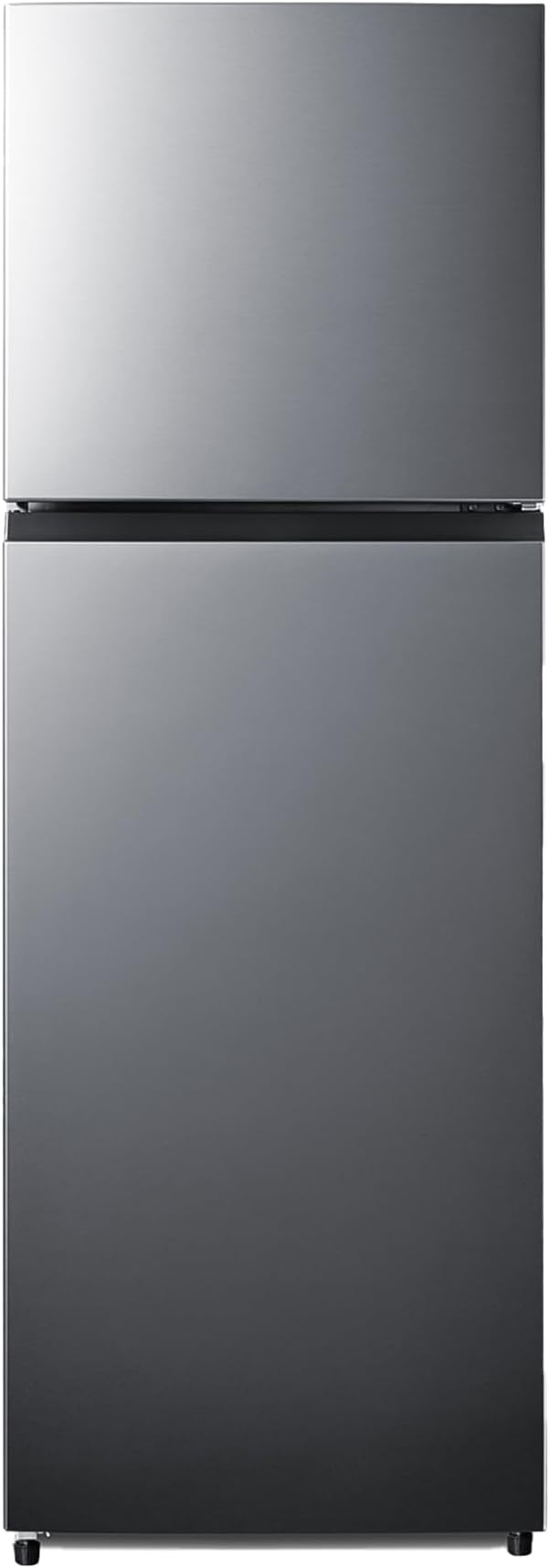
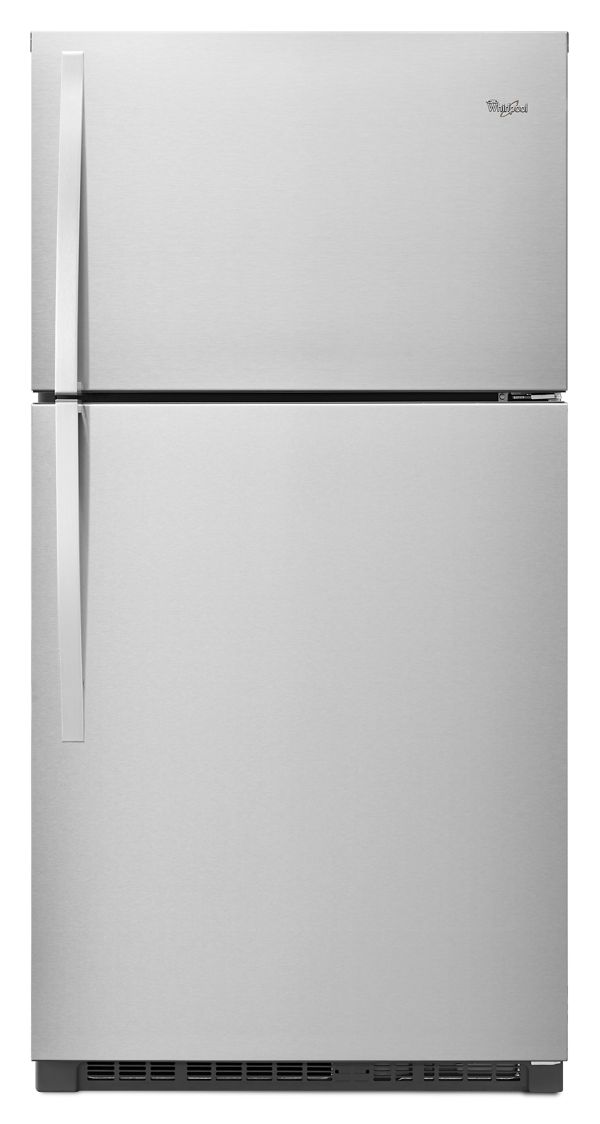
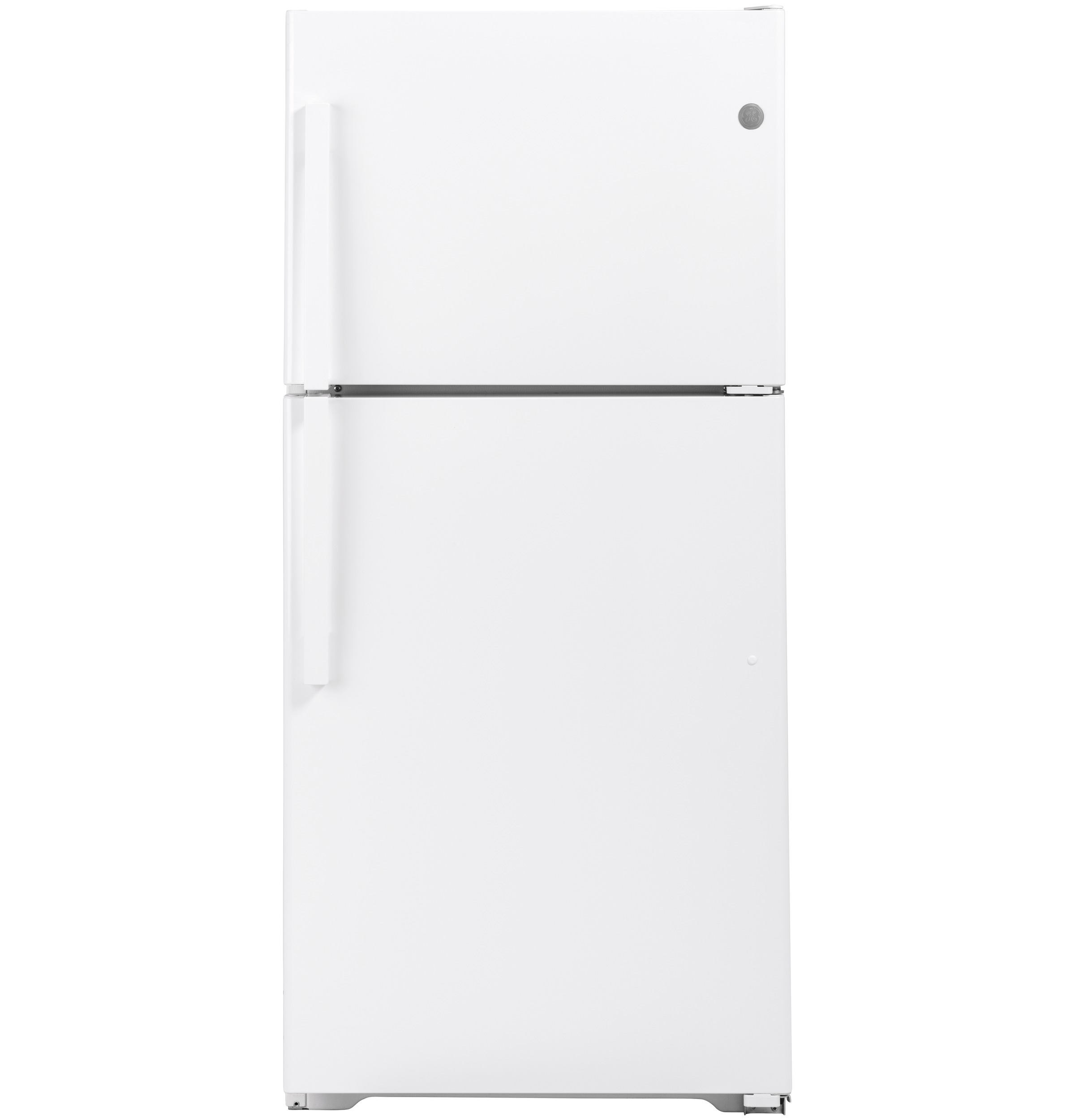
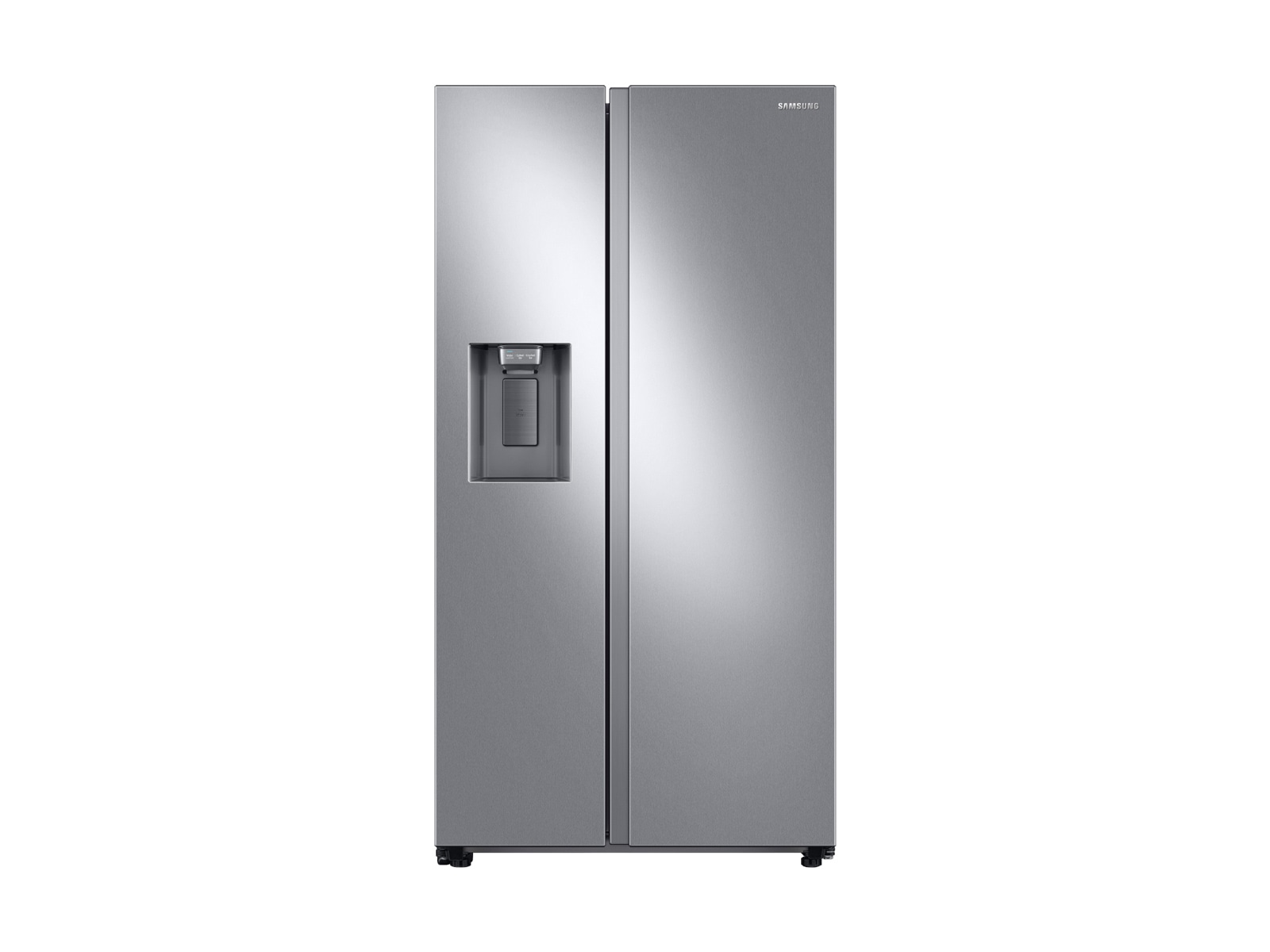
Pickled beets last 1 to 3 months in the refrigerator once the jar is opened, provided the beets stay fully submerged in their brine and your fridge holds at or below 40°F (4°C). A properly sealed store-bought jar keeps for 6 to 12 months unopened, while homemade pickled beets are best used within 6 months unopened. The vinegar brine — at a pH of 4.6 or lower — is what keeps bacteria at bay, so once the seal is compromised or the brine turns cloudy, it is time to discard them. To keep an opened jar reliably at or below 40°F (4°C), browse our current refrigerators.
Pickled Beets Shelf Life
Understanding the Longevity of Pickled Beets
Pickled beets are known for their extended shelf life due to the pickling process, which involves submerging the beets in an acidic solution, typically vinegar-based. This creates an environment that is hostile to bacteria, allowing the beets to last much longer than they would in their fresh state. When stored properly in the refrigerator, pickled beets can maintain their quality for several months.
Several factors influence how long your pickled beets will last in the fridge:
Seal Integrity: The seal of the jar can determine shelf life. A compromised seal can allow bacteria to enter, shortening the lifespan of your pickled beets.
Storage Temperature: Consistent refrigeration is crucial. Fluctuations in temperature can lead to spoilage. Your refrigerator should be at or below 40°F (4°C) to ensure optimal preservation.
pH Level: The acidity of the pickling solution is a natural preservative. A pH of 4.6 or lower is needed to prevent bacterial growth.
Exposure to Contaminants: Introducing utensils used with other foods can contaminate your pickled beets, affecting their shelf life.
Frequency of Opening: Regularly opening the container can introduce new bacteria and air, which may affect the longevity of your pickled beets.
When storing pickled beets, it's important to keep them refrigerated at all times. After opening a jar of pickled beets, make sure the lid is closed tightly before returning it to the fridge. This helps to prevent contamination and preserves the acidic environment that keeps the beets from spoiling.
For homemade pickled beets, always use clean, airtight containers. The refrigerator should maintain a consistent temperature, ideally at or below 40°F (4°C). Here's a quick reference table for the storage guidelines:
Storage Method
Temperature
Expected Shelf Life
Refrigerator
≤ 40°F (4°C)
1 - 3 months (opened)
Refrigerator
≤ 40°F (4°C)
Up to 6 months (unopened)
For more detailed information on how to store other fermented and pickled items, such as refrigerator pickled jalapenos or refrigerator pickled beets, visit the relevant articles.
Choosing the Right Container
The container you use has a direct effect on how long jarred or homemade pickled beets stay good:
Glass jars with tight-fitting lids are the best choice. Glass is non-reactive and won't absorb the color or flavor of the brine; BPA-free plastic with an airtight seal also works.
Sterilize containers before use. Clean, sterilized jars keep the beets fresh and safe to eat.
Airtight seals are essential — they stop air from entering and causing spoilage, keep the brine from leaking, and prevent the vinegar aroma from permeating other foods in the fridge.
Store pickled beets on the main shelves or in the crisper drawer, where the temperature is most stable. Avoid the refrigerator door — that zone is prone to temperature swings from frequent opening and closing, which leads to quicker spoilage. Keep the jar away from raw foods to prevent cross-contamination.
Storage Area
Temperature Range
Main Compartment
32°F to 40°F (0°C to 4°C)
Crisper Drawer
32°F to 40°F (0°C to 4°C)
Tips for Prolonging Shelf Life
To further prolong the shelf life of your pickled beets, consider the following tips:
Check the Seal: Before storing unopened jars of pickled beets, ensure that the seal is tight and the lid is not bulging. A compromised seal can lead to spoilage.
Use Clean Utensils: Always use clean utensils when serving pickled beets to avoid introducing bacteria into the jar.
Keep Them Submerged: Make sure the beets are fully submerged in the pickling liquid. If necessary, add a little more vinegar solution to cover them completely.
Avoid Direct Light: Store your pickled beets in a part of the fridge that doesn't get exposed to light whenever the door opens, as light can degrade the quality of the beets over time.
Pickled beets do go bad, even in the fridge. Here are the signs your jar is past saving:
Odor: A sour or off smell that differs from the typical acidic vinegar scent of pickles is a red flag.
Appearance: Any signs of mold or a slimy texture on the beets themselves or on the surface of the brine.
Color: Changes in color, such as darkening or fading of the normally vibrant reddish-purple hue.
Taste: A taste test should be the last resort, and only if the beets pass the visual and smell tests. A strange or off taste can indicate spoilage.
Can Integrity: If the can or jar is bulging, leaking, or has rusted, it's time to dispose of the pickled beets.
The brine itself gives clues too:
Sign of Spoilage
Description
Odor
Any off-smelling or foul odors are a clear sign of spoilage.
Color
Fading or darkening beyond the natural color change from the pickling process.
Texture
If the beets become excessively soft or mushy, they may be spoiled.
Liquid Clarity
Cloudiness or bubbles in the liquid can indicate unwanted fermentation.
When to Discard Pickled Beets
You should discard your pickled beets immediately if you notice any of the above signs of spoilage. Consuming spoiled food can lead to foodborne illnesses, and the risks far outweigh the benefits of keeping the beets. Additionally, if you can't remember when you placed the pickled beets in the fridge, it's safer to err on the side of caution and throw them away.
For those who have pickled beets that are still within their expected shelf life but you're unsure about their state, you can refer to a comprehensive guide on pickled products and their shelf life, such as how long do pickled eggs last in the fridge? as a reference.
By properly refrigerating and freezing, you can significantly extend the shelf life of your pickled beets. Here's how you can do it:
Refrigerating Pickled Beets
Refrigeration is the most common way to preserve the freshness and flavor of pickled beets. When stored correctly, refrigerated pickled beets can last for several months.
Storage Condition
Shelf Life
Refrigerated (Store-bought, Unopened)
6-12 months
Refrigerated (Store-bought, Opened)
2-3 months
Refrigerated (Homemade)
2-3 months
To ensure optimal freshness, follow these guidelines:
Keep the pickled beets in an airtight container to prevent the introduction of bacteria and to maintain the quality of the pickling solution.
Ensure that your refrigerator is set to a temperature below 40°F (4°C), as this is the recommended setting to inhibit bacterial growth.
If you have made a large batch of homemade pickled beets, consider portioning them into smaller containers to avoid exposing the entire batch to air every time you retrieve some.
Freezing Pickled Beets
While not as common, freezing is another viable option for extending the shelf life of your pickled beets. This method is especially useful if you have an abundance of pickled beets that you cannot consume within a few months.
Storage Condition
Shelf Life
Freezer
6-12 months
Here are some tips for freezing pickled beets:
Divide the beets into portion-sized freezer bags or containers to avoid thawing more than you need at one time.
Label each container with the date of freezing to keep track of how long they have been stored.
When you're ready to use the frozen pickled beets, thaw them in the refrigerator rather than at room temperature to maintain food safety.
It's important to note that freezing can slightly alter the texture of pickled beets, making them a bit softer once thawed.
It depends on how they were made and whether the jar has been opened:
Unopened, properly canned jars (sealed airtight in a hot water bath, whether store-bought or home-canned) can be stored in the pantry for an extended period before opening.
Once any jar is opened, it must go in the refrigerator at or below 40°F (4°C) to slow bacterial growth.
Homemade refrigerator-style pickled beets that were never processed in a hot water bath need to stay refrigerated at all times, from the day they're made.
Pickled Beets Nutrition and Health Benefits
Pickled beets are low in calories and fat while providing a modest amount of fiber, vitamin C, and iron. Here is the typical nutritional content of a half-cup serving:
Nutrient
Amount per 1/2 cup serving
Calories
37 kcal
Protein
1 g
Fat
0 g
Carbohydrates
8 g
Dietary Fiber
1 g
Sugars
7 g
Sodium
300 mg
Vitamin C
3% of the Daily Value
Iron
4% of the Daily Value
Calcium
1% of the Daily Value
Those nutrients translate into several benefits:
Digestive Health: The fiber in pickled beets helps to promote healthy digestion and prevent constipation.
Blood Pressure Regulation: Beets contain nitrates, which have been shown to help lower blood pressure. Although pickling may reduce some nitrates, pickled beets can still contribute to cardiovascular health.
Antioxidant Properties: Beets are rich in antioxidants, which combat oxidative stress and may reduce the risk of chronic diseases.
Immune Support: With a decent amount of vitamin C, pickled beets support the immune system.
Iron Absorption: The vitamin C in pickled beets also aids in the absorption of iron, which is crucial for preventing anemia.
Salad Toppings: Add a burst of flavor to your greens by using pickled beets as a salad topping. They pair wonderfully with goat cheese, nuts, and a balsamic vinaigrette.
Sandwiches and Wraps: Elevate your sandwiches and wraps with a few slices of pickled beets for some extra zing and nutrition.
Appetizer Platters: Create an eye-catching appetizer by pairing pickled beets with a selection of cheeses, crackers, and cold cuts.
Deviled Eggs: Give your deviled eggs a unique twist by incorporating finely chopped pickled beets into the filling.
Smoothies: For a nutrient-packed drink, blend pickled beets into your favorite smoothies. They add earthiness and depth to the flavor profile.
Mixing Pickled Beets in Your Meals
Grain Bowls: Incorporate pickled beets into grain bowls with quinoa, rice, or farro for a hearty and healthy meal.
Pasta Dishes: Dice pickled beets and add them to pasta salads or as a garnish on warm pasta dishes for a sweet and tangy contrast.
Pizza Topping: Yes, pickled beets on pizza! Add them to your pizza toppings for a unique and gourmet touch.
Burgers: Place a few slices of pickled beets on your burgers for an unexpected flavor that complements the savory taste of the meat.
Dips: Blend pickled beets into hummus or yogurt-based dips for a colorful and tasty spread.
Flavor Pairings for Pickled Beets
Pairing pickled beets with complementary ingredients balances their tang against creamy, earthy, or sweet elements:
Pickled beets, like other pickled vegetables, are acidic due to the vinegar brine that acts as a preservative. This acidity level usually helps prevent the growth of harmful bacteria, but it's crucial to handle and store pickled beets correctly to maintain their safety and quality.
When purchasing pickled beets from the store or preparing them at home, always ensure that the container's seal is intact and shows no signs of bulging or leaking. Once opened, the pickled beets should be kept in the refrigerator to slow down any potential bacterial growth.
Moreover, it's important to use clean utensils when serving pickled beets to avoid cross-contamination. If you're canning pickled beets at home, make sure to follow proper canning guidelines to prevent the development of botulism, a rare but serious illness caused by a toxin that can form in improperly canned foods.
Proper Handling of Pickled Beets
When handling pickled beets, always make sure your hands and kitchen tools are clean. Use a clean fork or spoon to remove the beets from their container to keep the remaining contents uncontaminated. Once you have your pickled beets, the container should be sealed tightly and returned to the refrigerator promptly.
If you've made a large batch of pickled beets and are storing them in multiple containers, it's a good practice to label each container with the date it was packed. This will help you keep track of how long the beets have been stored and consume them while they are still at their best quality.
Additionally, if you've made pickled beets at home, ensure that the jars are properly sterilized and that the beets are covered completely by the brine. This helps to preserve the beets and hinder the growth of unwanted microorganisms. If you're curious about other pickling methods, you may find our fridge pickle recipe useful for quick pickling other vegetables.
FAQs About Pickled Beets
How Long Do Pickled Beets Last After Opening?
Once opened, pickled beets last 1 to 3 months in the refrigerator. Keep the fridge at or below 40°F (4°C), close the lid tightly after every use, keep the beets fully submerged in their brine, and only serve with clean utensils. Store-bought jars stored this way typically stay good for 2 to 3 months after opening.
How Long Do Canned or Jarred Pickled Beets Last?
A properly sealed store-bought jar of pickled beets keeps for 6 to 12 months unopened. Check that the lid is tight and not bulging before storing. Once the jar is opened, refrigerate it and use the beets within 1 to 3 months.
How Long Do Homemade Pickled Beets Last Unopened?
Homemade pickled beets in a clean, sterilized, airtight jar keep for up to 6 months unopened in the refrigerator. Once opened, use them within 2 to 3 months. If your homemade beets were water-bath canned with a tested recipe, they can be stored in the pantry until opened.
Do Pickled Beets Go Bad or Expire?
Yes — pickled beets can go bad even in the fridge. Discard the jar if you notice a sour or off smell, mold or slime, cloudiness or bubbles in the brine, excessively soft or mushy beets, a faded or darkened color, or a bulging, leaking, or rusted lid. If you can't remember when the jar went into the fridge, err on the side of caution and throw it away.
Can You Freeze Pickled Beets?
Yes. Frozen pickled beets keep for 6 to 12 months in portion-sized freezer bags or containers. Label each one with the freezing date, and thaw in the refrigerator — not at room temperature — for food safety. Expect a slightly softer texture after thawing.
How Long Does Pickled Beetroot Last in the Fridge?
Pickled beetroot is the same product under its British name, so the same rules apply: 1 to 3 months in the fridge once opened, up to 6 months unopened for homemade jars, and 6 to 12 months for sealed store-bought jars. Pickled beetroot does go off — watch for off smells, cloudy brine, and mushy texture.
Can I Can Pickled Beets at Home?
Yes, you can certainly can pickled beets at home. The process of canning involves placing your pickled beets in jars and sealing them in a hot water bath to ensure they are airtight. This method of preservation allows you to store the pickled beets in your pantry for an extended period before opening. Once you've opened the jar, you should store the pickled beets in the refrigerator.
Are Homemade Pickled Beets Safe to Eat?
Homemade pickled beets are safe to eat as long as you follow proper canning procedures and food safety guidelines. It's crucial to use clean and sterilized equipment, follow a tested pickling recipe that includes the correct acid levels, and store the beets properly to prevent the growth of bacteria, including botulism. If you are new to canning, consider consulting reliable resources to learn the basics of home canning and pickling safety. Additionally, always check for signs of spoilage before consuming pickled beets that have been stored for a while.
How long do plain cooked beets last in the fridge?
Plain cooked beets, boiled or roasted without a vinegar brine, keep about three to five days in the refrigerator in an airtight container at or below 40°F (4°C). That is much shorter than pickled beets, because they lack the acidic brine that holds bacteria back.
How can you store cooked beetroot to make it last?
Let cooked beets cool, then store them in a sealed container in the coldest part of the fridge, not the door. Keeping them dry and covered slows spoilage; if you want them to last for months, pickling them in a vinegar brine or freezing cooked portions works far better than plain refrigeration.
How do you know cooked beets have gone bad?
Throw out cooked beets that have turned slimy, developed a sour or fermented smell, or grown any mold. A dulled color or dried-out surface points to age and lost quality even before they are unsafe, so use them within the three-to-five-day window for the best taste.
Frequently Asked Questions
It depends on how they were made and whether the jar has been opened:. Unopened, properly canned jars (sealed airtight in a hot water bath, whether store-bought or home-canned) can be stored in the pantry for an extended period before opening. Once any jar is opened, it must go in the refrigerator at or below 40°F (4°C) to slow bacterial growth. Homemade refrigerator-style pickled beets that were never processed in a hot water bath need to stay refrigerated at all times, from the day they're made.