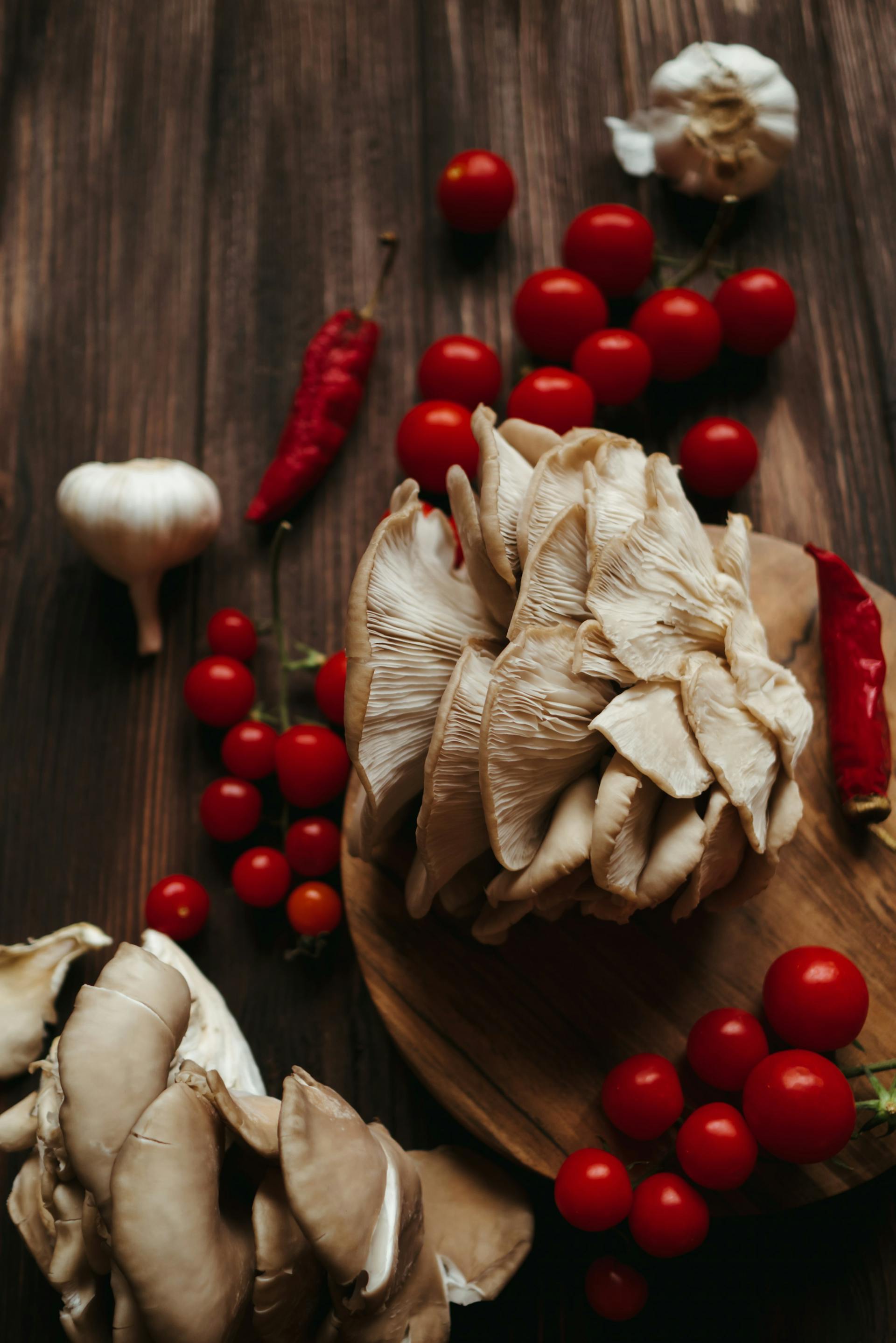
Understanding Oyster Mushrooms
Oyster mushrooms are a popular choice among mushroom enthusiasts and culinary experts due to their unique taste and versatility in dishes. Knowing how to identify them and understanding their nutritional value can help you make the most of these fungi in your kitchen.
Identifying Oyster Mushrooms
Oyster mushrooms, scientifically known as Pleurotus ostreatus, can be recognized by their distinct fan or oyster-shaped caps which usually range in size from 5 to 25 centimeters. They typically have a soft texture and a subtle, anise-like fragrance. Their colors can vary from white to different shades of brown and gray. When selecting oyster mushrooms for purchase, you should look for firm, plump bodies and avoid any with excessive moistness or discoloration, as these can be signs of spoilage.
Nutritional Value and Uses
Oyster mushrooms are not just popular for their taste; they are also lauded for their nutritional benefits. They are low in calories, fat-free, cholesterol-free, gluten-free, and very low in sodium. Moreover, they are a good source of protein, fiber, vitamins B1, B2, B3, B5, B6, vitamin D, and minerals such as iron, and potassium.
| Nutrient | Amount per 100g |
|---|---|
| Calories | 33 kcal |
| Protein | 3.31 g |
| Dietary Fiber | 2.3 g |
| Iron | 1.33 mg |
| Potassium | 420 mg |
These mushrooms are incredibly versatile and can be used in a wide range of dishes, from stir-fries and soups to pasta and risottos. They can be sautéed, grilled, roasted, or even eaten raw in salads. Due to their robust texture, oyster mushrooms hold up well to cooking and can add a meaty quality to vegetarian and vegan recipes.
For those curious about the longevity of other ingredients in the fridge, you may want to explore how long do puffball mushrooms last in the fridge or how long do cranberries last in the fridge. Understanding the shelf life of various fridge items can help you plan meals and reduce food waste.
Storing Oyster Mushrooms
Proper storage is crucial for maintaining the freshness and extending the shelf life of oyster mushrooms. When you bring these delightful fungi into your home, understanding how to store them effectively can make all the difference in preserving their quality and flavor.
The Importance of Proper Storage
Oyster mushrooms, like all fresh produce, are perishable and can spoil if not stored correctly. Improper storage leads to a quicker degradation of texture, flavor, and nutritional value. Additionally, it can cause the mushrooms to develop harmful bacteria, making them unsafe to consume. By storing your oyster mushrooms under ideal conditions, you not only enjoy them for a longer period but also reduce food waste and save money in the long run.
Ideal Conditions for Storing Mushrooms
The key to storing oyster mushrooms effectively lies in replicating conditions that slow down their natural decay process. These fungi thrive in cool, dark, and slightly humid environments. The refrigerator provides an excellent setting to achieve these conditions, but there are specific factors to consider ensuring your mushrooms stay fresh.
| Factor | Ideal Condition |
|---|---|
| Temperature | 34°F - 38°F (1°C - 3°C) |
| Humidity | 85% - 90% |
| Air Circulation | Adequate to prevent moisture buildup |
| Container | Breathable to avoid condensation |
To maintain these conditions, store your oyster mushrooms in a paper bag or wrapped in a paper towel inside a loosely closed plastic bag. This setup allows excess moisture to escape while retaining just enough humidity to keep the mushrooms from drying out. Place them in the main compartment of your refrigerator, where the temperature is most consistent.
For further insights on preserving various types of produce, explore our articles on how long do cranberries last in the fridge or how long do cherries last in the fridge. If you're looking to understand the longevity of other items in your refrigerator, such as dairy products or juices, check out our guides on how long does fresh lemon juice last in fridge or how long does mushroom sauce last in the fridge for more information.
Shelf Life of Oyster Mushrooms in the Fridge
Proper storage can significantly extend the shelf life of oyster mushrooms in your fridge. Knowing the optimal conditions for preservation is key to maintaining their freshness.
Optimal Temperature and Humidity
For the longevity of oyster mushrooms, the fridge should be set to a temperature around 34°F to 40°F (1°C to 4°C). These fungi thrive in cooler temperatures, which slow down the decomposition process. The fridge's humidity levels should also be considered; oyster mushrooms best retain their quality in environments with a humidity level of 90-95%. This high humidity helps prevent them from drying out, which can negatively affect their texture and flavor.
| Storage Factor | Optimal Condition |
|---|---|
| Temperature | 34°F - 40°F (1°C - 4°C) |
| Humidity | 90-95% |
Signs of Freshness and Spoilage
When assessing whether your oyster mushrooms are still fresh, look for a firm texture, a uniform color, and a mild, earthy smell. These characteristics indicate that the mushrooms are still in good condition and safe for consumption.
Conversely, signs of spoilage include:
- Discoloration: Any form of dark spots or significant color changes can be an indication of spoilage.
- Slimy Texture: If the mushrooms become slimy or overly soft to the touch, they are likely past their prime.
- Unpleasant Odor: A sour or foul smell emanating from the mushrooms is a clear sign that they should not be consumed.
It is crucial to perform a thorough check of your oyster mushrooms before cooking. If you notice any of the above signs of spoilage, it is best to discard them to avoid any potential health risks.
By monitoring the temperature and humidity of your fridge and by being vigilant for any signs of spoilage, you can ensure that your oyster mushrooms remain fresh and edible for as long as possible. For more information on the shelf life of other refrigerated items, explore articles such as how long do cranberries last in the fridge or how long does kohlrabi last in the fridge.
Maximizing the Lifespan of Your Oyster Mushrooms
Preserving the freshness of oyster mushrooms is pivotal to enjoying their taste and nutritional benefits for as long as possible. Proper cleaning and prepping for storage, along with best practices for refrigeration, can significantly extend the shelf life of your mushrooms.
Cleaning and Prepping for Storage
Before you store your oyster mushrooms in the fridge, it's important that they're cleaned and prepped correctly to maximize their lifespan. Begin by gently brushing off any dirt or debris using a soft-bristled brush; washing mushrooms under running water is not recommended as they can absorb moisture and become slimy. Instead, use a damp cloth to wipe the surface if necessary.
Once cleaned, trim off any parts of the stem that seem tough or dried out. It's best to store mushrooms whole as cutting them can accelerate spoilage due to increased surface area exposed to air.
| Step | Action |
|---|---|
| 1 | Gently brush off dirt |
| 2 | Wipe with a damp cloth if needed |
| 3 | Trim off tough stem ends |
| 4 | Store whole for best results |
Best Practices for Refrigeration
To ensure your oyster mushrooms maintain their quality while stored in the fridge, follow these best practices:
- Packaging: Store your mushrooms in a paper bag or wrap them in paper towels before placing them in a breathable container. This setup helps to absorb any excess moisture and keeps the mushrooms dry.
- Temperature: Maintain your refrigerator at an optimal temperature between 34°F and 40°F. This cool environment slows down the growth of bacteria and other microorganisms that cause decay.
- Air Circulation: Proper air circulation is key. Avoid overcrowding the mushrooms or placing them in the coldest corners of the fridge where they might freeze.
- Check Regularly: Inspect your mushrooms regularly for any signs of spoilage, such as discoloration or a slimy surface, and remove affected mushrooms to prevent it from spreading.
By implementing these storage methods, you can expect your oyster mushrooms to last in the fridge for up to 7 to 10 days. However, always trust your senses over a date; if the mushrooms show signs of spoilage, it's time to discard them. To learn more about the shelf life of other refrigerated items, explore our comprehensive guides, such as how long do puffball mushrooms last in the fridge and how long does mushroom sauce last in the fridge.
Remember, taking the time to store your oyster mushrooms properly will reward you with extended freshness and more opportunities to enjoy their earthy flavor and nutritional benefits.
Troubleshooting Common Issues
Encountering problems when storing oyster mushrooms in the fridge can be frustrating. Issues such as excess moisture and mold growth can spoil mushrooms, rendering them inedible. Here are some troubleshooting tips to help you preserve the freshness and extend the shelf life of your oyster mushrooms.
Dealing with Moisture and Mold
Moisture is the enemy of freshness when it comes to storing oyster mushrooms. Excess dampness can encourage mold growth and lead to a quicker deterioration of the mushrooms. To combat this, store your oyster mushrooms in a paper bag rather than plastic. Paper allows for air circulation and absorbs any excess moisture, which helps prevent mold.
If you notice condensation forming inside the bag, it's a sign that there's too much moisture. Open the bag to let some air in and remove any dampness by replacing the paper towel lining or the bag itself.
| Sign of Moisture | Action to Take |
|---|---|
| Condensation inside the bag | Open to air out, replace paper towel |
| Mushrooms feel slimy | Wipe gently with a paper towel |
| Visible mold growth | Discard affected mushrooms |
In case of mold, it's crucial to inspect all mushrooms, as mold can spread quickly. If you spot any signs of mold, such as dark spots or a musty smell, it's time to discard the affected mushrooms to prevent the mold from spreading to the rest.
When to Discard Oyster Mushrooms
Understanding when your oyster mushrooms have gone bad is key to ensuring you're consuming them when they're still safe and at their best. Here are signs to look out for:
- Slime: Mushrooms becoming slimy to the touch is a clear indicator that they're no longer fresh.
- Discoloration: Any significant changes in color, such as darkening or developing dark spots, suggest spoilage.
- Odor: Fresh oyster mushrooms have a mild, pleasant aroma. A sour or off smell is a sign that they've spoiled.
- Texture: If the mushrooms have become excessively soft or wrinkled, they've likely past their prime.
If your oyster mushrooms display any of these signs, it's best to err on the side of caution and discard them. Consuming spoiled mushrooms can lead to foodborne illness, so it's not worth the risk.
For comparison, you might be interested in learning about the shelf life of other items in your fridge. Find out how long do puffball mushrooms last in the fridge or explore the shelf life of fruits like how long do cranberries last in the fridge.
By staying vigilant and addressing moisture and mold issues promptly, you can ensure that your oyster mushrooms remain fresh and appetizing for as long as possible while stored in the fridge. Remember to regularly check for signs of spoilage and consume your mushrooms while they're still at their best quality.
Get Your Upgrade or New Addition at Fridge.com
Whether you're searching for your perfect fridge, freezer, wine fridge, beer fridge, ice maker, or kegerator, we have what you need.
Shop the world's best brands at Fridge.com.
We also have tons of awesome articles about kitchen stuff and home news. Enhance your home, garage, backyard, patio, and office with the coolest essentials. With every necessary type of residential refrigerator or freezer in our collection, we've got you covered.
Elevate your game and shop now at Fridge.com!