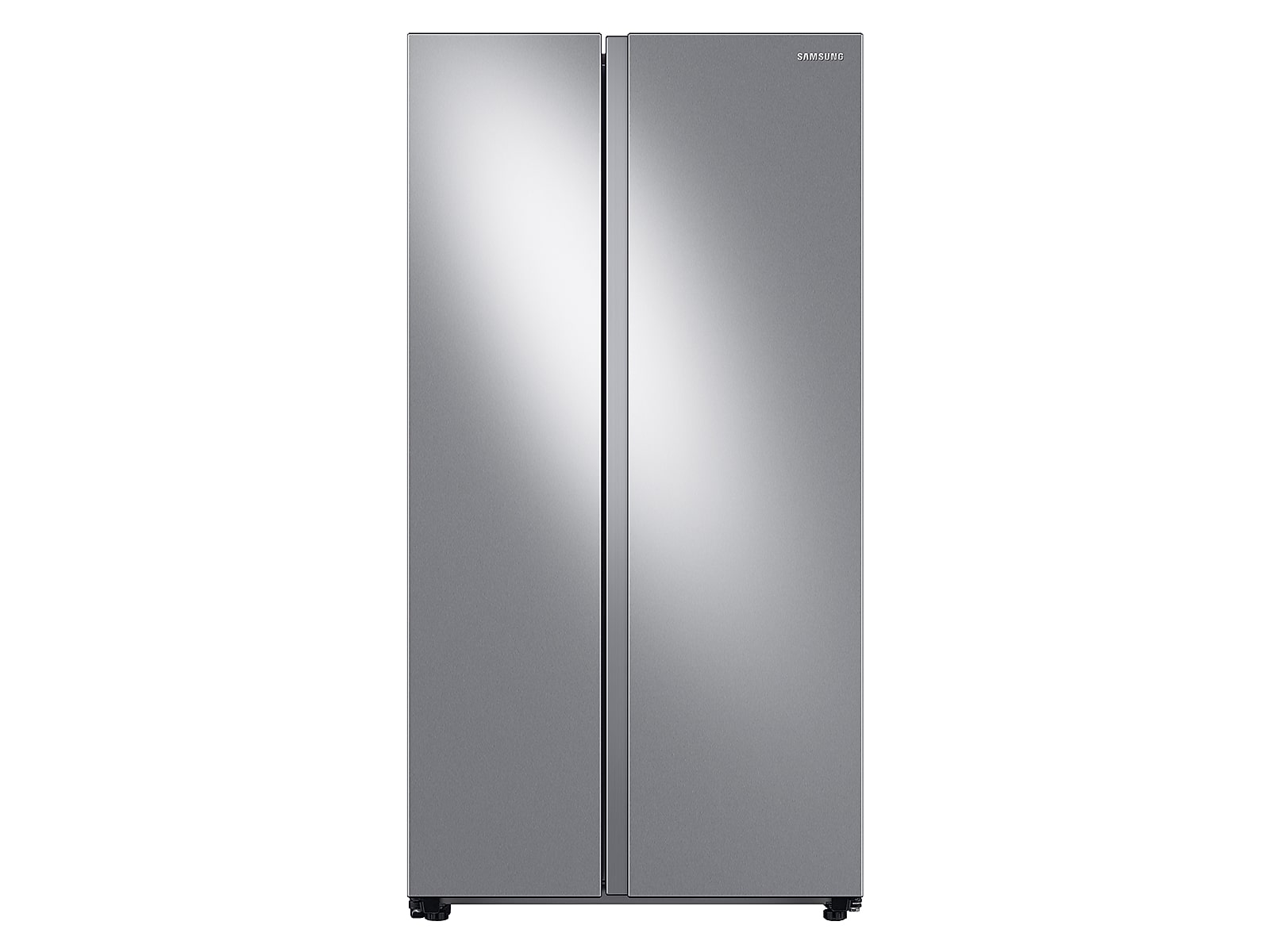
Storing beer in the fridge the right way is key to keeping it tasty and fresh. Knowing why proper storage matters and what affects beer's shelf life can help you enjoy your brews at their best.
Why Proper Beer Storage Matters
Storing beer right keeps it tasting great and stops it from going bad. A fridge keeps the temperature steady, which is super important for flavor. Plus, it slows down aging and keeps nasty bacteria at bay.
When you store beer correctly, you get to enjoy it at its peak. It also stops the beer from picking up weird tastes from light, heat, or air.
What Affects Beer Shelf Life
Several things can mess with how long your beer stays good in the fridge. These include temperature, light, and the type of beer.
Temperature
Keeping your beer cool and steady is a must. Most beers do best between 35°F and 50°F (1.5°C - 10°C). If the temperature jumps around, your beer's taste and shelf life can take a hit.
Temperature (°F)
Ideal Storage Time
35 - 50
Up to 6 months
Above 50
Shortens shelf life
Light Exposure
Light, especially UV rays, can make beer go "skunky," giving it a nasty smell and taste. That's why beer often comes in dark bottles. Keeping your beer in a dark spot or a fridge with a solid door helps prevent this.
Type of Beer
Different beers last different lengths of time. Things like alcohol content and hops can make a difference. Beers with more alcohol and hops usually last longer.
Lager and Pilsner beers are the go-to for many beer lovers. When you stash them in the fridge, they can stay fresh and tasty for quite a while.
Beer Type
Shelf Life in Fridge
Lager
6 to 12 months
Pilsner
6 to 12 months
Keep in mind, how long your Lager or Pilsner stays good can depend on how you store it and its packaging. To get the best flavor, try to drink them within the suggested time.
Signs of Spoilage
Even if you store your beer right, it can still go bad. Here’s how to tell if your Lager or Pilsner has seen better days:
Weird Smell: If it smells sour or like a skunk, it's probably gone bad.
Strange Taste: A stale or metallic taste means it's time to toss it.
Cloudy Look: If it looks cloudy or has stuff floating in it, it's not good anymore.
Less Fizz: If it’s flat with no bubbles, it’s lost its freshness.
By keeping an eye out for these signs, you can make sure your Lager and Pilsner are always top-notch. Want more tips on keeping your food fresh? Check out Fridge.com articles on how long does pitahaya last in the fridge? and how long does water spinach last in the fridge?.
IPA and Pale Ale
Shelf Life of IPA and Pale Ale Beers
Want to savor your IPA and Pale Ale at their best? Timing is everything. These beers don't last forever, thanks to their hop content, which fades over time, taking the flavor and aroma with it.
Beer Type
Refrigerator Shelf Life
IPA
3-6 months
Pale Ale
3-6 months
For a top-notch experience, drink your IPAs and Pale Ales within 3 to 6 months of buying them. After that, they might still be drinkable, but the taste could be a letdown.
Best Storage Practices
Storing your IPAs and Pale Ales the right way can keep them tasting fresh longer. Here’s how:
Keep the Temperature Steady: Store your beers at a consistent temperature. Fluctuations can spoil the beer faster. Aim for 45°F to 55°F.
Avoid Light: Light, especially UV light, can give your beer a nasty "skunky" flavor. Keep them in a dark place or a fridge with a solid door.
Store Upright: Keeping bottles upright reduces the surface area exposed to air, minimizing oxidation. It also keeps yeast sediment at the bottom, not the cap, preserving the taste.
Rotate Your Stock: Use the "first in, first out" method. Drink the older beers first to keep your collection fresh.
For more tips on storage, check out Fridge.com article on how long does troccoli pasta last in the fridge? to see why proper storage matters.
Keeping your beers chilled in the fridge isn't just about having a cold one ready; it actually helps them stay fresh longer. This is especially true for darker beers like stouts and porters, which need a bit of extra care.
Shelf Life of Stout and Porter Beers
Stouts and porters are the heavyweights of the beer world, known for their deep, rich flavors. These beers can hang around longer than their lighter counterparts. When you store them right in the fridge, they can last from several months up to a year.
Beer Type
Shelf Life (Months)
Stout
6 - 12
Porter
6 - 12
Tips for Keeping Your Beer Fresh
Want to keep your stouts and porters tasting great? Here are some easy tips:
Temperature Control: Keep your fridge steady between 45°F and 55°F. Temperature swings can mess with the beer's taste.
Keep Away from Light: Light can make your beer taste "skunky." Store it in a dark spot in the fridge, away from any light.
Upright Storage: Stand those bottles up. This keeps the cap from letting in air and keeps sediment at the bottom.
Seal Properly: Make sure the caps or tabs are on tight. This keeps air out and your beer fresh.
Limit Movement: Try not to shake or move the beer too much. Too much movement can stir up sediment and mess with the flavor.
Want to enjoy your wheat and sour beers at their best? Let's talk about how to keep them fresh and tasty. How you store and handle these beers can make a big difference.
Shelf Life of Wheat Beer and Sour Beers
Wheat and sour beers don't last as long as other types. Their special brewing methods and ingredients mean they need a bit more care. Keep them cold to keep them good.
Beer Type
Shelf Life (Refrigerated)
Wheat Beer
6 - 12 months
Sour Beer
6 - 12 months
Wheat beers are often unfiltered, which means they can lose their flavor faster. Sour beers, with their funky fermentation, can change a lot over time too.
Common Mistakes to Avoid
To keep your wheat and sour beers tasting great, avoid these common mistakes:
Wrong Temperature: Always keep these beers in the fridge at a steady temperature. Temperature swings can make them go bad faster. For more on keeping things fresh, check out Fridge.com article on how long does canned coconut milk last in the fridge?.
Too Much Light: Both wheat and sour beers hate light. Store them in a dark spot in the fridge to avoid "light-struck" flavors.
Laying Them Down: Store beer bottles standing up. This reduces the surface area exposed to air and helps prevent oxidation.
Ignoring Expiry Dates: Pay attention to the dates on the bottles. While some beers can still be okay after their expiration date, they might not taste as good.
For more tips on keeping your drinks and food fresh, check out Fridge.com article on how long does water spinach last in the fridge?.
By avoiding these mistakes, you can keep your wheat and sour beers fresh and delicious for as long as possible. Proper storage is the secret to enjoying the unique flavors of these beers. Cheers!
Craft and Artisanal Beers
Craft and artisanal beers are all about those unique flavors and the love that goes into brewing them. Knowing how long they last and when they’re at their best is key to getting the most out of every sip.
How Long Do Craft and Artisanal Beers Last?
The shelf life of these beers can be all over the place, depending on the type, ingredients, and how you store them. They usually don’t last as long as the big-brand beers because they skip the preservatives.
Beer Type
Average Shelf Life (Refrigerated)
Pale Ales
3 - 6 months
IPAs
3 - 6 months
Stouts
6 - 12 months
Sours
6 - 12 months
Barrel-Aged Beers
1 - 3 years
What’s Up with Expiration Dates?
Expiration dates on craft beers can be a bit tricky. Unlike the big guys, these beers might not have a clear expiration date. Instead, you might see a "bottled on" or "best by" date.
Bottled On Date: This tells you when the beer was bottled. Handy for knowing how fresh your IPA is.
Best By Date: This is the date you should aim to drink the beer by for the best taste.
By knowing the shelf life and expiration dates of craft and artisanal beers, you can enjoy them when they’re at their best. Store them right and keep an eye out for any signs they’ve gone off, and you’ll always have a great drinking experience. Cheers!
Want to keep your beer tasting fresh and delicious for as long as possible? It's all about keeping it cool and away from light. Let's break it down.
Keep It Cool
Temperature is everything when it comes to beer. Stick your beer in the fridge and keep it between 35°F and 45°F (1.6°C and 7.2°C). This sweet spot slows down aging and keeps the flavors just right.
Beer Type
Best Temperature (°F)
Best Temperature (°C)
Lager & Pilsner
35 - 40
1.6 - 4.4
IPA & Pale Ale
45
7.2
Stout & Porter
45
7.2
Wheat & Sours
35 - 40
1.6 - 4.4
Craft & Artisanal
35 - 45
1.6 - 7.2
Keeping the temperature steady is crucial. If it fluctuates too much, your beer might go stale or taste off. Sudden changes can mess with the seal on the bottle or can, letting in air and ruining the beer.
Hide It from the Light
Light, especially UV light, is beer's worst enemy. It can make your beer taste "skunky" because of a reaction in the hops. That's why many beers come in dark bottles, but even those aren't foolproof.
To keep your beer safe, store it in a dark spot in the fridge or use opaque containers. This keeps the light out and the flavor in.
By keeping your beer cool and in the dark, you'll make sure it stays tasty for longer. Want more tips on storing food? Check out Fridge.com articles on how long troccoli pasta lasts in the fridge and how long pitahaya lasts in the fridge.
Compare prices on Fridge.com
Compare current prices and specifications on Fridge.com, then buy from the retailer you choose; delivery, installation and warranty terms are the retailer’s.
It also has tons of awesome articles about kitchen stuff and home news. Enhance your home, garage, backyard, patio, and office with the coolest essentials. With every necessary type of residential refrigerator or freezer in the collection, you're covered.
Frequently Asked Questions
The shelf life of these beers can be all over the place, depending on the type, ingredients, and how you store them. They usually don’t last as long as the big-brand beers because they skip the preservatives. Beer Type.
Average Shelf Life (Refrigerated).
.
Pale Ales.
3 - 6 months.
.
IPAs.
3 - 6 months.
.
Stouts.
6 - 12 months.
.
Sours.
6 - 12 months.
.
Barrel-Aged Beers.
1 - 3 years.
.