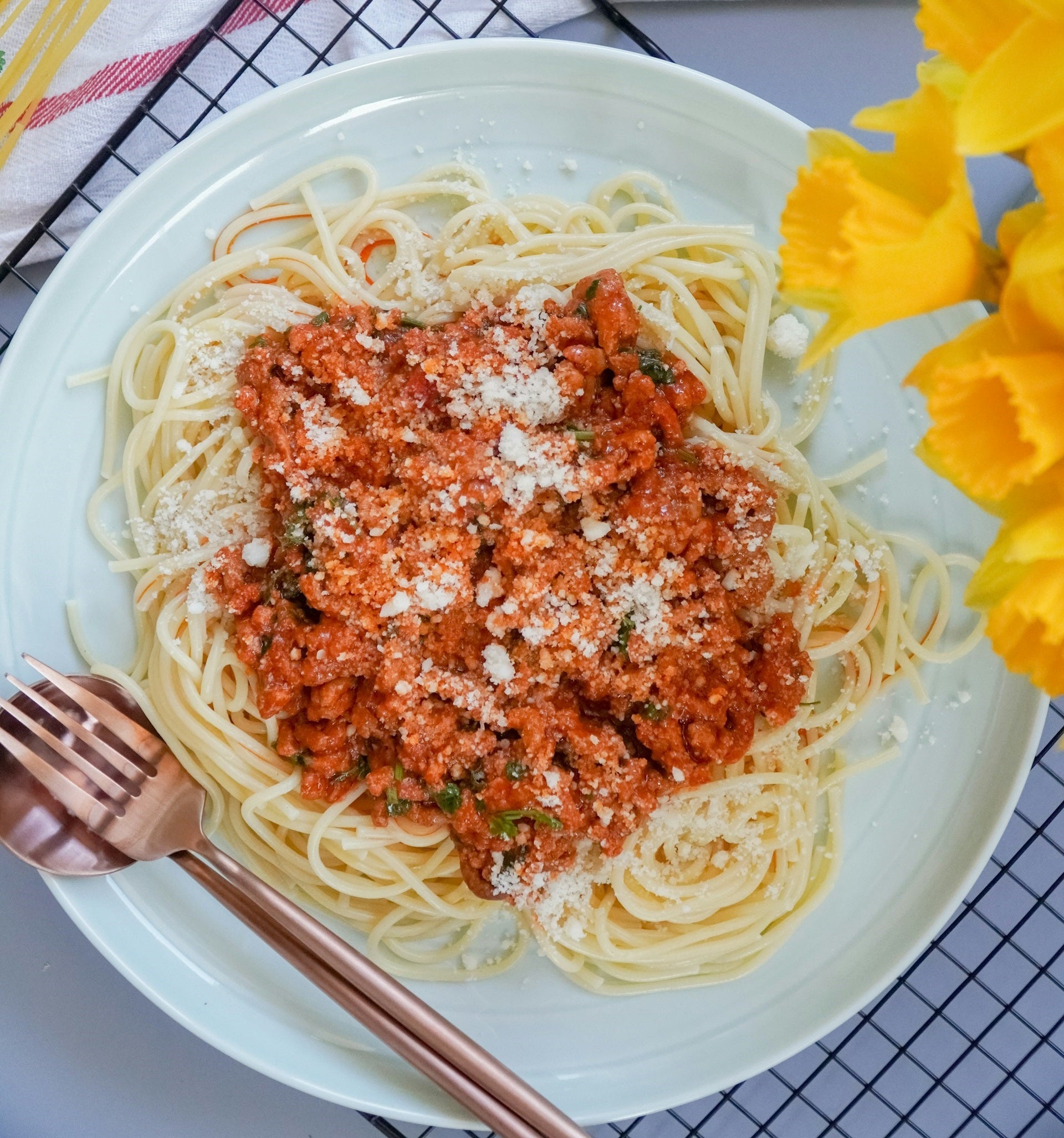
How Long Cooked Spaghetti Last In The Fridge?
Storing Cooked Spaghetti
Proper storage of cooked spaghetti is essential to maintain its quality and prevent spoilage. This section will cover why storing your spaghetti correctly is important and how long it can last in the fridge.
Importance of Proper Storage
Storing cooked spaghetti correctly ensures it remains safe to eat and retains its texture and flavor. Improper storage can lead to bacterial growth, which can cause foodborne illnesses. Using airtight containers and refrigerating promptly can help maintain the quality of your spaghetti.
How Long Can Cooked Spaghetti Last in the Fridge?
Cooked spaghetti, when stored in an airtight container, can last in the fridge for up to five days. However, to ensure the best quality and safety, it is recommended to consume it within three to four days.
| Storage Condition | Duration (Days) |
|---|---|
| Airtight Container in Fridge | 3 - 5 |
For more information on storing various foods in the fridge, you might find these articles helpful:
By following these guidelines, you can enjoy your leftover spaghetti without worrying about spoilage or foodborne illnesses.
Factors Affecting Storage
Initial Storage Conditions
The initial storage conditions of cooked spaghetti play a crucial role in determining how long it will last in the fridge. Properly cooling the spaghetti before refrigerating is essential. Hot spaghetti placed directly in the fridge can raise the appliance's temperature, potentially leading to bacterial growth. To avoid this, allow the cooked spaghetti to cool to room temperature before transferring it to the fridge.
Quality of the Spaghetti
The quality of the cooked spaghetti also affects its shelf life. Freshly cooked and well-prepared spaghetti will last longer compared to spaghetti that is overcooked or left out for an extended period before refrigeration. Additionally, spaghetti mixed with sauces or other ingredients may have a shorter shelf life due to the varying perishability of the added components.
| Spaghetti Quality | Expected Shelf Life in Fridge |
|---|---|
| Freshly Cooked | 3-5 days |
| Mixed with Sauce | 2-3 days |
Temperature of the Fridge
The temperature of your fridge is another critical factor. To ensure the longevity of cooked spaghetti, the fridge should be maintained at a temperature of 40°F (4°C) or lower. Consistently monitoring and adjusting the fridge temperature can help in preventing spoilage.
| Fridge Temperature | Shelf Life of Cooked Spaghetti |
|---|---|
| 35°F (1.6°C) | 5-7 days |
| 40°F (4°C) | 3-5 days |
| 45°F (7.2°C) | 2-3 days |
By understanding these factors, you can better manage the storage of cooked spaghetti and enjoy it safely. For more information on storing other foods, check out our articles on how long can raw meat last in the fridge? and how long can raw shrimp be in the fridge?.
Signs of Spoilage
Knowing the signs of spoilage is essential to ensure that your cooked spaghetti is safe to eat. Spoiled spaghetti can pose health risks, so it's important to recognize the indicators that it has gone bad.
Visual Changes
One of the first signs of spoilage in cooked spaghetti is a change in appearance. Fresh spaghetti should have a consistent color and texture. Spoiled spaghetti may develop mold spots or discoloration.
| Indicator | Fresh Spaghetti | Spoiled Spaghetti |
|---|---|---|
| Color | Consistent | Discolored, mold spots |
| Texture | Smooth | Slimy, sticky |
Smell Test
Your sense of smell is a reliable tool for detecting spoilage. Fresh cooked spaghetti has a neutral or slightly savory aroma. If it emits a sour, rancid, or otherwise off-putting smell, it is likely spoiled and should be discarded.
Texture Changes
Texture is another critical factor. Fresh spaghetti should feel firm and smooth. Spoiled spaghetti may become slimy or sticky to the touch. These textural changes indicate bacterial growth, which can make the food unsafe to eat.
By regularly checking for these signs of spoilage, you can ensure that your cooked spaghetti remains safe for consumption. For more information on how long different foods can last in the fridge, check out our articles on how long can you keep rice in the fridge and how long can you keep soup in the fridge.
Safe Storage Practices
Proper storage of cooked spaghetti in the fridge is essential to maintain its quality and safety. Following these practices will help extend its shelf life and prevent spoilage.
Transferring Spaghetti to Containers
After cooking, it's crucial to transfer the spaghetti into appropriate storage containers. Use containers that are clean and dry. Opt for airtight containers to prevent exposure to air and moisture, which can accelerate spoilage. Make sure the spaghetti has cooled to room temperature before sealing it in the container to prevent condensation, which can lead to bacterial growth.
Proper Sealing Techniques
Sealing your spaghetti properly is vital to maintain its freshness. Use airtight containers with secure lids. Alternatively, you can use resealable plastic bags, ensuring that all excess air is squeezed out before sealing. Properly sealed containers prevent air from entering, reducing the risk of spoilage and extending the shelf life of your spaghetti.
Refrigerator Placement
Where you place your spaghetti in the fridge also affects its longevity. Store the containers in the main compartment of the fridge, where the temperature is most consistent. Avoid placing the spaghetti near the fridge door, as this area experiences more temperature fluctuations. Keeping it in the back of the fridge will ensure it remains at a stable, cold temperature, reducing the risk of spoilage.
For additional guidance on storing other types of food, you may find these articles helpful:
- how long can raw fish last in the fridge?
- how long can you keep soup in the fridge?
- how long can you keep rice in the fridge?
By following these safe storage practices, you can ensure that your cooked spaghetti remains fresh and safe to eat for a longer period.
Reheating Cooked Spaghetti
When it comes to reheating cooked spaghetti, there are several methods you can use to bring your pasta back to life. Each method has its own benefits and can be chosen based on your preferences and available equipment.
Microwave Method
Reheating spaghetti in the microwave is a quick and convenient option. Here's how you can do it:
- Place your spaghetti in a microwave-safe dish.
- Add a splash of water or sauce to keep it moist.
- Cover the dish with a microwave-safe lid or plastic wrap.
- Heat on medium power for 1-2 minutes.
- Stir the spaghetti and continue heating in 30-second intervals until thoroughly heated.
Using the microwave method is perfect for when you're in a hurry and need a speedy meal. For more tips on properly reheating food, check out our article on how long can you keep food in the fridge.
Stovetop Method
Reheating spaghetti on the stovetop is another effective way to enjoy your pasta without losing its texture:
- Place a skillet or saucepan on medium heat.
- Add a small amount of water or sauce to the pan.
- Add the spaghetti to the pan and cover with a lid.
- Stir occasionally to evenly distribute the heat.
- Cook for about 5-7 minutes or until the spaghetti is heated through.
This method ensures that your spaghetti remains tender and evenly heated. It's also a great way to incorporate additional ingredients like vegetables or protein.
Oven Method
Reheating spaghetti in the oven is ideal if you have a larger quantity or prefer a baked texture:
- Preheat your oven to 350°F (175°C).
- Place the spaghetti in an oven-safe dish.
- Add a bit of sauce or water to keep it from drying out.
- Cover the dish with aluminum foil.
- Bake for 20-30 minutes or until thoroughly heated.
The oven method is perfect for when you want to achieve a more uniform heat and possibly a crispy top layer. It's a great option for family meals or entertaining guests.
Each reheating method offers different advantages, so choose the one that best suits your needs and preferences. By following these steps, you can enjoy your leftover spaghetti just as much as when it was freshly cooked. For additional food safety tips, visit our article on how long cooked chicken breast in the fridge.
Creative Leftover Ideas
If you find yourself with leftover cooked spaghetti, don't worry. There are plenty of creative ways to repurpose it into delicious new dishes. Here are three inventive recipes to try: Spaghetti Stir-Fry, Spaghetti Frittata, and Spaghetti Casserole.
Spaghetti Stir-Fry
Transform your leftover spaghetti into a quick and easy stir-fry. This dish is perfect for a weeknight dinner and allows you to incorporate various vegetables and proteins.
Ingredients:
- Leftover spaghetti
- Vegetables (bell peppers, carrots, broccoli, etc.)
- Protein (chicken, shrimp, tofu)
- Soy sauce
- Garlic
- Olive oil
Instructions:
- Heat olive oil in a large skillet over medium heat.
- Add minced garlic and sauté until fragrant.
- Add your choice of vegetables and protein, cooking until they are tender.
- Add the leftover spaghetti and toss with soy sauce to coat evenly.
- Stir-fry for a few minutes until the spaghetti is heated through.
Spaghetti Frittata
Spaghetti Frittata is a great way to make use of leftover pasta while creating a hearty breakfast or brunch dish.
Ingredients:
- Leftover spaghetti
- Eggs
- Parmesan cheese
- Salt and pepper
- Olive oil
Instructions:
- Preheat your oven to 375°F (190°C).
- In a large bowl, whisk together eggs, Parmesan cheese, salt, and pepper.
- Add the leftover spaghetti to the egg mixture and mix until well combined.
- Heat olive oil in an oven-safe skillet over medium heat.
- Pour the spaghetti-egg mixture into the skillet and cook until the edges start to set.
- Transfer the skillet to the oven and bake for 15-20 minutes, or until the frittata is fully cooked.
Spaghetti Casserole
Spaghetti Casserole is a comforting dish that can be prepared ahead of time and baked when needed.
Ingredients:
- Leftover spaghetti
- Marinara sauce
- Mozzarella cheese
- Parmesan cheese
- Italian seasoning
Instructions:
- Preheat your oven to 350°F (175°C).
- In a large bowl, combine leftover spaghetti with marinara sauce.
- Transfer the spaghetti mixture to a baking dish.
- Sprinkle mozzarella and Parmesan cheese over the top.
- Sprinkle with Italian seasoning.
- Bake in the oven for 20-25 minutes, or until the cheese is melted and bubbly.
By using these creative leftover ideas, you can make the most of your cooked spaghetti and enjoy delicious meals. For more information on safe food storage practices, check out our article on how long can you keep food in the fridge?.
Food Safety Tips
Avoiding Cross-Contamination
Cross-contamination is a common cause of foodborne illnesses. When storing cooked spaghetti in the fridge, it's important to keep it separate from raw foods like meat or fish. Use airtight containers to prevent juices or bacteria from other foods from coming into contact with your spaghetti. Additionally, always use clean utensils and surfaces when handling cooked spaghetti to minimize the risk of contamination.
Proper Hygiene Practices
Maintaining proper hygiene is crucial when handling and storing cooked spaghetti. Always wash your hands thoroughly with soap and water before and after handling food. Clean all kitchen surfaces and utensils before and after use to prevent the spread of bacteria. Using clean containers and utensils will help ensure your spaghetti remains safe to eat.
Understanding Use-By Dates
Understanding use-by dates is essential for food safety. Cooked spaghetti can generally last in the fridge for 3 to 5 days when stored properly. However, it's important to check for any signs of spoilage before consuming. Refer to the table below for a quick reference on how long different types of cooked foods can last in the fridge:
| Food Type | Refrigerator (40°F or below) |
|---|---|
| Cooked Spaghetti | 3-5 days |
| Cooked Chicken | 3-4 days |
| Cooked Beef | 3-4 days |
| Cooked Vegetables | 3-5 days |
For more information on how long various foods can last in the fridge, check out our articles on how long can raw fish last in the fridge? and how long can you keep rice in the fridge?.
By following these food safety tips, you can enjoy your cooked spaghetti without worrying about foodborne illnesses. Make sure to store it properly, maintain good hygiene, and be aware of use-by dates. For more tips on food storage, visit our article on how long can you keep food in the fridge?.
Get Your Upgrade or New Addition at Fridge.com
Whether you're searching for your perfect fridge, freezer, wine fridge, beer fridge, ice maker, or kegerator, we have what you need.
Shop the world's best brands at Fridge.com.
We also have tons of awesome articles about kitchen stuff and home news. Enhance your home, garage, backyard, patio, and office with the coolest essentials. With every necessary type of residential refrigerator or freezer in our collection, we've got you covered.
Elevate your game and shop now at Fridge.com!