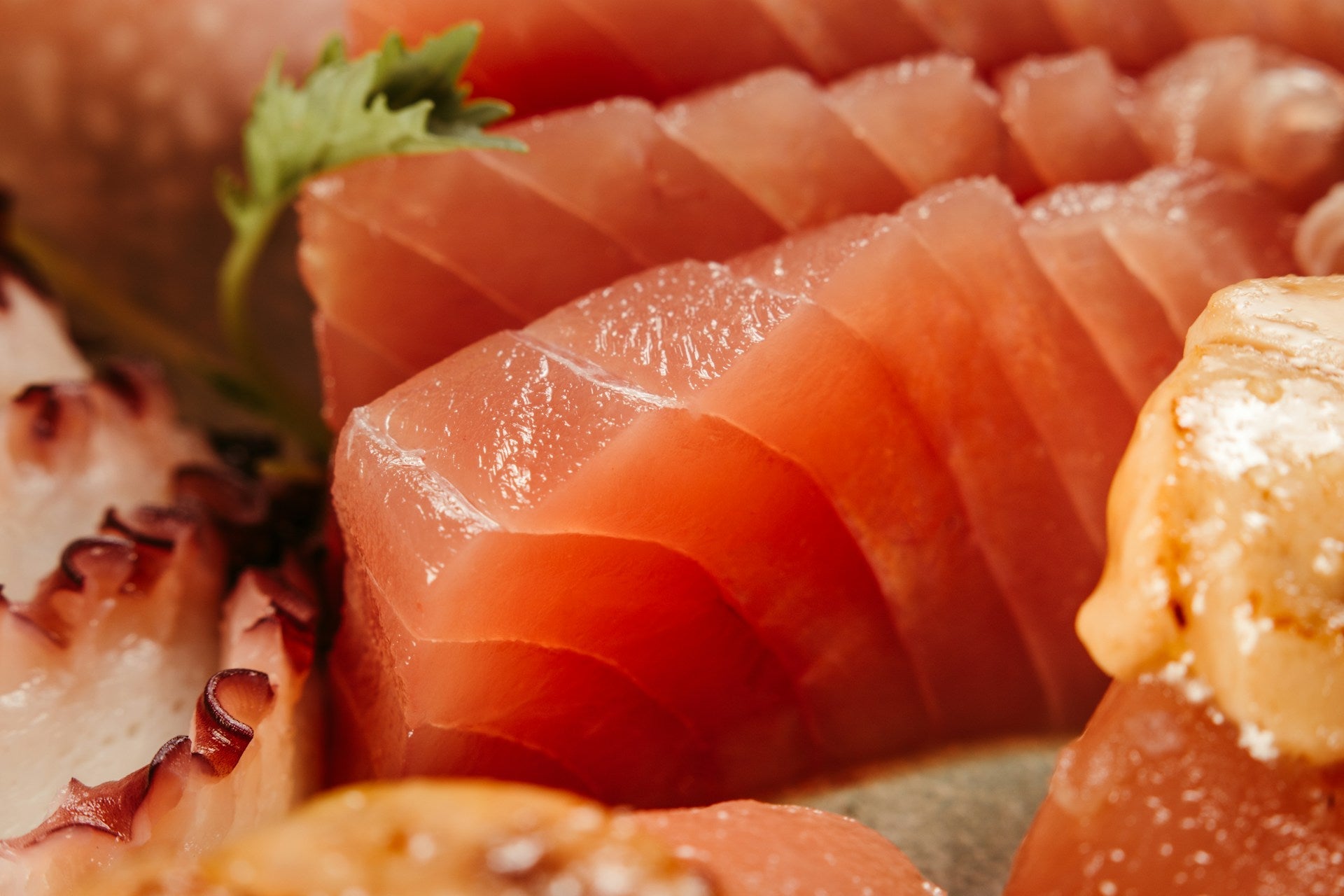
Storing Tuna in the Fridge
Understanding the Shelf Life of Tuna
Tuna is a popular choice for many meals, but knowing how long it can be stored in the fridge is crucial to ensure it remains fresh and safe to eat. The shelf life of tuna varies based on its form—whether it's fresh, cooked, or canned.
| Type of Tuna | Refrigerator Shelf Life |
|---|---|
| Fresh Tuna (whole, steaks, fillets) | 1-2 days |
| Cooked Tuna Dishes | 3-4 days |
| Unopened Canned Tuna | Up to expiration date |
| Opened Canned Tuna | 3-4 days |
For more information on storing raw seafood, check out our article on how long can raw fish last in the fridge?.
Factors Affecting Tuna Storage
Several factors influence how long tuna can be stored in the fridge:
- Temperature: Keeping your fridge at a consistent temperature of 40°F (4°C) or below is essential for preserving the freshness of tuna.
- Packaging: Properly sealing tuna in airtight containers or wrapping it tightly in plastic wrap or aluminum foil helps prevent exposure to air and moisture, which can lead to spoilage.
- Freshness at Purchase: The initial freshness of the tuna when purchased plays a significant role in its shelf life. Always check the sell-by date and ensure the fish looks and smells fresh.
- Cross-contamination: Storing tuna away from raw meats and other potential contaminants in the fridge can reduce the risk of bacterial growth.
For more tips on storing various types of meat, visit our articles on how long can raw meat last in the fridge? and how long can raw pork stay in the fridge?.
By understanding these factors and following proper storage guidelines, you can maximize the shelf life of your tuna and enjoy it safely. For additional information on keeping other foods fresh, see our guides on how long can you keep food in the fridge? and how long can you keep meat in the fridge?.
Fresh Tuna in the Fridge
When storing fresh tuna in the fridge, it’s important to understand how long each type can be safely kept. Here’s a breakdown of storage times for whole fresh tuna, tuna steaks, and tuna fillets.
Whole Fresh Tuna
Whole fresh tuna has a shorter shelf life compared to other forms. Keeping the tuna at a consistent temperature of 32°F - 39°F (0°C - 4°C) is crucial for maintaining its freshness.
| Storage Type | Temperature | Duration |
|---|---|---|
| Whole Fresh Tuna | 32°F - 39°F (0°C - 4°C) | 1-2 days |
For extended storage, consider freezing the whole fresh tuna. For more details on storing raw fish, visit our article on how long can raw fish last in the fridge?.
Fresh Tuna Steaks
Fresh tuna steaks can be kept in the fridge for a slightly longer period. Proper storage includes placing the steaks in an airtight container or wrapping them tightly in plastic wrap.
| Storage Type | Temperature | Duration |
|---|---|---|
| Fresh Tuna Steaks | 32°F - 39°F (0°C - 4°C) | 2-3 days |
Always inspect the tuna steaks for any signs of spoilage before use. For safe handling practices, refer to our article on how long can raw meat stay in the fridge?.
Fresh Tuna Fillets
Fresh tuna fillets, similar to steaks, should be stored in the fridge with care. Use an airtight container or tightly wrap the fillets to prevent exposure to air and contaminants.
| Storage Type | Temperature | Duration |
|---|---|---|
| Fresh Tuna Fillets | 32°F - 39°F (0°C - 4°C) | 2-3 days |
Maintaining the correct temperature is key to preserving the quality of the tuna fillets. For tips on prolonging the freshness of raw meat, check out our article on how long can raw meat last in the fridge?.
By following these guidelines, you can ensure that your fresh tuna remains safe to eat and retains its quality while stored in the fridge. Remember to always prioritize food safety and inspect your tuna before consumption.
Cooked Tuna Dishes
When it comes to storing cooked tuna dishes in the fridge, understanding the appropriate time frames and conditions for safe storage is crucial. In this section, we will look at three popular cooked tuna dishes: cooked tuna salad, tuna casseroles, and tuna pasta dishes.
Cooked Tuna Salad
Cooked tuna salad is a versatile and popular dish. Typically, you can keep cooked tuna salad in the refrigerator for up to 3-4 days. It's essential to store it in an airtight container to maintain freshness and prevent contamination.
| Dish | Refrigeration Time |
|---|---|
| Cooked Tuna Salad | 3-4 days |
For additional tips on prolonging the freshness of your cooked tuna salad, refer to our section on properly storing tuna.
Tuna Casseroles
Tuna casseroles are a hearty and satisfying dish. When properly stored, you can keep tuna casseroles in the fridge for up to 3-4 days. Ensure the casserole is placed in an airtight container or covered tightly with plastic wrap or aluminum foil to maintain its quality.
| Dish | Refrigeration Time |
|---|---|
| Tuna Casserole | 3-4 days |
For more information on safe handling practices, visit our section on safe handling practices.
Tuna Pasta Dishes
Tuna pasta dishes combine the goodness of tuna with the comfort of pasta. These dishes can also be stored in the refrigerator for up to 3-4 days. As with other cooked tuna dishes, use an airtight container to prevent spoilage and keep the dish fresh.
| Dish | Refrigeration Time |
|---|---|
| Tuna Pasta Dish | 3-4 days |
If you're curious about how long other types of cooked dishes can last in the fridge, check out our article on how long cooked spaghetti last in the fridge.
By following these guidelines, you can enjoy your cooked tuna dishes while ensuring they remain safe to eat. Always keep an eye out for signs of spoilage and practice proper storage methods to maximize the shelf life of your tuna-based meals.
Canned Tuna in the Fridge
Canned tuna is a convenient and versatile pantry staple. Knowing how to properly store it ensures that it remains fresh and safe to eat. Here’s what you need to know about storing unopened and opened canned tuna in the fridge.
Unopened Canned Tuna
Unopened canned tuna has a long shelf life and does not need to be refrigerated until it is opened. You can store unopened cans in a cool, dry place, such as a pantry or cupboard.
| Storage Condition | Shelf Life |
|---|---|
| Pantry (Unopened) | Up to 3-5 years |
| Fridge (Unopened) | Not necessary |
Opened Canned Tuna
Once you’ve opened a can of tuna, it’s crucial to store it correctly to prevent spoilage. Transfer the tuna to an airtight container before placing it in the fridge. Opened canned tuna should be consumed within a few days to ensure freshness and safety.
| Storage Condition | Shelf Life |
|---|---|
| Fridge (Opened) | 3-4 days |
For more tips on safely storing and handling various types of fish, you can check out our articles on how long can raw fish last in the fridge? and how long can raw salmon be in the fridge?.
Understanding these storage guidelines helps you keep your tuna fresh and safe, reducing the risk of foodborne illnesses. For other food storage tips, consider reading our articles on how long can you keep food in the fridge? and how long can you keep meat in the fridge?.
Signs of Spoiled Tuna
Knowing when your tuna has gone bad is essential to avoid foodborne illnesses. Here are some key indicators to look for:
Visual Changes
Spoiled tuna often shows visible signs of deterioration. Fresh tuna should have a vibrant color, typically pink or red. If the tuna appears dull, brown, or has greenish patches, it's a sign that the fish is no longer safe to eat.
| Fresh Tuna | Spoiled Tuna |
|---|---|
| Pink/Red | Brown/Greenish |
| Clear Liquid | Cloudy Liquid |
Smell Test
The smell of tuna can be a clear indicator of its freshness. Fresh tuna has a mild, ocean-like scent. If the tuna emits a strong, sour, or ammonia-like odor, it is likely spoiled and should be discarded.
Texture Changes
The texture of tuna can also reveal its freshness. Fresh tuna is firm to the touch. If the tuna feels slimy, mushy, or sticky, it is a sign of spoilage.
| Fresh Tuna | Spoiled Tuna |
|---|---|
| Firm | Mushy/Sticky |
| Moist | Slimy |
By understanding the visual, olfactory, and textural signs of spoiled tuna, you can ensure that you are consuming safe and fresh fish. For more information on how long different types of food can be stored, check out our articles on how long can raw fish last in the fridge? and how long can raw meat last in the fridge?.
Properly Storing Tuna
Tips for Prolonging Tuna Freshness
To keep tuna fresh in your refrigerator, follow these practical tips. Proper storage can significantly extend the shelf life of both fresh and cooked tuna.
1. Store at the Right Temperature
- Keep your fridge at a consistent temperature of 32°F to 39°F (0°C to 4°C).
2. Use Airtight Containers
- Place tuna in airtight containers or wrap it tightly in plastic wrap or aluminum foil to prevent exposure to air.
3. Label and Date
- Label your containers with the date of storage to keep track of freshness.
4. Use Within the Recommended Time Frame
- Fresh tuna should be used within 1-2 days.
- Cooked tuna dishes can be stored for 3-4 days.
- Opened canned tuna should be used within 2-3 days.
| Tuna Type | Refrigerator Shelf Life |
|---|---|
| Fresh Tuna | 1-2 days |
| Cooked Tuna Dishes | 3-4 days |
| Opened Canned Tuna | 2-3 days |
Safe Handling Practices
Following safe handling practices is essential to prevent spoilage and ensure food safety.
1. Clean Hands and Surfaces
- Wash your hands thoroughly before and after handling tuna.
- Clean all surfaces and utensils with hot, soapy water.
2. Prompt Refrigeration
- Refrigerate tuna immediately after purchase or preparation. Avoid leaving it at room temperature for more than 2 hours.
3. Avoid Cross-Contamination
- Store tuna away from raw meat, poultry, and other seafood to prevent cross-contamination.
4. Use Proper Thawing Techniques
- Thaw frozen tuna in the refrigerator, not at room temperature. For more information on thawing methods, see how long can you thaw meat in the fridge?.
5. Monitor for Spoilage
- Regularly check for signs of spoilage, such as changes in color, smell, or texture. For detailed signs of spoiled tuna, see our section on Signs of Spoiled Tuna.
By following these tips and practices, you can ensure that your tuna stays fresh and safe to eat. For additional information on storing other types of food, visit our articles on how long can raw fish last in the fridge? and how long can you keep meat in the fridge?.
Get Your Upgrade or New Addition at Fridge.com
Whether you're searching for your perfect fridge, freezer, wine fridge, beer fridge, ice maker, or kegerator, we have what you need.
Shop the world's best brands at Fridge.com.
We also have tons of awesome articles about kitchen stuff and home news. Enhance your home, garage, backyard, patio, and office with the coolest essentials. With every necessary type of residential refrigerator or freezer in our collection, we've got you covered.
Elevate your game and shop now at Fridge.com!