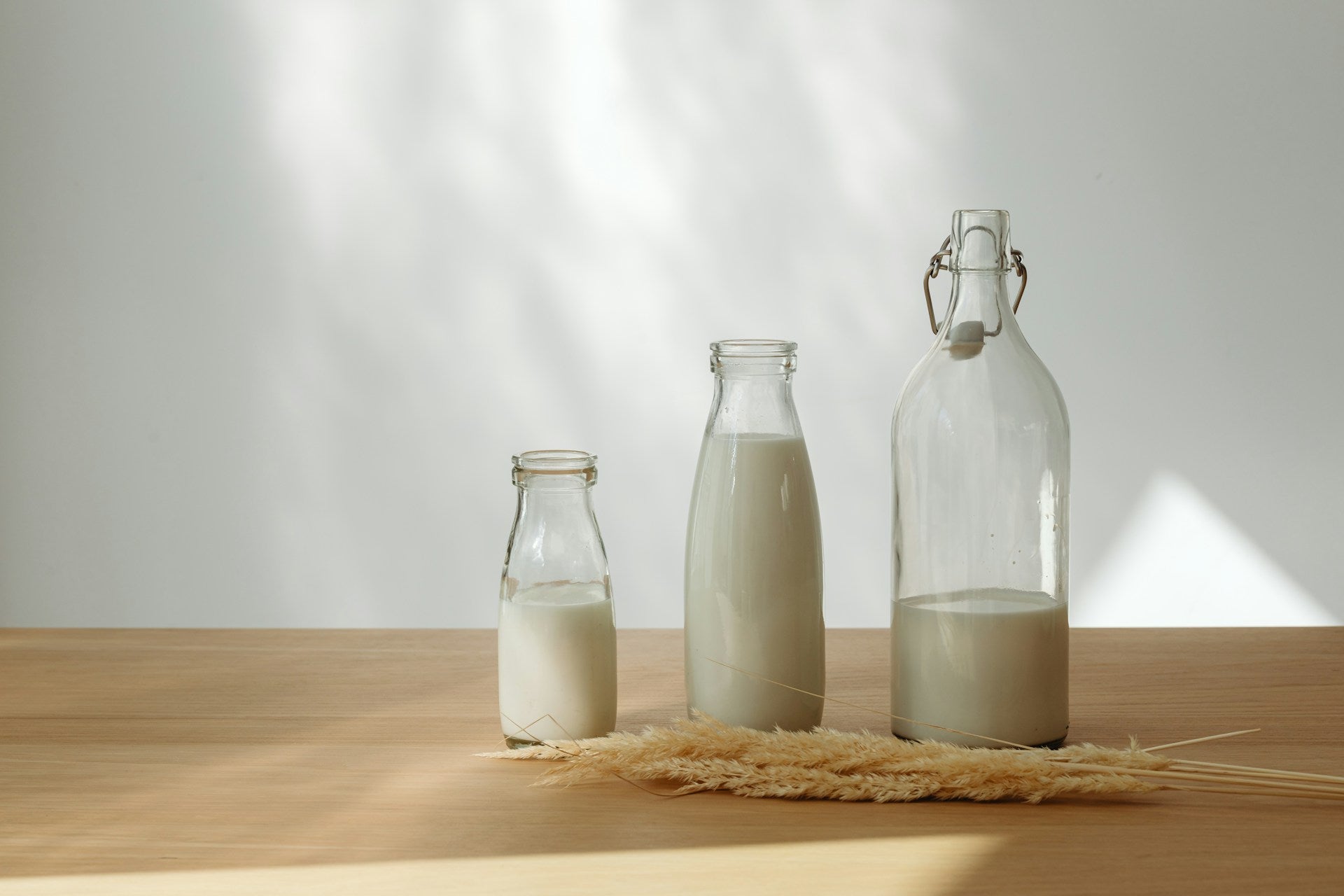
How Long Can You Keep Milk In The Fridge?
Storing Milk in the Fridge
Properly storing milk in the fridge ensures it remains fresh and safe to consume. Let's explore the importance of correct milk storage and the factors that can affect its shelf life.
The Importance of Proper Milk Storage
Milk is a perishable product that requires careful handling and storage to maintain its quality. Keeping milk at the right temperature is crucial to prevent spoilage and preserve its nutritional value. When stored correctly, milk can last several days beyond its sell-by date.
To ensure milk stays fresh, always store it in the coldest part of the refrigerator, typically the back of the bottom shelf. Avoid placing milk in the door, where temperatures fluctuate every time the fridge is opened.
Factors Affecting Milk Shelf Life
Several factors can influence how long milk stays fresh in the fridge. Understanding these factors can help you maximize the shelf life of your milk.
| Factor | Impact on Shelf Life |
|---|---|
| Temperature | Milk should be stored at or below 40°F (4°C) |
| Light Exposure | UV light can degrade vitamins and lead to spoilage |
| Air Exposure | Increased exposure to air can introduce bacteria |
| Contamination | Contact with dirty surfaces can introduce pathogens |
Temperature: The ideal temperature for storing milk is at or below 40°F (4°C). Higher temperatures can accelerate bacterial growth, leading to faster spoilage.
Light Exposure: Prolonged exposure to light, especially UV light, can degrade the vitamins in milk and cause it to spoil more quickly. Store milk in opaque containers to minimize light exposure.
Air Exposure: Keeping milk tightly sealed reduces its exposure to air, which can introduce bacteria and lead to spoilage. Always close the milk container immediately after use.
Contamination: Ensure that milk containers and any utensils used to handle milk are clean. Contamination from dirty surfaces or utensils can introduce harmful bacteria.
By considering these factors, you can answer the question, "how long can you keep milk in the fridge?" and take steps to ensure your milk stays fresh for as long as possible. For more information on storing other perishable items, check out our articles on how long can raw fish last in the fridge? and how long can raw meat stay in the fridge?.
Unopened Milk
When it comes to storing unopened milk, knowing its shelf life and recognizing signs of spoilage are essential for maintaining its quality and safety.
Refrigerator Shelf Life of Unopened Milk
Unopened milk can last a significant amount of time if stored correctly in the refrigerator. The exact duration depends on the type of milk and its expiration date. Typically, unopened milk can be kept in the fridge for:
| Type of Milk | Refrigerator Shelf Life (Unopened) |
|---|---|
| Pasteurized Milk | 5 - 7 days past the "sell-by" date |
| Ultra-Pasteurized Milk | 2 - 3 weeks past the "sell-by" date |
| Raw Milk | 7 - 10 days |
It's important to note that these time frames are general guidelines. Always check the "sell-by" or "use-by" dates on the packaging for the most accurate information. For more information on storing other types of dairy products, you can refer to our articles on how long can you keep cheese in the fridge and how long can you keep yogurt in the fridge.
Signs of Spoiled Unopened Milk
Even if the milk is unopened, it can still spoil if not stored properly or if it has surpassed its shelf life. Here are some signs to look out for:
- Sour Smell: Fresh milk should have a mild, slightly sweet aroma. A sour or unpleasant smell indicates spoilage.
- Change in Color: Milk should be white or slightly off-white. Any discoloration, such as yellowing or curdling, is a sign of spoilage.
- Lumpy Texture: Spoiled milk often develops a lumpy or curdled texture, which can be observed when pouring.
If you notice any of these signs, it's best to discard the milk to avoid potential health risks. For guidelines on storing other perishable items, check out our articles on how long can raw meat last in the fridge and how long can raw fish last in the fridge.
By understanding the shelf life and signs of spoilage for unopened milk, you can ensure that your milk remains fresh and safe to consume.
Opened Milk
Refrigerator Shelf Life of Opened Milk
Once you open a carton or bottle of milk, its shelf life is reduced compared to unopened milk. Proper storage is crucial to maintain its freshness and prevent spoilage. Typically, opened milk lasts about 5-7 days in the refrigerator at a temperature of 40°F (4°C) or lower. Below is a table summarizing the shelf life of opened milk.
| Milk Type | Refrigerator Shelf Life (Days) |
|---|---|
| Whole Milk | 5-7 |
| Skim Milk | 5-7 |
| 2% Milk | 5-7 |
| Non-Dairy Milk | 7-10 |
For more detailed information on the shelf life of different food items, see our article on how long can you keep food in the fridge?.
Signs of Spoiled Opened Milk
Identifying spoiled milk is essential to avoid consuming it and risking foodborne illness. Here are common signs that your opened milk has gone bad:
- Sour Smell: Fresh milk has a neutral scent. A sour or unpleasant odor indicates spoilage.
- Change in Texture: Spoiled milk may become lumpy or curdled. Fresh milk should be smooth and consistent.
- Off Taste: If your milk tastes sour or off, it's likely spoiled.
- Color Change: Fresh milk is white or slightly yellowish. Any discoloration can be a sign of spoilage.
For additional tips on food storage and recognizing spoiled items, check out our article on how long can you keep beef in the fridge?.
Properly storing your milk and recognizing the signs of spoilage can help ensure you enjoy fresh, safe milk. Always check the expiration date and keep your refrigerator at the appropriate temperature. For more information on milk storage, see our article on how long can raw milk stay in the fridge?.
Extended Milk Storage
For those looking to extend the shelf life of milk, freezing can be a practical option. However, it's important to understand the proper methods for freezing, thawing, and the quality considerations involved.
Freezing Milk
Freezing milk is a straightforward process, but it requires some preparation to ensure the best results. Before freezing, transfer the milk to an airtight container, leaving some space at the top to allow for expansion as the milk freezes.
| Step | Description |
|---|---|
| 1 | Transfer milk to an airtight container |
| 2 | Leave space at the top for expansion |
| 3 | Seal the container tightly |
| 4 | Label with the date of freezing |
Frozen milk can typically be stored for up to 3 months. It's essential to note the date of freezing to keep track of its storage duration.
Thawing Frozen Milk
Thawing frozen milk requires a bit of patience. The best method is to transfer the frozen milk to the refrigerator and allow it to thaw slowly. This gradual thawing helps maintain the milk's quality and prevents separation.
| Method | Description |
|---|---|
| Refrigerator | Transfer to the fridge and thaw slowly |
| Cold Water | Place in cold water, changing water every 30 minutes |
Avoid using hot water or microwaving the milk to thaw it, as this can negatively affect its texture and taste.
Quality Considerations for Frozen Milk
Freezing can alter the texture and taste of milk. After thawing, you may notice some separation or a grainy texture. This is normal and can usually be remedied by shaking the container well before use. However, the quality of thawed milk may not be as high as fresh milk. It's best used for cooking or baking rather than drinking.
For those interested in learning about the storage times of other foods, such as how long can raw milk stay in the fridge? or how long can raw fish last in the fridge?, check out our related articles.
Milk Alternatives
Shelf Life of Plant-Based Milk
Plant-based milk alternatives have become increasingly popular. Each type has its own shelf life, which can be influenced by factors such as storage conditions and preservatives used.
| Plant-Based Milk | Unopened (Refrigerator) | Opened (Refrigerator) |
|---|---|---|
| Almond Milk | 7-10 days | 7-10 days |
| Soy Milk | 7-10 days | 7-10 days |
| Oat Milk | 7-10 days | 7-10 days |
| Coconut Milk | 7-10 days | 7-10 days |
| Rice Milk | 5-7 days | 5-7 days |
Tips for Extending the Shelf Life of Milk Alternatives
To maximize the freshness of your plant-based milk, follow these tips:
- Store at the Right Temperature: Always keep your plant-based milk refrigerated at or below 40°F.
- Seal Tightly: Ensure the container is tightly sealed to prevent exposure to air and contaminants.
- Use Clean Utensils: When pouring or scooping, use clean utensils to avoid introducing bacteria.
- Observe Expiration Dates: Check the expiration dates on packaging and consume the milk before it expires.
- Avoid Cross-Contamination: Do not pour unused milk back into the original container.
For more information on storing other perishable items, you can explore articles such as how long can raw milk stay in the fridge? and how long can you keep food in the fridge?.
Get Your Upgrade or New Addition at Fridge.com
Whether you're searching for your perfect fridge, freezer, wine fridge, beer fridge, ice maker, or kegerator, we have what you need.
Shop the world's best brands at Fridge.com.
We also have tons of awesome articles about kitchen stuff and home news. Enhance your home, garage, backyard, patio, and office with the coolest essentials. With every necessary type of residential refrigerator or freezer in our collection, we've got you covered.
Elevate your game and shop now at Fridge.com!