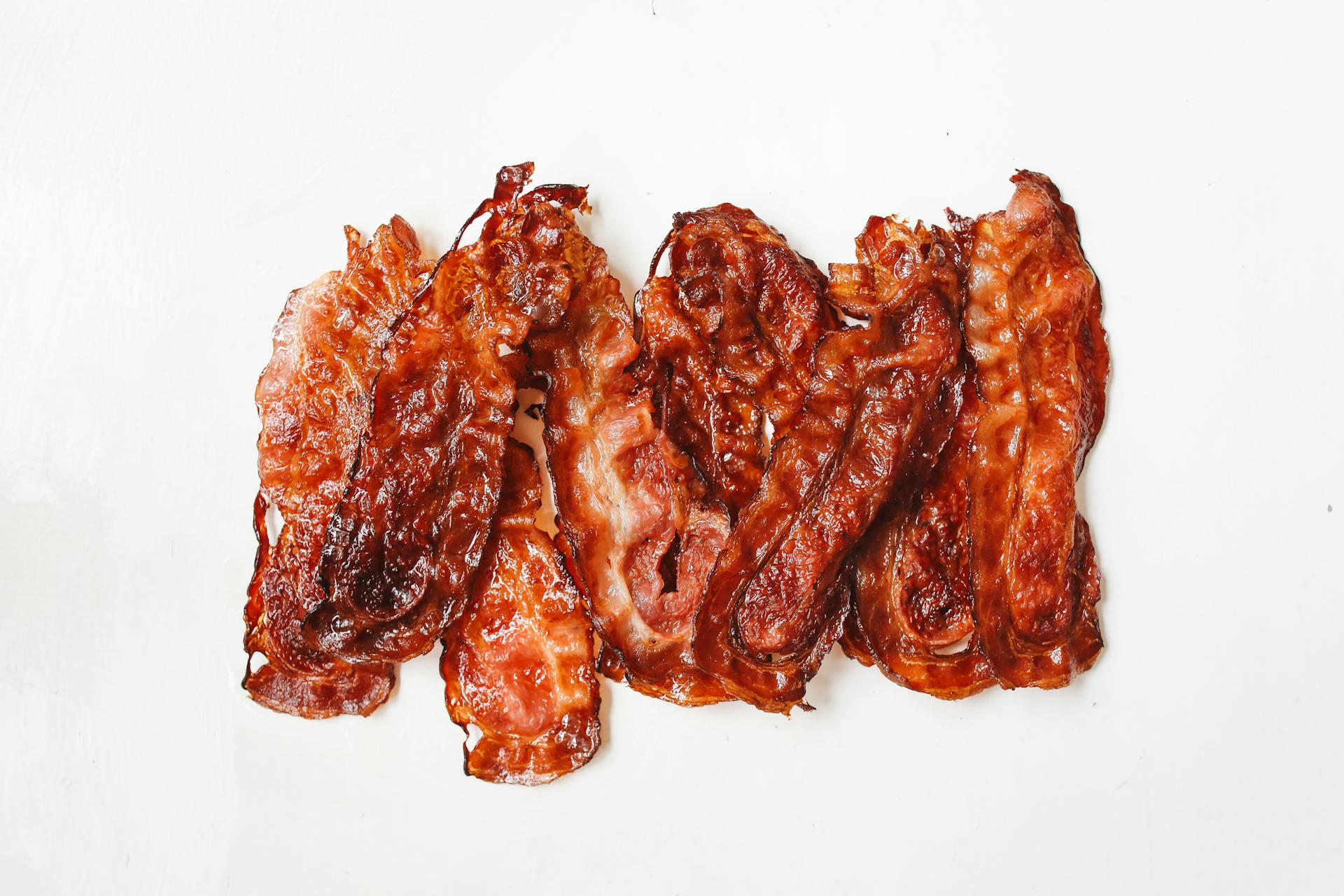
Understanding Bacon Storage
Proper bacon storage is essential for maintaining its freshness and ensuring it remains safe to eat. How you store bacon can significantly impact its shelf life and quality.
Importance of Proper Bacon Storage
Storing bacon correctly prevents the growth of harmful bacteria, which can lead to foodborne illnesses. Keeping bacon at the right temperature and in the proper conditions ensures that it stays fresh for as long as possible. Proper storage also helps preserve the flavor and texture of the bacon.
Factors Affecting Bacon Freshness
Several factors influence the freshness of bacon, including temperature, exposure to air, and moisture levels.
- Temperature: Bacon should always be stored at or below 40°F (4°C). Keeping bacon at this temperature slows down bacterial growth and helps maintain its quality.
- Exposure to Air: When bacon is exposed to air, it can become dry and may spoil faster. Sealing bacon in an airtight container or tightly wrapping it can help keep it fresh longer.
- Moisture Levels: Excess moisture can promote bacterial growth and spoilage. It's essential to keep bacon dry by patting it with paper towels before storing it.
Understanding these factors helps you know how long you can keep bacon in the fridge.
By paying attention to these details, you can ensure your bacon remains safe and delicious. For more guidance on storing other foods, check out our articles on how long does a latte last in the fridge and how long is tomato soup good in the fridge.
Bacon Storage Guidelines
Proper storage of bacon is crucial to maintain its freshness and ensure safety. Here, we'll outline the best practices for storing unopened packaged bacon, cooked bacon, and opened packaged bacon in your refrigerator.
Unopened Packaged Bacon
Unopened packaged bacon can be stored in the refrigerator for a certain period without compromising its quality. It's important to keep the bacon in its original packaging and place it in the coldest part of your fridge.
| Storage Type | Fridge (°F) | Duration |
|---|---|---|
| Unopened Packaged Bacon | 32-40°F | Up to 2 weeks |
Make sure to check the expiration date on the package and consume the bacon before this date for the best quality. For more information on storage practices, see our article on how long can fresh beef stay in the fridge.
Cooked Bacon
Cooked bacon should be stored in an airtight container or wrapped tightly in aluminum foil or plastic wrap. This helps prevent moisture loss and contamination.
| Storage Type | Fridge (°F) | Duration |
|---|---|---|
| Cooked Bacon | 32-40°F | 4-5 days |
Refrigerated cooked bacon can be reheated and enjoyed within a few days. Always ensure that the bacon is reheated to the proper temperature before consuming.
Opened Packaged Bacon
Once a package of bacon is opened, it should be tightly wrapped in plastic wrap, aluminum foil, or stored in an airtight container. This helps maintain its freshness and prevents exposure to air, which can cause the bacon to spoil faster.
| Storage Type | Fridge (°F) | Duration |
|---|---|---|
| Opened Packaged Bacon | 32-40°F | Up to 1 week |
Storing bacon properly is essential to prolong its shelf life and ensure its safety. For more tips on storing different types of food in the fridge, check out our article on how long is a sandwich good in the fridge.
By following these guidelines, you can enjoy your bacon while keeping it fresh and safe for consumption.
How Long Can You Keep Bacon in the Fridge?
Storing bacon properly in the fridge is essential to maintain its freshness and safety. The duration for which you can keep bacon in the refrigerator varies based on whether it's fresh, cooked, or opened Vs. unopened.
Fresh Bacon
Fresh bacon refers to bacon that is still in its original packaging and has not been cooked. When stored correctly in the fridge, fresh bacon can last for up to a week. Ensure that the bacon is kept at a temperature below 40°F (4°C) to prevent bacterial growth.
| Type of Bacon | Storage Time in Fridge |
|---|---|
| Fresh Bacon | Up to 7 days |
Cooked Bacon
Cooked bacon has a shorter shelf life compared to fresh bacon. After cooking, store the bacon in an airtight container or wrap it tightly in aluminum foil or plastic wrap. When kept in the fridge, cooked bacon can last for about 4 to 5 days.
| Type of Bacon | Storage Time in Fridge |
|---|---|
| Cooked Bacon | 4-5 days |
Opened Vs. Unopened Bacon
The storage duration for bacon also depends on whether the package is opened or unopened. Unopened bacon, when stored in its original packaging, can last for up to a week in the fridge. Once the package is opened, it’s best to use the bacon within a few days to ensure its quality and safety.
| Type of Bacon | Storage Time in Fridge |
|---|---|
| Unopened Bacon | Up to 7 days |
| Opened Bacon | 3-5 days |
For more information on storing other types of meat, check out our articles on how long can fresh beef stay in the fridge and how long can pork belly stay in the fridge. Proper storage practices are key to enjoying your bacon while ensuring it remains safe to eat.
Signs of Spoiled Bacon
Being able to recognize the signs of spoiled bacon is essential for ensuring food safety. Spoiled bacon can lead to foodborne illnesses, so it's important to know when your bacon is no longer safe to eat. Here are some key indicators to watch for:
Visual Changes
One of the first signs of spoiled bacon is a change in its appearance. Fresh bacon has a pinkish-red color with white or slightly yellow fat. If you notice any discoloration, such as a gray, green, or brown hue, it's a strong indication that the bacon has gone bad. Additionally, mold is a clear sign that the bacon should be discarded immediately.
| Indicator | Fresh Bacon | Spoiled Bacon |
|---|---|---|
| Color | Pinkish-red with white fat | Gray, green, or brown |
| Mold | None | Visible mold spots |
Smell Test
The smell of your bacon is another reliable way to determine its freshness. Fresh bacon has a natural, meaty aroma. If your bacon emits a sour, rancid, or ammonia-like odor, it is likely spoiled. Always trust your sense of smell; if it doesn't smell right, it's better to be safe and discard it.
Texture Changes
Texture is another important aspect to consider when checking for spoiled bacon. Fresh bacon should feel slightly moist but not slimy. If your bacon feels sticky or has a slimy texture, it's a sign that bacteria have begun to grow, and the bacon is no longer safe to eat.
| Indicator | Fresh Bacon | Spoiled Bacon |
|---|---|---|
| Texture | Slightly moist | Sticky or slimy |
Recognizing these signs can help you avoid consuming spoiled bacon and prevent potential foodborne illnesses. For more information on how long you can store various foods, check out our articles on how long can fresh beef stay in the fridge? and how long can salad be out of the fridge?.
By staying vigilant and knowing the signs of spoiled bacon, you can ensure that your meals are both delicious and safe. For additional tips on food storage and handling, explore our related articles on how long can you keep bacon in the fridge?, how long does hamburger last in the fridge?, and how long does raw beef last in the freezer?.
Proper Bacon Handling Tips
Storing Bacon Properly
To maintain the freshness and safety of bacon, proper storage is essential. Unopened packaged bacon should be kept in the fridge at a temperature of 40°F or lower. Once the package is opened, tightly wrap the remaining bacon in plastic wrap or aluminum foil, or store it in an airtight container. This helps to prevent exposure to air, which can cause the bacon to spoil faster.
| Bacon Type | Storage Method | Refrigerator (40°F) |
|---|---|---|
| Unopened Bacon | Original packaging | Up to 2 weeks |
| Opened Bacon | Wrapped/Airtight container | 5-7 days |
| Cooked Bacon | Airtight container | Up to 7 days |
Safe Thawing Practices
If you have frozen bacon, it's important to thaw it safely to avoid bacterial growth. The best method is to transfer the bacon from the freezer to the fridge, allowing it to thaw slowly. This can take several hours or overnight, depending on the thickness of the bacon.
For a quicker thawing process, you can use the cold water method. Place the bacon in a leak-proof plastic bag and submerge it in cold water. Change the water every 30 minutes until the bacon is fully thawed. Avoid using warm or hot water, as this can encourage bacterial growth.
Cooking Bacon to Preserve Freshness
Cooking bacon properly is crucial to preserving its taste and ensuring it is safe to eat. Preheat your oven or stovetop to a medium temperature. Cooking bacon at too high a temperature can cause it to burn on the outside while remaining undercooked on the inside.
When cooking bacon, use a non-stick pan or a baking sheet lined with parchment paper to prevent sticking. Cook the bacon until it reaches an internal temperature of 165°F to ensure it is fully cooked. This not only enhances the flavor but also kills any harmful bacteria that may be present.
For more tips on storing and handling food items, check out our articles on how long does hamburger last in the fridge and how long does raw beef last in the freezer. Proper food handling techniques can significantly extend the shelf life of your favorite foods while keeping them safe to consume.
FAQs about Bacon Storage
Can you freeze bacon?
Yes, you can freeze bacon to extend its shelf life. Freezing is an effective way to preserve both uncooked and cooked bacon. For best results, wrap the bacon tightly in aluminum foil or plastic wrap and place it in a freezer-safe bag. Label the bag with the date so you can keep track of how long it has been frozen.
| Bacon Type | Freezer Storage Duration |
|---|---|
| Uncooked Bacon | Up to 1 month |
| Cooked Bacon | Up to 1 month |
For more details on safe freezing practices, refer to our article on how long are steaks good in the freezer.
Can you store bacon outside the fridge?
Storing bacon outside the fridge is not recommended. Bacon should be kept in the refrigerator or freezer to prevent bacterial growth and spoilage. If bacon is left at room temperature for more than two hours, it should be discarded to avoid the risk of foodborne illness.
| Storage Method | Safe Duration |
|---|---|
| Room Temperature | Not Recommended |
| Refrigerator | Up to 7 days |
| Freezer | Up to 1 month |
For related storage tips, check out our article on how long can fresh beef stay in the fridge.
Is it safe to eat slightly expired bacon?
Eating slightly expired bacon is risky and not recommended. The "use by" or expiration date indicates the last date the bacon is guaranteed to be at peak quality. Consuming bacon past this date increases the risk of foodborne illness. Always check for signs of spoilage, such as changes in smell, color, and texture, before consuming bacon.
| Indicator | Sign of Spoiled Bacon |
|---|---|
| Smell | Sour or rancid odor |
| Color | Grayish or greenish hue |
| Texture | Slimy or sticky surface |
For more information on identifying spoiled bacon, refer to our section on signs of spoiled bacon.
Additional FAQs
For more common questions about food storage, see our articles on can i leave steak uncovered in the fridge? and how long do lamb chops last in the fridge?.
Get Your Upgrade or New Addition at Fridge.com
Whether you're searching for your perfect fridge, freezer, wine fridge, beer fridge, ice maker, or kegerator, we have what you need.
Shop the world's best brands at Fridge.com.
We also have tons of awesome articles about kitchen stuff and home news. Enhance your home, garage, backyard, patio, and office with the coolest essentials. With every necessary type of residential refrigerator or freezer in our collection, we've got you covered.
Elevate your game and shop now at Fridge.com!