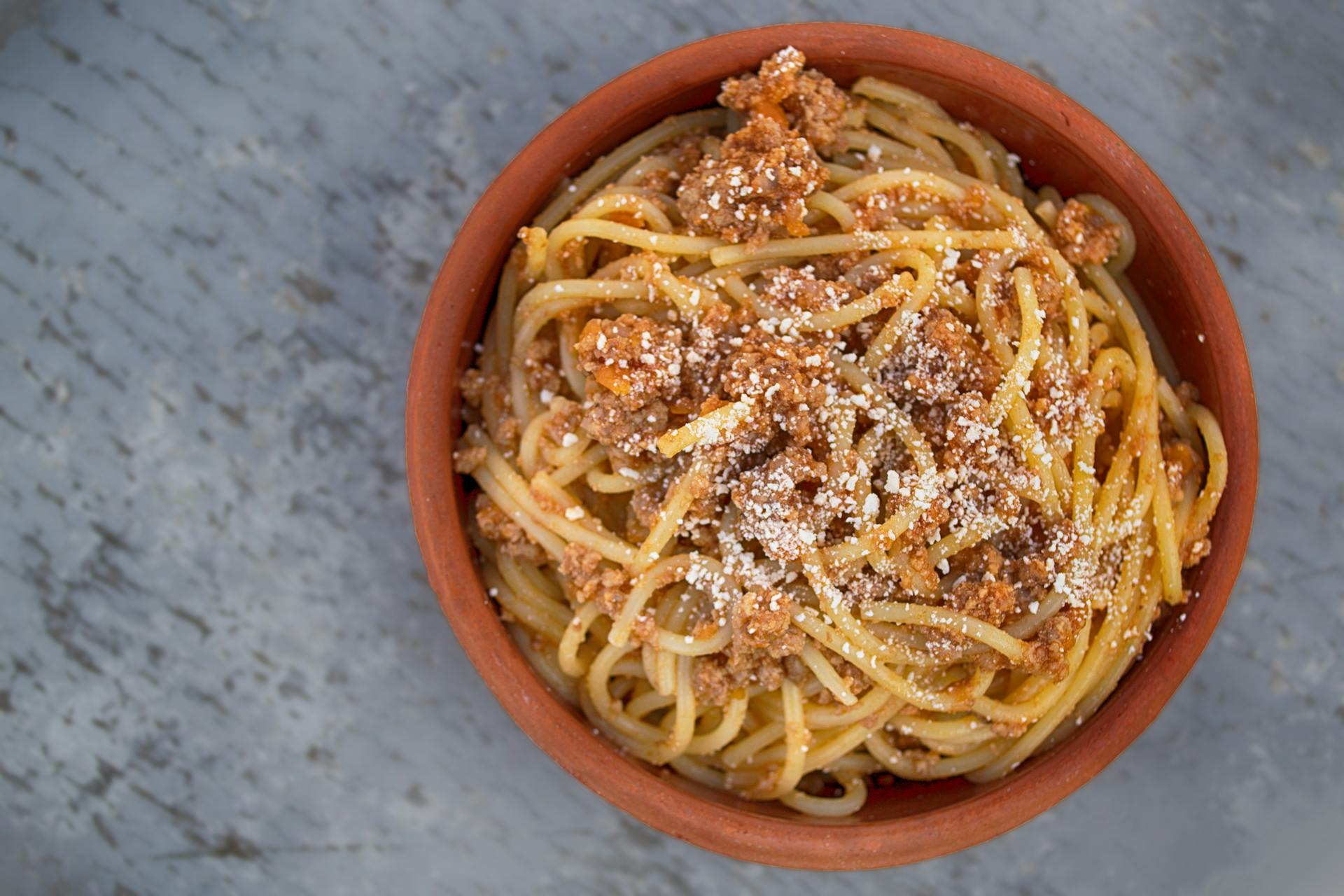
Storing Spaghetti in the Fridge
To enjoy your spaghetti leftovers safely and deliciously, it's essential to store them correctly. Here, we cover the proper storage of cooked spaghetti and the factors affecting its shelf life.
Proper Storage of Cooked Spaghetti
Properly storing cooked spaghetti in the fridge ensures it remains fresh and safe to eat. Follow these steps for optimal storage:
- Cool Quickly: After cooking, let the spaghetti cool to room temperature within two hours to prevent bacterial growth.
- Airtight Containers: Transfer the cooled spaghetti to an airtight container or resealable plastic bag to minimize exposure to air and moisture.
- Label and Date: Label the container with the date of storage to keep track of its freshness.
| Storage Step | Description |
|---|---|
| Cool Quickly | Let spaghetti cool to room temperature within 2 hours. |
| Airtight Containers | Use airtight containers or resealable plastic bags. |
| Label and Date | Label container with the storage date. |
Factors Affecting Spaghetti's Shelf Life
Several factors can influence how long your cooked spaghetti remains safe to eat in the fridge:
- Temperature: The fridge should be set at 40°F (4°C) or lower to slow down bacterial growth.
- Moisture: Excess moisture can accelerate spoilage. Ensure the container is sealed tightly.
- Ingredients: Spaghetti with added ingredients like meat, sauce, or dairy may have a shorter shelf life than plain pasta.
- Storage Time: Generally, cooked spaghetti can last 3-5 days in the refrigerator. For more detailed information about storage times, you might find our article on how long can you eat leftovers in the fridge useful.
| Factor | Impact |
|---|---|
| Temperature | Fridge should be at 40°F (4°C) or lower. |
| Moisture | Excess moisture accelerates spoilage. |
| Ingredients | Added ingredients may shorten shelf life. |
| Storage Time | Typically lasts 3-5 days in the fridge. |
By following these guidelines, you can maximize the shelf life of your spaghetti and enjoy it safely. For more tips on food storage and safety, check out our articles on how long can you leave food in the fridge and how long can you eat leftovers in the fridge.
Shelf Life of Cooked Spaghetti
Understanding the shelf life of cooked spaghetti is essential for ensuring that you and your family enjoy safe and delicious meals. Proper storage and awareness of spoilage signs can help you make the most out of your leftovers.
General Guidelines for Refrigerating Spaghetti
Cooked spaghetti can be safely stored in the refrigerator, but it's important to follow general guidelines to maintain its quality and safety. Typically, refrigerated spaghetti remains fresh for 3 to 5 days. Ensure that the spaghetti is stored in an airtight container to prevent it from absorbing other odors from the fridge.
| Storage Method | Shelf Life |
|---|---|
| Airtight Container in Fridge | 3 - 5 days |
For more insights on storing other types of leftovers, check out our article on how long can you eat leftovers in the fridge.
Signs of Spoiled Spaghetti
Knowing the signs of spoiled spaghetti can help you avoid consuming food that may cause illness. Here are some indicators that your cooked spaghetti has gone bad:
- Odor: A sour or off smell is a clear sign that the spaghetti is no longer safe to eat.
- Texture: If the spaghetti feels slimy or sticky, it's best to discard it.
- Appearance: Look for discoloration or mold growth. Any sign of either means the spaghetti should be thrown away.
If you're unsure about the safety of your spaghetti, it's always better to err on the side of caution. For more tips on food safety, explore our recommendations on proper handling and hygiene practices.
By following these guidelines and being mindful of spoilage signs, you can enjoy your spaghetti leftovers safely and deliciously.
Prolonging Spaghetti's Freshness
When it comes to storing cooked spaghetti, several strategies can help extend its shelf life and ensure it remains safe to eat. Here are some practical tips and creative ways to make the most of your leftover spaghetti.
Tips for Extending Spaghetti's Refrigeration Time
- Cool Quickly: After cooking, allow the spaghetti to cool rapidly by spreading it in a thin layer on a baking sheet. This prevents bacterial growth.
- Use Airtight Containers: Store the cooled spaghetti in airtight containers to minimize exposure to air and moisture.
- Labeling: Mark the containers with the date of storage to keep track of freshness.
- Proper Temperature: Ensure your refrigerator is set to 40°F (4°C) or lower. This helps slow down bacterial growth.
- Separate Sauce and Noodles: If possible, store the sauce separately from the noodles. This prevents the noodles from becoming too soggy.
| Storage Method | Estimated Shelf Life |
|---|---|
| Airtight Container | 3-5 days |
| Separating Sauce | 4-5 days |
For more information on safely storing food, you can visit our article on how long can you eat leftovers in the fridge.
Creative Ways to Use Leftover Spaghetti
- Spaghetti Frittata: Mix leftover spaghetti with beaten eggs, cheese, and vegetables, then cook in a skillet for a delicious frittata.
- Spaghetti Salad: Combine cold spaghetti with fresh vegetables, olives, and a tangy vinaigrette for a refreshing pasta salad.
- Spaghetti Pizza: Spread leftover spaghetti on a pizza crust, top with sauce, cheese, and your favorite toppings, then bake until crispy.
- Spaghetti Muffins: Mix spaghetti with eggs and cheese, then bake in a muffin tin for easy-to-eat spaghetti muffins.
- Spaghetti Stir-Fry: Toss leftover spaghetti in a hot skillet with vegetables, protein, and soy sauce for a quick stir-fry.
These creative options not only help reduce food waste but also provide delicious meals that are easy to prepare. By following these tips and exploring new recipes, you can make the most of your leftover spaghetti while ensuring it remains safe and enjoyable to eat. For more food storage tips, you can visit our article on how long can you keep frozen pork chops in the freezer.
Reheating Refrigerated Spaghetti
Reheating refrigerated spaghetti properly ensures that it retains its flavor and texture while remaining safe to eat. Here are some safe and effective methods for reheating your leftover spaghetti.
Safe and Effective Reheating Methods
Microwave:
- Place your spaghetti in a microwave-safe dish.
- Add a splash of water or sauce to prevent it from drying out.
- Cover the dish with a microwave-safe lid or plastic wrap with a small vent.
- Heat on medium power for 1-2 minutes, stirring halfway through.
- Check if it's hot enough; if not, continue heating in 30-second intervals.
Stovetop:
- Place the spaghetti in a non-stick pan.
- Add a small amount of water or sauce.
- Heat on medium, stirring frequently until evenly heated.
- Make sure it reaches an internal temperature of 165°F.
Oven:
- Preheat your oven to 350°F.
- Place the spaghetti in an oven-safe dish.
- Add a bit of water or sauce and cover with aluminum foil.
- Bake for 15-20 minutes or until thoroughly heated.
Best Practices for Enjoying Refrigerated Spaghetti
Use Fresh Ingredients: Always use fresh ingredients to extend the shelf life of your spaghetti. For more tips on how long you can store various foods, see how long can you leave food in the fridge?.
Proper Storage: Store your spaghetti in an airtight container to keep it fresh. For detailed information on proper storage, review our guide on how long can you eat leftovers in the fridge?.
Monitor Shelf Life: Keep track of how long your spaghetti has been stored. Generally, cooked spaghetti can be stored in the fridge for up to 3-5 days.
| Storage Method | Duration |
|---|---|
| Refrigerator (in an airtight container) | 3-5 days |
| Freezer (in a freezer-safe container) | Up to 2 months |
Check for Spoilage: Always check for signs of spoilage before reheating. If your spaghetti has an off smell, discoloration, or mold, it's best to discard it.
Avoid Multiple Reheats: Only reheat the portion you plan to eat. Repeated reheating can degrade the quality and safety of the food.
By following these reheating methods and best practices, you can safely enjoy your leftover spaghetti while maintaining its taste and texture. For more information on food storage and safety, check out our article on how long can prepared food stay in the fridge?.
Safety Precautions
Food Safety Tips for Storing Spaghetti in the Fridge
When storing cooked spaghetti in the fridge, it's essential to follow food safety guidelines to ensure it remains safe to eat. Here are some key tips:
- Cool Quickly: Allow the spaghetti to cool down to room temperature within two hours after cooking.
- Use Airtight Containers: Store the spaghetti in airtight containers to prevent contamination and moisture loss.
- Label and Date: Always label the containers with the date of storage. This makes it easier to track how long the spaghetti has been in the fridge.
- Refrigerate Promptly: Place the spaghetti in the refrigerator immediately after cooling.
For more about how long different foods can be stored safely, visit our article on how long can you leave food in the fridge.
Proper Handling and Hygiene Practices
Maintaining proper hygiene and handling practices is crucial when dealing with cooked spaghetti. Here are some recommendations:
- Wash Hands: Always wash your hands thoroughly before handling any food.
- Clean Utensils: Ensure that all utensils, cutting boards, and containers are clean before use.
- Avoid Cross-Contamination: Keep cooked spaghetti separate from raw meats, poultry, and seafood to avoid cross-contamination.
- Use Clean Serving Utensils: Always use clean utensils when serving spaghetti to prevent introducing bacteria.
Proper handling and hygiene practices help in maintaining the quality and safety of your stored spaghetti. For more tips on food safety, check out our guide on how long can prepared food stay in the fridge?.
By adhering to these safety precautions, you can enjoy your refrigerated spaghetti without compromising on quality or safety.
Get Your Upgrade or New Addition at Fridge.com
Whether you're searching for your perfect fridge, freezer, wine fridge, beer fridge, ice maker, or kegerator, we have what you need.
Shop the world's best brands at Fridge.com.
We also have tons of awesome articles about kitchen stuff and home news. Enhance your home, garage, backyard, patio, and office with the coolest essentials. With every necessary type of residential refrigerator or freezer in our collection, we've got you covered.
Elevate your game and shop now at Fridge.com!