Storing Tzatziki: A Guide
Proper storage of tzatziki is essential to maintain its freshness and prevent spoilage. Understanding the nature of tzatziki and the importance of appropriate storage methods can help you enjoy this delicious dip for longer.
Understanding Tzatziki
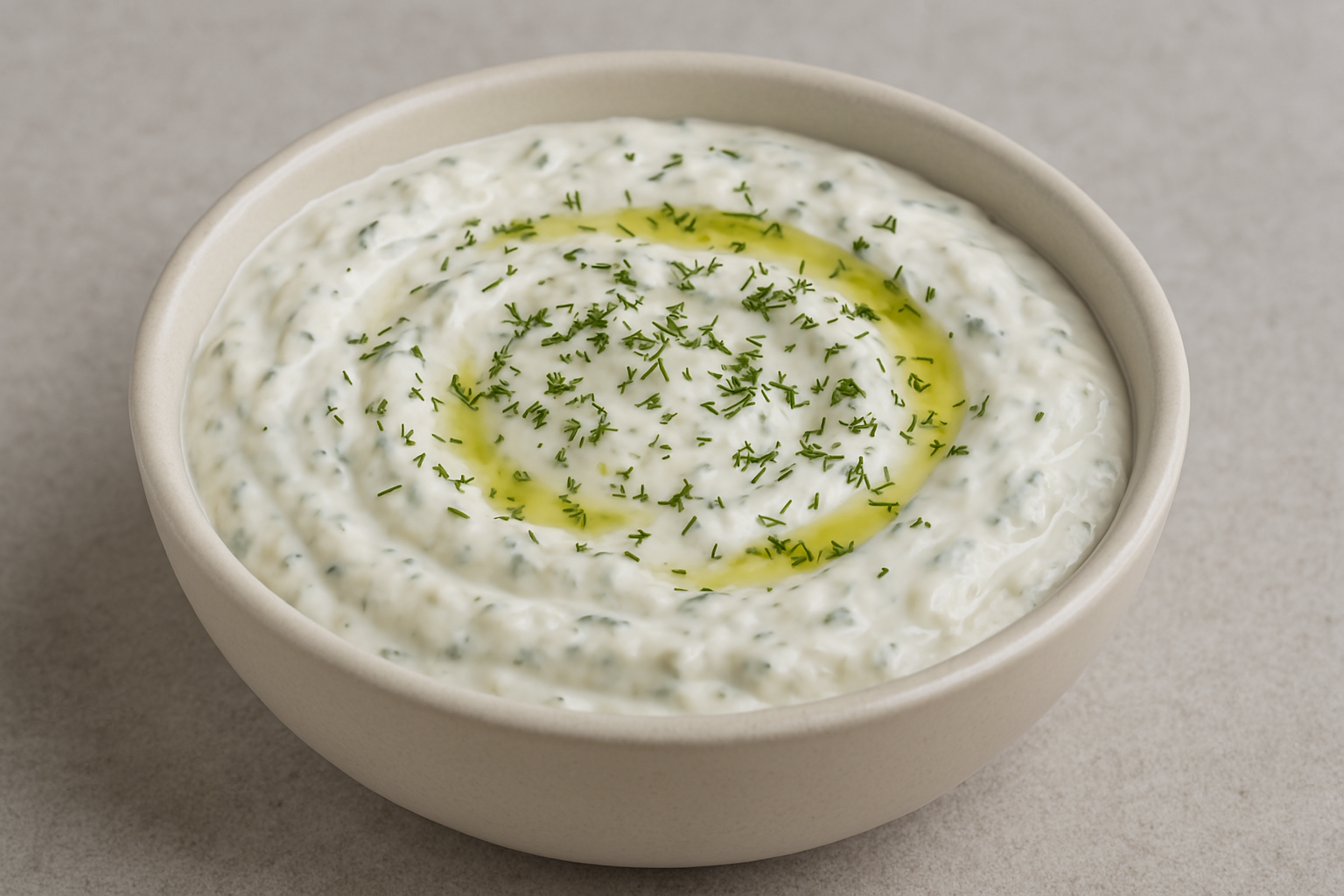
Tzatziki is a traditional Greek dip made from yogurt, cucumber, garlic, olive oil, and various herbs. It is known for its creamy texture and refreshing taste. The primary ingredient, yogurt, provides a tangy flavor and a smooth consistency. Due to its dairy content, tzatziki is perishable and must be stored correctly to avoid spoilage.
Importance of Proper Storage
Proper storage of tzatziki is crucial for several reasons. It helps maintain the dip's taste and texture, ensures food safety, and extends its shelf life. Inadequate storage can lead to bacterial growth, resulting in foodborne illnesses. Additionally, improper storage can cause the ingredients to separate, altering the dip's consistency and flavor.
To maximize the shelf life of tzatziki, it is essential to follow specific storage guidelines. These include keeping it refrigerated, using airtight containers, and maintaining a consistent temperature. For more information on how different foods should be stored, you can refer to our article on how long can salsa be open in the fridge.
By understanding tzatziki and the importance of proper storage, you can ensure that this flavorful dip remains safe and enjoyable for as long as possible.
Refrigerating Tzatziki
Ensuring that your tzatziki stays fresh and safe to eat involves understanding proper refrigeration techniques and being aware of the factors that can influence its shelf life.
Refrigerator Storage Guidelines
To maximize the shelf life of tzatziki, it's essential to store it correctly in your refrigerator. Follow these guidelines:
- Temperature: Keep your refrigerator set to 40°F (4°C) or lower. Higher temperatures can accelerate spoilage.
- Container: Use an airtight container to prevent exposure to air, which can cause the sauce to spoil faster.
- Placement: Store tzatziki on a middle shelf, rather than the door, to ensure a consistent temperature.
Factors Affecting Shelf Life
Several factors can affect how long tzatziki lasts in the fridge. Understanding these can help you maintain its freshness:
- Ingredients: Freshness and quality of ingredients used in the tzatziki can impact its longevity.
- Preparation: Proper hygiene during preparation can reduce the risk of contamination.
- Storage Conditions: Consistent refrigeration at the appropriate temperature is crucial.
- Frequency of Opening: Frequent opening of the container can introduce bacteria and air, reducing shelf life.
| Factor | Impact on Shelf Life |
|---|---|
| Temperature | Optimal: 40°F (4°C) or lower |
| Container Type | Airtight container recommended |
| Ingredient Quality | Fresh ingredients extend shelf life |
| Hygiene | Proper food handling reduces contamination risk |
| Frequency of Opening | Less frequent opening preserves freshness |
By adhering to these refrigerator storage guidelines and understanding the factors affecting shelf life, you can enjoy your tzatziki for a longer period. For more information on storing other perishable items, check out our articles on how long can raw steak sit in the fridge? and how long can scallops last in the fridge?.
How Long Can Tzatziki Last in the Fridge?
Typical Shelf Life
When stored properly, tzatziki can last in the refrigerator for up to 3 to 4 days. The freshness and quality of the ingredients used play a significant role in determining its shelf life.
| Storage Method | Duration |
|---|---|
| Refrigerator (properly stored) | 3-4 days |
To ensure maximum freshness, always store tzatziki in an airtight container and place it in the coldest part of your refrigerator. For more detailed storage guidelines, check out our section on Refrigerator Storage Guidelines.
Signs of Spoilage
Knowing the signs of spoilage can help you avoid consuming expired tzatziki. Here are some indicators that your tzatziki may have gone bad:
- Off Smell: A sour or unpleasant odor is a clear sign that your tzatziki is no longer safe to eat.
- Color Change: If the tzatziki changes from its usual white or pale green color to yellow or brown, it's time to discard it.
- Texture Change: A watery or separated consistency can indicate spoilage.
- Mold: Visible mold growth is a definite sign that the tzatziki should be thrown away.
| Spoilage Indicator | Description |
|---|---|
| Off Smell | Sour or unpleasant odor |
| Color Change | White or pale green to yellow or brown |
| Texture Change | Watery or separated consistency |
| Mold | Visible mold growth |
For more tips on safely handling food, visit our section on Safe Food Handling Practices.
For more information on how long other foods can last in the fridge, check out these articles:
- how long can salmon be in the fridge for?
- how long can salsa be open in the fridge?
- how long can tapenade last in the fridge?
Understanding the typical shelf life and signs of spoilage will help you enjoy your tzatziki safely and prevent food waste.
Extending Tzatziki's Shelf Life
To maximize the shelf life of tzatziki, proper storage techniques are essential. Two critical factors in extending its freshness are choosing the right container and maintaining appropriate temperature control.
Proper Container Selection
Selecting the right container can significantly impact how long tzatziki lasts in the fridge. Airtight containers are ideal for preserving the freshness and preventing contamination. Glass containers with tight-fitting lids are often preferred as they do not absorb odors and are easy to clean. Plastic containers can also be used, but ensure they are food-grade and free from any cracks or damage.
| Container Type | Pros | Cons |
|---|---|---|
| Glass Container | Non-absorbent, easy to clean | Can be heavy, breakable |
| Plastic Container | Lightweight, cheap | May absorb odors, potential for cracks |
| Stainless Steel Container | Durable, non-absorbent | Can be expensive, heavy |
Properly sealing the container is crucial to avoid exposure to air, which can lead to spoilage. Make sure the lid is tightly closed after each use to maintain the quality of the tzatziki.
Temperature Control
Maintaining the correct temperature is vital for extending the shelf life of tzatziki. The ideal temperature for storing this dairy-based dip is between 35°F and 40°F (1.6°C to 4.4°C). Keeping the fridge at this temperature range helps to slow down bacterial growth, preserving the freshness and taste of the tzatziki.
| Temperature Range | Shelf Life |
|---|---|
| 35°F - 40°F (1.6°C - 4.4°C) | 5 - 7 days |
| Above 40°F (4.4°C) | Increased risk of spoilage |
It's important to store tzatziki in the main compartment of the fridge, rather than the door, as the temperature in the door fluctuates more frequently. Regularly check the temperature of your fridge to ensure it remains within the optimal range. Using a refrigerator thermometer can help you monitor and adjust the settings as needed.
By following these guidelines for container selection and temperature control, you can extend the shelf life of tzatziki and enjoy it for longer periods. For more information on how long other foods can last in the fridge, check out our articles on how long can raw steak sit in the fridge? and how long can turkey necks stay in the fridge?.
Tips for Handling Tzatziki
Safe Food Handling Practices
When dealing with tzatziki, adhering to safe food handling practices is crucial to ensure its longevity and prevent any potential health risks. Here are some essential guidelines:
- Cleanliness: Always wash your hands thoroughly before preparing or serving tzatziki. Use clean utensils and containers to avoid introducing bacteria.
- Storage: Store tzatziki in an airtight container to protect it from contaminants and to retain its freshness. Proper storage can significantly extend its shelf life.
- Refrigeration: Keep tzatziki refrigerated at all times. Ensure your fridge is set to a temperature below 40°F (4°C). For more information on refrigeration, you can explore our articles on how long can soybeans last in the fridge and how long can yogurt be out of the fridge.
| Storage Practice | Importance |
|---|---|
| Hand Washing | Prevents contamination |
| Clean Utensils | Reduces bacteria introduction |
| Airtight Container | Maintains freshness |
| Temperature Control | Ensures food safety |
Avoiding Cross-Contamination
Preventing cross-contamination is essential when handling tzatziki. Here are some tips to help you avoid it:
- Separate Raw and Cooked Foods: Keep tzatziki away from raw meats, seafood, and other uncooked foods. Use separate cutting boards and utensils for raw and cooked items.
- Use Clean Containers: Always use clean containers when storing tzatziki. Avoid reusing containers that have held other foods without proper cleaning.
- Avoid Double-Dipping: To prevent the spread of bacteria, avoid dipping the same spoon or utensil into the tzatziki after it has been in contact with other foods or surfaces.
By following these guidelines, you can ensure that your tzatziki remains safe to consume and maintains its quality. For more tips on food safety and handling, check out our related articles on how long can raw steak sit in the fridge and how long can tuna last out of the fridge.
Using Leftover Tzatziki
Creative Ways to Utilize Leftovers
Leftover tzatziki can be a versatile ingredient in your kitchen. Here are some inventive ways to use it:
- Dipping Sauce: Use tzatziki as a dip for vegetables, pita bread, or chips.
- Salad Dressing: Thin it out with a bit of olive oil and lemon juice to create a tangy salad dressing.
- Spread for Sandwiches and Wraps: Add tzatziki to sandwiches or wraps for an extra layer of flavor.
- Topper for Grilled Meats: Spoon tzatziki over grilled chicken, lamb, or beef for a refreshing contrast.
- Baked Potato Topping: Substitute sour cream with tzatziki on baked potatoes for a Greek twist.
Reheating and Serving Suggestions
While tzatziki is best enjoyed cold, there are ways to serve it safely and deliciously:
- Cold Serving: Serve tzatziki straight from the fridge as a dip, spread, or dressing. It pairs well with a variety of dishes.
- Room Temperature: If you prefer a slightly less chilled tzatziki, let it sit at room temperature for about 15-20 minutes before serving. However, do not leave it out for more than 2 hours to avoid spoilage.
- Reinvigorating Leftovers: If the texture has changed after refrigeration, give it a good stir to reincorporate any separated ingredients. You can also add a bit of fresh lemon juice or olive oil to revive its flavor.
For more information on safe food handling practices and avoiding cross-contamination, refer to our section on Safe Food Handling Practices.
Using leftovers creatively and safely ensures that your tzatziki remains a delightful addition to your meals. Whether you're looking for new ways to enjoy it or tips for maintaining its quality, these suggestions will help you make the most of your tzatziki.
Freezing Tzatziki
Freezing tzatziki can be an effective way to extend its shelf life. However, the texture and flavor might slightly change upon thawing. Here's how you can freeze tzatziki properly and the steps to follow for thawing and reheating.
Freezing Guidelines
To freeze tzatziki, follow these guidelines:
- Use an Airtight Container: Place the tzatziki in a freezer-safe, airtight container. This helps prevent freezer burn and preserves the flavor.
- Labeling: Label the container with the date of freezing to keep track of its shelf life.
- Portion Control: Divide the tzatziki into smaller portions if you do not plan to use it all at once. This makes thawing more convenient.
- Leave Space: Leave a little space at the top of the container as the tzatziki may expand when frozen.
Thawing and Reheating Instructions
When you're ready to use the frozen tzatziki, follow these instructions for thawing and reheating:
- Thawing in the Refrigerator: Transfer the container from the freezer to the refrigerator. Allow it to thaw slowly overnight or for several hours.
- Stir Well: After thawing, the tzatziki may separate slightly. Stir it well to restore its consistency.
- Avoid Microwaving: Do not use a microwave to thaw or reheat tzatziki as it may affect the texture and flavor.
- Check for Quality: Taste a small amount to ensure the flavor and texture are still acceptable. If it appears off or has an unusual odor, discard it.
| Step | Process |
|---|---|
| Freezing | Use an airtight container, label it |
| Thawing | Thaw in the refrigerator overnight |
| Post-thaw Stirring | Stir well to restore consistency |
| Micro-waving | Avoid using a microwave for thawing |
By following these guidelines, you can enjoy your tzatziki even after freezing. For more tips on food storage, you may find it useful to explore how long other items like how long can raw steak sit in the fridge? and how long can red meat stay in the fridge? last in the fridge.
Get Your Upgrade or New Addition at Fridge.com
Whether you're searching for your perfect fridge, freezer, wine fridge, beer fridge, ice maker, or kegerator, we have what you need.
Shop the world's best brands at Fridge.com.
We also have tons of awesome articles about kitchen stuff and home news. Enhance your home, garage, backyard, patio, and office with the coolest essentials. With every necessary type of residential refrigerator or freezer in our collection, we've got you covered.
Elevate your game and shop now at Fridge.com!