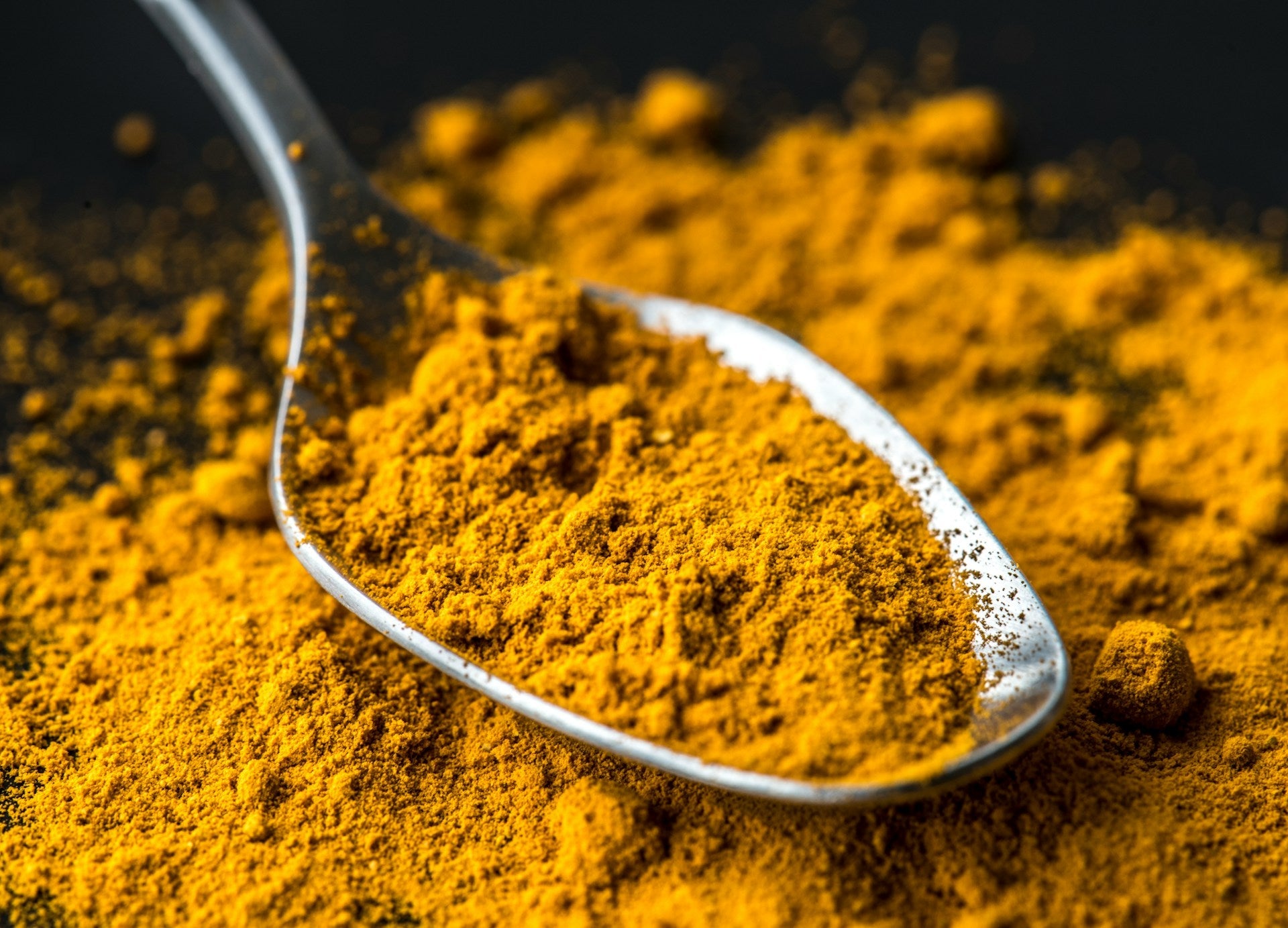
Understanding Turmeric Storage
Proper storage of turmeric is essential to maintain its freshness and potency. Whether you have fresh turmeric root or ground turmeric powder, knowing the correct storage methods can help extend its shelf life.
Importance of Properly Storing Turmeric
Proper storage of turmeric ensures that it retains its flavor, color, and beneficial properties. Turmeric, known for its vibrant yellow color and earthy flavor, is a staple in many kitchens. However, improper storage can lead to loss of potency and spoilage over time.
- Preservation of Nutrients: Storing turmeric correctly helps preserve its nutritional and medicinal properties.
- Extended Shelf Life: Proper storage methods can significantly extend the shelf life of both fresh and ground turmeric.
- Prevention of Spoilage: Proper storage prevents mold growth and other forms of spoilage, ensuring the turmeric remains safe to use.
Factors Affecting Turmeric Shelf Life
Several factors can influence how long turmeric lasts, especially when stored in the fridge. Understanding these factors can help you store it more effectively.
| Factor | Impact on Shelf Life |
|---|---|
| Moisture | High moisture levels can lead to mold growth and spoilage. |
| Temperature | Consistent, cool temperatures help maintain turmeric's freshness. |
| Light Exposure | Exposure to light can degrade the quality of turmeric, especially ground turmeric. |
| Air Exposure | Prolonged exposure to air can lead to oxidation, reducing potency. |
- Moisture: Fresh turmeric contains natural moisture, which can lead to spoilage if not stored properly. Ground turmeric, on the other hand, should be kept dry to prevent clumping and mold.
- Temperature: Keeping turmeric at a consistent, cool temperature, such as in the fridge, helps maintain its freshness. Avoid storing it in areas prone to temperature fluctuations.
- Light Exposure: Light can degrade the quality of turmeric, especially ground turmeric. Store it in a dark, airtight container to maintain its potency.
- Air Exposure: Exposure to air can cause oxidation, which reduces the potency and flavor of turmeric. Ensure both fresh and ground turmeric are stored in airtight containers.
For more information on how to properly store other foods, check out our articles on how long can raw steak sit in the fridge?, how long can raw tuna stay in the fridge?, and how long can red meat stay in the fridge?.
Storing Fresh Turmeric in the Fridge
Guidelines for Storing Fresh Turmeric
Proper storage of fresh turmeric in the fridge is essential to maintain its freshness and extend its shelf life. Follow these guidelines to ensure your turmeric stays fresh:
- Clean and Dry: Before storing, rinse the turmeric roots to remove any dirt. Pat them dry with a paper towel.
- Wrap in Paper Towel: Wrap the cleaned and dried turmeric roots in a paper towel. This helps absorb excess moisture.
- Use Airtight Container: Place the wrapped turmeric in an airtight container or a resealable plastic bag. This prevents moisture and air from getting in.
- Store in Crisper Drawer: Store the container in the crisper drawer of your fridge. The crisper drawer maintains an optimal humidity level for fresh produce.
| Storage Method | Shelf Life |
|---|---|
| Wrapped in paper towel and stored in an airtight container | 2-3 weeks |
Signs of Fresh Turmeric Going Bad
It's important to recognize the signs of spoilage in fresh turmeric to avoid using it past its prime. Here are some indicators that your fresh turmeric may have gone bad:
- Soft or Mushy Texture: Fresh turmeric should be firm to the touch. If it feels soft or mushy, it's likely spoiled.
- Discoloration: Fresh turmeric has a bright orange or yellow hue. If you notice dark spots or a dull color, it may be past its prime.
- Off Smell: Fresh turmeric has a distinct earthy aroma. If you detect a sour or unpleasant smell, it's a sign of spoilage.
- Mold: Visible mold growth is a clear indication that the turmeric should be discarded.
By following these storage guidelines and regularly checking for spoilage signs, you can keep your fresh turmeric in optimal condition. For more tips on storing other foods, check out our articles on how long can steak be kept in the fridge? and how long can tomatoes last in the fridge?.
Storing Ground Turmeric in the Fridge
Ground turmeric is a versatile spice that can add flavor and color to various dishes. Proper storage is essential to maintain its freshness and potency. This section provides tips for storing ground turmeric and identifying signs of spoilage.
Tips for Storing Ground Turmeric
To keep ground turmeric fresh for as long as possible, it's important to store it correctly. Here are some tips for storing ground turmeric in the fridge:
- Airtight Containers: Use airtight containers to prevent moisture and air from degrading the turmeric.
- Cool, Dark Place: Store the container in a cool, dark section of the fridge to minimize light exposure, which can reduce the spice's potency.
- Label and Date: Label the container with the date of purchase or opening to keep track of its age.
| Storage Method | Recommended Shelf Life |
|---|---|
| Airtight Container in Fridge | 6-12 months |
| Airtight Container in Pantry | 3-6 months |
Indications of Ground Turmeric Spoilage
Even with proper storage, ground turmeric can eventually lose its flavor and effectiveness. Here are some signs that your ground turmeric may have gone bad:
- Color Change: Fresh turmeric has a vibrant yellow-orange color. If it starts to look dull or brownish, it may be time to replace it.
- Loss of Aroma: Ground turmeric should have a strong, earthy smell. If the aroma is faint or musty, the spice has likely lost its potency.
- Clumping: Moisture can cause ground turmeric to clump together. While it may still be safe to use, clumping indicates that the spice's quality has deteriorated.
For more information on how long various foods can last in the fridge, check out our articles on how long can raw steak sit in the fridge?, how long can raw tuna stay in the fridge?, and how long can red meat stay in the fridge?.
By following these storage tips and being aware of spoilage signs, you can extend the shelf life of your ground turmeric and ensure it remains a valuable addition to your kitchen. For more tips on food storage, visit our article on how long can soy milk last in the fridge?.
Extending Turmeric Shelf Life
Preserving the freshness of turmeric is essential for maintaining its flavor and nutritional value. By taking a few extra steps, you can significantly extend the shelf life of both fresh and ground turmeric.
Freezing Turmeric for Longevity
Freezing is an effective method to prolong the shelf life of turmeric. Both fresh and ground turmeric can be stored in the freezer, helping to retain their potency and quality.
Fresh Turmeric
To freeze fresh turmeric, follow these steps:
- Clean and peel the turmeric roots.
- Cut the roots into smaller pieces or grate them.
- Place the pieces in an airtight container or freezer bag.
| Storage Method | Duration |
|---|---|
| Fresh Turmeric in Freezer | Up to 6 months |
Ground Turmeric
Freezing ground turmeric can also help maintain its flavor and color:
- Transfer the ground turmeric to an airtight container.
- Label the container with the date.
| Storage Method | Duration |
|---|---|
| Ground Turmeric in Freezer | Up to 2 years |
For additional methods of storing other foods, check out our articles on how long can spinach last in the freezer? and how long can sausage last in the freezer?.
Properly Sealing Turmeric for Preservation
Proper sealing is crucial to prevent moisture and air from degrading the quality of turmeric. For both fresh and ground turmeric, using airtight containers or vacuum-sealed bags is recommended.
Fresh Turmeric
When storing fresh turmeric in the fridge, follow these guidelines:
- Wrap the turmeric roots in a paper towel to absorb excess moisture.
- Place the wrapped roots in an airtight container or a resealable plastic bag.
| Storage Method | Duration |
|---|---|
| Fresh Turmeric in Fridge | 2-3 weeks |
Ground Turmeric
For ground turmeric, use these tips:
- Store in a cool, dark place away from direct sunlight.
- Ensure the lid is tightly sealed after each use.
| Storage Method | Duration |
|---|---|
| Ground Turmeric in Pantry | 3-4 years |
By following these storage techniques, you can maximize the shelf life of your turmeric, keeping it fresh and flavorful for longer periods. For more insights on storing food items, explore our articles on how long can soy milk last in the fridge? and how long can the fridge be without power?.
Using Turmeric Past Its Prime
Ways to Utilize Expired Turmeric
Even when turmeric has surpassed its prime, it can still be useful in various ways. While it might not have the same potency or flavor, expired turmeric can serve other purposes.
- Dyeing: Turmeric's vibrant color makes it an excellent natural dye for fabrics or Easter eggs.
- Cleaning: Turmeric can be mixed with other ingredients to create a natural cleaning paste.
- Gardening: You can add expired turmeric to your compost pile to enrich the soil.
When to Discard Turmeric
Knowing when to discard turmeric is critical for ensuring the safety and quality of your food. Here are some key signs that indicate it's time to throw out your turmeric:
- Smell: If the turmeric has lost its distinct earthy aroma or smells off, discard it.
- Color: Significant fading in color suggests that the turmeric has lost its potency.
- Texture: For fresh turmeric, if it appears mushy or has mold, it's time to discard it.
| Indicator | Fresh Turmeric | Ground Turmeric |
|---|---|---|
| Smell | Earthy, aromatic | Earthy, aromatic |
| Color | Bright orange or yellow | Bright orange or yellow |
| Texture | Firm | Fine powder |
For more detailed guidelines on how long various foods can last in the fridge, explore our articles on how long can raw steak sit in the fridge?, how long can raw tuna stay in the fridge?, and how long can raw turkey be in the fridge?.
FAQ about Storing Turmeric
Can turmeric go bad in the fridge?
Yes, turmeric can go bad in the fridge. Both fresh and ground turmeric have a limited shelf life, even when stored properly. Fresh turmeric root typically lasts for about 2-3 weeks in the refrigerator. Ground turmeric can last much longer, up to 3-4 years, but it can still lose its potency and flavor over time. For more information on storing other foods, check out how long can red rice last in the fridge?.
| Type of Turmeric | Shelf Life in Fridge |
|---|---|
| Fresh Turmeric | 2-3 weeks |
| Ground Turmeric | 3-4 years |
How to tell if turmeric has gone bad?
To determine if turmeric has gone bad, you can look for several signs. For fresh turmeric, check the texture and color. Fresh turmeric should be firm to the touch and have a vibrant orange or yellow color. If it becomes soft, mushy, or discolored, it is likely spoiled. Ground turmeric, on the other hand, may lose its aroma and flavor over time. If it smells musty or has no scent at all, it is past its prime. For more tips on food storage, see how long can red meat stay in the fridge?.
Can you freeze fresh turmeric for long-term storage?
Yes, you can freeze fresh turmeric to extend its shelf life. When freezing turmeric, you can either peel and chop it into smaller pieces or freeze it whole. Place the turmeric in an airtight container or freezer bag to prevent freezer burn. Frozen turmeric can last for up to 6 months. This method helps retain its nutritional benefits and flavor. For more on freezing foods, read how long can spinach last in the freezer?.
| Storage Method | Shelf Life |
|---|---|
| Fresh Turmeric (Fridge) | 2-3 weeks |
| Fresh Turmeric (Freezer) | Up to 6 months |
Is it safe to use expired turmeric?
Using expired turmeric is generally safe, but its potency and flavor may be diminished. Ground turmeric that has passed its expiration date may not provide the same health benefits or culinary impact. If the turmeric shows signs of spoilage, such as an off smell or change in color, it is best to discard it. For more guidance on when to discard food, visit how long can salmon be in the fridge for?.