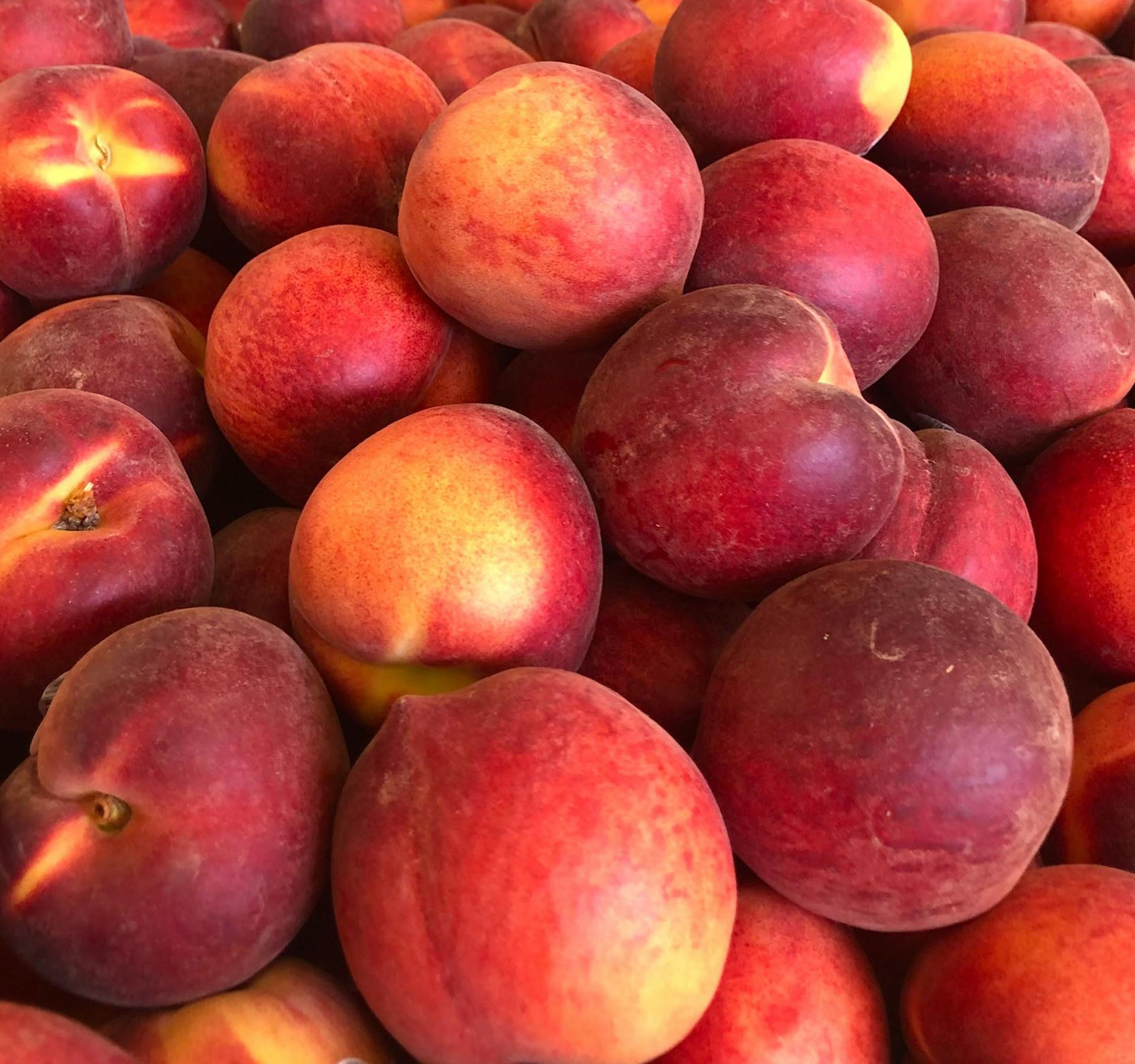
Storing Peaches in the Fridge
Proper Storage Methods
To maximize the shelf life of peaches and keep them fresh, there are specific storage methods you should follow. First, always start by selecting ripe, unblemished peaches. Before placing them in the fridge, gently rinse and dry them thoroughly using a clean towel. This helps remove any surface contaminants that could speed up spoilage.
For whole peaches, you can store them in the crisper drawer of your refrigerator, which provides a controlled environment with optimal humidity levels. If you have cut or sliced peaches, place them in an airtight container or sealable plastic bag to prevent them from drying out. Ensure that the container is tightly sealed to keep the peaches fresh for a longer period.
Ideal Conditions for Storing Peaches
Peaches thrive in cool and humid conditions, making the refrigerator an ideal place for storage. The recommended temperature for storing peaches in the fridge is between 32°F and 40°F (0°C and 4°C). Maintaining this temperature helps slow down the ripening process and extends the shelf life of the fruit.
| Condition | Ideal Range |
|---|---|
| Temperature | 32°F - 40°F (0°C - 4°C) |
| Humidity | High (crisper drawer) |
Proper ventilation is also crucial. Avoid overcrowding the peaches to allow air to circulate around them. This prevents moisture buildup, which can lead to mold growth and spoilage. If your fridge has adjustable humidity settings, set the crisper drawer to high humidity to keep the peaches juicy and fresh.
For more information on how to maintain optimal storage conditions in your refrigerator, check out our article on fridge freezer temperatures.
By following these storage methods and maintaining ideal conditions, you can enjoy fresh peaches for a longer time. For tips on how to use ripe peaches creatively, visit our section on recipes to try with fresh peaches.
Shelf Life of Peaches in the Fridge
Understanding the shelf life of peaches is essential for preserving their freshness and flavor. Whether they're whole or sliced, knowing how long peaches can last in the refrigerator helps you enjoy them at their best.
Fresh Whole Peaches
Fresh whole peaches can last for a notable amount of time when stored in the fridge. To maximize their shelf life, place them in the crisper drawer where the humidity levels are higher. This helps to keep the peaches moist and prevents them from drying out.
| Fresh Whole Peaches | Shelf Life |
|---|---|
| Unripe Peaches | 1 - 2 weeks |
| Ripe Peaches | 3 - 5 days |
For more tips on proper storage methods, visit our section on how to refrigerate fresh corn.
Sliced or Cut Peaches
Once peaches are sliced or cut, their shelf life decreases significantly. It's crucial to store them in an airtight container to prevent them from drying out and to minimize exposure to air, which can lead to oxidation and spoilage.
| Sliced or Cut Peaches | Shelf Life |
|---|---|
| Refrigerated | 3 - 4 days |
Using airtight containers also helps in retaining the peaches' flavor and nutritional value. For additional information on how long other food items last in the fridge, you might find our article on how long is salad good for in the fridge? useful.
Knowing these time frames can help you plan your peach consumption and avoid waste. Whether you store whole or sliced peaches, always check for signs of spoilage before consumption. For more on this, see our section on how to tell if peaches have gone bad.
Signs of Spoilage
Knowing how to identify spoiled peaches is essential for maintaining food safety and enjoying fresh produce. This section covers the key indicators of spoilage in peaches stored in the refrigerator.
How to Tell If Peaches Have Gone Bad
Several signs can indicate that peaches have spoiled. Here are common indicators:
- Smell: A sour or off-putting odor is a strong sign that peaches are no longer fresh.
- Texture: If the peach feels overly mushy or has a slimy texture, it is likely spoiling.
- Taste: A noticeable change in taste, such as bitterness or sourness, can also indicate spoilage.
| Indicator | Description |
|---|---|
| Smell | Sour or off-putting odor |
| Texture | Overly mushy or slimy |
| Taste | Bitter or sour |
Mold and Discoloration
Mold and discoloration are clear signs that peaches have gone bad. Here's what to look for:
- Mold: Visible mold growth, typically white or grayish in color, often appears on the skin or cut surfaces of the peach.
- Discoloration: Dark or brown spots on the flesh or skin can indicate spoilage. While some discoloration may be due to bruising, extensive dark spots are a red flag.
| Spoilage Sign | Appearance |
|---|---|
| Mold | White or grayish growth on skin or cut surfaces |
| Discoloration | Dark or brown spots on flesh or skin |
By keeping an eye out for these signs, you can ensure that your peaches are safe to eat. For more tips on storing peaches, check out our section on proper storage methods. If you’re curious about other foods and their shelf lives, see our article on how long is salad good for in the fridge?.
For more information on extending the shelf life of your peaches, read about freezing peaches for longer preservation. If you’re interested in other storage tips, you might also like our guide on how to freeze cucumbers.
Extending the Shelf Life
Tips to Prolong the Freshness of Peaches
To maximize the shelf life of peaches in your fridge, follow these practical tips:
- Select Ripe Peaches: Choose peaches that are firm but yield slightly to gentle pressure.
- Separate Unripe and Ripe Peaches: Store unripe peaches at room temperature until they ripen. Once ripe, move them to the fridge.
- Proper Container: Use a breathable container, like a perforated bag, to prevent moisture buildup.
- Optimal Temperature: Keep the fridge temperature between 32°F to 40°F (0°C to 4°C). Learn more about fridge freezer temperatures.
- Avoid Washing Before Storage: Wash peaches only when you're about to eat them to prevent mold growth.
- Store Separately: Avoid storing peaches near ethylene-producing fruits like apples and bananas to prevent over-ripening.
Here's a table summarizing the optimal conditions for storing peaches in the fridge:
| Storage Tip | Description |
|---|---|
| Temperature | 32°F to 40°F (0°C to 4°C) |
| Container | Perforated bag or breathable container |
| Separation | Store away from ethylene-producing fruits |
Freezing Peaches for Longer Preservation
Freezing peaches is an excellent way to extend their shelf life beyond what refrigeration offers. Follow these steps for effective freezing:
- Select Ripe Peaches: Choose peaches that are fully ripe and free from blemishes.
- Blanching: Blanch peaches in boiling water for 30-60 seconds, then immediately transfer to an ice bath. This process makes peeling easier.
- Peeling and Slicing: Peel the skins off and slice the peaches to your preferred size.
- Prevent Browning: Toss peach slices with a mixture of lemon juice and water to prevent browning.
- Flash Freezing: Arrange peach slices in a single layer on a baking sheet and freeze until solid. This step prevents clumping.
- Storage: Transfer the frozen slices to airtight containers or freezer bags. Label with the date for reference.
For more detailed guidance, check out our article on how to freeze fresh cucumbers, as similar principles apply.
Here's a table summarizing the steps for freezing peaches:
| Freezing Step | Description |
|---|---|
| Blanching | Boil for 30-60 seconds, then ice bath |
| Peeling | Remove skins after blanching |
| Prevent Browning | Toss with lemon juice and water |
| Flash Freezing | Single layer on baking sheet |
| Storage | Airtight containers or freezer bags |
Utilizing these techniques will help you enjoy fresh peaches for a longer period, whether stored in the fridge or freezer. For more tips on using up ripe peaches, visit our recipe based on ingredients in the fridge.
Using Up Ripe Peaches
When peaches reach their peak ripeness, it's the perfect time to use them in various delicious recipes. Here are some ways to enjoy your ripe peaches and make the most out of their sweet and juicy flavor.
Delicious Ways to Enjoy Ripe Peaches
- Fresh Slices: Simply slice the peaches and enjoy them as a fresh, healthy snack.
- Peach Smoothie: Blend peaches with yogurt, a splash of milk, and a handful of ice for a refreshing smoothie.
- Peach Salad: Add sliced peaches to your favorite salad for a sweet and tangy twist.
- Peach Salsa: Combine diced peaches with tomatoes, onions, cilantro, and lime juice for a vibrant salsa.
- Grilled Peaches: Grill halved peaches and serve with a dollop of whipped cream or ice cream.
Recipes to Try with Fresh Peaches
- Peach Cobbler: A classic dessert that combines juicy peaches with a buttery, crumbly topping.
- Peach Jam: Preserve the flavor of summer by making peach jam. Spread it on toast or use it as a topping for yogurt.
- Peach Pie: Bake a traditional peach pie with a flaky crust and a sweet, peachy filling.
- Peach Ice Cream: Make homemade peach ice cream for a cool and creamy treat.
- Peach Chutney: Cook peaches with spices, vinegar, and sugar to create a savory chutney that pairs well with meats and cheeses.
For more ideas on using ingredients stored in your fridge, check out our article on recipe based on ingredients in the fridge.
Using ripe peaches to their fullest can help you enjoy their flavor while also reducing waste. If you have more peaches than you can use, consider freezing them for later. Learn more about freezing techniques in our guide on how to freeze cucumbers which can be applied to peaches as well.
FAQ About Storing Peaches
Can You Store Peaches at Room Temperature?
Yes, you can store peaches at room temperature if they are not fully ripe. Keeping them on the counter allows them to ripen naturally. Once ripened, it's recommended to move them to the fridge to extend their shelf life.
| Storage Method | Duration |
|---|---|
| Room Temperature | 1-3 days (until ripe) |
| Refrigerated | 5-7 days |
For more information on ideal storage conditions, refer to our section on proper storage methods.
Can You Ripen Peaches in the Fridge?
No, placing unripe peaches in the fridge can halt the ripening process. Peaches should be allowed to ripen at room temperature before being refrigerated. If you need to speed up the ripening process, place the peaches in a paper bag at room temperature.
How to Revive Overripe Peaches?
Overripe peaches can still be used in various delicious ways. Here are a few methods to revive and enjoy them:
- Smoothies: Blend overripe peaches with yogurt or milk for a refreshing drink.
- Baking: Use them in pies, cobblers, or muffins.
- Sauces: Create a peach sauce or compote to top pancakes or ice cream.
For more recipe ideas, check out our section on recipes to try with fresh peaches.
By understanding how to properly store and utilize peaches, you can make the most of their delicious flavor and extend their freshness. If you have more questions, explore our various articles on food storage like how long is salad good for in the fridge? and how long can rib roast stay in the fridge.
Get Your Upgrade or New Addition at Fridge.com
Whether you're searching for your perfect fridge, freezer, wine fridge, beer fridge, ice maker, or kegerator, we have what you need.
Shop the world's best brands at Fridge.com.
We also have tons of awesome articles about kitchen stuff and home news. Enhance your home, garage, backyard, patio, and office with the coolest essentials. With every necessary type of residential refrigerator or freezer in our collection, we've got you covered.
Elevate your game and shop now at Fridge.com!