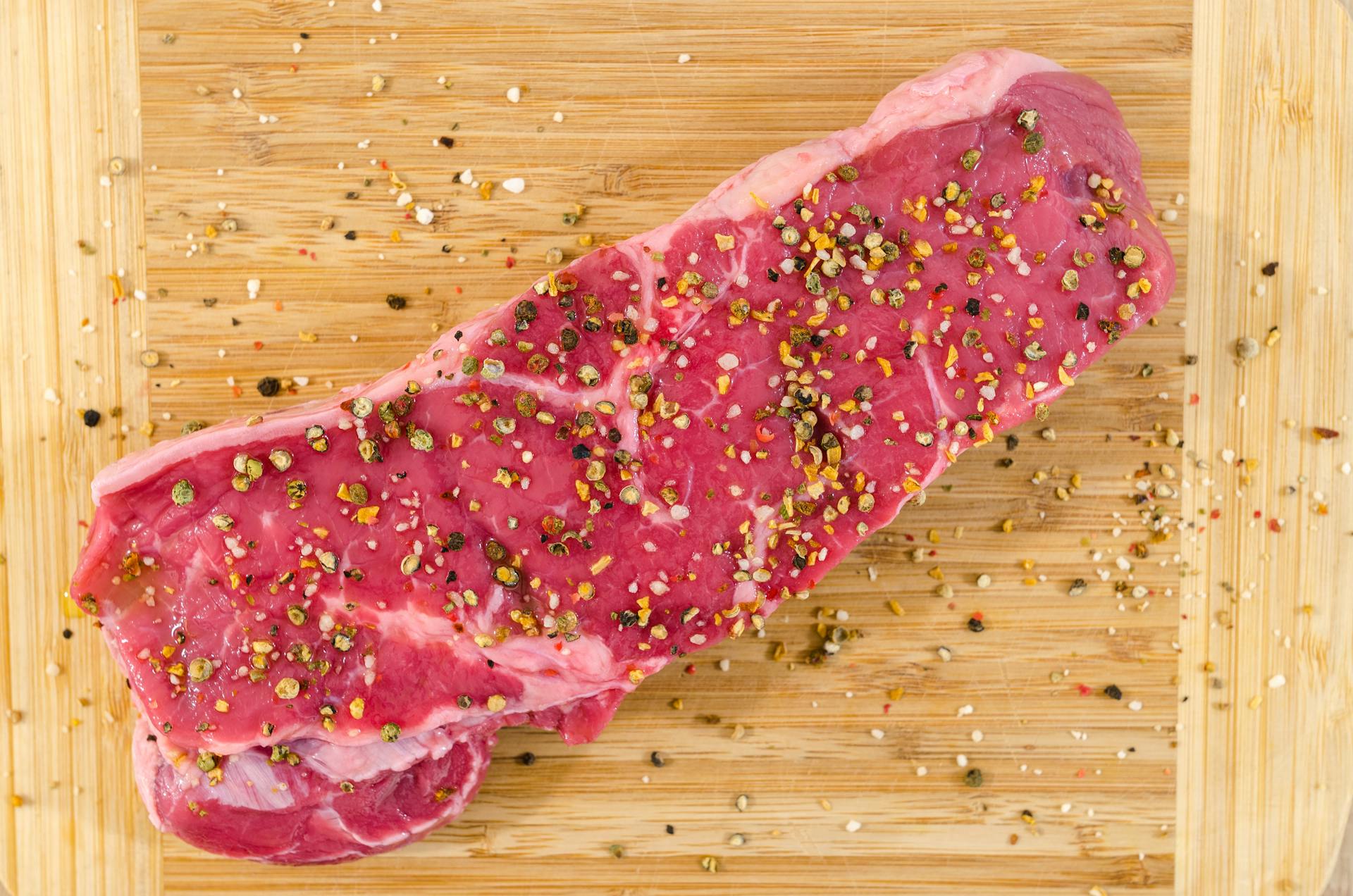
Defrosted Meat in the Fridge
Proper storage of defrosted meat in the refrigerator is essential to ensure its safety and quality. Understanding the significance of appropriate storage and following guidelines can help you avoid foodborne illnesses.
Importance of Proper Storage
Storing defrosted meat correctly is crucial to prevent bacterial growth and maintain its freshness. When meat is thawed, it enters a temperature range where bacteria can multiply rapidly if not stored correctly. Proper storage helps to:
- Maintain the meat's quality
- Prevent spoilage
- Reduce the risk of foodborne illnesses
Guidelines for Defrosted Meat
To ensure defrosted meat remains safe to consume, follow these simple guidelines:
- Refrigerate Immediately: Once the meat is defrosted, place it in the refrigerator promptly to keep it at a safe temperature.
- Use Appropriate Containers: Store the meat in airtight containers or sealed plastic bags to prevent contamination and leakage.
- Label and Date: Always label the container with the date of defrosting to keep track of how long the meat has been stored.
| Type of Meat | Recommended Storage Duration |
|---|---|
| Poultry (chicken, turkey) | 1-2 days |
| Red Meat (beef, pork, lamb) | 3-5 days |
| Fish and Seafood | 1-2 days |
For more specific guidelines, you can refer to articles on how long can defrosted chicken last in the fridge? or how long can defrosted tilapia stay in the fridge?.
Storing defrosted meat properly ensures that you can enjoy your meals without compromising on safety and quality. By following these guidelines, you can confidently manage your defrosted meat in the fridge.
Refrigeration Timeframes
When it comes to storing defrosted meat in the fridge, understanding the appropriate timeframes is essential to ensure food safety and minimize the risk of spoilage.
Refrigerator Temperatures
Maintaining the correct temperature in your refrigerator is crucial for preserving the quality and safety of defrosted meat. The ideal temperature for storing meat is below 40°F (4°C). This temperature range slows down bacterial growth, keeping your meat fresh for longer.
| Refrigerator Section | Recommended Temperature |
|---|---|
| Main Compartment | 34°F - 38°F (1°C - 3°C) |
| Meat Drawer | 32°F - 36°F (0°C - 2°C) |
It's important to regularly check your refrigerator's temperature using a reliable thermometer. This helps you ensure that your fridge is functioning properly and maintaining the optimal temperature for food storage.
Recommended Duration for Defrosted Meat
The duration for which you can safely store defrosted meat in the fridge depends on the type of meat. Here are some general guidelines for different types of defrosted meat:
| Type of Meat | Recommended Duration |
|---|---|
| Poultry (chicken, turkey) | 1-2 days |
| Ground Meat (beef, pork, lamb) | 1-2 days |
| Beef (steaks, roasts) | 3-5 days |
| Pork (chops, roasts) | 3-5 days |
| Fish and Seafood | 1-2 days |
For specific details on how long you can keep defrosted poultry, check out our article on how long can defrosted chicken last in the fridge?. If you're curious about storing defrosted fish, visit our page on how long can defrosted tilapia stay in the fridge?.
Always use your best judgment and inspect the meat for any signs of spoilage before cooking or consuming. For more tips on safe food storage, explore our guide on how long can food stay in a freezer without power? and other related topics.
Factors Affecting Storage Time
When determining how long you can leave defrosted meat in the fridge, several factors come into play. The type of meat and its initial quality significantly impact storage time.
Type of Meat
Different types of meat have varying storage times once defrosted. The biological composition and moisture content of the meat influence how long it remains safe to eat.
| Type of Meat | Recommended Storage Time (Days) |
|---|---|
| Chicken | 1-2 |
| Beef | 3-5 |
| Pork | 3-5 |
| Fish | 1-2 |
| Ground Meat | 1-2 |
For more specific guidelines, you can refer to our articles on how long can defrosted chicken last in the fridge? and how long can fresh ground beef stay in the fridge?.
Initial Quality of the Meat
The initial quality of the meat before freezing also affects how long it can be stored after defrosting. Meat that was frozen while fresh will last longer in the fridge compared to meat that was nearing its expiration date before freezing. Always check the sell-by or use-by dates before freezing meat to ensure its quality.
- Freshness: Meat that was frozen at peak freshness will have a longer fridge life after defrosting.
- Condition before Freezing: Meat that was already showing signs of spoilage or was close to its expiration date will not last as long.
- Storage Conditions: If the meat was stored in an airtight container or vacuum-sealed before freezing, it will maintain its quality better.
For more tips on safely storing and handling meat, see our article on how long can food stay in a freezer without power?.
Signs of Spoilage
Detecting spoilage in defrosted meat is crucial to ensure food safety. There are several indicators that can help you determine if the meat has gone bad.
Visual Changes
Look for any unusual changes in the appearance of the meat. Fresh meat should have a consistent color and texture. Spoiled meat often shows signs of discoloration, such as:
- Gray or brown hues: Fresh meat typically has a bright red or pink color. If the meat turns grayish or brown, it may be spoiled.
- Green or blue spots: These colors indicate mold growth, which is a clear sign of spoilage.
- Slimy texture: Fresh meat should feel firm and moist. A slimy or sticky surface is a warning sign.
Smell and Texture
The smell and texture of the meat can also indicate spoilage:
- Off-putting odor: Fresh meat has a mild, almost neutral smell. Spoiled meat emits a sour, rancid, or ammonia-like odor.
- Change in texture: Fresh meat should feel firm to the touch. Spoiled meat may become mushy, sticky, or slimy.
By recognizing these signs of spoilage, you can prevent foodborne illnesses and ensure that the meat you consume is safe. For more information on storing and handling defrosted meat, check out our articles on how long can defrosted chicken last in the fridge? and how long can fresh ground beef stay in the fridge?.
Safe Handling Practices
Storage Containers
Using the right storage containers is essential for maintaining the quality and safety of defrosted meat. Airtight containers or plastic wrap with sealed edges are ideal for preventing the meat from being exposed to air, which can lead to spoilage. Additionally, these containers help to contain any juices that might leak, reducing the risk of cross-contamination.
| Container Type | Advantages |
|---|---|
| Airtight Containers | Prevents air exposure and leakage |
| Plastic Wrap | Easy to use and seals tightly |
| Ziplock Bags | Convenient and space-saving |
Placement in the Fridge
Proper placement of defrosted meat in the fridge is crucial to ensure it stays fresh for as long as possible. Place the meat on the bottom shelf of the fridge, where it's coldest, and use a plate or tray to catch any drips. This helps to avoid contaminating other foods. Keeping meat away from ready-to-eat items further reduces the risk of cross-contamination.
| Fridge Section | Reason |
|---|---|
| Bottom Shelf | Coldest part, prevents drips onto other foods |
| Plate/Tray | Catches any drips, maintains cleanliness |
Avoiding Cross-Contamination
Cross-contamination can occur when raw meat juices come into contact with other foods. To minimize this risk, follow these practices:
- Always wash hands before and after handling raw meat.
- Use separate cutting boards for meat and other foods.
- Clean all utensils and surfaces thoroughly after use.
- Store raw meat in sealed containers away from ready-to-eat foods.
For more detailed guidelines on handling defrosted meat, you can explore our articles on how long can defrosted chicken last in the fridge? and how long can marinated chicken stay in the fridge?.
Implementing these safe handling practices can help ensure that your defrosted meat remains fresh and safe to eat, reducing the risk of foodborne illness.
Extended Storage Options
Freezing Defrosted Meat
Freezing defrosted meat can be a practical option if you need to extend its storage time. However, it's crucial to follow specific guidelines to ensure the meat remains safe and maintains its quality.
When freezing defrosted meat, ensure that it has not been out of the fridge for more than two hours. Always use airtight containers or heavy-duty freezer bags to prevent freezer burn and maintain freshness. Label the packaging with the date to keep track of how long it has been stored.
| Type of Meat | Safe Freezing Duration (Months) |
|---|---|
| Beef | 6 - 12 |
| Pork | 4 - 6 |
| Chicken | 9 - 12 |
| Fish | 3 - 6 |
For more information on storing specific types of meat, you can explore related articles such as how long can defrosted chicken last in the fridge? and how long can frozen chicken defrost in the fridge?.
Reheating Guidelines
Proper reheating of defrosted meat is essential to ensure that it is safe to eat. Follow these guidelines to reheat your meat effectively:
- Thaw the meat in the refrigerator if it has been frozen.
- Use a microwave, stovetop, or oven to reheat the meat. Ensure that the internal temperature reaches at least 165°F (74°C) to kill any harmful bacteria.
- Avoid reheating meat multiple times, as this can increase the risk of bacterial growth.
| Reheating Method | Internal Temperature (°F) |
|---|---|
| Microwave | 165 |
| Stovetop | 165 |
| Oven | 165 |
For more detailed tips on safely handling and reheating meat, visit our article on how long can food stay in a freezer without power? and how long can food sit in the fridge without power?.
By following these extended storage options, you can ensure that your defrosted meat remains safe and delicious for future meals.
Get Your Upgrade or New Addition at Fridge.com
Whether you're searching for your perfect fridge, freezer, wine fridge, beer fridge, ice maker, or kegerator, we have what you need.
Shop the world's best brands at Fridge.com.
We also have tons of awesome articles about kitchen stuff and home news. Enhance your home, garage, backyard, patio, and office with the coolest essentials. With every necessary type of residential refrigerator or freezer in our collection, we've got you covered.
Elevate your game and shop now at Fridge.com!