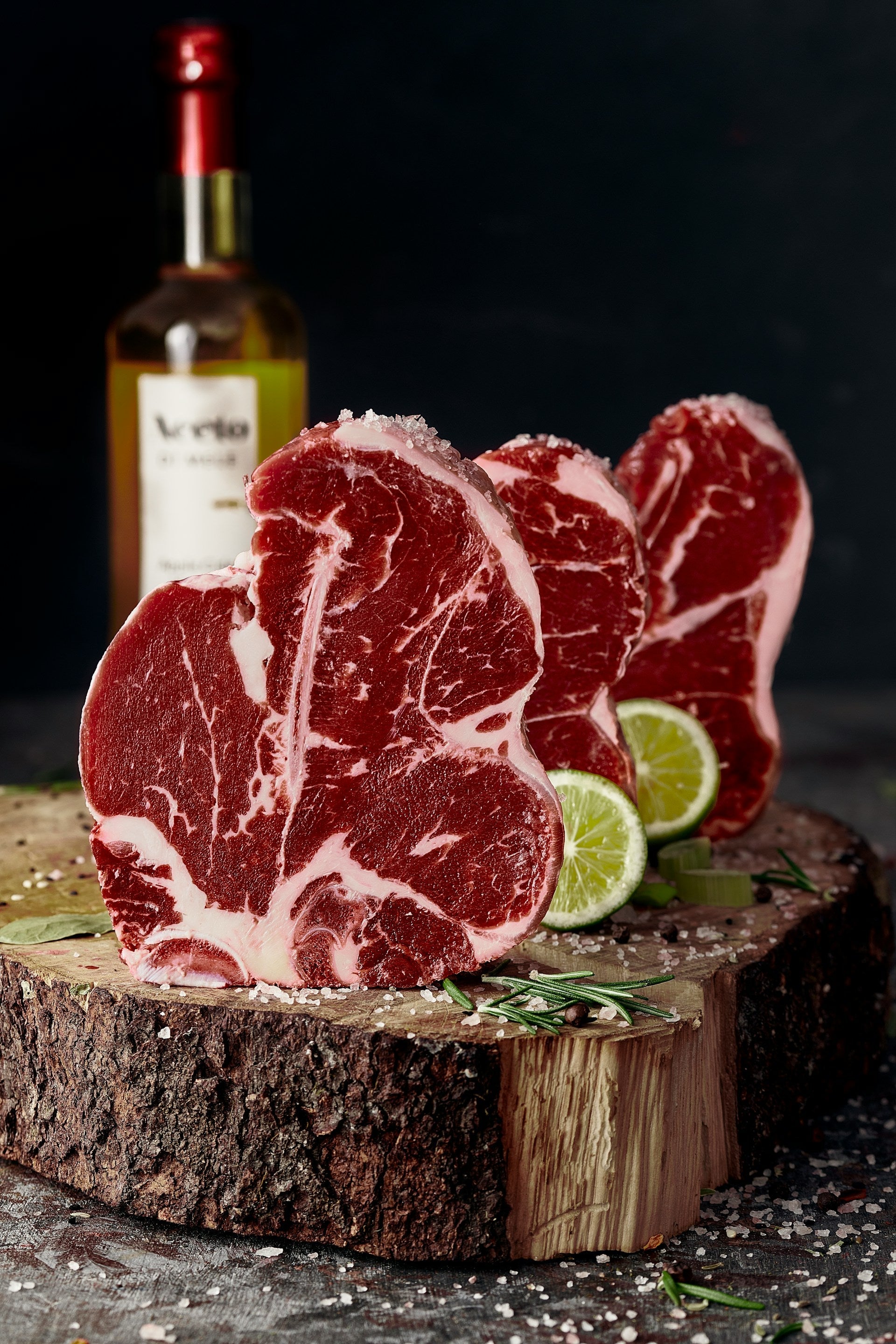
How Long Can Fresh Beef Stay In The Fridge?
Understanding Fresh Beef Storage
Proper storage of fresh beef is essential to maintain its quality and ensure its safety for consumption. By understanding the importance of proper storage and the factors that affect beef shelf life, you can make informed decisions when storing fresh beef in your fridge.
Importance of Proper Beef Storage
Storing fresh beef correctly is crucial to prevent the growth of harmful bacteria and ensure its safety. Proper storage helps to maintain the beef's freshness, flavor, and nutritional value. When beef is not stored correctly, it can spoil quickly, leading to foodborne illnesses and wastage.
Key reasons for proper beef storage include:
- Preventing bacterial growth
- Maintaining freshness and flavor
- Reducing food waste
- Ensuring food safety
Factors Affecting Beef Shelf Life
Several factors can influence how long fresh beef can stay in the fridge. Understanding these factors can help you maximize the shelf life of your beef and ensure it stays safe to eat.
Refrigerator Temperature: The temperature of your fridge plays a significant role in preserving beef. It is recommended to store fresh beef at or below 40°F (4°C). For more details on the ideal refrigerator temperature, read our article on thermometer for freezer and refrigerator.
Packaging: Proper packaging can extend the shelf life of fresh beef. Vacuum-sealed packaging or tightly wrapped meat in plastic wrap or aluminum foil can help prevent exposure to air and bacteria.
Storage Location: Where you store the beef in your fridge can also impact its shelf life. Storing beef in the coldest part of the fridge, typically the back, can help maintain its freshness. For more information on where to store beef in the fridge, visit our article on 67 inch height refrigerators french door.
Freshness of Beef: The initial freshness of the beef when you purchase it can affect its shelf life. Always check the expiration date and choose beef that looks and smells fresh.
Handling Practices: Proper handling of beef, such as using clean utensils and surfaces, can prevent cross-contamination and extend its shelf life. For more tips on handling fresh beef safely, see our article on safe handling of fresh beef.
By understanding these factors and following proper storage guidelines, you can ensure that your fresh beef stays safe and delicious for as long as possible. For further reading on related topics, check out our articles on how long can steak stay in the fridge raw? and how long can pork belly stay in the fridge?.
Fresh Beef Storage Guidelines
To ensure that your fresh beef stays safe and maintains its quality, proper storage in the refrigerator is crucial. Here are the guidelines for storing fresh beef in the fridge.
Refrigerator Temperature for Beef
Keeping the refrigerator at the correct temperature is essential for preserving the freshness of beef. The ideal temperature for storing fresh beef is below 40°F (4°C). This temperature slows down bacterial growth and helps maintain the beef's quality and safety.
| Storage Method | Ideal Temperature |
|---|---|
| Refrigerator | Below 40°F (4°C) |
Packaging Fresh Beef
Proper packaging plays a significant role in extending the shelf life of fresh beef. When you bring fresh beef home, ensure it is tightly wrapped or sealed to prevent exposure to air, which can cause spoilage and freezer burn. Use airtight containers or heavy-duty aluminum foil for the best results.
- Wrap tightly in plastic wrap
- Place in airtight containers
- Seal in heavy-duty aluminum foil
Where to Store Beef in the Fridge
Where you place the beef in the refrigerator can impact its shelf life. The coldest part of the fridge is typically the back of the bottom shelf, making it the best spot to store fresh beef. Avoid placing beef in the refrigerator door, as temperatures fluctuate more frequently there.
| Fridge Location | Temperature Stability |
|---|---|
| Back of Bottom Shelf | Most Stable |
| Refrigerator Door | Less Stable |
By following these guidelines, you can ensure your fresh beef stays safe and fresh for as long as possible. For more information on meat storage, see our articles on how long can pork belly stay in the fridge? and how long can steak stay in the fridge raw?.
Fresh Beef Storage Duration
Knowing how long fresh beef can stay in the fridge is crucial for maintaining its quality and ensuring food safety. Proper storage practices can help you maximize the shelf life of your beef while minimizing the risk of spoilage.
Refrigerated Fresh Beef Shelf Life
Fresh beef can be stored in the refrigerator for a specific period before it begins to deteriorate. The shelf life of beef varies depending on factors such as the cut of meat and how it is packaged.
| Beef Type | Refrigerator Shelf Life |
|---|---|
| Ground Beef | 1-2 days |
| Steaks | 3-5 days |
| Roasts | 3-5 days |
| Beef Cuts (e.g., ribs, brisket) | 3-5 days |
For optimal freshness, ensure your refrigerator is set to a temperature of 40°F (4°C) or lower. Proper packaging, such as airtight containers or vacuum-sealed bags, can also extend the shelf life of your beef. For more tips on storing beef, see our article on where to store beef in the fridge.
Signs of Spoiled Beef
It's essential to recognize the signs of spoiled beef to prevent foodborne illnesses. Spoiled beef exhibits certain characteristics that indicate it is no longer safe to consume.
- Color: Fresh beef is typically bright red or purplish in color. Spoiled beef may appear brown, gray, or have greenish patches.
- Odor: Fresh beef has a mild, meaty smell. If the beef has a sour, rancid, or ammonia-like odor, it is likely spoiled.
- Texture: Fresh beef should be firm to the touch. Spoiled beef may feel slimy, sticky, or tacky.
If you observe any of these signs, it is best to discard the beef to avoid potential health risks. For guidelines on how long other meats can stay in the fridge, check out our articles on how long can pork belly stay in the fridge? and how long does hamburger last in the fridge?.
Understanding the shelf life and signs of spoilage for fresh beef can help you make informed decisions about your food storage practices. Always prioritize food safety to ensure the health and well-being of you and your loved ones.
Extending Fresh Beef Shelf Life
Proper storage techniques can significantly extend the shelf life of fresh beef. This section covers freezing, thawing, and handling practices to ensure your beef remains safe and delicious.
Freezing Fresh Beef
Freezing is an effective way to extend the shelf life of fresh beef. When freezing beef, it's important to wrap it properly to prevent freezer burn and maintain quality. Use airtight packaging, such as heavy-duty aluminum foil, freezer paper, or vacuum-sealed bags.
| Beef Type | Freezer Shelf Life |
|---|---|
| Ground Beef | 3-4 months |
| Steaks | 6-12 months |
| Roasts | 4-12 months |
To maintain optimal quality, ensure your freezer is set to 0°F (-18°C) or lower. For more tips on freezing different types of meat, refer to our article on how long are steaks good in the freezer?.
Thawing and Refreezing Beef
Thawing frozen beef correctly is crucial to preserving its quality and safety. The safest method is to thaw beef in the refrigerator. Place the beef on a plate or in a container to catch any drips, and allow it to thaw slowly.
| Thawing Method | Approximate Time |
|---|---|
| Refrigerator | 24 hours per 5 lbs |
| Cold Water | 30 minutes per lb |
| Microwave | Variable (follow manufacturer's instructions) |
Avoid refreezing beef that has been thawed at room temperature or in the microwave, as this can compromise its safety. If beef has been thawed in the refrigerator, it can be safely refrozen within 1-2 days. For more details on thawing, check our guide on how long does raw beef last in the freezer?.
Proper Handling Practices
Handling fresh beef correctly is essential to ensure its safety and extend its shelf life. Follow these practices:
- Cleanliness: Wash your hands, utensils, and surfaces thoroughly before and after handling beef.
- Temperature: Keep beef at safe temperatures. Refrigerate at 40°F (4°C) or lower and freeze at 0°F (-18°C) or lower.
- Separation: Store beef separately from other foods to prevent cross-contamination.
- Packaging: Use airtight packaging to minimize exposure to air, which can cause spoilage.
For more information on safe handling and storage, visit our article on safe handling of fresh beef.
By following these guidelines, you can ensure your fresh beef stays safe and delicious for as long as possible. Explore additional resources such as how long can pork belly stay in the fridge? and how long does hamburger last in the fridge? for more insights into meat storage.
Safe Consumption Practices
Safe Handling of Fresh Beef
Proper handling of fresh beef is essential to avoid contamination and ensure safe consumption. Always start by washing your hands thoroughly before and after touching raw beef. Use separate cutting boards and utensils for raw meat to prevent cross-contamination. If you have questions about storing other types of meat, you might find our article on how long can steak stay in the fridge raw? useful.
Cooking Fresh Beef Safely
Cooking beef to the correct internal temperature is crucial for killing harmful bacteria. Use a meat thermometer to check that the internal temperature of beef reaches at least 145°F (63°C) for medium-rare, 160°F (71°C) for medium, and 170°F (77°C) for well-done. Ground beef should be cooked to an internal temperature of 160°F (71°C). For more tips on cooking and handling various meats, check out our article on how long does hamburger last in the fridge.
| Beef Cut | Minimum Internal Temperature |
|---|---|
| Steaks & Roasts | 145°F (63°C) |
| Ground Beef | 160°F (71°C) |
| Well-done | 170°F (77°C) |
Leftover Beef Storage
Storing leftover beef correctly ensures it remains safe to eat and extends its shelf life. Once cooked, refrigerate beef within two hours to prevent bacterial growth. Store it in an airtight container in the refrigerator. Leftover beef can generally be safely stored in the fridge for 3-4 days. For more details on storing leftovers, refer to our article on how long are clams good for in the fridge?.
| Storage Method | Duration |
|---|---|
| Refrigerator | 3-4 days |
| Freezer | 2-3 months |
Following these safe consumption practices will help ensure that your beef remains fresh and safe to eat, reducing the risk of foodborne illnesses.
Get Your Upgrade or New Addition at Fridge.com
Whether you're searching for your perfect fridge, freezer, wine fridge, beer fridge, ice maker, or kegerator, we have what you need.
Shop the world's best brands at Fridge.com.
We also have tons of awesome articles about kitchen stuff and home news. Enhance your home, garage, backyard, patio, and office with the coolest essentials. With every necessary type of residential refrigerator or freezer in our collection, we've got you covered.
Elevate your game and shop now at Fridge.com!