How Long Can Chicken Marinate In The Fridge?
Understanding Chicken Marination
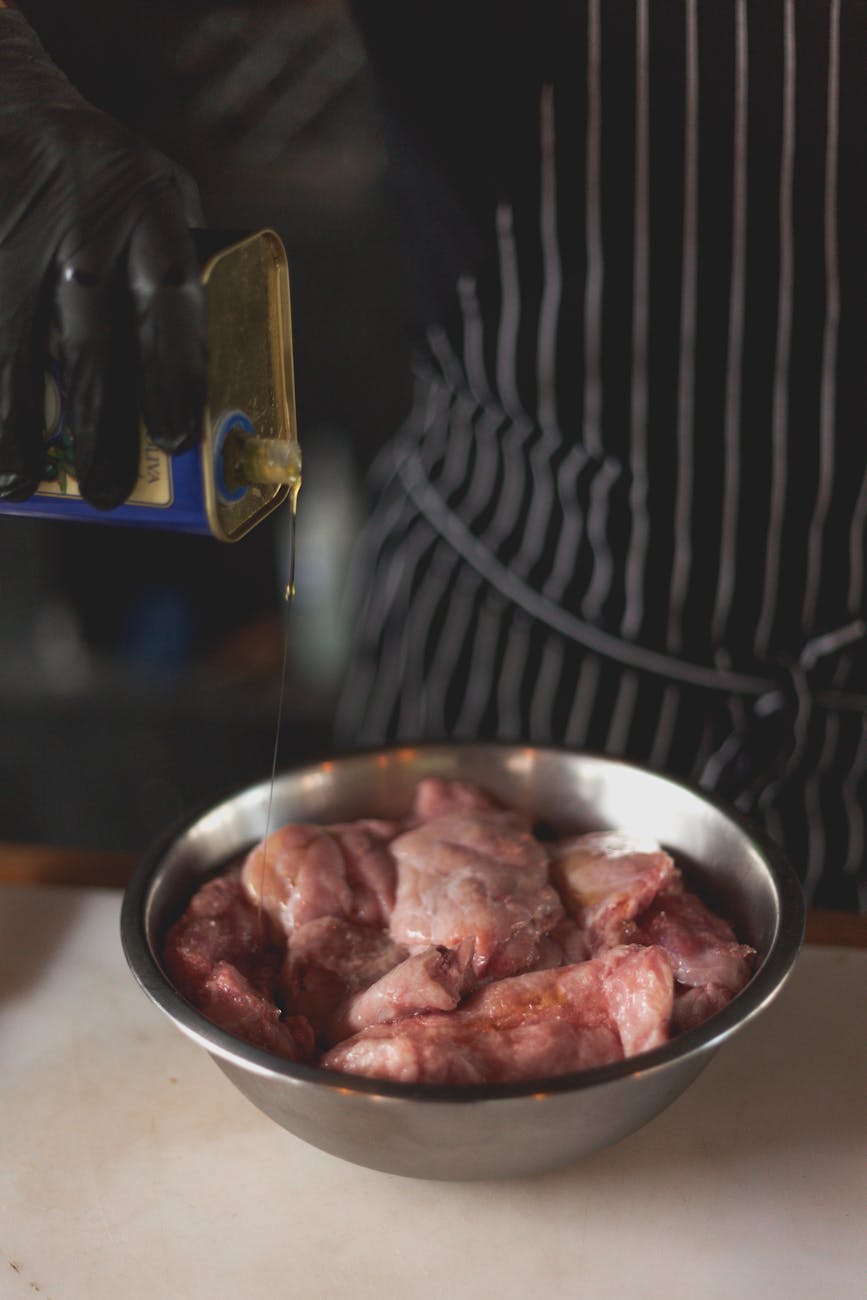
Marinating chicken is a culinary technique that can transform the flavor and texture of your poultry. Whether you're a seasoned chef or just starting out in the kitchen, understanding the marination process is key to achieving juicy, flavorful chicken.
Importance of Marinating Chicken
Marinating chicken serves several purposes. It helps to tenderize the meat by breaking down some of the proteins, making it more succulent and easier to chew. The marinade also imparts depth of flavor, ensuring that each bite is infused with the seasonings and aromatics you've chosen. Whether you're aiming for a bold, savory profile or a light, citrusy zest, marinating can help you achieve the desired taste.
Factors Affecting Marinating Time
The length of time you should marinate your chicken depends on several factors:
- Type of Marinade: Acidic marinades with ingredients like vinegar or citrus juice can act faster in tenderizing the chicken, which may reduce the marinating time.
- Cut of Chicken: Thicker cuts, like chicken breasts, may require longer marinating periods compared to thinner cuts such as cutlets or tenders.
- Desired Flavor Intensity: For a subtle hint of flavor, a short marinating time might suffice, while a more pronounced taste profile may necessitate a longer soak.
- Refrigeration: Keeping chicken in a marinade within the safe temperature zone is crucial to prevent bacterial growth. The 80/20 fridge freezer is an ideal option for maintaining the correct temperature during marination.
- Health and Safety Considerations: There is a maximum recommended marinating time to ensure food safety, beyond which the quality of the chicken might be compromised.
Understanding how these factors play into the marinating process will help you determine the optimal duration for your recipe. Always remember that marinating chicken is not only about infusing flavor but also about ensuring that the poultry is safe to consume. For information on the importance of keeping food at safe temperatures, read our article on fridge temp.
Marinating Guidelines
Understanding the right marinating time for chicken can be the difference between a flavorsome meal and a culinary misstep. In the fridge, marinating serves two functions: tenderizing and infusing flavor. The length of time you marinate your chicken is crucial to achieving the perfect balance.
General Rule of Thumb
When considering how long to marinate chicken in the fridge, the general rule of thumb is to marinate for at least 30 minutes but no more than 24 hours. This range allows the chicken to soak up the flavors without the texture starting to break down. Always marinate chicken in the refrigerator to prevent bacterial growth. For a deeper understanding of refrigeration and food safety, see why refrigeration is essential.
Different Marinating Times for Various Chicken Cuts
The marinating time can vary depending on the type of cut you are using. Below is a table outlining recommended marinating times for different chicken cuts:
| Chicken Cut | Minimum Marinating Time | Maximum Marinating Time |
|---|---|---|
| Breast | 30 minutes | 2 hours |
| Thighs | 1 hour | 12 hours |
| Drumsticks | 1 hour | 12 hours |
| Wings | 30 minutes | 2 hours |
| Whole Chicken | 1 hour | 24 hours |
These times are a guideline to ensure optimal flavor and texture. Chicken breasts, being less fatty, tend to require shorter marinating times, while darker meat like thighs and drumsticks can benefit from longer periods due to their denser texture. To avoid compromising the quality and safety of the meat, do not exceed the maximum recommended marinating time, especially when using acidic marinades which can cause the meat to become mushy over time. For storing your chicken during marination, consider the size and efficiency of your refrigerator; fridge size can impact how effectively it maintains the temperature and stores your marinating poultry safely.
Remember to always store your marinating chicken in a sealed container or marinating bag and position it on the bottom shelf to prevent any potential cross-contamination. If you're interested in exploring different refrigeration options that might be suitable for marinating, check out american fridge freezers or integrated fridge freezer 70/30 for ample space.
Refrigeration for Marinating
When it comes to marinating chicken, refrigeration is not just a suggestion—it is a necessity for food safety. The right marination techniques in combination with proper refrigeration practices can elevate your culinary experience while keeping you safe.
Safe Marinating Practices
To ensure safe marination, always place your chicken in a non-reactive container such as glass or food-grade plastic before introducing the marinade. Once submerged in the marinade, the container should be covered and placed in the refrigerator immediately. This practice keeps the chicken at a safe temperature, inhibiting the growth of harmful bacteria.
If you're using a resealable plastic bag for marination, make sure to expel as much air as possible before sealing. This not only allows the marinade to coat the chicken more evenly but also reduces the risk of leakage and cross-contamination within your refrigerator. For information on optimal fridge organization, visit our article on fridge size.
Here's a quick guide on where to place your marinating chicken in the refrigerator:
| Refrigerator Section | Temperature Range | Considerations |
|---|---|---|
| Main Shelf | 35-40°F (1.6-4.4°C) | Ideal for marinating chicken for short periods. |
| Lower Shelf | 35-40°F (1.6-4.4°C) | Best for longer marinations, further from frequent temperature changes. |
Why Refrigeration is Essential
Refrigeration is essential for marinating chicken safely because it slows down the proliferation of bacteria. The temperature inside a refrigerator ranges from 35°F to 40°F (1.6°C to 4.4°C), which is below the danger zone of 40°F to 140°F (4.4°C to 60°C) where bacteria multiply rapidly.
Marinating chicken outside the refrigerator, even for a brief period, can expose it to temperatures that promote bacterial growth, potentially leading to foodborne illnesses. It's crucial to understand that bacteria can be present on chicken even if it doesn't smell or look spoiled. For a historical perspective on the importance of refrigeration, you might find our article on when did refrigerators become common? insightful.
For those curious about the latest refrigeration technology, which can provide more precise temperature controls for delicate marination processes, check out our roundup of the top fridges 2023. And remember, no matter the duration of marination, always practice safe handling and refrigerate your chicken to enjoy delicious, well-seasoned meals without risking your health.
Marinating Duration
Marinating chicken can enhance its flavor and tenderness, but it's crucial to know how long you can safely keep your poultry in the marinade.
Short Marination Periods
Short marination periods are sufficient for adding a quick burst of flavor. If you're pressed for time, even a 30-minute soak can impart some taste to your chicken. For thin cuts or smaller pieces, this brief immersion can be surprisingly effective.
Recommended Marinating Times
When it comes to marinating chicken, different cuts require different amounts of time for optimal flavor infusion. Here's a guideline to help you determine the right marinating time for various chicken parts:
| Chicken Cut | Recommended Marinating Time |
|---|---|
| Breasts | 2-4 hours |
| Thighs | 4-6 hours |
| Drumsticks | 4-6 hours |
| Wings | 2-3 hours |
| Whole Chicken | 4-8 hours or overnight |
Always marinate your chicken in the refrigerator to prevent bacterial growth. For comprehensive tips on preserving your poultry, including the ideal fridge temp, check out our articles on safely marinating and storing food.
Extended Marination and Safety
While it might seem like a longer marination would lead to more flavorful chicken, there’s a point where it can become detrimental. Prolonged exposure to acidic or enzymatic marinades can break down the meat's fibers excessively, resulting in a mushy texture.
The maximum safe duration for marinating most chicken cuts in the fridge is up to 24 hours. Beyond this time frame, not only does the risk of bacterial growth increase, but the quality of the chicken may also start to deteriorate. Always make sure your refrigerator is functioning optimally by referencing our guides, such as when to consider an 80/20 fridge freezer or how to choose the right fridge size.
If you've marinated chicken and can't cook it within this time frame, you might wonder about freezing options. For insights into the best practices for freezing marinated chicken, explore articles like freezer freezer or outdoor freezer to understand the intricacies of frozen food storage. Remember, safety is paramount when handling and preparing chicken, so always adhere to recommended timelines to enjoy your meal without health concerns.
Marinating Techniques
Understanding the proper techniques for marinating chicken is crucial for infusing flavors and ensuring that your poultry is tender and delicious. Whether you opt for dry rubs or wet marinades, the method you choose can influence the taste and texture of your chicken.
Dry Rubs vs. Wet Marinades
Dry rubs are mixtures of herbs and spices that are rubbed onto the surface of the chicken. They are ideal for creating a crust that seals in juices and flavors during cooking. Dry rubs typically do not require as long marinating times as wet marinades because they adhere directly to the meat's surface.
| Dry Rubs | Wet Marinades |
|---|---|
| Coat the chicken's surface | Soak the chicken in liquid |
| Shorter marinating time | Longer marinating time |
| Form a flavorful crust | Infuse flavors deeply |
Wet marinades, on the other hand, are liquid solutions that can include ingredients like oils, vinegars, juices, and seasonings. These marinades not only flavor the chicken but also tenderize it by breaking down the proteins. Wet marinades often require longer periods in the fridge to allow the flavors to penetrate the meat fully.
Properly Applying Marinade
To properly apply a wet marinade, ensure that the chicken is fully submerged in the mixture. You can use a resealable plastic bag or a shallow dish covered with plastic wrap for this purpose. When using a dry rub, pat the chicken dry before generously coating it with the spice mix. Make sure to apply the rub evenly on all sides.
For those who use their refrigeration units efficiently, such as a fridge freezer combo or an 80/20 fridge freezer, marinating can be an excellent way to prepare meals ahead of time. Knowing your fridge size can help in organizing marinating meats properly.
Turning and Mixing Chicken in Marinade
It's important to turn and mix the chicken periodically while it marinates. This ensures that all parts of the chicken are equally exposed to the marinade, which can lead to more balanced and thorough flavoring.
For a wet marinade, you should turn the chicken in the marinade every few hours. If you're short on time, even just one turn halfway through the marinating process can be beneficial. When working with dry rubs, once the chicken is coated, it typically does not require further handling until you're ready to cook.
If you're interested in learning more about the storage capabilities of your refrigeration unit, such as a bar fridge, outdoor freezer, or tall refrigerators, and how they can affect your marinating process, you may explore articles like what is a refrigerator? or delve into the history with when did refrigerators become common?.
Remember, the goal of marinating is to enhance the natural flavors of your chicken, not to overshadow them. Experimenting with different marinating techniques can lead to delicious discoveries and an elevated dining experience. Whether you prefer a straightforward approach or enjoy exploring various marinating products, the key is to always keep food safety in mind, especially when determining how long can chicken marinate in the fridge?
Checking Chicken's Readiness
After marinating your chicken in the fridge, ensuring it's properly infused with flavor and ready for cooking is crucial. Here's how to determine if your poultry has been adequately marinated and to recognize the signs of over-marination.
Signs of Properly Marinated Chicken
A tell-tale sign of adequately marinated chicken is its appearance and texture. The chicken should have a consistent color change, indicating that the marinade has penetrated the surface. The meat may also appear slightly softer than its raw state, as the acids or enzymes in the marinade can tenderize the proteins.
| Visual Cue | Texture Change | Smell |
|---|---|---|
| Consistent color change | Slight softening of meat | Aromatic and matches marinade |
If you've used a recipe or guidelines from a trusted source, such as our freezer meal prep ideas, and followed the recommended marinating time, your chicken is likely ready for the next step in your culinary process.
Over-Marinating Concerns
While marinating can enhance flavor and tenderness, there is such a thing as over-marinating. Chicken, especially in acidic marinades, can become mushy if left to marinate for too long. The fibers in the meat break down too much, which can affect the texture and quality of the final dish.
Here's a quick reference table for maximum recommended marinating times:
| Chicken Cut | Maximum Marinating Time |
|---|---|
| Boneless, skinless breasts | 2 hours |
| Thighs, wings, drumsticks | 4 hours |
| Whole chicken | 4 hours |
If your chicken displays any of these signs, it's best to cook it promptly to prevent any further degradation of quality:
- Excessively soft or mushy texture
- Unpleasant or overly sour smell
- Visual signs of deterioration such as a greyish color
Always remember, marinating times can vary depending on the type of marinade used. For non-acidic marinades, you might be able to extend the marinating time. For more information on safe handling practices and ensuring the optimal freshness of your ingredients, explore our articles on how long can chicken marinate in the fridge? and fridge temp.
Tips for Best Results
When marinating chicken in the fridge, achieving the best flavor and ensuring safety are paramount. Here are some tips to help you enhance the taste of your chicken and handle it properly.
Flavor Enhancements
To elevate the taste of your chicken, consider:
- Adding fresh herbs to your marinade for a burst of flavor.
- Incorporating acidic components like lemon juice or vinegar not only adds zest but also helps tenderize the meat.
- Balancing your marinade with a sweet element, such as honey or brown sugar, can create a delicious caramelization when cooked.
- If you're looking for a deeper flavor, marinate your chicken for the longer end of the recommended time, but always within safe limits.
Remember, the flavor profile of your marinade should complement the final dish you are trying to create.
Experimenting with Ingredients
Don't be afraid to get creative with your marinade ingredients. Here are some ideas:
- For a spicy kick, add chopped chili peppers or a spoonful of hot sauce.
- Experiment with different oils, like sesame or olive oil, which can impact the richness of the marinade.
- Try out various cultural flavors, like soy sauce for an Asian-inspired dish or yogurt for Indian cuisine.
- Always ensure that the marinade covers the chicken completely for the flavors to penetrate evenly.
Safe Handling Practices
Proper food safety practices are crucial when it comes to marinating chicken. Here's what you need to keep in mind:
- Always marinate chicken in the refrigerator, never on the countertop, to prevent bacterial growth.
- Use a non-reactive container, such as glass or plastic, to avoid any chemical reaction with the marinade.
- Never reuse marinade that has been in contact with raw chicken unless boiled first to eliminate harmful bacteria.
- After marinating, cook the chicken to the appropriate internal temperature to ensure it is safe to eat.
For further information on refrigeration practices and the best appliances to store your marinated chicken, explore our resources like fridge size and fridge freezer combo.
By following these tips and adhering to the recommended marinating times, you can infuse your chicken with delicious flavors while keeping food safety a top priority. Whether you're using a bar fridge for small batches or a larger outdoor freezer for meal prep, understanding the right way to marinate chicken will lead to tastier and safer meals.
Get Your Upgrade or New Addition at Fridge.com
Whether you're searching for your perfect fridge, freezer, wine fridge, beer fridge, ice maker, or kegerator, we have what you need.
Shop the world's best brands at Fridge.com.
We also have tons of awesome articles about kitchen stuff and home news. Enhance your home, garage, backyard, patio, and office with the coolest essentials. With every necessary type of residential refrigerator or freezer in our collection, we've got you covered.
Elevate your game and shop now at Fridge.com!