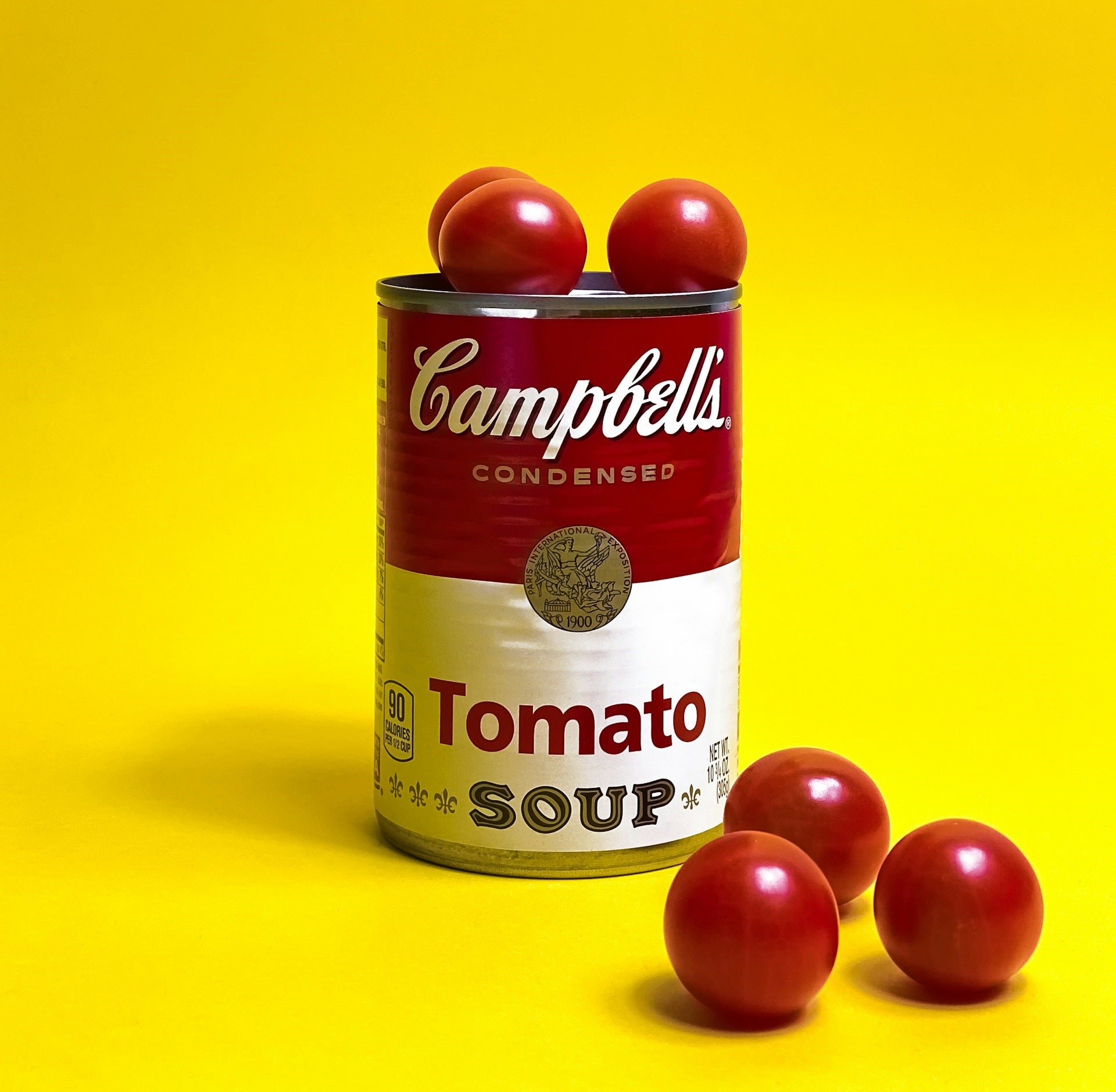
Keeping Your Canned Soup Fresh
Storing canned soup the right way is key to keeping it tasty and safe. Let's break down what you need to know to make your soup last longer and stay delicious.
Why Storage Matters
Storing canned soup properly isn't just about keeping it edible—it's about keeping it yummy and safe. When you store it right, canned soup can be your go-to meal for a long time. Mess it up, though, and you could end up with spoiled soup that tastes bad and might even make you sick.
Keep your canned soup in a cool, dry spot, away from sunlight. After you open it, pop any leftovers into an airtight container and stick it in the fridge. This keeps the flavor fresh and stops any nasty stuff from getting in.
What Affects Canned Soup's Shelf Life?
Several things can mess with how long your canned soup stays good in the fridge. Knowing these can help you store it better and keep it safe to eat.
Temperature: Your fridge should be at or below 40°F (4°C). This slows down bacteria and other germs that can spoil your soup.
Container: Once you open the can, move the soup to an airtight container before refrigerating. This keeps air out, which can cause spoilage and bad flavors.
Type of Soup: Some soups last longer than others. Brothy soups usually outlast creamy ones because they have less fat.
Ingredients: Soups with meat, dairy, or seafood spoil faster than veggie soups. Keep this in mind when storing.
Handling: Always use clean spoons or ladles to scoop out soup. Don’t let it sit out at room temperature for too long.
Here's a quick look at what affects your soup's shelf life:
| Factor | Impact on Shelf Life |
|---|---|
| Temperature | Keep it at or below 40°F (4°C) |
| Container | Use an airtight container |
| Type of Soup | Brothy soups last longer than creamy ones |
| Ingredients | Meat, dairy, and seafood spoil faster |
| Handling | Use clean utensils and avoid room temp |
For more tips on storing other foods, check out our guides on how long sausages last in the fridge and how long canned sardines last in the fridge.
By following these tips, you can make sure your canned soup stays fresh and tasty for as long as possible. Happy eating!
How Long Does Canned Soup Last in the Fridge?
Got a can of soup and wondering how long it’ll stay good in the fridge? Let’s break it down so you can keep your meals safe and tasty.
General Guidelines
Once you crack open that can of soup, it’s best to transfer it to an airtight container before popping it in the fridge. Here’s a quick rundown:
| Storage Method | Shelf Life |
|---|---|
| Unopened Canned Soup | Up to 1 year (in pantry) |
| Opened Canned Soup (Refrigerated) | 3-4 days |
For more on how long different foods last, check out our guides on how long sausages last in the fridge and how long canned corn lasts in the fridge.
Spoilage Signs
Nobody wants to eat spoiled soup. Here’s how to tell if your soup has gone bad:
- Weird Smell: If it smells funky or sour, toss it.
- Color Changes: Any odd colors or mold? Time to say goodbye.
- Texture: Slimy or thickened soup is a no-go.
- Taste: If it tastes off, don’t risk it.
- Bubbling: If it’s bubbling or fizzing, it’s definitely bad news.
Trust your senses. If something seems off, it’s better to be safe and throw it out.
Proper storage can help your soup last longer. For more food safety tips, check out our articles on how long processed foods last in the fridge and how long pre-cooked bacon lasts in the fridge.
Keeping Your Canned Soup Fresh
Want your canned soup to stay tasty and safe in the fridge? Follow these simple tips and tricks to keep it fresh for as long as possible.
Tips for Keeping Canned Soup Fresh
To get the most out of your canned soup, try these:
- Chill Quickly: Once you open the can, move any leftovers to an airtight container and pop it in the fridge within two hours.
- Seal It Tight: Use airtight containers to keep air out and slow down spoilage.
- Label and Date: Mark the container with the date you stored it. This way, you know how long it’s been in the fridge.
- Keep It Cool: Make sure your fridge is at 40°F (4°C) or lower to keep the soup fresh.
- Avoid Cross-Contamination: Store the soup away from raw meats and other perishables to prevent contamination.
Handling and Storing Canned Soup
How you handle and store your soup can make a big difference. Here’s what to do:
- Use Clean Containers: Always transfer the soup to clean, dry containers to avoid bacteria and other nasties.
- Seal Well: Make sure the containers are tightly closed to keep out air and moisture.
- Store Smart: Keep the soup in the main part of the fridge, not the door. The door’s temperature changes more often, which can spoil the soup faster.
- First In, First Out: Use the oldest soup first to make sure nothing sits in the fridge too long.
- Skip Freezing: Freezing can mess with the texture and flavor of canned soup. It’s better to eat it within the recommended fridge time.
| Storage Tips | What to Do |
|---|---|
| Chill Quickly | Fridge within two hours |
| Seal It Tight | Keep air out |
| Label and Date | Track storage time |
| Keep It Cool | 40°F (4°C) or lower |
| Avoid Cross-Contamination | Separate from raw meats |
Knowing how to handle and store your canned soup can keep it fresh and safe to eat. For more tips on storing other foods, check out our articles on how long can sausage last in the fridge? and how long can canned corn last in the fridge?. Follow these tips, and enjoy your soup longer!
Risks of Eating Expired Canned Soup
Health Concerns
Eating expired canned soup can be risky. When soup sits around too long, it can get contaminated and grow nasty bacteria. This can make you sick with symptoms like nausea, vomiting, diarrhea, stomach pain, and fever.
Here's a quick look at what can go wrong with expired canned soup:
| Problem | Symptoms |
|---|---|
| Bacterial Contamination | Nausea, vomiting, diarrhea, stomach pain, fever |
| Mold Growth | Allergic reactions, breathing problems |
| Chemical Contamination | Headaches, dizziness, nausea |
Always check for signs of spoilage before eating canned soup that's been in the fridge too long. For more info on how long other foods last in the fridge, check out our articles on how long can sausages last in the fridge? and how long can skirret last in the fridge?.
When to Toss Canned Soup
Knowing when to throw out canned soup is key to staying safe. Here are some signs it's time to say goodbye to that can:
- Bad Smell: If it smells sour or just plain bad, toss it.
- Weird Color: If the color looks off, it's probably spoiled.
- Odd Texture: If it's too thick, slimy, or has mold, get rid of it.
- Bulging Can: A bulging can means bacteria are having a party inside. Don't join them.
| Sign | Description |
|---|---|
| Bad Smell | Sour or foul odor |
| Weird Color | Discoloration or unusual color changes |
| Odd Texture | Thick, slimy, or moldy surface |
| Bulging Can | Indicates bacterial activity |
Always check the expiration date and store your soup properly. For more tips on storing food, visit our article on how long can processed foods last in the fridge?.
By keeping an eye out for these signs and knowing when to toss canned soup, you can avoid getting sick from expired food. For more on safe food handling, check out our article on how long can instant noodles last in the fridge?.
Safe Handling and Enjoyment of Canned Soup
Making sure you handle and eat canned soup the right way keeps it tasty and safe. Here’s how to do it right.
Heating Up Your Canned Soup
Warming up canned soup the right way is key to avoiding any nasty surprises. Here’s how to do it:
- Microwave-Safe Container: If you’re using a microwave, put the soup in a microwave-safe bowl.
- Heat Evenly: Stir the soup halfway through to make sure it heats up evenly and doesn’t have cold spots.
- Temperature Check: Make sure the soup hits at least 165°F (74°C) before you dig in.
| Reheating Method | Steps | Internal Temperature |
|---|---|---|
| Microwave | Transfer to bowl, heat on high for 1-3 minutes, stir halfway | 165°F (74°C) |
| Stovetop | Pour into pot, heat on medium, stir occasionally | 165°F (74°C) |
Keeping It Safe
Following these tips helps keep your soup safe and tasty:
- Check Expiration Date: Always look at the expiration date before opening the can.
- Inspect the Can: Don’t use cans that are dented, rusted, or bulging.
- Store Properly: Put any leftover soup in the fridge in an airtight container and eat it within 3-4 days.
- Avoid Cross-Contamination: Use clean utensils and surfaces when handling the soup to keep it germ-free.
For more tips on food storage, check out our articles on how long sausages last in the fridge and how long canned sardines last in the fridge.
By sticking to these simple steps, you can enjoy your canned soup without any worries.
Get Your Upgrade or New Addition at Fridge.com
Whether you're searching for your perfect fridge, freezer, wine fridge, beer fridge, ice maker, or kegerator, we have what you need.
Shop the world's best brands at Fridge.com.
We also have tons of awesome articles about kitchen stuff and home news. Enhance your home, garage, backyard, patio, and office with the coolest essentials. With every necessary type of residential refrigerator or freezer in our collection, we've got you covered.
Elevate your game and shop now at Fridge.com!