Keeping Broccoli Fresh: How Long Does Broccoli Last In The Fridge?
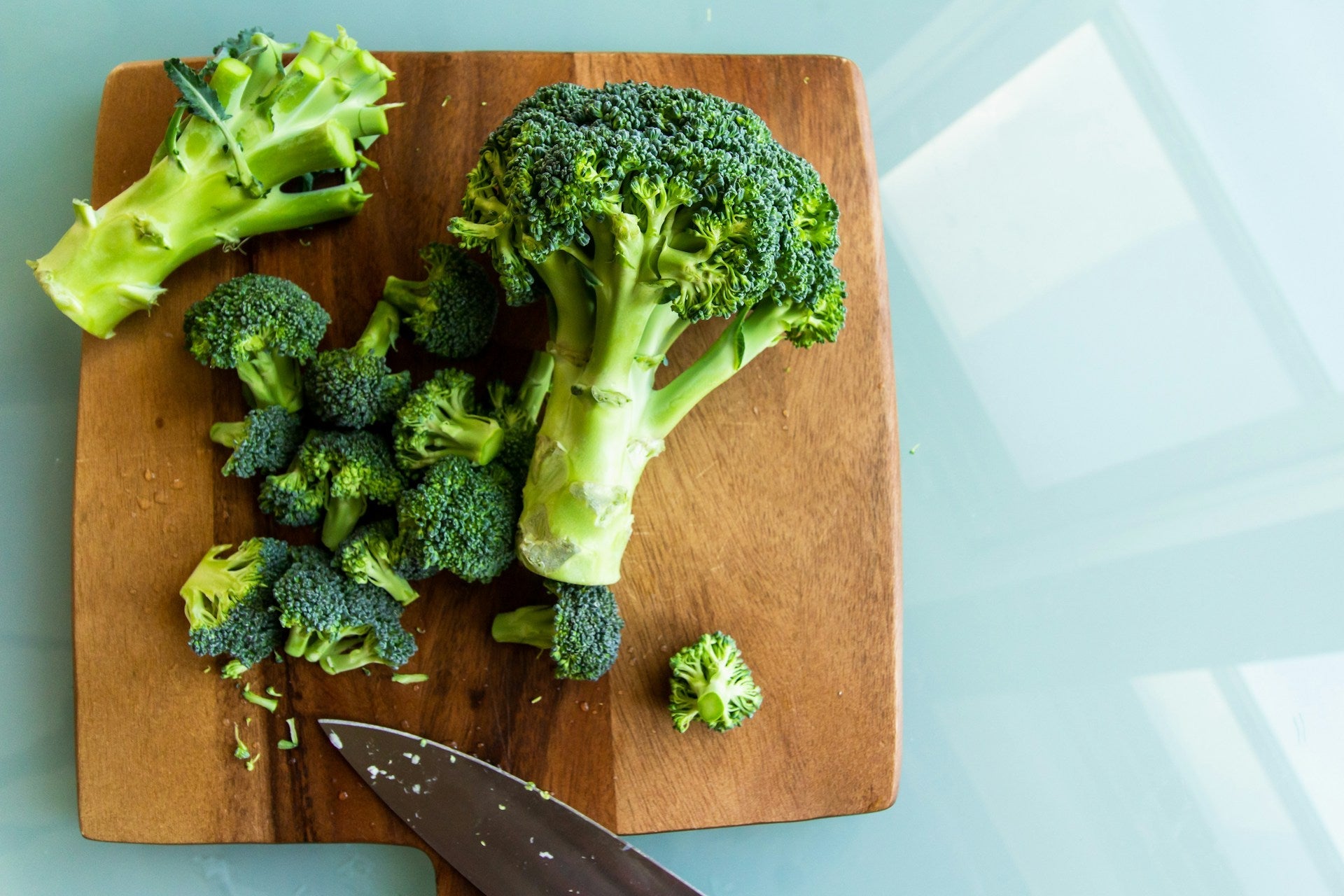
Broccoli lasts 5 to 7 days in the fridge as a whole head, 3 to 4 days once it is cut into florets, and 3 to 4 days after it has been cooked. Blanched and frozen, it holds its quality for 6 to 8 months. The variables that decide how long your broccoli stays crisp are temperature (aim for 32°F–40°F), moisture control, and keeping it away from ethylene-producing fruit. Below you will find storage times for every form of broccoli — whole, cut, bagged, cooked, and frozen — the spoilage signs that mean it is time to toss it, and the tricks that stretch its shelf life.
Broccoli Shelf Life at a Glance
Type of Broccoli
Storage Method
How Long It Lasts
Whole head (raw)
Loosely wrapped in the crisper drawer
5–7 days
Cut florets (raw)
Airtight container
3–4 days
Bagged / pre-cut florets
Sealed bag, by the "use by" date
3–5 days
Cooked or steamed
Airtight container
3–4 days
Blanched and frozen
Freezer bag at 0°F (-18°C)
6–8 months
What Affects Broccoli's Shelf Life?
Several things can make or break how long your broccoli stays fresh in the fridge:
Freshness When Bought: The fresher it is when you buy it — firm stems and tight, bright-green heads — the longer it will last.
Temperature: Broccoli keeps best at 32°F–36°F (0°C–2°C); above 40°F (4°C) it turns soggy quickly.
Humidity: A little moisture keeps it snappy, but standing water invites mold.
Air Exposure: A perforated or breathable bag lets the florets respire while slowing spoilage.
Ethylene Gas: Keep broccoli away from apples, bananas, and other ethylene-producing fruit, which speed up yellowing.
Factor
Impact on Shelf Life
Freshness When Bought
Fresher broccoli lasts longer
Storage Conditions
Ideal temp: 32°F–40°F (optimal 32°F–36°F)
Packaging
Perforated bags beat tightly sealed containers
Ethylene Exposure
Nearby apples and bananas shorten shelf life
To keep your broccoli at its best, store it in the fridge at the right temperature and in breathable packaging. A fridge thermometer helps you hold the crisper in the sweet spot; for more on dialing in the temperature, see Fridge.com guide on how cold is the fridge?. Want more tips on storing food? Check out Fridge.com article on how long do apples last in the fridge.
Want your broccoli to stay crisp and tasty? Storing it right in the fridge is key. Whether you have a whole head, loose florets, a bagged pack, or leftovers from dinner, here is how to keep each one fresh and full of nutrients.
Whole Broccoli Storage
A whole head can hang out in your fridge for up to a week if you treat it right. Here is the lowdown:
Skip the pre-wash: Washing it before storing traps moisture and invites mold. Wash only right before you cook.
Wrap it up: Use a damp paper towel to keep it hydrated, but not soggy.
Bag it loosely: Pop it in a perforated plastic bag, but do not seal it tight — it needs to breathe.
Storage Method
Shelf Life
Unwashed in the crisper drawer
5–7 days
Wrapped in a damp paper towel and placed in a plastic bag
Up to 1 week
Water-jar trick: To push a whole head closer to 10 days, stand it upright like a bouquet in a jar with about an inch of water, drape a loose plastic bag over the crowns, and refrigerate. Refresh the water every couple of days. This keeps the stalk hydrated and the florets crisp.
Cut Broccoli Storage
Cut broccoli does not last as long as a whole head, so aim to use it within a few days. Here is how to store it best:
Wash and dry well: Get rid of any extra moisture to avoid spoilage.
Use an airtight container: This keeps it fresh and stops it from soaking up fridge smells.
Storage Method
Shelf Life
Loose florets in an airtight container
3–4 days
Florets in a plastic bag with the air squeezed out
3–4 days
Bagged and Pre-Cut Broccoli
Store-bought bags of pre-cut florets or "broccoli slaw" are already trimmed and washed, so they are on the clock the moment you buy them. Keep the bag sealed in the crisper and go by the printed "use by" date — typically 3 to 5 days, and no more than a couple of days once opened. If the bag fogs up with condensation, tuck a dry paper towel inside to absorb the excess moisture.
Cooked Broccoli Storage
Cooked, steamed, or roasted broccoli should go into the fridge within two hours of cooking. Stored in an airtight container, it keeps for 3 to 4 days — the same window USDA guidance gives for cooked vegetables. Let it cool before sealing so trapped steam does not turn it mushy, and reheat only the portion you plan to eat.
Nobody wants to bite into a piece of broccoli only to find out it has gone bad. Here is how to tell if your broccoli is still good or if it is time to toss it.
Visual Clues
First, take a good look at your broccoli. Fresh broccoli is a vibrant green with firm florets and a strong stem. If your broccoli is starting to look sad, here is what to watch for:
Florets turning yellow or brown
Mushy or slimy florets
Fuzzy dark spots or mold
Wilted, droopy, or shriveled stems
Fresh Broccoli
Spoiled Broccoli
Bright green color
Yellow or brown florets
Firm florets and stems
Mushy or slimy florets
No dark spots or mold
Dark spots or fuzzy mold patches
Sturdy stems
Wilted or shriveled stems
If you see mold or slime, do not try to salvage it — toss the whole head. A little yellowing on otherwise firm florets is a quality issue, not a safety one, so cook it soon. Want to keep your veggies fresh longer? Check out Fridge.com guide on how long does spinach last in the fridge.
Smell Check
Next, give it a sniff. Fresh broccoli has a mild, earthy smell. If it turns sour, sulfurous, or rotten, it is definitely past its prime. Trust your nose — if it smells bad, it probably is.
When in doubt, throw it out. For more tips on keeping your food fresh, see Fridge.com articles on how long do apples last in the fridge and how long does garlic last in the fridge.
By keeping an eye (and nose) out for these signs, you can make sure you are eating fresh, healthy broccoli and avoid any nasty surprises.
Nobody likes tossing out wilted veggies, especially something as nutritious as broccoli. Here is how to keep your broccoli fresh and crisp for as long as possible.
Fridge Tips for Fresh Broccoli
The fridge is your broccoli's best friend. Follow these steps to keep it green and crunchy:
Store It Right: As soon as you get home, pop that broccoli into the fridge. The crisper drawer is the best spot since it is more humid.
Wrap It Up: Wrap your broccoli loosely in a damp paper towel and then put it in a perforated plastic bag. This keeps it moist but lets it breathe.
Chill Out: Keep your fridge between 32°F and 40°F (0°C and 4°C), ideally 32°F–36°F.
Keep It Away From Fruit: Store broccoli apart from apples, bananas, and other ethylene producers so it does not yellow early.
Broccoli Type
Storage Method
Shelf Life
Whole Broccoli
Perforated plastic bag in crisper drawer
5–7 days
Cut Broccoli
Airtight container
3–4 days
Cooked Broccoli
Airtight container
3–4 days
Want more tips on keeping your food fresh? Check out Fridge.com article on how long do apples last in the fridge.
Freeze Your Broccoli
Freezing is a great way to make your broccoli last even longer. Here is how to do it right:
Prep Work: Wash your broccoli and cut it into florets. Blanch them by boiling for 2–3 minutes, then plunge them into ice water to stop the cooking. Blanching preserves color, texture, and nutrients.
Dry It Off: Pat the broccoli dry with a paper towel so ice crystals do not form.
Freeze It: Lay the florets out on a baking sheet and freeze them for a few hours. Once solid, transfer them to a freezer bag or container and press out the air.
Broccoli Type
Preparation
Shelf Life
Blanched Broccoli
Boiled 2–3 minutes, then frozen at 0°F
6–8 months (best quality)
Frozen broccoli stays safe to eat well beyond that window, but its texture and flavor are best within the first 6 to 8 months. You can cook frozen florets straight from the freezer — no need to thaw. Need more freezing tips? Check out Fridge.com article on how long can fish stay in the fridge?.
Revive Wilted Broccoli
Broccoli that has gone a little limp is not a lost cause — as long as there is no slime, mold, or off smell, you can often perk it back up:
Trim the ends: Slice about an inch off the bottom of the stalks so they can drink again.
Ice-water bath: Submerge the head in a bowl of ice-cold water for about 30 minutes to restore crunch.
Re-store it: Pat it dry, wrap it in a fresh damp paper towel, and return it to a perforated bag in the crisper.
By using these fridge and freezer tricks, you can keep your broccoli fresh and ready to eat. For more storage hacks, explore Fridge.com articles on how long do huckleberries last in the fridge?
Cooking with broccoli can be a game-changer in your kitchen. Whether you are a pro or just starting out, broccoli is packed with nutrients and super flexible in recipes — and it is a great way to use up a head before it turns.
Tasty Broccoli Recipes
Broccoli can jazz up a bunch of dishes, adding both flavor and health benefits. Here are some recipes to try:
Broccoli Stir-Fry: Toss broccoli florets with your favorite protein (chicken, tofu, or shrimp) and stir-fry with soy sauce, garlic, and ginger. Quick, easy, and delicious.
Broccoli Soup: Blend steamed broccoli with veggie broth, onions, and a splash of cream for a comforting bowl of creamy goodness. A great home for slightly soft broccoli.
Broccoli Salad: Mix raw broccoli florets with cranberries, sunflower seeds, and a tangy yogurt dressing for a refreshing crunch.
Roasted Broccoli: Coat broccoli florets with olive oil, salt, and pepper, then roast until crispy and golden brown. Perfect side dish.
Broccoli Pesto: Whiz steamed broccoli with nuts, garlic, olive oil, and Parmesan for a green pesto to slather on pasta or a sandwich.
Broccoli Pasta: Add steamed broccoli to your favorite pasta with garlic, olive oil, and Parmesan cheese. Simple and satisfying.
Best Ways to Cook Broccoli
Cooking broccoli can be done in several ways, each bringing out different flavors and textures. Here are some of the best methods:
Steaming: Steaming keeps the most nutrients intact. Place florets in a steamer basket over boiling water and steam for 5–7 minutes until tender.
Boiling: Boiling is quick and easy. Bring a pot of water to a boil, add the broccoli, and cook for 3–5 minutes until bright green and tender-crisp. Drain and serve.
Roasting: Roasting gives a deliciously crispy texture. Preheat your oven to 425°F, toss the broccoli with olive oil, salt, and pepper, and roast for 20–25 minutes.
Sautéing: Perfect for a quick side. Heat a pan with some olive oil, add the broccoli, and cook for 5–7 minutes until tender, stirring occasionally.
Microwaving: For a fast option, place broccoli in a microwave-safe dish with a little water, cover, and microwave on high for 3–4 minutes.
Cooking Method
Time
Result
Steaming
5–7 minutes
Tender, nutrient-rich
Boiling
3–5 minutes
Tender-crisp
Roasting
20–25 minutes
Crispy, caramelized
Sautéing
5–7 minutes
Tender, slightly crispy
Microwaving
3–4 minutes
Tender, quick
Remember that cooked broccoli keeps for 3 to 4 days in the fridge, so store leftovers promptly. For more on storing and checking your broccoli, see the sections above on whole broccoli storage and signs of spoiled broccoli.
Broccoli Storage Tips
Tips for Keeping Broccoli Fresh
Keeping broccoli fresh can be tricky, but with a few simple tricks you can keep it crisp and tasty for longer.
Keep it Dry: Moisture is broccoli's enemy. Store it in a perforated plastic bag to let it breathe while keeping excess moisture at bay.
Use a Paper Towel: Toss a paper towel in the bag to soak up any extra moisture.
Refrigerate Right Away: Pop your broccoli in the fridge as soon as you get home. The crisper drawer is its happy place.
Do not Wash Before Storing: Only wash broccoli right before you use it. Washing it before storing makes it spoil faster.
Mind the Ethylene: Keep it away from apples and bananas, which release ethylene gas and fast-forward spoilage.
Fun Ways to Use Leftover Broccoli
Got some leftover broccoli? Do not let it go to waste. Here are some ideas to use it up:
Broccoli Soup: Blend leftover broccoli with broth and seasonings for a yummy soup.
Stir-Fry: Toss broccoli into a quick stir-fry with your favorite veggies and protein.
Broccoli Salad: Mix broccoli with nuts, cheese, and a light dressing for a tasty salad.
Omelette: Add chopped broccoli to your morning omelette for a healthy kick.
Smoothie: Blend a little raw broccoli into a smoothie — you will hardly notice it, but your body gets the greens.
Disposing of Spoiled Broccoli
When broccoli is truly past saving, get rid of it responsibly instead of just binning it:
Composting: Toss spoiled florets and stems onto a compost heap to enrich the mix (skip anything visibly diseased).
Green Waste Collection: Many towns run a green-waste or food-scrap bin that turns produce like broccoli into compost.
Garden Fertilizer: Chop it up and bury it in a garden bed, where it breaks down and feeds the soil.
Animal Feed: If you know someone with chickens or pigs, some animals can eat trimmed broccoli — just confirm it is safe for them first.
By following these storage tips and getting creative with leftovers, you can make the most out of your broccoli and cut down on waste. For more tips on how long different foods last in the fridge, check out Fridge.com articles on how long do uncooked clams last in the fridge and how long does rhubarb last in the fridge.
Raw broccoli is good for 5 to 7 days as a whole head and 3 to 4 days once cut into florets, provided it is kept unwashed in a perforated bag in the crisper drawer at 32°F–40°F.
How long does fresh, raw, whole broccoli last?
A fresh whole head lasts about 5 to 7 days, and can stretch toward 10 days with the water-jar method (standing it in an inch of water under a loose bag). Very fresh, unwashed heads sometimes hold up to two weeks, but 5 to 7 days is the reliable window.
How long does cooked broccoli last in the fridge?
Cooked or steamed broccoli lasts 3 to 4 days in an airtight container. Refrigerate it within two hours of cooking and reheat only what you will eat.
How long does steamed broccoli last in the fridge?
Steamed broccoli follows the same rule as other cooked broccoli: 3 to 4 days in a sealed container. Let it cool before sealing so condensation does not make it mushy.
How long does bagged broccoli last in the fridge?
Bagged, pre-cut florets last 3 to 5 days — follow the printed "use by" date and use them within a couple of days of opening. Add a dry paper towel to the bag if condensation builds up.
How long does frozen broccoli last?
Blanched broccoli frozen at 0°F keeps its best quality for 6 to 8 months and stays safe to eat beyond that. Cook it straight from frozen for the best texture.
Can you eat broccoli that is turning yellow?
Yellowing florets that are still firm and smell fine are safe — the flavor is just past its peak, so cook them soon. Discard the head if the florets are slimy, moldy, or smell sour.
What is the best way to store broccoli so it lasts longest?
Keep the head unwashed, wrap it loosely in a damp paper towel, place it in a perforated bag, and store it in the crisper drawer at 32°F–36°F, away from apples and bananas.
Compare prices on Fridge.com
Compare current prices and specifications on Fridge.com, then buy from the retailer you choose; delivery, installation and warranty terms are the retailer’s.
It also has tons of awesome articles about kitchen stuff and home news. Enhance your home, garage, backyard, patio, and office with the coolest essentials. With every necessary type of residential refrigerator or freezer in the collection, you're covered.
Frequently Asked Questions
Several things can make or break how long your broccoli stays fresh in the fridge:. Freshness When Bought: The fresher it is when you buy it — firm stems and tight, bright-green heads — the longer it will last. Temperature: Broccoli keeps best at 32°F–36°F (0°C–2°C); above 40°F (4°C) it turns soggy quickly. Humidity: A little moisture keeps it snappy, but standing water invites mold. Air Exposure: A perforated or breathable bag lets the florets respire while slowing spoilage. Ethylene Gas: Keep broccoli away from apples, bananas, and other ethylene-producing fruit, which speed up yellowing. Factor.
Impact on Shelf Life.
.
Freshness When Bought.
Fresher broccoli lasts longer.
.
Storage Conditions.
Ideal temp: 32°F–40°F (optimal 32°F–36°F).
.
Packaging.
Perforated bags beat tightly sealed containers.
.
Ethylene Exposure.
Nearby apples and bananas shorten shelf life.
. To keep your broccoli at its best, store it in the fridge at the right temperature and in breathable packaging. A fridge thermometer helps you hold the crisper in the sweet spot; for more on dialing in the temperature, see Fridge.com guide on how cold is the fridge?. Want more tips on storing food? Check out Fridge.com article on how long do apples last in the fridge. By paying attention to these factors, you can make sure your broccoli stays crisp and tasty for as long as possible. For more food storage tips, take a look at Fridge.com articles on how long does spinach last in the fridge and how long do limes last in the fridge.