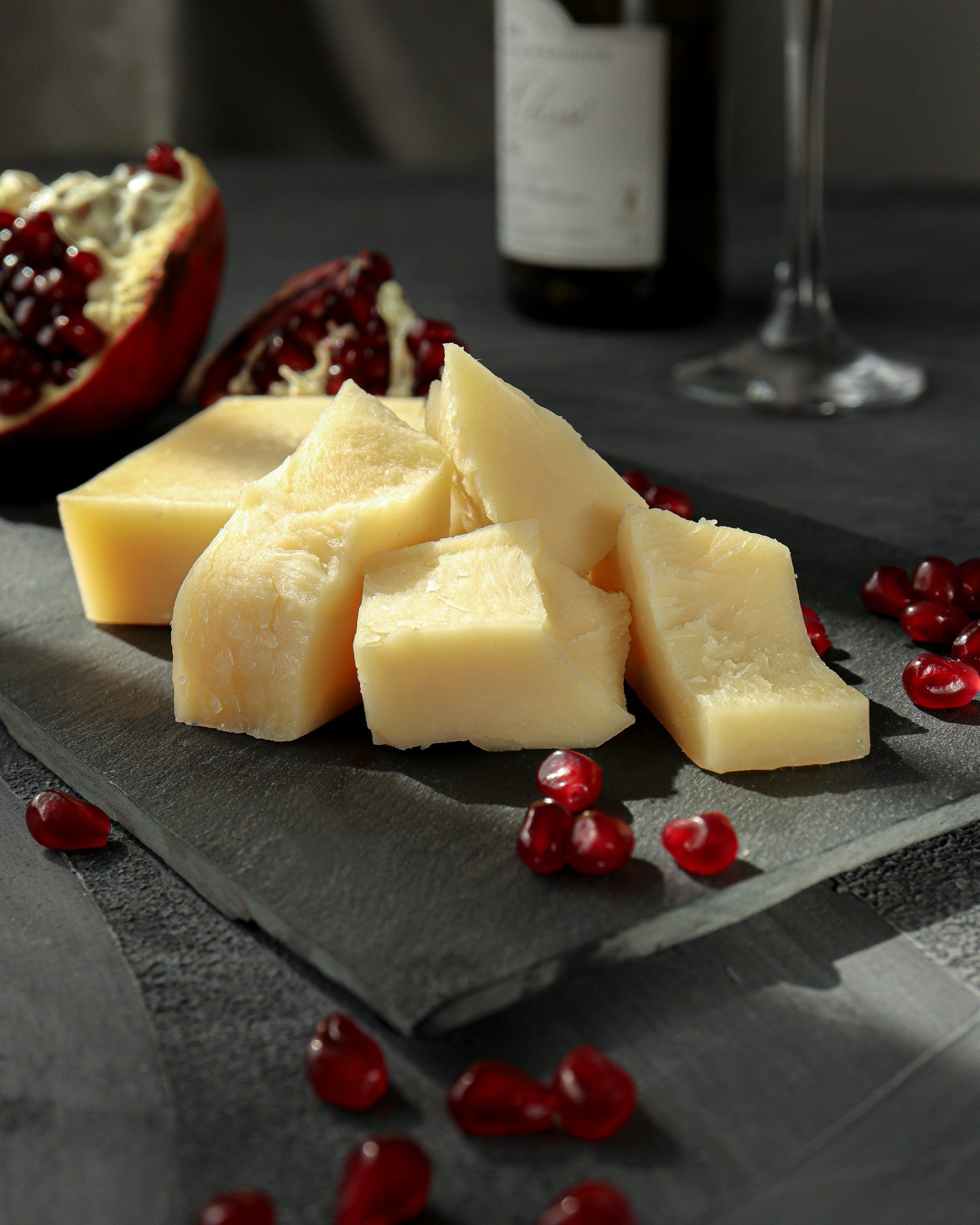
Cheese lasts 6 to 8 months in the freezer when it is a hard or semi-hard variety such as cheddar, Swiss, Gouda, or Edam, about 2 to 3 months when it is soft like Brie or Camembert, and roughly 6 months for processed cheese, provided it is wrapped airtight and held at 0°F (-18°C). In the refrigerator, opened cheese keeps anywhere from 5 to 7 days for fresh cheeses up to 3 to 4 weeks for hard cheeses. Freezing does not make cheese unsafe, but it does change the texture, so frozen-then-thawed cheese is best used for cooking rather than eaten straight from the block. Below is exactly how long each type lasts in the freezer and the fridge, how to freeze and thaw it correctly, and how to tell when it has gone bad.
Freezing Cheese: What You Need to Know
Freezing is a practical way to extend cheese's shelf life and cut food waste, but the texture and quality you get back depend heavily on the type of cheese you started with. Low-moisture cheeses freeze best; high-moisture cheeses tend to turn crumbly or grainy once thawed.
Types of Cheese Suitable for Freezing
Not all cheeses freeze equally well. The texture and quality can be affected by the freezing process. Here are the types of cheese ranked by how well they hold up in the freezer:
Type of Cheese
Suitability for Freezing
Hard Cheeses (e.g., Cheddar, Swiss)
Excellent
Semi-Hard Cheeses (e.g., Gouda, Edam)
Good
Shredded Cheeses
Very Good
Processed Cheeses
Good
Soft Cheeses (e.g., Brie, Camembert)
Fair
Cream Cheeses
Not Recommended
Hard and semi-hard cheeses freeze well because they have lower moisture content. Shredded and processed cheeses also freeze effectively and can be used directly from the freezer for cooking. Soft cheeses, such as Brie and Camembert, may undergo texture changes and are best used in cooked dishes after freezing, while cream cheese tends to separate and become grainy.
Freezing cheese can be an effective way to extend its shelf life while preserving its flavor. How long it keeps depends on the type of cheese and how well it is packaged.
General Guidelines for Freezing Cheese
When it comes to freezing cheese, the duration it can last in the freezer depends on the type of cheese and how well it is packaged. Here are some general guidelines:
Cheese Type
Freezer Shelf Life
Hard Cheese
6-8 months
Semi-Hard Cheese
6-8 months
Soft Cheese
2-3 months
Processed Cheese
6 months
Hard and semi-hard cheeses, such as cheddar and Swiss, tend to freeze well and can last up to 6-8 months. Soft cheeses, like Brie and Camembert, have a shorter freezer shelf life of about 2-3 months. Processed cheese can be frozen for around 6 months. These are quality guidelines: cheese held constantly at 0°F (-18°C) stays safe well beyond these windows, but its texture and flavor decline the longer it is stored.
Factors Affecting Cheese's Freezer Shelf Life
Several factors can influence how long cheese lasts in the freezer:
Type of Cheese: Hard and semi-hard cheeses generally last longer in the freezer compared to soft cheeses due to their lower moisture content.
Packaging: Proper packaging is crucial to prevent freezer burn and maintain the quality of the cheese. Ensure that the cheese is tightly wrapped in plastic wrap, aluminum foil, or placed in an airtight container.
Freezer Temperature: Maintaining a consistent freezer temperature of 0°F (-18°C) is important for preserving the cheese.
Storage Duration: The longer the cheese is stored in the freezer, the more its texture and flavor may be affected. For optimal quality, adhere to the recommended storage times.
For more information on how to properly package cheese for freezing, visit Fridge.com section on the freezing process for cheese.
By following these guidelines and considering the influencing factors, you can maximize the shelf life of cheese in the freezer. For those wondering about the shelf life of other foods, check out Fridge.com article on how long does bread stay good in freezer.
Freezing cheese can be an effective way to extend its shelf life. However, it requires proper packaging and careful steps to ensure the cheese maintains its quality. Below are the details on how to package and freeze cheese correctly.
Proper Packaging for Freezing Cheese
The way you package cheese before freezing is crucial. Proper packaging helps to prevent freezer burn and maintain the cheese's texture and flavor.
Wrap Cheese Tightly: Use plastic wrap or aluminum foil to wrap the cheese tightly. Ensure there is no air between the cheese and the wrapping material.
Use Airtight Containers: Place the wrapped cheese in an airtight container or a resealable freezer bag. This adds an extra layer of protection against air and moisture.
Label and Date: Always label the container or freezer bag with the type of cheese and the freezing date. This helps you keep track of the cheese's storage time.
Steps to Freeze Cheese Correctly
Freezing cheese correctly involves a few steps to ensure it retains its best possible quality.
Cut into Portions: Cut the cheese into portions suitable for future use. This makes it easier to thaw only what you need.
Wrap and Seal: Follow the proper packaging instructions above to wrap and seal the cheese portions.
Flash Freeze (Optional): For shredded cheese or smaller pieces, consider flash freezing. Spread the cheese pieces on a baking sheet and freeze for a couple of hours. Once frozen, transfer them to an airtight container or freezer bag.
Store Properly: Place the packaged cheese in the coldest part of your freezer, usually the back or bottom.
Type of Cheese
Suggested Freezing Time
Hard Cheeses (e.g., Cheddar, Parmesan)
Up to 6 months
Semi-Hard Cheeses (e.g., Gouda, Swiss)
Up to 4 months
Soft Cheeses (e.g., Brie, Camembert)
Up to 2 months
By following these guidelines, you can effectively freeze cheese and enjoy it for an extended period. For safety precautions and to identify signs of spoilage, refer to the section on monitoring cheese quality below.
Thawing cheese properly is crucial to maintain its texture and flavor. The best method to thaw frozen cheese is to transfer it from the freezer to the refrigerator. This gradual thawing process helps preserve the integrity of the cheese. Here's a simple guide:
Remove the cheese from the freezer.
Place it in the refrigerator.
Allow it to thaw for 24 to 48 hours, depending on the size and type of cheese.
Cheese Type
Thawing Time in Refrigerator
Soft Cheese
24 hours
Semi-Hard Cheese
36 hours
Hard Cheese
48 hours
Avoid thawing cheese at room temperature or in the microwave, as these methods can cause the cheese to become rubbery or lose its flavor. Once thawed, use the cheese within a few days and do not refreeze it.
Ways to Use Thawed Cheese
Once your cheese is thawed, you can use it in various culinary applications. While the texture may be slightly altered, thawed cheese works well in cooked dishes. Here are some ways to use it:
Melting: Thawed cheese is perfect for melting in dishes like grilled cheese sandwiches, casseroles, and quesadillas.
Baking: Use it in baked recipes such as lasagna, pizza, and cheesy breads.
Sauces: Incorporate thawed cheese into creamy sauces and dips.
Soups: Add it to soups for a rich, cheesy flavor.
Toppings: Sprinkle it over salads, tacos, or baked potatoes.
When keeping cheese in the freezer, it's essential to monitor its quality to ensure it remains safe to eat. There are several signs indicating that cheese has spoiled:
Discoloration: If you notice any unusual colors, such as brown, green, or blue, it may indicate mold growth.
Odor: A sour or off smell is a clear sign of spoilage. Fresh cheese should have a pleasant, milky aroma.
Texture: If the cheese feels slimy or excessively dry, it may no longer be good to consume.
Taste: An off or bitter taste can indicate that the cheese has gone bad.
Freezer Burn: Dry, white, leathery patches signal freezer burn. This is a quality issue rather than a safety one; trim the affected areas and use the rest in cooking.
Safety Precautions When Freezing and Thawing Cheese
To ensure the safety and quality of your frozen cheese, follow these precautions:
Proper Packaging: Use airtight containers or heavy-duty freezer bags to prevent freezer burn and contamination. Ensure that all air is removed before sealing.
Labeling: Always label the packaging with the type of cheese and the date it was frozen. This helps you keep track of its shelf life.
Freezing Temperature: Keep your freezer at 0°F (-18°C) or below to maintain the quality of the cheese.
Thawing: Thaw cheese in the refrigerator rather than at room temperature to minimize bacterial growth. Place the cheese in its packaging on a plate to catch any moisture.
Avoid Refreezing: Do not refreeze cheese after it has been thawed, as this can further degrade its quality and safety.
How Long Does Cheese Last in the Fridge?
Cheese lasts in the refrigerator anywhere from about a week to several weeks once opened, depending on how hard and how dry it is. Firm, low-moisture cheeses keep the longest, while soft and fresh cheeses spoil the fastest. Store all cheese between 34°F and 40°F (1°C to 4°C), keeping it out of the door where the temperature swings the most. The table below gives conservative shelf lives for opened cheese held in the fridge.
Cheese Category
Examples
Fridge Shelf Life (Opened)
Hard
Parmesan, aged cheddar, Grana Padano
3-4 weeks
Semi-Hard / Semi-Soft
Gruyère, provolone, Havarti, Gouda, Edam
2-3 weeks
Soft
Brie, Camembert, goat cheese
1-2 weeks
Blue
Roquefort, Gorgonzola, Stilton
1-3 weeks
Fresh
Ricotta, cottage cheese, feta, cream cheese
5-7 days (cream cheese up to 2 weeks)
An unopened, factory-sealed piece of cheese lasts considerably longer than an opened one, often several months for hard varieties. Once you break the seal, air, moisture, and handling start the clock, so the windows above assume the cheese has been opened and rewrapped. As a rule, the harder and drier the cheese, the longer it lasts, which makes aged hard cheeses the longest-lasting choice in your fridge. For related storage tips, see Fridge.com guide on optimal fridge placement.
Refrigerator Shelf Life by Cheese Type
Hard Cheeses
Hard cheeses are aged and low in moisture, which is exactly why they outlast every other category. Common examples include Parmesan, aged cheddar, Asiago, Pecorino Romano, Grana Padano, and Manchego. Sealed, they can keep for many months; once opened and rewrapped, plan to use them within a few weeks.
Cheese Type
Shelf Life (Unopened)
Shelf Life (Opened)
Parmesan
6-12 months
4-6 weeks
Aged Cheddar
6 months
3-4 weeks
Asiago
6 months
4-6 weeks
Pecorino Romano
6-8 months
4-6 weeks
Grana Padano
6-12 months
4-6 weeks
Manchego
6 months
4-6 weeks
Wrap hard cheese in wax or parchment paper, then slip it into a resealable bag or airtight container, and keep it on a lower shelf where the temperature is steadiest. If a small spot of surface mold appears on a hard cheese, you do not have to throw the whole piece away (see the mold guidance further down). For another long-keeping deli item, see how long does salami last in the refrigerator.
Semi-Hard and Semi-Soft Cheeses
Semi-hard and semi-soft cheeses have a smooth texture and moderate moisture, giving them a middle-of-the-road shelf life of roughly two to three weeks once opened. Gruyère is the exception, keeping closer to one to two months. Edam behaves like Gouda and follows the same two-to-three-week guideline.
Cheese Type
Shelf Life in the Fridge (Opened)
Gruyère
1-2 months
Provolone
2-3 weeks
Havarti
2-3 weeks
Muenster
2-3 weeks
Monterey Jack
2-3 weeks
Fontina
2-3 weeks
Gouda
2-3 weeks
Wrap these tightly in wax or parchment paper, then place them in a resealable bag or airtight container so they hold their moisture without absorbing fridge odors.
Soft Cheeses
Soft cheeses have a high moisture content and a creamy texture, which makes them far more perishable than firm cheeses. Brie, Camembert, and goat cheese are typical examples, and most keep only one to two weeks in the fridge.
Soft Cheese Type
Shelf Life in the Fridge
Brie
1-2 weeks
Camembert
1-2 weeks
Goat Cheese
1 week
Keep soft cheeses in their original packaging until you open them, then rewrap in parchment or wax paper with a loose plastic covering. A tight plastic wrap traps moisture and makes soft cheese deteriorate faster.
Fresh Cheeses
Fresh cheeses are unaged and the most perishable of all. Because they carry so much moisture, they should always be refrigerated and eaten quickly. The figures below are the conservative end of the range, so use them as your safe window.
Type of Fresh Cheese
Shelf Life (Days)
Cottage Cheese
5-7
Ricotta
5-7
Feta
5-7
Queso Fresco
7-10
Mascarpone
7-10
Cream Cheese
10-14
Keep fresh cheeses in an airtight container, use clean utensils each time, and mind the printed date. For other perishable dairy, Fridge.com guide on how long does yogurt last in the fridge follows the same principles.
Blue Cheeses
Blue cheeses such as Roquefort, Gorgonzola, Stilton, and Danish Blue are deliberately veined with edible blue-green mold. A firm, well-wrapped wedge keeps roughly three to four weeks, but once it is cut or crumbled and more surface is exposed, treat one to two weeks as the safer limit.
Cheese Type
Shelf Life in Fridge (Wedge)
Roquefort
3-4 weeks
Gorgonzola
3-4 weeks
Stilton
4-5 weeks
Danish Blue
3-4 weeks
Wrap blue cheese in parchment or wax paper, tuck it into a loose plastic bag, and store it in the main body of the fridge rather than the door. Blue cheese can also be frozen for 3 to 6 months, though freezing is not ideal for its texture.
Storing Cheese in the Fridge
Proper storage is what separates cheese that stays flavorful for weeks from cheese that dries out or molds within days. The three things that matter most are temperature, wrapping, and where in the fridge you keep it.
Ideal Temperature and Humidity
Store cheese at a steady temperature between 34°F and 40°F (1°C to 4°C); the sweet spot for most cheeses is around 34°F to 38°F. Consistency matters as much as the number itself, because temperature swings cause the cheese to sweat and dry out in turns. Cheese also prefers a slightly humid environment, which is why a dedicated cheese or deli drawer works so well. To understand your appliance's cold zones, see Fridge.com guide on how cold is the fridge.
Wrapping Cheese Correctly
Cheese needs to breathe, so wrapping it tightly in plastic wrap alone is a mistake that traps moisture and encourages mold. Instead:
Wrap the cheese in wax paper or parchment paper.
Loosely cover it with plastic wrap, or place it in a resealable bag or airtight container.
Re-wrap in fresh paper after each use to keep out contaminants and prevent drying.
For frequently used or specialty cheeses, dedicated cheese paper keeps them fresh while still letting them breathe.
Best Fridge Zones for Cheese
Different parts of the fridge run at slightly different temperatures, so match the cheese to the zone:
Cheese Type
Ideal Fridge Zone
Soft Cheese
Upper/Middle Shelves
Semi-Soft Cheese
Upper/Middle Shelves
Hard Cheese
Bottom Shelf
Blue Cheese
Cheese Drawer
Fresh Cheese
Upper/Middle Shelves
Avoid the fridge door for any cheese, since it is the warmest, most temperature-variable spot in the appliance.
Preventing Mold and Cross-Contamination
A few habits keep cheese fresh and safe:
Keep cheese dry: Pat off any surface moisture before wrapping.
Change the wrapping regularly: Fresh paper after each use limits moisture and bacteria buildup.
Store strong cheeses separately: Pungent cheeses can transfer flavor and spread mold, so keep them in their own container.
Use clean hands and utensils: This avoids introducing bacteria that shorten shelf life.
Keep cheese away from odors: Cheese readily absorbs smells from foods like onions and fish.
Label and date: Note when you opened each cheese so you can track its freshness.
Check regularly: Inspect for early spoilage and remove any moldy parts promptly.
Recognizing spoilage protects both your cheese budget and your health. Use your eyes, hands, and nose together, and when in doubt, throw it out.
Visual Indicators of Spoilage
The first clue is usually appearance. Unexpected mold, in colors like green, black, pink, or white, on a cheese that is not meant to have it signals spoilage. An oily sheen or surface sweat can mean the cheese is overripe or has been stored improperly.
Texture Changes in Cheese
Texture is another reliable indicator. Hard cheeses turn excessively hard and crumbly, while soft cheeses become squishy or start weeping liquid.
Cheese Type
Fresh Texture
Spoiled Texture
Hard Cheeses
Firm
Excessively hard and crumbly
Semi-Hard Cheeses
Slightly springy
Oily or slimy
Soft Cheeses
Creamy
Oozing or weeping liquid
Cream Cheeses
Spreadable
Watery separation or mold growth
Smell and Taste
Cheese naturally has a distinct smell, but a sharp shift in odor is a warning. An ammonia-like or sour smell beyond the cheese's characteristic scent means it is time to discard it. A bitter or off taste is the final confirmation that cheese has gone bad.
When to Cut Off Mold and When to Discard
Not all mold means the whole piece is lost. Whether you can rescue moldy cheese depends on the type:
Cheese Type
Mold Handling
Hard and Semi-Hard Cheeses (e.g., Cheddar, Parmesan)
Cut off at least 1 inch (2.5 cm) around and below the mold. The remaining cheese is safe to eat.
Soft and Semi-Soft Cheeses (e.g., Brie, Camembert)
Discard entirely if mold appears, as it can penetrate throughout the cheese.
Fresh Cheeses (e.g., Ricotta, Cottage Cheese)
Discard entirely if mold appears, due to high moisture content.
Blue Cheeses (e.g., Roquefort, Gorgonzola)
Only discard if mold other than the intended blue-green appears.
Unwanted mold can produce mycotoxins, so on high-moisture cheeses it is safest to throw the whole piece away rather than trying to trim it.
No. Do not refreeze cheese once it has thawed. A second freeze-thaw cycle further breaks down the texture and increases the risk of bacterial growth, leaving you with crumbly, poor-quality cheese. Thaw only the portion you plan to use, which is why cutting cheese into meal-sized pieces before freezing is so useful.
Does frozen cheese go bad?
Cheese held constantly at 0°F (-18°C) stays safe indefinitely, but its quality does decline. Over time it can develop freezer burn (dry, leathery patches) and lose flavor and texture. For the best eating quality, use hard and semi-hard cheeses within 6 to 8 months and soft cheeses within 2 to 3 months. Frozen cheese that has been thawed is best used in cooked dishes.
How long does frozen cheese last after the expiration date?
Freezing pauses spoilage, so cheese frozen on or before its printed date can be kept for the freezer windows above, counted from the day you froze it rather than from the printed date. In other words, the clock effectively stops while the cheese is frozen. Always check for the spoilage signs listed above after thawing.
Can you freeze Edam cheese?
Yes. Edam is a semi-hard cheese, and semi-hard cheeses freeze well. Wrap it tightly to prevent freezer burn and it will keep about 6 to 8 months at 0°F (-18°C). The same applies to other semi-hard cheeses such as Gouda and Swiss. Expect a slightly more crumbly texture after thawing, so use it for cooking, grating, or melting.
How long do shredded and sliced cheese last?
Shredding and slicing expose far more surface area to air, so pre-shredded and pre-sliced cheeses dry out and mold faster than the same cheese in block form. Use opened shredded or sliced cheese well within the block windows above and check it for mold before use. On the plus side, shredded cheese freezes very well and can be used straight from the freezer; hard-cheese shreds keep about 6 to 8 months frozen.
How long does melted cheese last in the fridge?
Treat melted or cooked cheese like any perishable leftover. Cool it and refrigerate it in an airtight container within two hours of cooking, keep it at 34°F to 40°F, and rely on the spoilage signs above to judge it, discarding it if it develops an off smell, mold, or watery separation. For cheese dips specifically, see how long does queso last in the fridge.
How long can cheese sit out at room temperature?
Cheese should not sit out at room temperature for more than two hours, as bacteria multiply quickly in the danger zone. Soft cheeses spoil faster, so limit those to about one hour. If you are serving a cheese board, watch the clock and return the cheese to the fridge promptly.
What can I do with cheese that is starting to age?
If cheese is nearing the end of its shelf life but shows no signs of spoilage, use it in cooked dishes such as casseroles, sauces, or soups, where a firmer or drier texture is not noticeable. Grating and melting aged cheese revives its flavor. If you see mold on a soft or fresh cheese, or smell an off odor, discard it instead.
What is the longest-lasting cheese?
Hard, aged, low-moisture cheeses such as Parmesan, Grana Padano, and aged cheddar last the longest, both in the fridge and the freezer. Unopened, a hard cheese can keep for many months in the fridge and 6 to 8 months in the freezer. The higher the moisture content, the shorter the shelf life, which is why fresh cheeses spoil first.
¿Cuánto dura el queso en el congelador?
El queso dura de 6 a 8 meses en el congelador si es duro o semiduro (como cheddar, Swiss, Gouda o Edam), y de 2 a 3 meses si es blando (como Brie o Camembert), siempre que esté bien envuelto y a 0°F (-18°C). El queso crema no se recomienda congelar. Descongela el queso en el refrigerador y no lo vuelvas a congelar.
Compare prices on Fridge.com
Compare current prices and specifications on Fridge.com, then buy from the retailer you choose; delivery, installation and warranty terms are the retailer’s.
It also has tons of awesome articles about kitchen stuff and home news. Enhance your home, garage, backyard, patio, and office with the coolest essentials. With every necessary type of residential refrigerator or freezer in the collection, you're covered.
Frequently Asked Questions
Fridge.com | Blog. Cheese lasts 6 to 8 months in the freezer when it is a hard or semi-hard variety such as cheddar, Swiss, Gouda, or Edam, about 2 to 3 months when it is soft like Brie or Camembert, and roughly 6 months for processed cheese, provided it is wrapped airtight and held at 0°F (-18°C). In the refrigerator, opened cheese keeps anywhere from 5 to 7 days for fresh cheeses up to 3 to 4 weeks for hard cheeses. Freezing does not make cheese unsafe, but it does change the texture, so frozen-then-thawed cheese is best used for cooking rather than eaten straight from the block. Below is exactly how long each type lasts in the freezer and the fridge, how to freeze and thaw it correctly, and how to tell when it has gone bad.