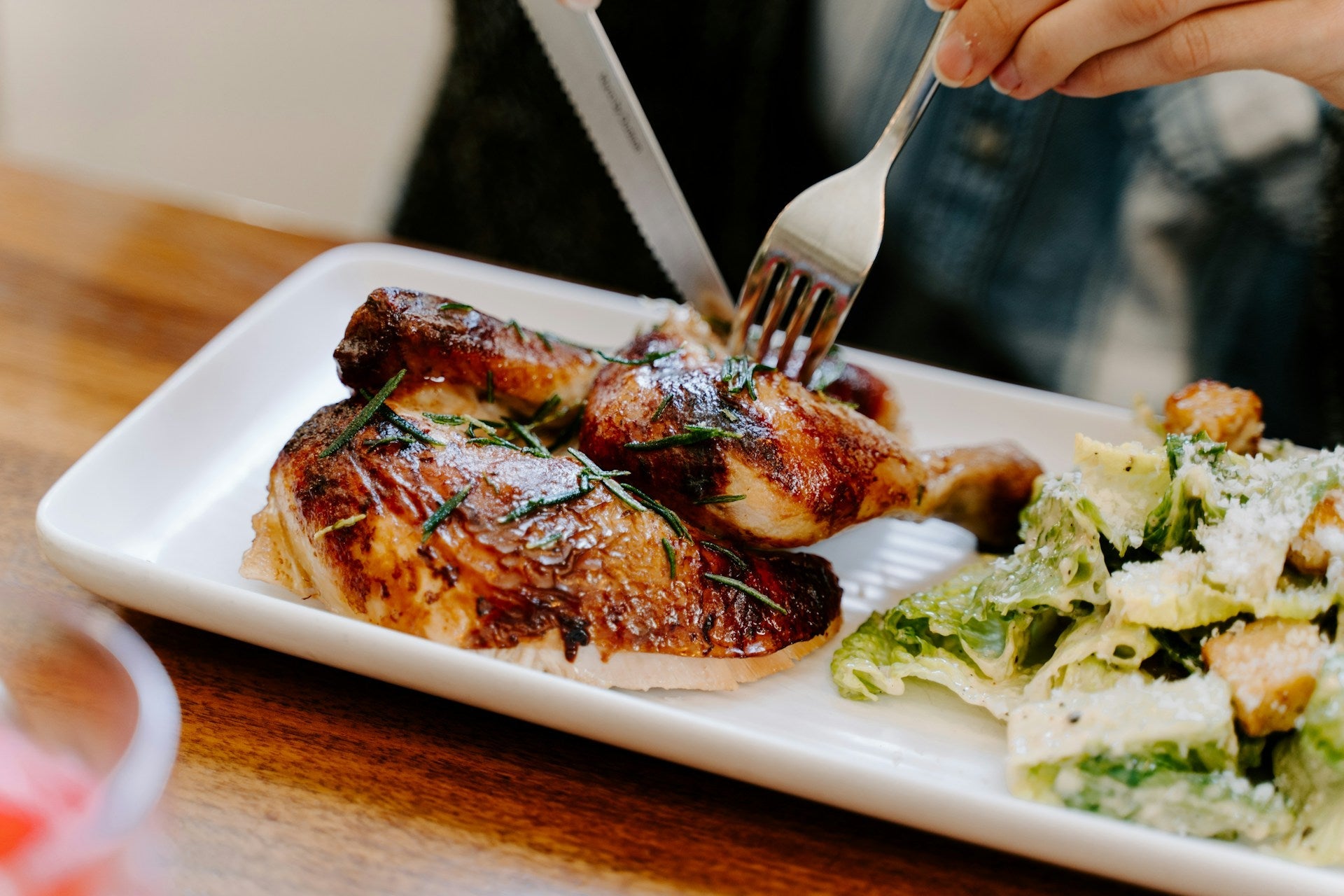
Storing Roasted Chicken in the Fridge
Proper storage of roasted chicken is essential to maintain its quality and safety. Understanding the factors that affect its shelf life can help you enjoy your meal without concerns.
Importance of Proper Storage
Storing roasted chicken correctly is crucial to prevent foodborne illnesses and maintain its taste and texture. Refrigeration slows down the growth of bacteria, ensuring that your chicken remains safe to consume. Using airtight containers or wrapping the chicken tightly in aluminum foil or plastic wrap can further protect it from contamination and moisture loss.
Factors Affecting Shelf Life
Several factors influence how long roasted chicken can last in the fridge. These include the initial freshness of the chicken, the temperature of your refrigerator, and how the chicken is stored.
| Factor | Impact on Shelf Life |
|---|---|
| Initial Freshness | Fresher chicken lasts longer in the fridge. |
| Refrigerator Temperature | Ideal temperature is below 40°F (4°C). |
| Storage Method | Airtight containers or proper wrapping preserves quality. |
To maximize the shelf life of your roasted chicken, ensure your refrigerator maintains a consistent temperature below 40°F (4°C). For more information on refrigeration guidelines, visit our article on how long are cooked ribs good in the refrigerator?.
By understanding and implementing these storage practices, you can enjoy your roasted chicken safely and deliciously for several days. If you have any leftovers, consider exploring creative meal ideas and proper storage recommendations in our article on how long are chicken wings good for in the fridge?.
Freshly Roasted Chicken
Proper storage of freshly roasted chicken is crucial to maintain its safety and flavor. Understanding how to refrigerate it correctly and knowing how long it stays fresh can help you maximize its shelf life.
Initial Refrigeration
Once your roasted chicken is cooked, it's essential to refrigerate it as soon as possible to prevent bacterial growth. Allow the chicken to cool down to room temperature. This usually takes about 30 minutes. Once cooled, place the chicken in an airtight container or wrap it tightly with aluminum foil or plastic wrap.
For optimal storage, ensure that your refrigerator is set to a temperature below 40°F (4°C). This helps in keeping the chicken fresh and safe to eat. If you are unsure about the ideal temperature settings for your fridge, refer to our guide on temperature considerations.
Duration of Freshness
The shelf life of roasted chicken in the fridge depends on how well it is stored. Generally, freshly roasted chicken can last between 3 to 4 days in the refrigerator. It's important to consume the chicken within this timeframe to ensure its safety and flavor.
| Storage Method | Duration of Freshness |
|---|---|
| Airtight Container | 3 - 4 Days |
| Aluminum Foil/Plastic Wrap | 3 - 4 Days |
If you have leftovers beyond this period, consider freezing the chicken to extend its shelf life. For more tips on freezing, check out our article on the freezing process.
By following these guidelines, you can enjoy your roasted chicken safely and deliciously over multiple meals. For creative ways to utilize leftovers, explore our section on creative meal ideas.
Refrigeration Guidelines
To ensure your roasted chicken stays fresh and safe to eat, it's important to follow proper refrigeration guidelines. This includes managing temperature and using the right packaging methods.
Temperature Considerations
The temperature at which you store your roasted chicken in the fridge is crucial for its longevity. The ideal temperature range to store cooked chicken is between 34°F and 40°F (1°C to 4°C). Storing chicken at this temperature slows down the growth of bacteria, helping to keep it fresh for a longer period.
| Temperature (°F) | Chicken Shelf Life (Days) |
|---|---|
| 34°F - 40°F | 3 - 4 |
| Above 40°F | Unsafe |
To maintain this temperature range, ensure your refrigerator is set correctly. An appliance thermometer can help you monitor and adjust the temperature as needed. For more details on refrigerator settings, refer to our guide on do you turn your fridge up or down in hot weather?.
Packaging for Storage
Proper packaging is essential for extending the shelf life of roasted chicken in the fridge. Using the right materials and techniques can prevent contamination and preserve the chicken's quality.
- Airtight Containers: Store the chicken in airtight containers to prevent air exposure and moisture loss.
- Plastic Wrap and Aluminum Foil: Wrap the chicken tightly in plastic wrap or aluminum foil to keep it fresh.
- Vacuum Sealing: For longer storage, consider vacuum sealing the chicken to remove air and prevent bacterial growth.
| Packaging Method | Shelf Life Extension (Days) |
|---|---|
| Airtight Containers | 3 - 4 |
| Plastic Wrap or Aluminum Foil | 3 - 4 |
| Vacuum Sealing | 5 - 7 |
Proper packaging not only helps in maintaining freshness but also prevents cross-contamination with other foods in the fridge. For more tips on food storage, check out our article on how long are cooked ribs good in the refrigerator?.
By following these refrigeration guidelines, you can ensure that your roasted chicken remains safe to eat and retains its flavor for several days. For more information on food safety and storage, explore our related articles on how long are baked beans good in the refrigerator? and how long are cooked eggs good in the refrigerator?.
Signs of Spoilage
Identifying the signs of spoilage in roasted chicken is crucial for ensuring food safety. Recognizing these indicators can help you avoid consuming potentially harmful food. Here are the primary signs to look for:
Visual Changes
Visual cues are often the first indicators that your roasted chicken has gone bad. Pay attention to changes in color, texture, and the presence of mold or other growths.
- Color: Fresh roasted chicken typically has a golden-brown color. If you notice that the meat has turned gray, green, or any other unnatural color, it is likely spoiled.
- Texture: Spoiled chicken may develop a slimy or sticky texture. Fresh chicken should be firm and moist, but not overly slippery.
- Mold: The appearance of mold or fuzzy growth on the chicken is a clear sign that it should be discarded immediately.
| Sign of Spoilage | Description |
|---|---|
| Color Change | Gray, green, or unnatural hues |
| Texture Change | Slimy or sticky surface |
| Mold | Visible mold or fuzzy growth |
Smell and Texture
The smell and texture of roasted chicken can also provide important clues about its freshness. Trust your senses to determine if the chicken is still safe to eat.
- Smell: Fresh roasted chicken has a mild, savory aroma. If the chicken emits a sour, rancid, or off-putting odor, it's a strong indication that it has spoiled.
- Texture: While fresh chicken should be firm, spoiled chicken may feel mushy or overly soft. Any significant change in texture is a warning sign that the chicken is no longer safe to consume.
| Sign of Spoilage | Description |
|---|---|
| Smell | Sour, rancid, or off-putting odor |
| Texture | Mushy or overly soft feel |
For further information on related topics, you may want to read about how long are cooked pork chops good in the fridge and how long are cooked ribs good in the refrigerator. Understanding these signs of spoilage will help you maintain food safety in your kitchen.
Maximizing Shelf Life
Proper Handling Techniques
Proper handling of roasted chicken is essential for maximizing its shelf life in the fridge. Follow these steps to ensure your chicken stays fresh:
- Immediate Refrigeration: Once the chicken is roasted, allow it to cool slightly before refrigerating, but do not leave it out for more than two hours.
- Clean Storage: Store the chicken in clean, airtight containers or tightly wrapped in foil or plastic wrap to prevent contamination and moisture loss.
- Portioning: If you plan to use the chicken over several days, consider portioning it into smaller containers. This reduces the number of times the entire chicken is exposed to air and potential contaminants.
- Labeling: Label the storage containers with the date of refrigeration. This helps keep track of how long the chicken has been stored and ensures it is consumed within a safe period.
Safe Reheating Practices
Reheating roasted chicken correctly is crucial for maintaining its quality and ensuring it is safe to eat. Follow these guidelines:
- Temperature Check: Ensure the chicken is reheated to an internal temperature of 165°F (74°C) to kill any potential bacteria.
- Even Heating: Reheat the chicken evenly. If using a microwave, cover the chicken and stir it occasionally to avoid cold spots where bacteria can survive.
- Avoid Overheating: Overheating can dry out the chicken. Use moderate heat settings and check frequently.
| Reheating Method | Temperature | Duration |
|---|---|---|
| Microwave | High | 2-3 minutes (stir halfway) |
| Oven | 350°F (175°C) | 20-30 minutes |
| Stovetop | Medium | 5-10 minutes |
For more detailed tips on handling and reheating, check out our article on how long are cooked ribs good in the refrigerator.
By following these proper handling techniques and safe reheating practices, you can maximize the shelf life of your roasted chicken and enjoy it safely over several days. For further information on food storage, see our articles on how long can beef tenderloin stay in the fridge? and how long are cooked vegetables good in the fridge?.
Utilizing Leftover Roasted Chicken
Leftover roasted chicken can be a versatile ingredient in your kitchen. Proper storage and creative meal ideas can help you make the most of it.
Creative Meal Ideas
Transforming leftover roasted chicken into new dishes can add variety to your meals. Here are some creative ideas:
- Chicken Salad: Combine shredded chicken with mayonnaise, celery, and seasonings for a delicious chicken salad.
- Chicken Tacos: Use the chicken as a filling for tacos, adding toppings like lettuce, cheese, and salsa.
- Chicken Soup: Add the chicken to a pot of broth with vegetables and noodles for a hearty soup.
- Chicken Casserole: Mix the chicken with vegetables, pasta, and a creamy sauce, then bake for a comforting casserole.
- Chicken Stir-Fry: Stir-fry the chicken with your favorite vegetables and a savory sauce for a quick meal.
Storage Recommendations
Proper storage is key to ensuring that your leftover roasted chicken remains safe to eat. Follow these guidelines:
- Refrigeration: Store leftover chicken in airtight containers or tightly wrapped with aluminum foil or plastic wrap. Place it in the refrigerator within two hours of cooking.
- Shelf Life: Cooked chicken can last in the fridge for 3 to 4 days. Here's a quick reference table:
| Storage Method | Temperature | Duration |
|---|---|---|
| Refrigerator | 40°F (4°C) | 3-4 days |
- Labeling: Always label the containers with the date of storage to keep track of its freshness.
- Reheating: Reheat chicken to an internal temperature of 165°F (74°C) before consuming.
For more information on storing other foods in the fridge, check out our articles on how long are cooked ribs good in the refrigerator and how long are cooked eggs good in the refrigerator.
By following these storage recommendations and exploring creative meal ideas, you can make the most out of your leftover roasted chicken, ensuring both safety and enjoyment in your meals.
Freezing Roasted Chicken
When you have leftover roasted chicken, freezing it can be an excellent way to extend its shelf life. The process involves specific steps to ensure the chicken remains safe to eat and retains its flavor and texture.
Freezing Process
To correctly freeze roasted chicken, follow these steps:
- Cool the Chicken: Allow the roasted chicken to cool completely before freezing. This prevents condensation and ice crystals from forming.
- Portion the Chicken: Divide the chicken into smaller portions. This makes it easier to thaw only what you need later.
- Wrap Properly: Use plastic wrap or aluminum foil to tightly wrap each portion. This helps prevent freezer burn.
- Use Airtight Containers: Place the wrapped portions into airtight containers or freezer bags. Remove as much air as possible from freezer bags to maintain the quality.
- Label and Date: Label each container or bag with the date of freezing. This helps you keep track of how long the chicken has been stored.
| Step | Action | Purpose |
|---|---|---|
| 1 | Cool the Chicken | Prevent condensation |
| 2 | Portion the Chicken | Easier thawing |
| 3 | Wrap Properly | Prevent freezer burn |
| 4 | Use Airtight Containers | Maintain quality |
| 5 | Label and Date | Track storage time |
Thawing and Reheating Instructions
Proper thawing and reheating are crucial to ensuring the chicken is safe to eat and retains its quality.
- Thawing in the Fridge: Transfer the frozen chicken to the refrigerator. Allow it to thaw slowly. This method takes several hours or overnight, but it ensures the chicken thaws evenly and remains safe to eat.
- Thawing in Cold Water: Place the wrapped chicken in a leak-proof plastic bag and submerge it in cold water. Change the water every 30 minutes. This method is faster but requires more attention.
- Thawing in the Microwave: Use the microwave's defrost setting. Be cautious as this method can start cooking parts of the chicken, which may affect texture and taste.
| Thawing Method | Time Required | Notes |
|---|---|---|
| Fridge | Several hours to overnight | Safe, even thawing |
| Cold Water | 1-3 hours | Change water every 30 minutes |
| Microwave | 10-20 minutes | Monitor to avoid partial cooking |
Reheating Instructions:
- Oven Reheating: Preheat your oven to 350°F. Place the thawed chicken in an oven-safe dish and cover with foil to prevent drying out. Heat for 20-30 minutes or until warmed through.
- Stovetop Reheating: Heat a small amount of oil in a pan over medium heat. Place the thawed chicken in the pan and heat for 5-10 minutes, turning occasionally.
- Microwave Reheating: Place the chicken in a microwave-safe dish, cover with a microwave-safe lid or plastic wrap, and reheat on medium power for 2-5 minutes, checking frequently.
For more tips on storing other food items, explore our articles on how long are cooked vegetables good in the fridge? and how long are cooked ribs good in the refrigerator?.
Safety Precautions
Ensuring the safety of your food is crucial to maintaining its freshness and preventing foodborne illnesses. Here are some essential safety tips and guidelines on when to discard leftovers.
Food Safety Tips
To keep your roasted chicken safe for consumption, follow these food safety tips:
- Temperature Control: Always store roasted chicken at a temperature below 40°F (4°C) to prevent bacterial growth. A refrigerator thermometer can help you monitor the temperature.
- Proper Packaging: Use airtight containers or heavy-duty aluminum foil to store roasted chicken. This helps maintain moisture and prevents contamination.
- Quick Refrigeration: Refrigerate the chicken within two hours of cooking to ensure it stays fresh.
- Avoid Cross-Contamination: Keep roasted chicken separate from raw meats and other perishable foods to prevent cross-contamination.
- Cleanliness: Always wash your hands, utensils, and surfaces before and after handling roasted chicken.
For more details on refrigeration tips, visit our article on how long are cooked ribs good in the refrigerator?.
When to Discard Leftovers
Knowing when to discard leftover roasted chicken is key to preventing foodborne illnesses. Here are some signs that indicate it's time to toss out your leftovers:
| Indicator | Description |
|---|---|
| Visual Changes | If the chicken appears to have a slimy texture or discolored spots, it's a clear sign of spoilage. |
| Smell | A sour or off-putting odor is a strong indicator that the chicken has gone bad. |
| Texture | If the chicken feels sticky or tacky to the touch, it's best to discard it. |
Roasted chicken can generally last in the fridge for 3-4 days. If you're unsure about the freshness, it's safer to err on the side of caution and discard the chicken. For more information on how long various foods last, check out our article on how long are sausage balls good for in the fridge?.
By following these safety precautions, you can ensure your roasted chicken remains safe to eat and enjoyable for meals. For more tips on handling leftovers, visit our article on how long are cooked pork chops good in the fridge?.
Get Your Upgrade or New Addition at Fridge.com
Whether you're searching for your perfect fridge, freezer, wine fridge, beer fridge, ice maker, or kegerator, we have what you need.
Shop the world's best brands at Fridge.com.
We also have tons of awesome articles about kitchen stuff and home news. Enhance your home, garage, backyard, patio, and office with the coolest essentials. With every necessary type of residential refrigerator or freezer in our collection, we've got you covered.
Elevate your game and shop now at Fridge.com!