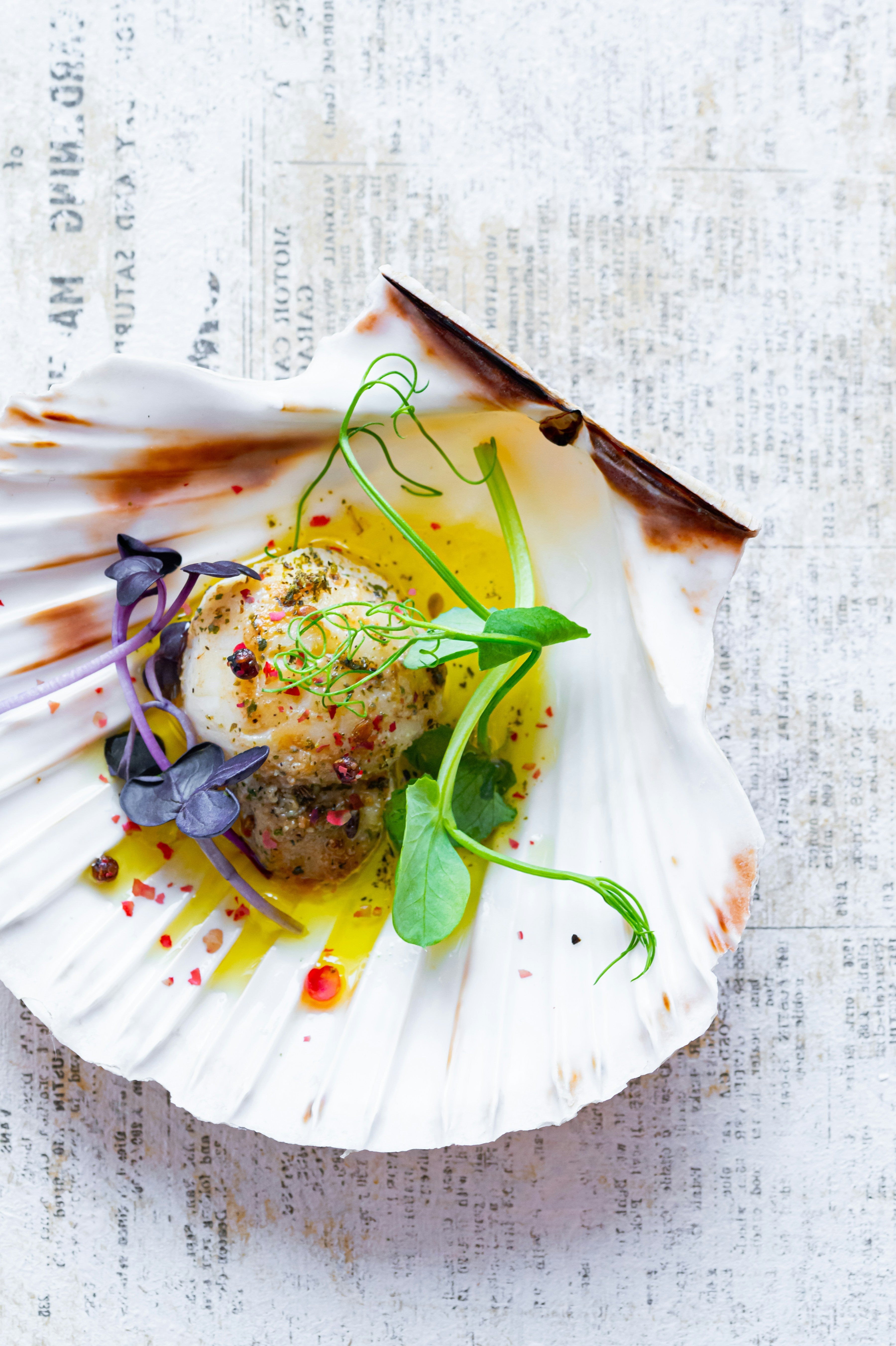
Storing Scallops in the Freezer
Storing scallops properly in the freezer is essential to maintain their quality and flavor. Understanding the correct techniques will help you enjoy these delicious seafood treats even after a few months.
Proper Storage of Scallops
When storing scallops, it is vital to keep them in airtight packaging to prevent freezer burn and preserve their taste. You can use vacuum-sealed bags or heavy-duty freezer bags. Ensure that the air is removed before sealing the bag to create a tight seal. Label the packaging with the date to monitor how long they have been stored.
| Storage Method | Duration |
|---|---|
| Vacuum-Sealed | Up to 12 months |
| Freezer Bags | 6 to 9 months |
Freezing Fresh Scallops
Fresh scallops can be frozen to maintain their freshness for later use. Begin by rinsing the scallops under cold water to remove any sand or grit. Pat them dry with a paper towel before placing them in your chosen packaging.
If you prefer to freeze scallops with their shells, ensure they are cleaned thoroughly. When freezing, consider portioning them so you can easily take out only what you need for your meals. For more on how long scallops maintain their quality in the freezer, refer to our detailed discussion on how long are scallops good in the freezer?.
By following these storage methods, you can enjoy scallops at your convenience, ensuring they remain delicious and safe to eat.
Shelf Life of Frozen Scallops
Understanding the shelf life of frozen scallops is essential for ensuring that you enjoy them at their best. Here, you'll learn how long scallops can be stored in the freezer and the factors that may affect their longevity.
How Long Can Scallops Be Stored in the Freezer?
Frozen scallops can maintain their quality for a significant period. Generally, they can be stored in the freezer for up to 6 to 12 months. However, for the best taste and texture, it is recommended to consume them within 3 to 6 months. Below is a table summarizing the storage duration:
| Storage Duration | Quality |
|---|---|
| 3 - 6 months | Best quality |
| 6 - 12 months | Acceptable quality |
Factors Affecting the Shelf Life of Frozen Scallops
Several factors can influence how long scallops remain good in the freezer. Be mindful of the following considerations:
| Factor | Impact |
|---|---|
| Freezer Temperature | Ideally, the freezer should be at or below 0°F (-18°C). Higher temperatures can lead to spoilage. |
| Storage Method | Proper packaging in airtight containers or vacuum-sealed bags can prevent freezer burn and maintain quality. |
| Freshness at Freezing | The fresher the scallops are when frozen, the better their quality will be when thawed. |
| Freezer Conditions | Frequent opening of the freezer or power outages can lead to temperature fluctuations, affecting the scallops' quality. |
By keeping these factors in mind, you can maximize the shelf life of your frozen scallops. For more related information, check out our article on how long are hot dogs good in the freezer? for additional insights on food storage in the freezer.
Tips for Freezing Scallops
Freezing scallops can help preserve their freshness and flavor, making them a convenient option for future meals. Here are some essential tips for effectively freezing scallops.
Preparing Scallops for Freezing
Before freezing scallops, proper preparation is key to maintaining their quality. Follow these steps to prepare scallops for freezing:
- Clean the Scallops: Rinse scallops under cold water to remove any sand or grit. Pat them dry with paper towels.
- Remove the Muscle: If the scallops have the tough muscle (often found on the side), remove it. This ensures a better texture once cooked.
- Portion Control: Consider portioning the scallops into meal-sized amounts. This allows you to only thaw what you need, reducing waste.
- Pre-freeze (Optional): Lay scallops in a single layer on a baking sheet and place them in the freezer for about an hour. This prevents them from sticking together when stored.
Best Practices for Freezing Scallops
Proper freezing techniques can significantly extend the shelf life of scallops. Here are best practices to follow:
| Practice | Description |
|---|---|
| Use Airtight Packaging | Place scallops in vacuum-sealed bags or freezer-safe containers. Ensure there is minimal air inside to prevent freezer burn. |
| Label and Date | Clearly label the packaging with the date and contents. This helps you keep track of how long the scallops have been in the freezer. |
| Freeze Quickly | Place the packed scallops in the coldest part of the freezer. Rapid freezing helps maintain texture and flavor. |
| Avoid Refreezing | Once thawed, do not refreeze scallops. This can lead to a loss of quality and potential spoilage. |
By following these preparation and storage tips, you can enjoy the freshness of scallops later on. For further information on how long scallops remain good in the freezer, refer to our section on how long are scallops good in the freezer?.
Thawing Frozen Scallops
Thawing frozen scallops properly is essential to maintain their quality and safety. Here are the best practices for safely thawing scallops and methods to do so effectively.
Safely Thawing Frozen Scallops
When you thaw frozen scallops, it is crucial to do so safely to prevent bacterial growth. The following guidelines will help you achieve this:
-
Refrigerator Thawing: This is the safest method. Place the frozen scallops in a covered container and leave them in the refrigerator overnight. This allows for a gradual thaw, maintaining the quality.
-
Cold Water Thawing: If you need to thaw scallops quickly, place them in a sealed plastic bag and submerge them in cold water. Change the water every 30 minutes to ensure they continue to thaw without raising the temperature. This method typically takes about 1 to 2 hours.
-
Microwave Thawing: While not the preferred method, you can use the defrost setting on your microwave to thaw scallops. However, be cautious as this can partially cook the scallops, affecting their texture. If using this method, cook them immediately after thawing.
Methods for Thawing Scallops
Here’s a table summarizing the various methods for thawing scallops along with their estimated thawing times:
| Thawing Method | Estimated Time | Notes |
|---|---|---|
| Refrigerator | Overnight (8 hours) | Safest method, maintains quality |
| Cold Water | 1 to 2 hours | Change water every 30 minutes |
| Microwave | Few minutes | Use defrost setting; cook immediately after thawing |
Following these steps ensures that your scallops remain safe to eat while preserving their taste and texture. For additional tips on how to store scallops, visit our article on how long are scallops good in the freezer?.
Inspecting Frozen Scallops
When you have frozen scallops, it's essential to know how to inspect them to ensure they are safe for consumption. Here are key signs to look for spoilage and guidelines for when to discard them.
Signs of Spoilage in Frozen Scallops
While freezing can extend the shelf life of scallops, they can still spoil. Here are some signs that your frozen scallops may have gone bad:
| Sign of Spoilage | Description |
|---|---|
| Discoloration | If scallops have developed an off-color, such as brown or gray, they may no longer be fresh. |
| Off Odor | A strong, unpleasant smell is a clear indication that scallops are spoiled. Fresh scallops should have a mild sea scent. |
| Ice Crystals | Excessive ice crystals or frost on the packaging can indicate freezer burn, which affects texture and flavor. |
| Slimy Texture | If scallops feel slimy or sticky, this may indicate spoilage. Fresh scallops should feel firm and moist. |
When to Discard Frozen Scallops
It's important to prioritize food safety. If you notice any of the above signs, it's best to err on the side of caution. Here are specific scenarios when you should discard frozen scallops:
| Condition | Action |
|---|---|
| Discoloration Present | Discard scallops if they show significant discoloration. |
| Strong Odor Detected | If the smell is off or foul, do not consume them. |
| Ice Crystals and Texture Changes | If ice crystals are excessive and texture is altered, it's advisable to throw them away. |
| Expired Storage Time | Even if they appear fine, if they have been in the freezer for more than 6 months, consider discarding for quality reasons. |
Understanding these signs and guidelines will help you maintain food safety and enjoy your scallops at their best. For more information on how long scallops are good in the freezer, explore our other articles related to food storage.
Utilizing Frozen Scallops
When you have frozen scallops on hand, they can be a delightful addition to your meals. Knowing how to cook with them and what recipes to try can make all the difference.
Cooking with Frozen Scallops
Cooking frozen scallops is straightforward, but there are a few key points to consider to ensure they turn out perfectly. First, always thaw your scallops safely before cooking. This can be done by placing them in the refrigerator overnight, or using a cold water bath for a quicker option. Avoid thawing at room temperature to prevent any risk of spoilage.
Scallops can be prepared in various ways, including grilling, searing, baking, or adding them to pasta dishes. They cook quickly, typically taking only a few minutes on each side. The right cooking method can enhance their natural sweetness and provide a delightful texture.
| Cooking Method | Time Required |
|---|---|
| Searing | 2-3 minutes per side |
| Grilling | 2-4 minutes per side |
| Baking | 10-15 minutes at 400°F |
Recipes and Ideas for Frozen Scallops
Here are some recipe ideas that highlight the versatility of frozen scallops:
-
Garlic Butter Scallops: Sear thawed scallops in a mixture of butter and garlic for a quick and flavorful dish. Serve over pasta or with crusty bread.
-
Scallop Tacos: Use grilled scallops as a filling for fresh tacos. Top with avocado, cilantro, and a squeeze of lime for a refreshing meal.
-
Scallop Stir-Fry: Add thawed scallops to a vegetable stir-fry. Their quick cooking time complements bell peppers, broccoli, and snap peas nicely.
-
Scallops with Lemon Cream Sauce: Sear scallops and serve with a creamy lemon sauce over rice or quinoa for a satisfying dish.
-
Seafood Paella: Incorporate scallops into a traditional paella recipe along with other seafood, rice, and spices for a hearty meal.
By utilizing frozen scallops in these recipes, you can create delicious meals without much hassle. For more tips on safely handling and cooking scallops, refer to our article on how long are scallops good in the freezer?. Whether for a casual dinner or a special occasion, incorporating frozen scallops can elevate your culinary experience.