The Science Behind Freezing Water
Understanding how water freezes is essential for families, chefs, and anyone who utilizes freezer-refrigerator appliances. The process involves intricate scientific principles that determine not only the temperature but also the conditions under which water transitions from liquid to solid.
What Happens When Water Freezes
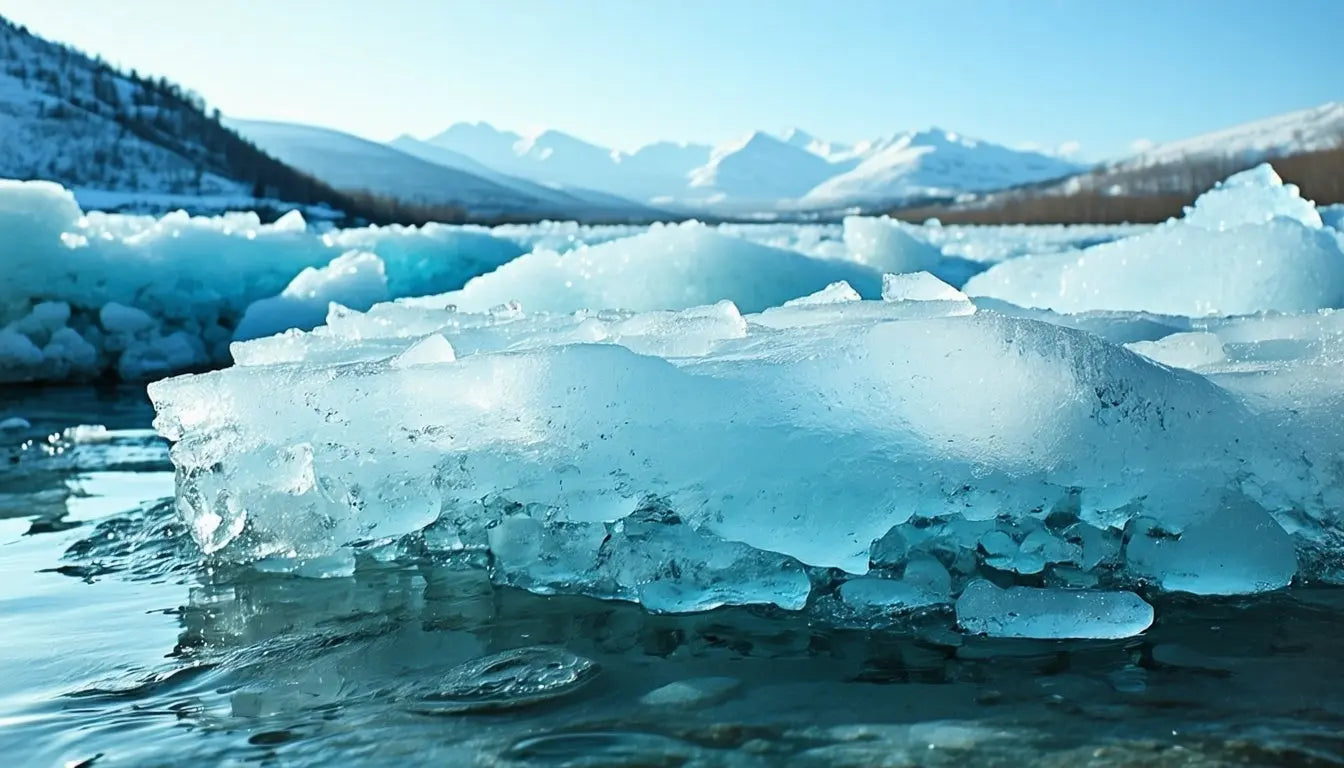
When water is cooled to its freezing point, the molecules lose energy and start to form solid ice. This transition occurs at 0 degrees Celsius (32 degrees Fahrenheit). When water freezes, it expands and becomes less dense, which is why ice floats. The structured arrangement of ice molecules is what gives ice its solid form, resulting in the crystalline structure commonly seen in ice cubes.
To visualize this process of freezing, the table below illustrates the relationship between temperature and the phase changes of water:
| Temperature (°C) | State of Water |
|---|---|
| Above 0 | Liquid |
| 0 | Freezing Point |
| Below 0 | Solid (Ice) |
Factors Affecting the Freezing Process
Several key factors influence how fast water freezes, making it important for users of freezer-refrigerator appliances to understand these variables. The most significant factors include:
- Temperature of the Freezer: The lower the temperature, the faster the freezing process. Standard freezer temperatures range between -18 to -20 degrees Celsius (0 to -4 degrees Fahrenheit).
- Volume of Water: Smaller volumes of water freeze quicker than larger ones due to the increased surface area exposed to the cold air.
- Container Material: The material of the container can impact freezing times. Metals typically conduct heat better than plastics, leading to faster freezing times.
- Presence of Impurities: Any contaminants such as salt or sugar can lower the freezing point of water, thus slowing down the freezing process.
Here's a table showing how the volume of water can affect freezing times:
| Volume of Water (Liters) | Estimated Freezing Time (Hours) |
|---|---|
| 0.5 | 1 - 2 |
| 1.0 | 2 - 3 |
| 2.0 | 4 - 5 |
Understanding these factors is essential for efficient use of freezer-refrigerator appliances and achieving optimal freezing results. For further insights into water freezing techniques, explore our article on how to freeze potatoes.
How Fast Does Water Freeze?
Understanding how quickly water freezes is essential for various applications, from cooking to preserving food. The freezing process is influenced by multiple factors, including the freezing point of water and the surrounding conditions.
Freezing Point of Water
Water freezes at 32°F (0°C) under standard atmospheric pressure. This fundamental property makes it an excellent reference point for understanding the freezing process. However, different factors can affect the actual freezing time of water, including the temperature of the environment and the volume of water being frozen.
Time Taken for Water to Freeze in Different Conditions
The time it takes for water to freeze varies considerably based on the conditions. Below is a table that illustrates the average time taken for water to freeze under various scenarios:
| Condition | Time to Freeze (Approximate) |
|---|---|
| Small Ice Cubes (1 oz) | 1-2 hours |
| Standard Ice Cubes (2 oz) | 3-4 hours |
| Ice Tray Full (4 cups) | 4-6 hours |
| Large Block (1 gallon) | 12-24 hours |
| Water in a Freezer at 0°F (Approx) | 1-2 hours |
| Water in a Regular Refrigerator (32°F) | 6-8 hours |
The time taken can greatly differ based on several factors, such as whether the water is in a shallow or deep container, how cold the freezer is, and whether the water is still or agitated. For more insights on effective freezing techniques, refer to our article on how to freeze potatoes.
Understanding these details can help families, chefs, and foodies optimize their use of freezer appliances to achieve the best results in meal preparation and storage.
Understanding the Freezing Process
In order to comprehend how fast water freezes, it is essential to explore the freezing process in greater detail. Key aspects of this process include nucleation and crystal formation as well as the growth of ice crystals.
Nucleation and Crystal Formation
Nucleation is the first step in the freezing process, where small clusters of molecules begin to assemble into a solid structure. This typically occurs when water reaches its freezing point, which is 32°F (0°C) at standard atmospheric pressure. There are two primary types of nucleation: homogeneous and heterogeneous.
-
Homogeneous Nucleation: This occurs when ice crystals form in pure water without any impurities or surfaces to assist in the process. It requires very low temperatures and can be challenging to initiate.
-
Heterogeneous Nucleation: This happens when ice crystals form around impurities or surfaces, such as dust particles or the walls of a container. Heterogeneous nucleation is more common and occurs at higher temperatures compared to homogeneous nucleation.
Understanding these processes helps families and food enthusiasts realize that the presence of impurities in water can significantly influence the freezing time.
Growth of Ice Crystals
Once nucleation has occurred, the next stage is the growth of ice crystals. This phase involves the ice crystals expanding as more water molecules join their structure. The growth rate depends on the temperature, the purity of the water, and how quickly heat is removed from the water.
Factors affecting the growth of ice include:
-
Temperature: Lower temperatures accelerate the growth of ice crystals. As the temperature decreases, molecular movement slows down, allowing crystals to form and grow steadily.
-
Water Purity: Pure water freezes at a consistent rate compared to water with impurities, which can lead to irregular ice crystal formation. Impurities may disrupt the orderly arrangement of ice crystals.
The table below outlines how these factors can influence freezing rates:
| Factor | Effect on Freezing | Description |
|---|---|---|
| Lower Temperature | Speeds up freezing | Enhances ice crystal growth |
| Presence of Impurities | Slows freezing | Disrupts crystal formation |
| Heat Removal Rate | Affects growth rate | Faster heat removal results in quicker freezing |
By understanding nucleation and crystal growth, families and chefs can optimize their freezing processes when using freezer-refrigerator appliances for food preservation and storage. Knowledge of how fast water freezes can inform practices for freezing food items effectively, whether at home or in professional kitchens.
Interesting Facts About Freezing Water
Supercooling of Water
Supercooling occurs when water is cooled below its freezing point without actually becoming solid ice. This phenomenon can happen in very clean environments, where there are no impurities or nucleation sites for ice crystals to form. Supercooled water remains in a liquid state even at temperatures as low as -40°F (-40°C).
| Temperature (°F) | State of Water |
|---|---|
| 32 °F | Frozen |
| 0 °F | Freezing |
| -10 °F | Supercooled (potential) |
| -40 °F | Can remain liquid (supercooled) |
When supercooled water is disturbed, it can instantly freeze, forming ice crystals rapidly. This unique property has applications in various scientific and culinary processes.
Ice Formation in Nature
Ice formation in nature is a complex process influenced by various factors. It plays a significant role in ecosystems and weather patterns. This includes snowflakes forming in clouds and the creation of ice layers on lakes and rivers during winter.
Ice crystals develop through a process called nucleation, where water molecules begin to align and bond in a structured manner. Temperature, pressure, and the presence of impurities can affect how ice forms.
| Process | Description |
|---|---|
| Nucleation | The initial stage where ice crystals begin to form |
| Ice Crystallization | Growth of ice crystals from the nucleation sites |
| Thawing | The process of melting ice back into water |
These natural ice formations can influence weather systems and provide habitats for wildlife. The study of ice formation offers insights into climate change and its impact on ecosystems. Understanding these concepts can be valuable for families and chefs who want to preserve food efficiently or for those interested in the science behind freezing. For more information on effectively using freezers, explore our article on how long does mince last in fridge.
Applications of Freezing Water
Freezing water is not just a fascinating scientific process; it also has practical applications in various fields, particularly in food preservation and scientific research. Understanding these applications can enhance how individuals manage their food storage and utilize freezing techniques for scientific purposes.
Importance in Food Preservation
Freezing is a widely accepted method for preserving food. It helps in maintaining the freshness and nutritional quality while extending shelf life. When food is frozen, ice crystals form, which slows down the activity of bacteria and enzymes responsible for spoilage. The table below illustrates the approximate freezing times for common food items:
| Food Item | Approximate Freezing Time |
|---|---|
| Vegetables (peas, carrots) | 2-3 hours |
| Fruits (berries, sliced bananas) | 2-4 hours |
| Meats (chicken, beef) | 3-6 hours |
| Soups and stews | 4-6 hours |
Utilizing freezers efficiently can enhance meal planning and reduce food waste. For example, vegetables can be blanched and frozen for later use, while cooked meals can be preserved in freezer-safe containers. For those wondering how to freeze specific foods, check out our guide on how to freeze potatoes.
Use in Scientific Research
In addition to food preservation, the freezing process has vital applications in scientific research. Freezing is commonly used in laboratory settings to preserve biological samples such as tissues, cells, and microorganisms. By freezing these samples, researchers can maintain their viability and integrity for future studies.
The freezing methods used in scientific research often involve controlled freezing techniques, such as slow freezing and flash freezing, which ensure that the biological samples do not suffer from the formation of large ice crystals that could cause cellular damage. Researchers utilize these techniques to study a variety of fields, including genetics, microbiology, and pharmacology.
In summary, whether preserving food for families or conducting crucial research, freezing water plays an indispensable role in numerous applications. For more insights into food preservation methods, explore our articles on the longevity of various foods, like how long does cooked chicken last in fridge? and how long does mince last in fridge.