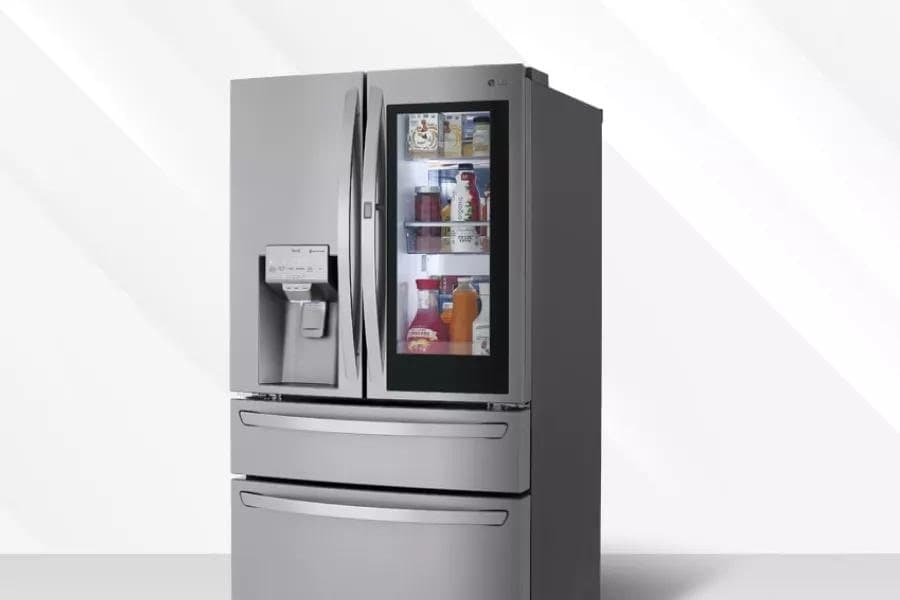
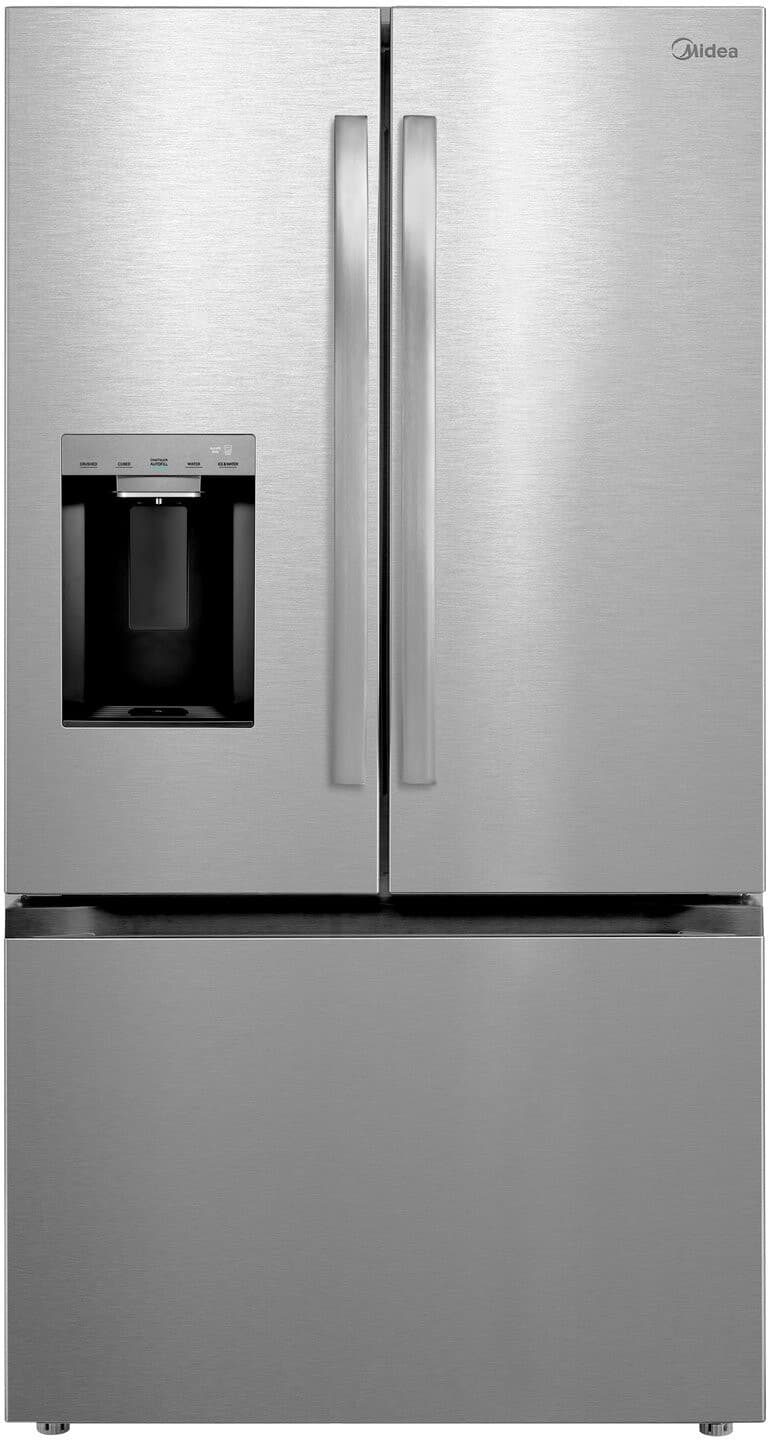
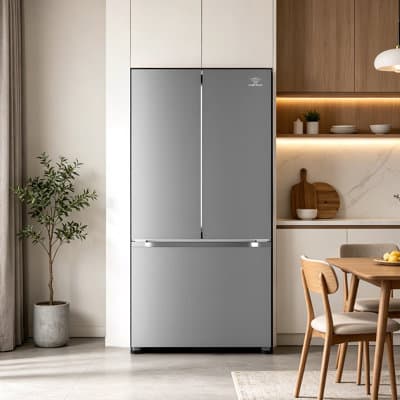
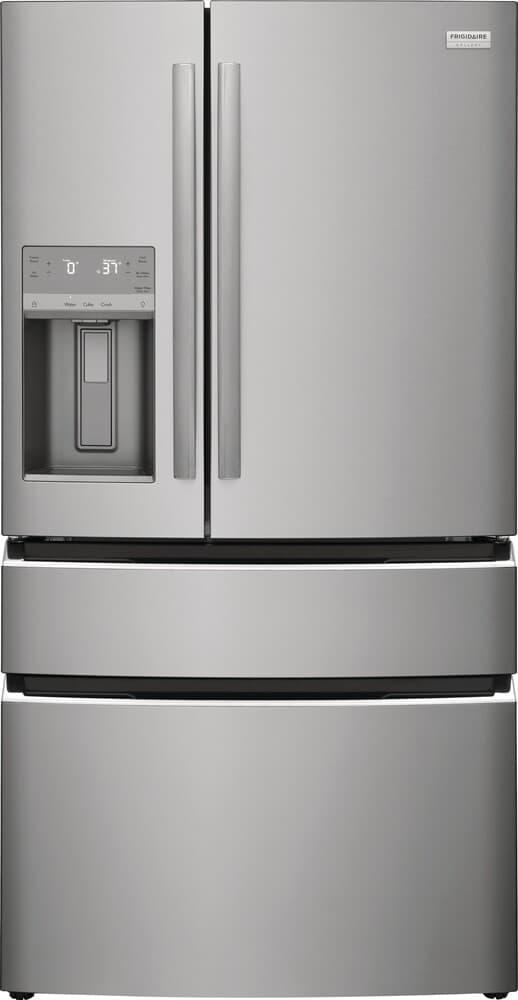
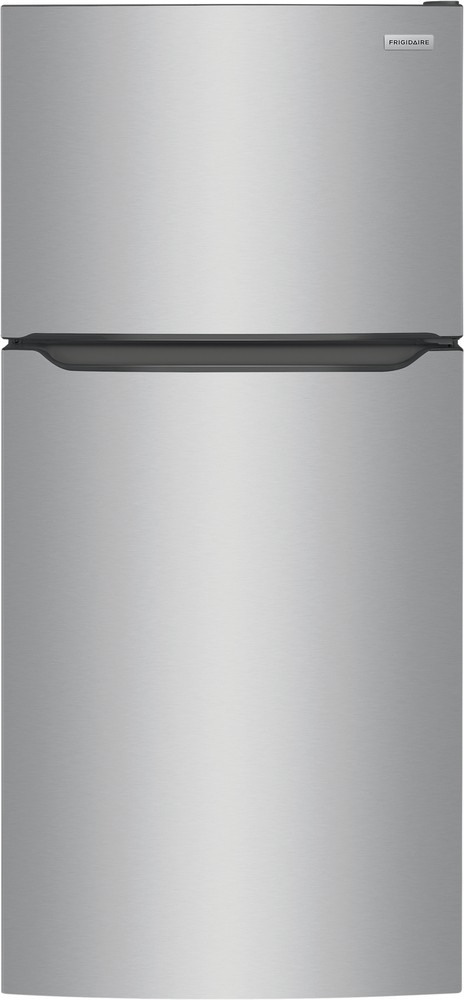
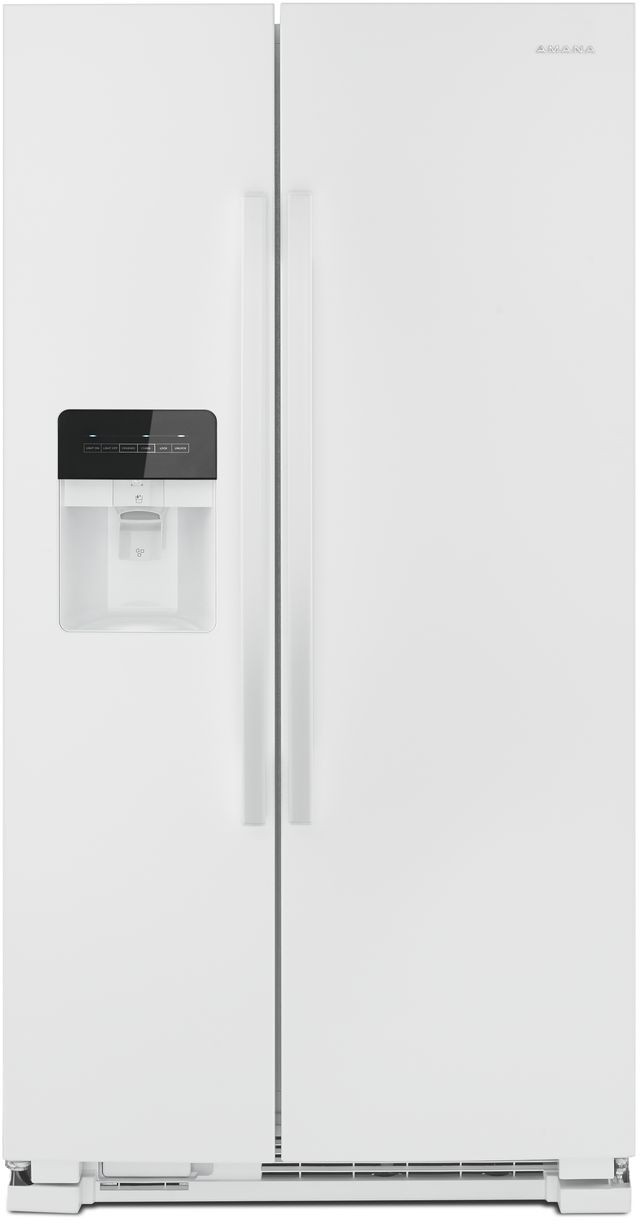
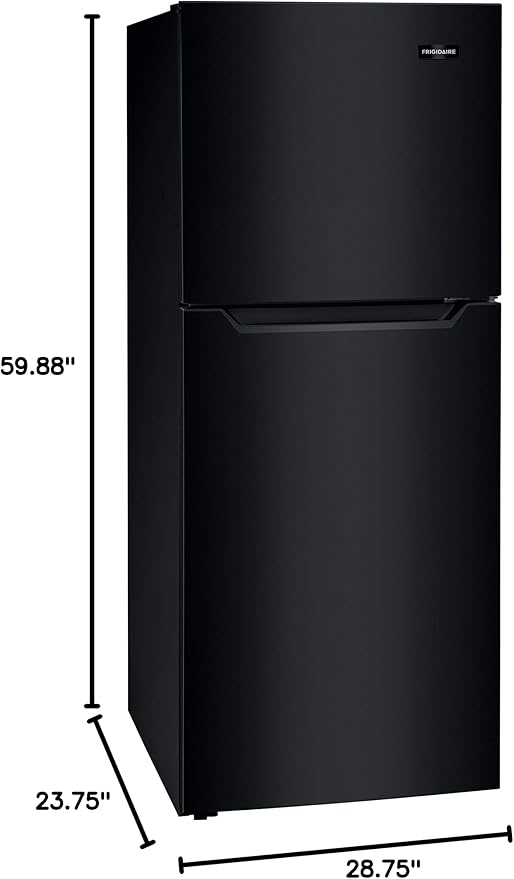
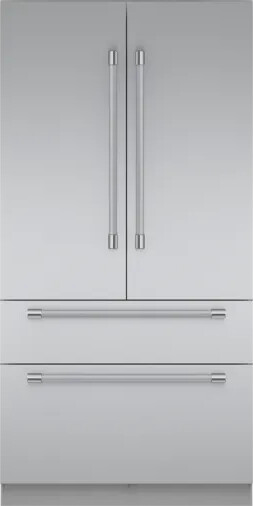
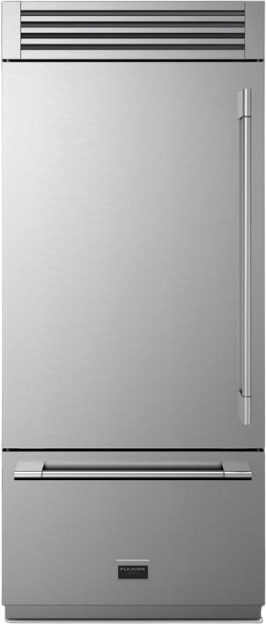
Thinking about giving your trusty fridge a facelift? It's time to discover if your ol' faithful is still keeping up or if it’s doing a poor job hiding its age.
When Your Fridge Shows All The Wrong Signs
Here are some telltale signals that it's asking for some love and care:
Sign
What It Means
Loud Chattering
It's not a conversationalist—those odd noises mean it might be on its last legs.
Temperature Tragedies
Food's either playing freeze tag or taking a sunbath—none of which are okay.
Frost Fiasco
A snowy wonderland shouldn't be part of your freezer experience—airflow is likely blocked.
Water Works
Puddles where they shouldn't be mean there’s likely a leak.
Electric Bill Blues
If your wallet is crying thanks to the fridge, it’s burning energy like a party animal at full swing.
Pong Party
Bad smells could be a tip-off for messes that’ve been hiding for too long.
What's In It for You with a Fridge Refresh
Sprucing up your old cooling buddy could bring loads of perks:
Benefit
Why It Matters
Sticking Around
Regular check-ups can make it last longer, like a good ol’ friend.
Food’s BFF
Good maintenance stops your food from getting funky or gross.
Roomier Inside
Tossing old leftovers means way more room and easier finds.
Big Bucks
Treating your fridge right could save you cash in the long haul.
Time for a fridge makeover! Give that old, trusty appliance of yours a little sprucing up. Follow these simple, down-to-earth steps and make it shine again.
Cleaning the Interior and Exterior
First things first, let’s clean that fridge. Here’s your go-to list:
Empty the Fridge: Get everything out. Ditch the mystery science project, better known as expired food.
Scrub the Inside: Mix warm water with a splash of mild detergent, then get scrubbing. Got stubborn stains? Baking soda to the rescue.
Rinse and Dry: Wipe all back down with clean water and let it shine.
Scrub the Outside: Grab some vinegar or a gentle cleaner, and don’t forget to clean the handles; they need love too.
Organizing and Decluttering
Now that your fridge is clean as a whistle, how about making it easy to find the pickles? A bit of organization helps!
Group 'Em Together: Stack your sauces here, place dairy up there, and tuck your veggies in their drawers.
Pop 'em in Containers: Clear bins make it easy to find your goodies and keep 'em in place.
Label Things: Stick a label on there. Even if you’re just sharing with yourself, you’ll appreciate the reminder.
Here’s a handy table to map it all out:
Shelf/Door
Items to Plunk Here
Top Shelf
Drinks and grab-and-eat munchies
Middle Shelf
Your dairy delights and eggs
Bottom Shelf
Well-sealed meat and fish
Crisper Drawers
Fruits and veggies that need to chill
Door
Where sauces and dressings live
For more organizing hacks, check out Fridge.com article on organized refrigerators: storage tips for families.
Checking and Replacing Seals and Gaskets
The seals around your fridge door keep the frosty air where it belongs. Here’s how to make sure they’re doing their job:
Look for Problems: See any cracks or worn spots letting warm stuffy air in?
Give It a Wipe: Use soapy water to wipe the gasket clean of dirt. Rinse and dry thoroughly.
Swap It Out: If they’re too far gone, get fresh gaskets that fit your fridge.
Keeping those seals tight saves energy—and money. Discover more about saving bucks in our energy star refrigerator savings article.
By following these easy steps, you'll boost the life and function of your tried-and-true refrigerator. Happy chilling!
Giving your old fridge a little TLC can make it run like a champ and even save some bucks on the power bill. Here’s a no-nonsense rundown on how to tweak it for the best performance.
Tweaking Temperature Settings
Getting the temperature just right is like Goldilocks finding the perfect porridge—crucial for keeping your grub fresh. Shoot for about 35°F to 38°F in the fridge and a solid 0°F in the freezer. A cheap thermometer can make this a breeze.
Fridge Zone
Sweet Spot Temperature
Refrigerator
35°F - 38°F
Freezer
0°F
When summer hits and everything gets a bit steamier, you might have to nudge the dial down a notch to keep things cool.
Stretching Energy Efficiency
Who doesn’t like saving some moolah? Here’s how to make your fridge run leaner and meaner:
Go for Energy Star Models: Time for an upgrade? Hunt down those Energy Star labels, they’re like the cool kids using less juice.
Scrutinize Those Door Seals: Check that the rubbery bits around the doors are still hugging well. If they’re letting cold air sneak out, it’s like throwing cash out the window.
Dust those Coils: Dust bunnies love coils. Give them a wipe down every now and then to keep things efficient.
Here's a quick cheat sheet for making your fridge a power-saver:
Tip
Why It Matters
Seal Check and Replace
Stops cold air from seeping away
Dust Off Coils
Keeps the cooling humming along nicely
Keep Temps Ideal
Less energy waste, more savings
Want more tips on saving energy? Your next stop: our energy star refrigerator savings.
Keeping the Airflow Groovy
Good airflow’s like a trusted roadie, keeping everything running smooth. Don’t stuff your fridge till it’s bursting at the seams—let the air circulate freely.
Smart Storage: Keep stuff away from the fridge’s back wall, and for the love of snacks, don’t block the vents.
Avoid the Overpack: Jamming your fridge full leads to warm spots and limp lettuce.
Check out these airflow best practices for more chill results:
Airflow Tips
Why They're Handy
Leave Breathing Room
Spot-on cooling, better air flow
Rotate Oldies to the Front
Keeps things fresh and heads off waste
These tweaks will help your trusty old fridge keep up with your needs for the long haul. Curious about better food storage and keeping it all neat as a pin? Take a peek at our organized refrigerators: storage tips for families.
Want to keep your trusty old refrigerator humming along nicely for years? It’s all about developing some good habits that keep its gears turning smoothly and save you a few bucks on that energy bill.
Regular Cleaning and Defrosting
Let's talk cleaning: nobody likes it, but it sure works wonders! Here’s a cleaning schedule that's easy-peasy:
How Often
What to Do
Weekly
Give shelves and drawers a quick wipe with some gentle cleaner.
Monthly
Dust off those condenser coils and check for crud buildup.
Every 6 months
Empty out the freezer if you see it's looking more like the North Pole.
If you spy ice thicker than 1/4 inch, it's time for a defrost. Keeps your fridge from doing overtime and burning extra energy.
Watching How You Store
Your fridge is on food duty, so let's help it run smoother by following these tips:
Seal up leftovers and goodies in airtight containers to keep 'em fresh.
Give stuff some space—crowding cuts down on airflow.
Check expiry dates to avoid a science experiment in the fridge.
Raw meats belong on the bottom shelf, so no accidental drips mess with your veggies.
Find more organizing magic in Fridge.com article on organized refrigerators: storage tips for families.
Troubleshooting Common Issues
Don’t sweat the small fridge stuff. Here's how to handle common hiccups like a pro:
Problem
What to Check
Not cooling enough
Peek at temperature settings and clear out blocked vents.
Frost party inside fridge
Time for defrosting and checking those door seals.
Stick to these tips, and your old fridge will stay a reliable kitchen sidekick. Regular check-ins can stop little problems from getting big. Got to be more fun than dealing with a total fridge meltdown, right?
From Fridge.com research
Figures below come from data Fridge.com builds and maintains. Each links to the record behind it.
Fridge.com Energy Index, built on U.S. EPA and DOE ENERGY STAR records
Across 5,455 ENERGY STAR certified refrigerators and freezers from 263 brands, median use is 360 kWh per year.