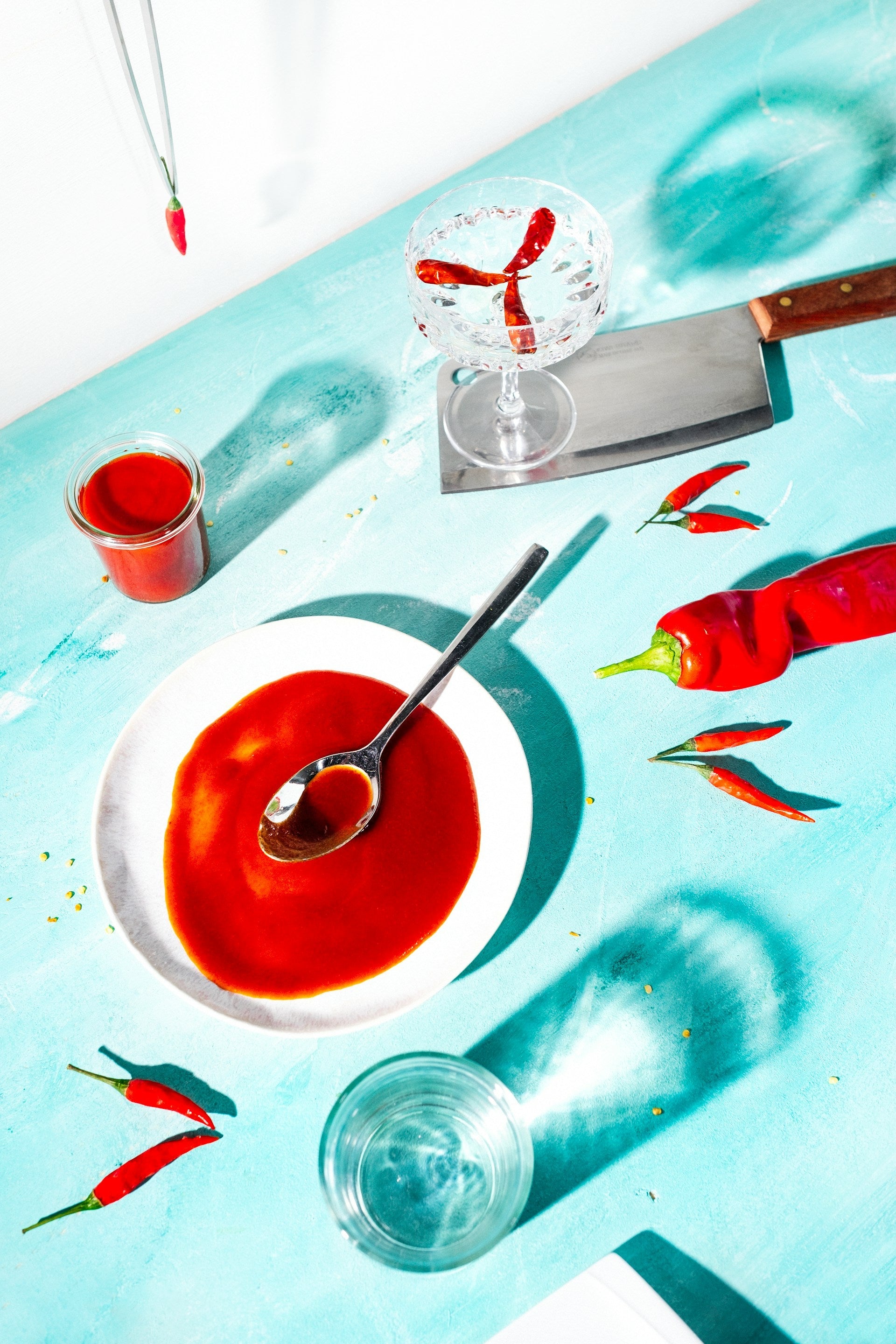
To Chill or Not to Chill: Hot Sauce in the Fridge
The Great Debate: Storing Hot Sauce in the Fridge
The question of whether to refrigerate hot sauce has sparked considerable debate among enthusiasts. Some argue that refrigeration helps maintain the sauce's flavor and extend its shelf life, while others believe it can alter the texture and taste. Understanding the pros and cons can help you decide the best storage method for your hot sauce.
Factors to Consider Before Refrigerating Your Hot Sauce
Before deciding to store your hot sauce in the fridge, there are several factors to consider:
Ingredients: The composition of your hot sauce plays a significant role. Sauces with a high vinegar content, such as vinegar-based hot sauces, are often more shelf-stable at room temperature. On the other hand, sauces with fresh ingredients or low acidity may benefit from refrigeration to prevent spoilage.
Shelf Life: Refrigeration can prolong the shelf life of hot sauce, keeping it fresh for a more extended period. If you don't use hot sauce frequently, storing it in the fridge may be a good option to prevent it from going bad. For more details on how to store various items, check our guide on items in a refrigerator.
Flavor: Some people believe that refrigeration preserves the flavor of hot sauce better than room temperature storage. However, this is subjective and may vary depending on the sauce's ingredients and your personal taste preferences.
Texture: Cold temperatures can affect the texture of hot sauce, making it thicker and harder to pour. This can be a disadvantage if you prefer a smoother, more fluid consistency.
Usage: Consider how often you use hot sauce. If you use it daily, keeping it at room temperature might be more convenient. If you use it occasionally, refrigeration might be a better option to extend its shelf life.
| Factor | Impact on Hot Sauce |
|---|---|
| Ingredients | High vinegar content: Room temp; Low acidity: Refrigerate |
| Shelf Life | Prolonged by refrigeration |
| Flavor | Subjective; may be preserved better in fridge |
| Texture | Can become thicker in the fridge |
| Usage Frequency | Daily use: Room temp; Occasional use: Refrigerate |
By weighing these factors, you can make an informed decision about whether to store your hot sauce in the fridge. Explore more about proper refrigeration practices in our articles on good fridge temperature and refrigerator size guide.
Benefits of Refrigerating Hot Sauce
Storing hot sauce in the fridge can offer several advantages. From extending its shelf life to maintaining its flavor and ensuring safety, refrigeration can help you keep your hot sauce in optimal condition.
Prolonged Shelf Life
Refrigerating hot sauce can significantly extend its shelf life. When stored at a consistent, cool temperature, the ingredients in hot sauce, such as vinegar, peppers, and spices, remain stable for a longer period. This reduces the chances of spoilage and allows you to enjoy your hot sauce over an extended period.
| Storage Method | Shelf Life (months) |
|---|---|
| Room Temperature | 6 - 9 |
| Refrigerated | 12 - 18 |
Maintaining Flavor and Freshness
Keeping hot sauce in the fridge helps preserve its flavor and freshness. Exposure to heat and light can cause the ingredients to degrade, leading to a loss of flavor intensity. By storing your hot sauce in the refrigerator, you can maintain the vibrant taste and aroma that make it a favorite condiment.
For more tips on maintaining food freshness in your refrigerator, visit our article on items in a refrigerator.
Safety Concerns
Refrigerating hot sauce can also address safety concerns. The cool environment of the fridge slows down the growth of bacteria and mold, reducing the risk of foodborne illnesses. This is particularly important if your hot sauce contains fresh ingredients or if you frequently open and close the bottle.
For additional safety tips, learn about the ideal temp refrigerator settings to ensure all your condiments and perishables are stored properly.
By understanding the benefits of refrigerating hot sauce, you can make informed decisions on how to store your favorite spicy condiment. Explore other storage tips, such as how cold is the freezer? and good fridge temperature, to keep all your food items in top condition.
Drawbacks of Refrigerating Hot Sauce
While refrigerating hot sauce can have its benefits, it also comes with a few drawbacks. Understanding these can help you make an informed decision about whether to store your hot sauce in the fridge.
Texture Changes
Refrigerating hot sauce can lead to changes in its texture. Cold temperatures can cause some hot sauces, particularly those with oil-based or thicker consistencies, to become more viscous or even solidify.
| Temperature | Texture Change |
|---|---|
| Room Temperature | Smooth and pourable |
| Refrigerated | Thicker, may solidify |
Flavor Alterations
Storing hot sauce in the fridge can also affect its flavor profile. The cold environment might dull some of the more subtle flavors, especially in hot sauces that rely on a complex blend of spices. Vinegar-based hot sauces may retain their tanginess, but more delicate flavors can become muted.
| Storage Method | Flavor Quality |
|---|---|
| Room Temperature | Full flavor |
| Refrigerated | Potentially muted flavors |
Dispensing Challenges
Cold hot sauce can be more difficult to dispense. This is particularly true for thicker sauces, which can become less pourable and harder to control when cold. Additionally, the condensation that forms on the bottle when removed from the fridge can make it slippery and harder to handle.
For more information on storing various items in a refrigerator, you can visit our guide on items in a refrigerator.
Understanding these drawbacks can help you decide the best way to store your hot sauce. For those curious about maintaining the optimal temperature for various foods and condiments, check out our article on good fridge temperature.
Types of Hot Sauces and Refrigeration
Hot sauces come in various types, each with unique ingredients and storage needs. Knowing how to store them can help maintain their flavor and quality.
Vinegar-Based Hot Sauces
Vinegar-based hot sauces are some of the most common. The high acidity of vinegar acts as a natural preservative, often making refrigeration optional. However, storing them in the fridge can extend their shelf life and keep their flavor intact.
| Hot Sauce Type | Recommended Storage | Shelf Life (Room Temp) | Shelf Life (Fridge) |
|---|---|---|---|
| Vinegar-Based | Room Temp or Fridge | 6-12 months | 1-2 years |
Fermented Hot Sauces
Fermented hot sauces undergo a fermentation process, which can enhance their flavor and complexity. These sauces generally benefit from refrigeration to slow down the fermentation process and maintain their taste.
| Hot Sauce Type | Recommended Storage | Shelf Life (Room Temp) | Shelf Life (Fridge) |
|---|---|---|---|
| Fermented | Fridge | 6 months | 1 year |
Oil-Based Hot Sauces
Oil-based hot sauces combine hot peppers with oil. These sauces are prone to spoilage if not stored properly. Refrigeration helps prevent the oil from becoming rancid and keeps the sauce fresh.
| Hot Sauce Type | Recommended Storage | Shelf Life (Room Temp) | Shelf Life (Fridge) |
|---|---|---|---|
| Oil-Based | Fridge | 3-6 months | 6-12 months |
Understanding the types of hot sauces and their refrigeration needs can help you decide the best storage method for your sauces. For more tips on storing food items, check our guide on items in a refrigerator.
How to Store Hot Sauce Properly
Proper storage of hot sauce can ensure that it maintains its flavor and quality over time. Depending on the type of hot sauce and your preferences, you can choose between refrigeration and room temperature storage.
Refrigeration Guidelines
Refrigerating hot sauce can help extend its shelf life and preserve its flavor. Here are some guidelines to follow:
- Temperature: Store hot sauce at a consistent temperature, ideally between 35°F and 40°F. For more information on optimal fridge temperatures, check out our article on the good fridge temperature.
- Container: Keep the hot sauce in its original container, ensuring it is tightly sealed to prevent air exposure.
- Placement: Place the hot sauce on a door shelf or in a condiment section of the refrigerator for easy access. If you have a glass door refrigerator, this can also help you keep track of your condiments.
Room Temperature Storage
Some hot sauces, especially those with high vinegar content, can be safely stored at room temperature. Here are some tips for storing hot sauce outside the fridge:
- Cool and Dark Place: Store the hot sauce in a cool, dark place, away from direct sunlight and heat sources. A pantry or cupboard is ideal.
- Sealed Containers: Ensure the bottle is tightly sealed after each use to prevent contamination and oxidation.
- Duration: Check the manufacturer's recommendations on the label for how long the hot sauce can be safely stored at room temperature.
Signs Your Hot Sauce Has Gone Bad
It's important to recognize the signs that your hot sauce may no longer be safe to consume. Here are some indicators to watch for:
| Sign | Description |
|---|---|
| Color Changes | Noticeable darkening or discoloration can indicate spoilage. |
| Texture Changes | If the hot sauce becomes thicker or separates, it may be spoiled. |
| Off Smell | A sour or rancid odor suggests the hot sauce has gone bad. |
| Mold Growth | Visible mold or an unusual appearance around the cap or inside the bottle is a clear sign of spoilage. |
| Expiration Date | Always check the expiration date on the label and discard any hot sauce past its date. |
If you notice any of these signs, it is best to discard the hot sauce to avoid any health risks. For tips on how to store other items in your refrigerator, such as storing clams in fridge or spaghetti in the fridge, browse our related articles.
By following these guidelines, you can ensure your hot sauce remains flavorful and safe to use. Whether you choose to refrigerate or store at room temperature, proper storage practices are key to enjoying your hot sauce to the fullest.
Cooking with Hot Sauce
Incorporating hot sauce into your cooking can elevate the flavors of your dishes. Whether you prefer it heated or cold, understanding how to use hot sauce effectively can make a significant difference in your culinary creations.
Incorporating Hot Sauce in Recipes
Hot sauce is a versatile ingredient that can be added to many dishes to enhance their flavor. Here are some popular ways to incorporate hot sauce into your recipes:
- Marinades: Mix hot sauce with other ingredients like olive oil, garlic, and herbs to create a flavorful marinade for meats and vegetables.
- Soups and Stews: Add a few dashes of hot sauce to soups and stews for an extra kick.
- Dressings and Sauces: Combine hot sauce with mayonnaise, yogurt, or sour cream to create spicy dressings and sauces.
- Egg Dishes: Drizzle hot sauce over scrambled eggs, omelets, or frittatas for a spicy breakfast option.
- Tacos and Wraps: Use hot sauce as a condiment for tacos, burritos, and wraps to add a burst of flavor.
For more creative ways to use hot sauce in your cooking, explore our guide on items in a refrigerator.
Heating Hot Sauce Vs. Using it Cold
The decision to heat hot sauce or use it cold can impact the flavor and texture of your dish. Here are some considerations for both methods:
Heating Hot Sauce:
- Enhanced Flavor: Heating hot sauce can intensify its flavor, making it more robust.
- Consistency: Warm hot sauce tends to be thinner, which can make it easier to blend into dishes.
Using Hot Sauce Cold:
- Preserved Flavor: Cold hot sauce maintains its original flavor profile, providing a fresh and tangy taste.
- Texture: Cold hot sauce can have a thicker consistency, which is ideal for drizzling or dipping.
| Method | Pros | Cons |
|---|---|---|
| Heating | Enhanced flavor, Thinner consistency | May alter original flavor |
| Cold | Preserved flavor, Thicker consistency | Less intense flavor |
Whether you choose to heat your hot sauce or use it cold depends on your personal preference and the specific dish you are preparing. Experiment with both methods to discover which one works best for you. For more tips on storing and using hot sauce, check out our articles on refrigeration guidelines and room temperature storage.
Final Thoughts on Hot Sauce Storage
Personal Preferences
When it comes to storing hot sauce, personal preferences play a significant role. Some individuals prefer the convenience of keeping their hot sauce at room temperature, while others opt for refrigeration to maintain freshness. Understanding your own taste and storage needs can guide you in making the best choice.
For those who enjoy the immediate, easy access of room temperature storage, a pantry or kitchen cabinet may be ideal. However, if you prioritize prolonged shelf life and preserving the vibrant flavors of your hot sauce, refrigeration might be the better option. Explore our guide on items in a refrigerator for more insights.
Experimentation and Finding Your Perfect Storage Method
Experimentation is key to discovering the best storage method for your hot sauce. Try storing some bottles in the fridge and others at room temperature to compare the differences in flavor, texture, and freshness over time.
You may find that certain types of hot sauces, like vinegar-based or fermented varieties, fare better in specific conditions. Refer to our section on vinegar-based hot sauces and fermented hot sauces for more details on how different types hold up under various storage methods.
| Storage Method | Pros | Cons |
|---|---|---|
| Refrigerator | Prolonged shelf life, maintains flavor, safety | Possible texture changes, flavor alterations, dispensing challenges |
| Room Temperature | Convenient access, no texture changes | Shorter shelf life, potential flavor degradation |
Don’t hesitate to adjust based on your findings and preferences. Whether using a large home refrigerator or a compact upright freezer, proper storage can make a significant difference.
By paying attention to your personal taste and experimenting with different storage methods, you can find the perfect balance that suits your needs. Enjoy the process of discovering what works best for you and your hot sauce collection.
Get Your Upgrade or New Addition at Fridge.com
Whether you're searching for your perfect fridge, freezer, wine fridge, beer fridge, ice maker, or kegerator, we have what you need.
Shop the world's best brands at Fridge.com.
We also have tons of awesome articles about kitchen stuff and home news. Enhance your home, garage, backyard, patio, and office with the coolest essentials. With every necessary type of residential refrigerator or freezer in our collection, we've got you covered.
Elevate your game and shop now at Fridge.com!