Finding the Right Fit: Fridges Under 28 Inches Wide
Picking out a refrigerator doesn't have to be a headache, especially with limited space. Fridges that come in under 28 inches wide make life easy without skimping on what you need from your fridge.
Assessing Your Space and Needs
First up, take that tape measure to where the fridge will go. It’s not just about width—check the height and depth, and make sure those doors can swing open! Think about how you use your fridge, too. Are you all about whipping up home-cooked feasts, or do you just want a place to stash your sodas and snacks? The answer will guide you to the right fridge setup.
Area to Measure
Minimum Size Needed
Width
Maximum of 28 inches
Height
Typically fits up to 70-72 inches if you’ve got average ceilings
Depth
Counter-depth options hang around 24-25 inches
Double-check your choice matches the flow of your kitchen and fits your day-to-day needs. Get more tips from Fridge.com piece on are all refrigerators standard size? to learn about different fridge sizes.
Benefits of Compact Fridges
Think of compact fridges as magic for cramped spaces like small kitchens, apartments, or dorm rooms. What's in it for you?
Space Savvy: They tuck right in, leaving more room for the rest, yet still stash all your goodies.
Energy Savers: These units sip less juice than bigger ones—money saver for your electric bill!
Budget-Friendly: These smaller bad boys are usually less wallet-draining than the larger models, baking them a sweet deal.
These fridges are perfect for squeezing into odd corners or even as a backup for drinks or snacks in your chill spots like game rooms or garages. For more petite fridge ideas, peek at fridges under 22 in wide.
Keeping these pointers in mind can make sure your new refrigerator fits like a glove and makes your life a bit easier.
Picking out the right compact fridge can be a game-changer for your space and storage needs. With a variety of compact fridges out there, each has its perks depending on what you’re looking for. Let's break it down into three popular types you might consider.
Mini Fridges
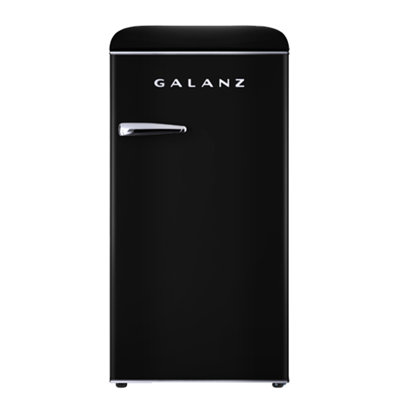
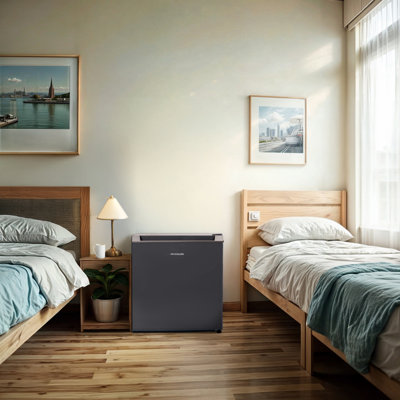
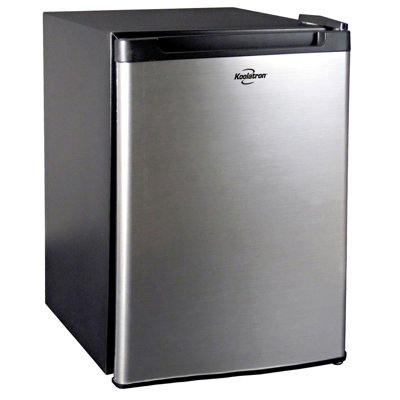
Mini fridges? They're the little superheroes of small spaces. Ranging from 1.6 to about 4.5 cubic feet, they're a perfect fit for bedrooms, dorms, or offices when you need some chill in your life without hogging space.
Size Spectrum
Height (Average)
Width (Average)
Depth (Average)
1.6 - 4.5 cu ft
20 - 32 in
18 - 24 in
18 - 20 in
Usually, these pint-sized fridges come with a tiny freezer section, which makes them great for stashing away snacks, drinks, or even some freeze-and-forget items. And hey, they’re also super energy-efficient, meaning they'll save you some bucks on bills.
Counter-Depth Fridges
Counter-depth fridges, anyone? They line up nicely with your kitchen counters, offering that slick built-in vibe without tearing your kitchen apart. These gems generally measure about 24 to 28 inches deep, keeping a regular height.
Height (Average)
Width (Average)
Depth (Average)
67 - 70 in
24 - 28 in
24 - 28 in
They give your kitchen a tidy look and pack plenty of room for all that delicious grub without sticking out like a sore thumb. If you want your kitchen to look sharp and function like a charm, this one could be the winner.
Apartment-Sized Fridges
Now, apartment-sized fridges—they pack a punch in space compared to mini fridges, yet stay friendly for smaller spots. We’re talking about models that hold between 5 and 10 cubic feet.
Size Spectrum
Height (Average)
Width (Average)
Depth (Average)
5 - 10 cu ft
54 - 66 in
24 - 28 in
24 - 30 in
With shelves you can rearrange and energy-savvy features, these fridges are a great bet for people in apartments or smaller homes. They strike a sweet balance between holding all your grocery finds and being a cinch to handle.
Trying to choose between mini, counter-depth, or apartment-sized fridges? That's the key to landing the fridge that suits you just right. Think about your space and how much you actually need to store before making the call. Want more insights? Check out our bits on are all refrigerators standard size? and refrigerator storage.
Features to Look For
When you're hunting for a fridge under 28 inches wide, you'll want the one that makes daily life a breeze. Here's what to keep an eye out for:
Adjustable Shelving
You know what's handy? Adjustable shelves! They let you switch things up inside your fridge depending on what you're storing. Got a giant watermelon or loads of soda bottles? No problem. Move the shelves around to fit all your goodies snugly.
Shelf Style
Why It's Great
Fixed Shelves
Sturdy, can handle heavy items like a champ
Adjustable Shelves
Lets you play Tetris with your fridge space
Energy Efficiency
Nobody wants a fridge that's going to skyrocket the electric bill, right? Look for that trusty ENERGY STAR label. It means the fridge is not only kind to your wallet but also to Mother Earth. Sweet deal, I’d say.
Efficiency Type
Annual Energy Use (kWh)
Yearly Cost
Regular Joe
600+
Over $100
Freezer Space
Love frozen burritos or keeping ice cream handy for those midnight cravings? You'll need a decent freezer. Check if the freezer has separate spots or handy drawers. A well-organized freezer can make hunting for that last popsicle way easier.
Freezer Style
Thumbs-Up
Drawbacks
Separate Freezer
Neater setup, more options
Takes more up-and-down space
Top-Freezer
Usually saves energy
Could be a neck workout reaching stuff in the back
Bottom-Freezer
Easy grab-and-go
Rare in small fridges
These ideas will help find a compact fridge that suits how you roll. Curious about fridge sizes? Check out Fridge.com piece on whether are all refrigerators standard size?.
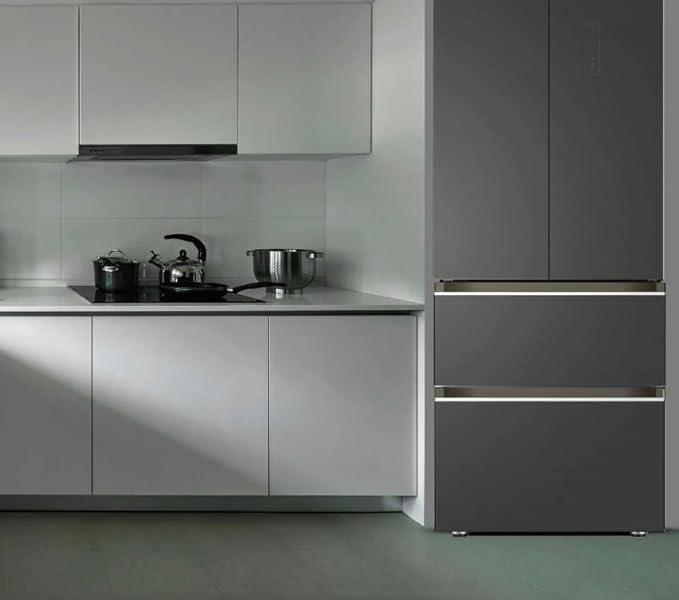
When you're picking out a compact fridge, it's not just about a cool place to keep your groceries. The right style and design can give your kitchen a real pop while keeping everything in harmony. If you're searching for fridges that are slim and trim—under 28 inches wide—here’s what you might want to give a thought:
Top Freezer Vs. Bottom Freezer
Where the freezer hangs out can really change how you dive into your fridge's goodies every day. Let’s break down the highs and lows of having a top or bottom freezer:
What’s What
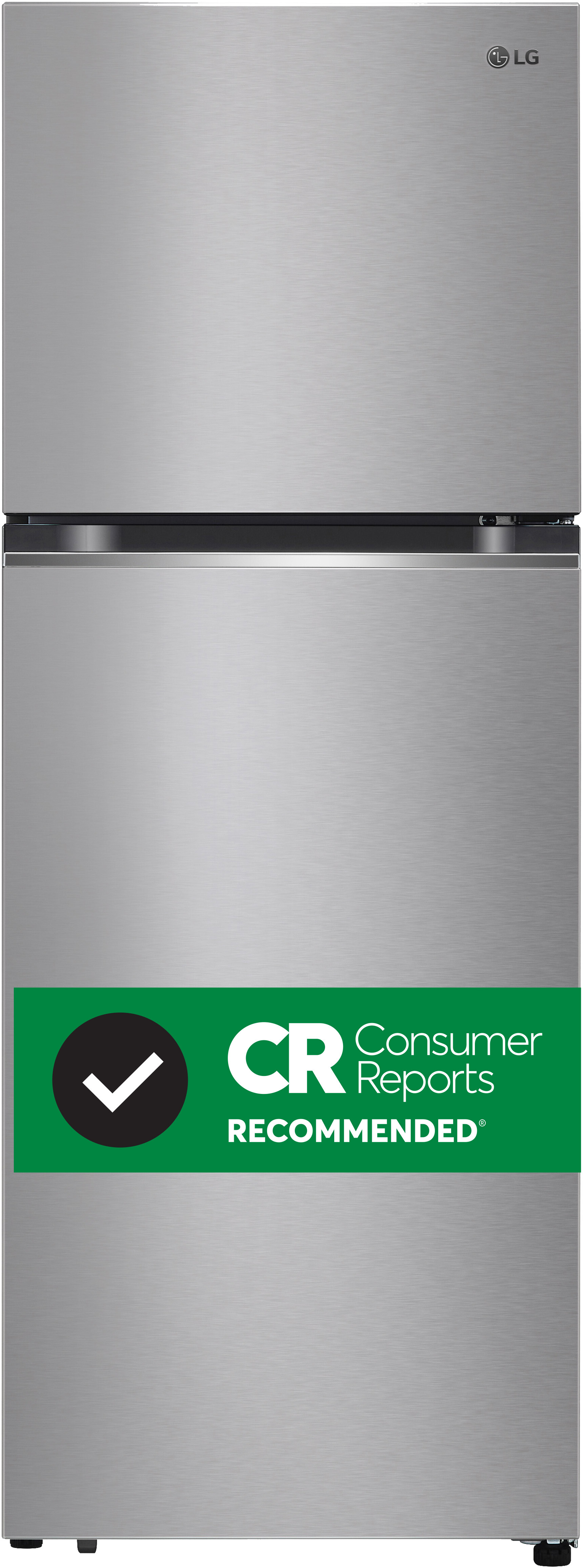
Top Freezer
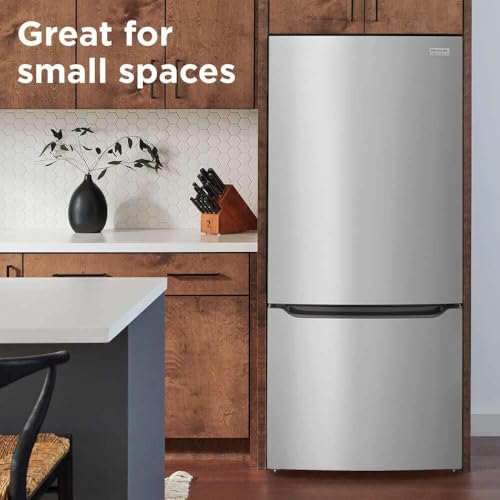
Bottom Freezer
Ease of Access
Fresh stuff is easy to grab
Ice cream at eye level
Space Smarts
Usually gobbles less room
Fresh foods are easier to grab
Kid-Friendliness
Great if the kids want snacks
Handy if you often grab fresh stuff
Look and Feel
Classic but basic
Chic and modern
Which one’s right for you? It boils down to what you like and how you grab your food. Bigger families often go for bottom freezers because they’re easier for everyone to use, but single folks might lean towards the top freezer to save on space.
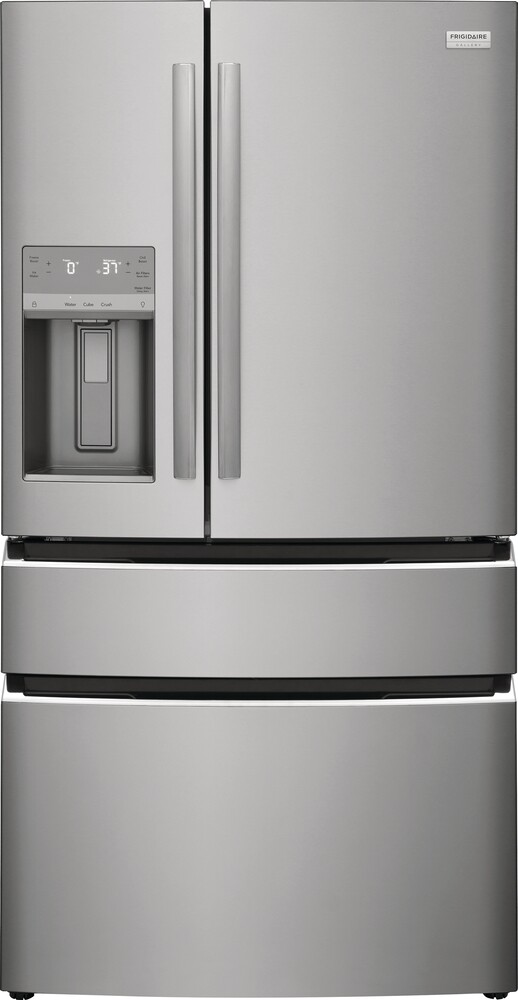
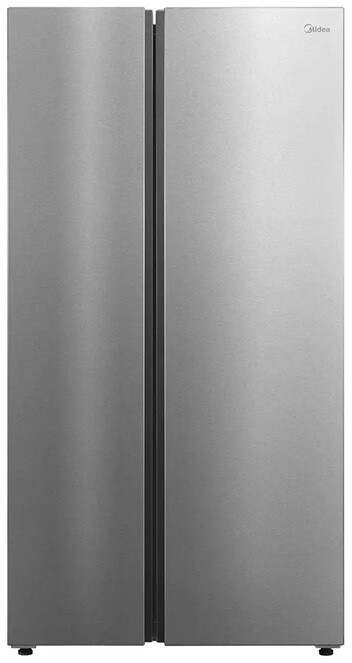
French Door Vs. Single Door
Now, let’s chat doors. Your fridge's doorway can change the whole vibe and functionality, so here’s the scoop on French door and single door setups:
What’s What
French Door
Single Door
Style
Roomy and stylish
Simple and neat
Fresh Food Area
Big shelves for bigger goodies
Fits well in small spots
Freezer Grab
Drawer slides out nicely
Usually up top or down bottom
Design Flair
Snazzy modern styles
Sometimes fewer choices
Love a modern, roomy look? French doors are your jam. Short on space? Single doors might just fit that snug kitchen corner of yours.
Stainless Steel Vs. Other Finishes
The finish is like your fridge’s personality—does it stand out or blend in with the kitchen crowd? Here’s how they stack up:
What’s What
Upsides
Downsides
Stainless Steel
Strong and tidy
Smudges can be a pain
Black Stainless
Swanky with a modern twist
Shows every speck of dust
Plain White
Classic look that saves bucks
Might seem less trendy
Color Pop
Adds some fun flare
Hard to match with other stuff
Stainless is a favorite for its sturdy, clean-cut looks, but black or colors bring a certain vibe to your kitchen that's personal and unique.
Keeping these style tips in mind will help you score a fridge that not only keeps your food fresh but also meshes effortlessly with your kitchen’s vibe. Looking to dive deeper into fridge sizes? Check out Fridge.com guide on are all refrigerators standard size?.
Hey there! Let's get your compact fridge set up and running smoothly. You want that little powerhouse keeping your snacks and drinks chill without a hiccup, right? Fridge.com will walk through some cool tips to help you get it installed and maintain it like a pro.
Installation Tips
Find the Sweet Spot: Make sure your fridge has some breathing room—about 2 to 3 inches on each side oughta do it. Plug-in close to an outlet, and steer clear of sunshine or heat, which might mess with its mojo.
Get it on the Level: Grab a level tool and adjust the feet till it’s, well, level. This makes sure your fridge door seals tight and doesn’t gobble up more power than it should.
Stability Check: Give your fridge a little nudge once it's in place. If it wobbles, go back to step 2—you wouldn’t want it rocking out while cooling your soda!
Set the Chill: Dial in that temperature before loading it up with goodies. Let it hum for a full day to hit that sweet cool spot.
Installation Steps
Key Points
Location
Leave room to breathe, keep near the plug
Leveling
Balance it out for energy savings
Stability
Make sure it stands firm
Initial Temp
Cool for 24 hours before stocking
Cleaning and Maintenance Guidelines
Keeping your fridge in tip-top shape extends its life, so let's keep things spic and span without much hassle:
Sticky Fingers Solution: Wipe down the inside and outside each week. A little mild soap and a splash of water will do; save the heavy-duty stuff for messes not related to your fridge.
Frost-Free Zone: If your fridge comes with a freezer, defrost when the ice builds more than a quarter inch thick. Ice is great in your drink, not so much in your freezer!
Seal That Deal: Check those door seals for wear and tear. Fixing 'em up when necessary means no cold air escapes, saving on energy bills.
Filter Finesse: Swap the water filter following the maker's guide. Fresh water for days!
Coil TLC: Dust loves clinging to those condenser coils. Brush or vacuum them every six months to keep your fridge efficient.
Maintenance Task
Frequency
Interior Cleaning
Weekly dust-up
Defrosting
When ice builds up
Seal Check
Monthly inspection
Filter Swap
As needed
Coil Scrub
Two times a year
Stick to these tips, and you'll see your compact fridge run smoother for longer. It's all about caring for your gadget to get the best out of it. And if you're curious about different fridge sizes or have more fridge questions, check out Fridge.com article on are all refrigerators standard size?. Happy chilling!
From Fridge.com research
Figures below come from data Fridge.com builds and maintains. Each links to the record behind it.
Fridge.com Energy Index, built on U.S. EPA and DOE ENERGY STAR records
Across 5,455 ENERGY STAR certified refrigerators and freezers from 263 brands, median use is 360 kWh per year.