Understanding Fridge and Freezer Basics
Refrigeration is an essential component of modern living, ensuring that your food remains fresh and safe to consume. This section will help you understand the fundamental role that fridges and freezers play in your home and the various types available to suit different needs and spaces.
The Importance of Fridge and Freezer in Your Home
The fridge and freezer serve as the cornerstone of food preservation in your home. They not only keep perishables like fruits, vegetables, dairy, and meats at safe temperatures but also extend their shelf life. By slowing down the activity of bacteria, these appliances prevent spoilage and foodborne illnesses. Freezers allow you to store food for extended periods, making meal planning more convenient and helping you save on groceries by buying in bulk.
Moreover, fridges and freezers are versatile appliances that can be used beyond just food storage. They are vital for chilling beverages, making ice, and even preserving non-food items like certain medications. The convenience they provide is irreplaceable, whether you're a culinary enthusiast or someone who values efficiency in meal preparation.
Different Types of Fridges and Freezers
When selecting a fridge or freezer for your home, there are a variety of types to consider, each with its own set of features and benefits. Here's a quick overview:
-
Top Freezer Refrigerators: These classic models feature a freezer compartment at the top and are known for their affordability and reliability. (See top freezer refrigerators)
-
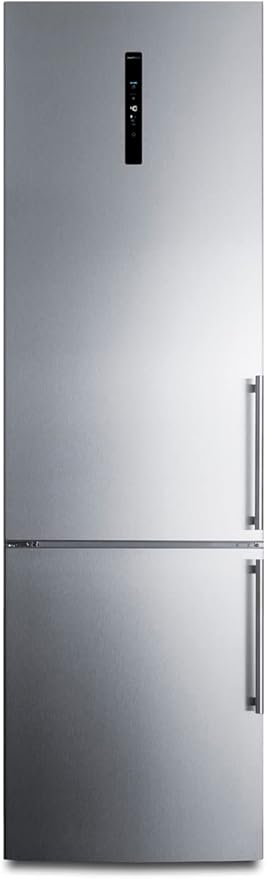
Bottom Freezer Refrigerators: With the freezer located at the bottom, these units make it easier to access refrigerated items at eye level. (Explore refrigerators with bottom freezers)
-
Side-by-Side Refrigerators: Offering equal space for both refrigerated and frozen goods, these models have doors that open from the center. (Check out side by side refrigerator)
-
French Door Fridges: These combine a bottom freezer with a two-door refrigerator on top, providing ample space and convenience. (Discover french door fridges)
-
Mini Fridges: Compact and perfect for smaller spaces or additional storage, mini fridges often come with a small freezer compartment. (Find mini fridge and freezer options)
-
Freezer Types: Freezers come in various forms, including chest freezers (chest freezer 7 cu ft), upright freezers (garage ready upright freezer), and drawer freezers (drawer freezer).
-
Specialty Refrigerators: For specific needs, there are wine coolers, kegerators, and even gaming fridges designed to enhance your entertainment setup.
-
Integrated and Counter-Depth: These fridges and freezers blend seamlessly with your cabinetry, offering a sleek look. (Learn about integrated freezer options)
Understanding the different types of fridges and freezers available helps you make an informed decision based on your lifestyle, the size of your household, and the space you have. Whether you need a spacious american style fridge freezer for a large family or a compact undercounter fridge for your office, there's an appliance to fit your needs.
Fridge Features and Functions
Understanding the features and functions of your fridge is essential for maximizing its use and ensuring that your food remains fresh and safe to consume. Modern fridges come with a variety of features designed to enhance their usability and preserve your food efficiently.
Key Features of Modern Fridges
Modern fridges are equipped with an array of features that cater to your preservation needs and convenience. Some key features you might find in contemporary models include:
- Adjustable Shelving: Allows you to customize the interior layout to accommodate larger items or improve organization.
- Crisper Drawers: Specifically designed to control humidity, helping to keep fruits and vegetables fresh for longer periods.
- Door Alarms: Alert you when the fridge door has been left open, helping to conserve energy and maintain the temperature.
- Water and Ice Dispensers: Provide easy access to chilled water and ice without the need to open the fridge door.
- Temperature Controls: Enable you to set the precise temperature for different compartments, ensuring optimal conditions for different types of food.
- Energy Star Ratings: Indicate the energy efficiency of the fridge, helping you save on electricity bills and reduce environmental impact.
For those with specific needs, additional features like smart connectivity, which allows you to monitor and control your fridge remotely, or specialized storage zones for items like dairy, meat, or beverages, can also be found. If you're interested in learning about fridges with advanced technology, you can read more on what does an internet-connected refrigerator do?
How a Fridge Works
At its core, a fridge works by removing heat from the interior space and releasing it to the outside environment. This process is facilitated by a refrigeration cycle involving a compressor, a set of coils, a refrigerant, and an expansion device. Here's a simplified explanation:
- Compressor: The refrigerant, a substance used for cooling, is compressed to a high pressure, raising its temperature.
- Condenser Coils: The hot refrigerant passes through external coils where it loses heat to the surrounding air, condensing into a liquid.
- Expansion Valve: The high-pressure liquid refrigerant then flows through an expansion valve, reducing its pressure and cooling it further.
- Evaporator Coils: The cold, low-pressure refrigerant absorbs heat from the fridge's interior as it evaporates back into a gas.
- Cycle Repeats: The refrigerant gas returns to the compressor to begin the cycle anew.
This continuous cycle keeps the fridge's internal temperature consistently low, preserving the freshness of your food. To understand more about the refrigeration process, see our article on how do freezers work? which explains a similar principle applied to freezers.
Freezer Features and Functions
Understanding the features and functions of freezers is crucial to making an informed decision for your home. Whether you're outfitting a new residence or upgrading your current appliance, being aware of what's available can help you find the best freezer for your needs.
Key Features of Freezers
Freezers come with a variety of features designed to meet specific needs. Here are some key features you should be familiar with:
- Adjustable Temperature Control: This allows you to set the optimal conditions for your frozen goods. Learn more about freezer temperature settings and their importance.
- Frost-Free Technology: Many modern freezers come with this feature to reduce the buildup of ice, eliminating the need for manual defrosting. Read about fridge freezers frost free to understand how this feature works.
- Energy Efficiency: Energy-efficient models can reduce electricity consumption and lower utility bills. Explore how to make your fridge and freezer energy efficient for more information.
- Size and Capacity: Freezers range from compact units to large chest freezers, which can accommodate different storage needs. See our guides on small chest freezer and large chest freezers for details on sizing.
- Built-in Alarms: These alarms alert you if the temperature rises to unsafe levels, helping to prevent food spoilage.
Types of Freezers Available
Freezers come in several types, each with unique advantages. Here's a brief overview:
- Chest Freezers: Ideal for long-term storage and bulk items, with a top-opening design. Examples include chest freezer 7 cu ft and 7 cu ft chest freezer.
- Upright Freezers: These feature a front-opening design similar to a refrigerator, making it easier to organize and access items. Check out garage ready upright freezer and small upright freezers for sale.
- Drawer Freezers: Designed to be built into your kitchen cabinetry, offering a seamless look. Learn more about drawer freezer.
- Portable Freezers: Great for on-the-go use, such as camping or tailgating. See options like car refrigerator and camping fridges for sale.
By considering the key features and types of freezers, you can choose the right appliance that aligns with your lifestyle and food storage needs. Whether you need a freezer for daily use or for special occasions, you can find a model that suits your space, budget, and culinary habits.
Fridge and Freezer Placement
The location of your fridge and freezer can significantly impact their efficiency and longevity. Proper placement ensures optimal performance and can save you from future headaches.
Ideal Locations for Your Fridge and Freezer
Your fridge and freezer should be placed in a cool, dry area away from direct sunlight and heat sources, such as ovens or radiators, which can cause them to work harder to maintain the necessary temperatures. Additionally, ensure there's adequate space around the unit for air to circulate and for the doors to open comfortably. Here are some common locations:
- Kitchen: The most traditional spot for a fridge and freezer with ample space and accessibility.
- Garage: A viable option for overflow storage, provided the environment is temperature-controlled.
- Basement: Ideal for extra freezers, especially chest freezers, given the typically cooler basement temperatures.
- Utility Room: Good for standalone freezers or second fridges, as long as there's proper ventilation.
Tips for Proper Placement
- Maintain Clearance: Ensure there's at least one inch of clearance around the fridge and freezer for proper air circulation.
- Level the Unit: Use a level to ensure your fridge and freezer are perfectly horizontal to prevent undue stress on the compressor and ensure proper door function.
- Consider the Door Swing: Make sure there's enough room for the fridge and freezer doors to open fully without hitting walls or other appliances.
- Ventilation Matters: Especially if you're considering an integrated model, proper ventilation is crucial to prevent overheating.
- Avoid External Walls: If possible, place your fridge and freezer away from external walls, particularly if you live in a climate with extreme outdoor temperatures.
- Accessibility: Ensure your fridge and freezer are placed in a convenient location for your daily routine and consider the workflow of your space.
Before installation, you might also want to consider a mini fridge stand for elevation or look into models that are garage ready if you're placing them outside the kitchen. For those living in spaces where noise is a concern, such as a studio apartment, be mindful of the unit's decibel rating and seek out low-noise models, ensuring a peaceful environment.
Properly placing your fridge and freezer not only contributes to their efficiency but also helps in maintaining the quality of your stored food. While the fridge keeps your daily items fresh, the freezer allows you to store bulk items and prepare meals in advance, often explored in ground beef freezer meals or when considering how long to keep your tuna mayo and chicken salad fresh.
By following these tips for proper placement, you can ensure that your fridge and freezer operate at their best, saving you money on energy bills and preventing unnecessary wear and tear over time.
Organizing Your Fridge and Freezer
Organizing your fridge and freezer can help you maximize space, reduce food waste, and maintain food safety. With the right approach, you can ensure that your perishables stay fresh longer and that you can find what you need without a lengthy search.
Best Practices for Fridge Organization
When organizing your fridge, it's important to consider both functionality and food safety. Here are some best practices to follow:
- Top and Middle Shelves: Ready-to-eat foods, such as dairy, cooked meats, and leftovers, should be stored on the top and middle shelves. They should be covered or stored in airtight containers to prevent contamination and extend freshness.
- Lower Shelves: Raw meat, poultry, and fish should be placed on the bottom shelf to prevent their juices from dripping onto other foods and causing cross-contamination.
- Crisper Drawers: Use crisper drawers for fruits and vegetables. Adjust the humidity settings based on the type of produce you're storing. Vegetables benefit from high humidity, while fruits prefer a lower setting.
- Door Shelves: The door is the warmest part of the fridge, so store condiments and other items that are less temperature-sensitive here. Avoid storing milk and eggs on the door, despite what the built-in racks may suggest.
- Keep It Clear: Regularly check expiration dates and remove any spoiled items to keep your fridge clear of clutter.
- Smart Arrangement: Place items you use frequently at eye level and group similar items together for easy access.
For more detailed guidance on how to arrange food in your fridge, you might find how long does chicken salad last in the fridge? and how long does tuna mayo last in the fridge? useful.
Tips for Efficient Freezer Organization
A well-organized freezer can save you time and make meal planning easier. Here are some tips to keep your freezer neat and efficient:
- Label and Date: Clearly label all containers and bags with the contents and the date frozen. This will help you keep track of what you have and ensure you use older items first.
- Use Containers: Square or rectangular containers are space-efficient and stackable. Opt for clear containers so you can easily see what's inside.
- Freeze Flat: For items like soups and stews, freeze them flat in zip-top bags before stacking them. This saves space and allows for quicker thawing.
- Categorize: Group similar items together. Consider using bins or baskets to separate different types of food, such as meats, vegetables, and prepared meals.
- Inventory List: Keep an inventory list of what's in your freezer. Update it as you add or remove items to avoid overbuying or forgetting what you have.
- Avoid Overfilling: Ensure there's enough space for air to circulate. This helps maintain consistent temperatures and energy efficiency.
For additional information on managing your freezer's temperature and contents, check out how cold do freezers get? and how long does ice cream last in the freezer?.
By implementing these organization tips for your fridge and freezer, you'll be able to keep your perishables in optimal condition and make mealtime decisions with ease. Regularly revisiting and adjusting your organization strategy can also help you adapt to changes in your household's eating habits and preferences.
Maintenance and Cleaning
Maintaining and cleaning your fridge and freezer are critical practices to ensure the longevity and efficiency of these essential household appliances. Regular upkeep not only helps in preventing food spoilage but also in maintaining optimal performance.
Regular Maintenance Tips for Your Fridge and Freezer
Maintaining your fridge and freezer involves several routine checks and tasks:
- Inspect Seals and Gaskets: Ensure that the door seals are not loose or cracked. A tight seal keeps cold air trapped, preventing energy wastage and overworking of the appliance.
- Coil Cleaning: Dust and debris can accumulate on the condenser coils, which can impact the efficiency of your unit. Clean these coils every six months to ensure proper air circulation.
- Temperature Checks: Regularly monitor the temperature settings of your fridge and freezer. The recommended setting for fridges is at or below 40°F (4°C), and freezers should be at 0°F (-18°C). Refer to our freezer temperature guide for more details.
- Defrosting: Some freezers require manual defrosting. Excessive frost buildup can reduce the appliance's efficiency. For tips on defrosting without turning off your appliance, see how to defrost fridge freezer without turning it off.
- Replace Filters: If your fridge comes with a water dispenser or ice maker, replace the filters as recommended by the manufacturer to ensure clean water and ice.
Cleaning Dos and Don'ts
Regular cleaning is essential for hygiene and helps in extending the lifespan of your fridge and freezer. Here are some cleaning dos and don'ts:
Dos:
- Do Unplug: For a thorough cleaning, unplug your fridge and freezer.
- Do Use Mild Detergents: Clean the interior with a solution of warm water and mild detergent. Baking soda can also be used to neutralize odors.
- Do Clean Spills Immediately: To prevent the growth of bacteria and stubborn stains, clean spills as soon as they occur.
- Do Remove Shelves and Bins: Take out all removable components and wash them separately.
- Do Dry Thoroughly: After cleaning, dry all surfaces with a clean towel to prevent mildew and odors.
Don'ts:
- Don't Use Harsh Chemicals: Avoid bleach or other harsh cleaners that can damage the appliance's surfaces and leave unpleasant smells.
- Don't Ignore the Exterior: Clean the external surfaces and handles regularly, as they come into frequent contact with hands.
- Don't Forget the Drip Pan: Clean the drip pan under the fridge if it's accessible, as it can harbor mold and unpleasant smells.
- Don't Rush the Process: Allow sufficient time for a thorough cleaning, ensuring all nooks and crannies are wiped down.
- Don't Block Air Vents: When returning food items, be careful not to block the air vents with tall or bulky items.
By following these maintenance and cleaning tips, you can keep your fridge and freezer in top condition, ensuring they serve you well for years to come. For more insights into maximizing the lifespan of your appliances, explore topics such as how long does chicken salad last in the fridge? and how long does ice cream last in the freezer? to better understand food preservation in your fridge and freezer.
Energy Efficiency
Reducing energy consumption is not just beneficial for your wallet but also for the environment. When it comes to your fridge and freezer, there are several ways to ensure they are operating as energy efficiently as possible.
How to Make Your Fridge and Freezer Energy Efficient
The efficiency of your fridge and freezer depends on factors such as age, model, and maintenance. Follow these guidelines to improve their energy efficiency:
-
Set the Right Temperature: Keep your fridge at the optimal temperature range between 35°F and 38°F. Freezers should be set at 0°F. Check out our article on freezer temperature for more details.
-
Maintain Seals: Ensure that the seals on your fridge and freezer doors are clean and tight. Poor seals allow cold air to escape, causing the unit to work harder.
-
Defrost Regularly: If your units are not frost-free, regular defrosting is necessary to keep them running efficiently. Learn how to defrost fridge freezer without turning it off.
-
Keep Them Full: A full fridge or freezer retains cold better than an empty one, as the mass of the items inside helps to maintain low temperatures.
-
Position Away from Heat Sources: Avoid placing your fridge or freezer near heat-producing appliances or in direct sunlight, as this can cause them to use more energy.
-
Regular Maintenance: Keep the coils clean and check for any faults. Refer to our article on who invented the freezer? that also discusses modern maintenance tips.
Tips for Reducing Energy Consumption
Implementing energy-saving habits can further reduce the power usage of your fridge and freezer:
-
Limit Door Openings: Decide what you need before you open the fridge or freezer door to minimize the loss of cold air.
-
Organize Contents: Keeping your fridge and freezer organized helps you to find things quickly, reducing the time the door is open. Check out our tips for organizing your fridge and freezer.
-
Cool Down Leftovers: Allow hot foods to cool down before placing them in the fridge or freezer to avoid increasing the internal temperature.
-
Use Power-Saving Modes: If your unit has a power-saving mode, use it. This could reduce energy consumption when full cooling is not needed.
-
Upgrade to Energy-Efficient Models: Consider replacing old models with new energy-efficient ones. Look for the ENERGY STAR label when shopping for new appliances, or read reviews on the best rated refrigerators 2023.
-
Check for Energy Rebates: Some utility companies offer rebates for purchasing energy-efficient appliances. Research local incentives that could offset the cost of an upgrade.
By following these tips and regularly maintaining your fridge and freezer, you can ensure that they are not only preserving your food effectively but doing so in a manner that is kind to both the environment and your finances. Remember that small changes can lead to significant savings over time. For further information on energy efficiency in household appliances, review our article on what are fridges made of?, which includes insights into design and energy consumption.
Troubleshooting Common Issues
Common Fridge Problems and Solutions
When you encounter issues with your fridge, it can be a source of frustration. Here are some common fridge problems with solutions that might help:
- Fridge Not Cooling Properly
- Check if the thermostat is set to the correct temperature.
- Ensure that the fridge isn't overloaded, as this can block airflow.
- Clean the condenser coils to improve efficiency.
- Verify that the door seals are intact and clean.
- Fridge Making Strange Noises
- Identify the source of the noise. If it's coming from the back, it could be the compressor or the motor.
- Ensure the fridge is level; an uneven fridge can cause vibrations.
- Check for any loose parts and tighten them as needed.
- Fridge Leaking Water
- Clear any blockages in the defrost drain.
- Check if the water supply line for the ice maker is leaking.
- Inspect the drip pan for overflow.
For a more detailed guide on addressing these concerns, you can visit how to defrost fridge freezer without turning it off.
Common Freezer Problems and Solutions
Freezers, too, can run into problems. Below are some common issues with solutions:
- Freezer Not Freezing
- Ensure the temperature is set to the recommended setting. Refer to freezer temperature for guidance.
- Check for a buildup of frost that might indicate a defrosting issue.
- Examine the door seal for any signs of damage or leaks.
- Freezer Over-Freezing
- Inspect the thermostat; it might need replacing if it's not functioning correctly.
- Look into the defrost system, as a malfunction here can cause over-freezing.
- Make sure the freezer is not packed too tightly, as this can restrict airflow.
- Freezer Burn on Food
- Wrap food properly before placing it in the freezer. Visit how long does ice cream last in the freezer? for tips on storing frozen treats.
- Avoid leaving the freezer door open for extended periods.
- Check that the freezer maintains a consistent temperature.
For those interested in the mechanics behind freezers, how do freezers work? provides an insightful explanation.
By understanding these common fridge and freezer problems and knowing how to address them, you can extend the life of your appliances and ensure they run efficiently. Regular maintenance is key, and for those looking to upgrade, researching best freezers or best rated refrigerators 2023 can offer options that may be more reliable and efficient.
Get Your Upgrade or New Addition at Fridge.com
Whether you're searching for your perfect fridge, freezer, wine fridge, beer fridge, ice maker, or kegerator, we have what you need.
Shop the world's best brands at Fridge.com.
We also have tons of awesome articles about kitchen stuff and home news. Enhance your home, garage, backyard, patio, and office with the coolest essentials. With every necessary type of residential refrigerator or freezer in our collection, we've got you covered.
Elevate your game and shop now at Fridge.com!