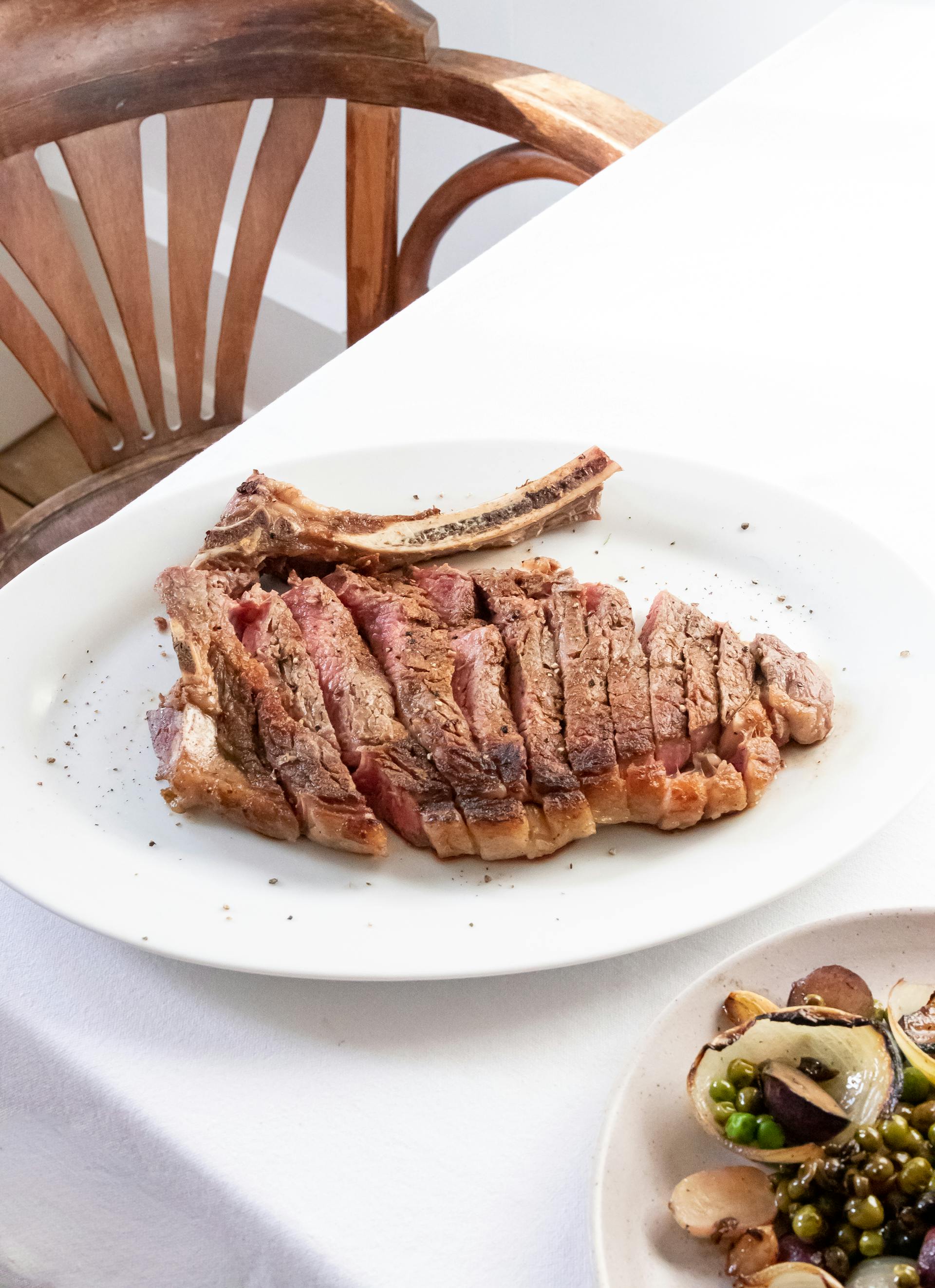
Freezing Ribeye Roast: A Guide
Introduction to Freezing Ribeye Roast
Freezing ribeye roast ensures that you always have a high-quality cut of meat ready for your next special meal. Whether you live in a cozy apartment, a spacious ranch, or a tiny home, having a ribeye roast stored in your freezer can be a game-changer. This guide will walk you through the essential steps to properly freeze and store your ribeye roast, ensuring it remains flavorful and tender.
Why Freeze Ribeye Roast?
Freezing ribeye roast offers several benefits. It allows you to buy meat in bulk, saving you both time and money. If you find a great deal on ribeye roast, freezing it ensures that you can enjoy it at a later date without compromising on quality. Additionally, having a ribeye roast in your freezer provides convenience, especially when planning impromptu gatherings or family dinners.
Another reason to freeze ribeye roast is to extend its shelf life. Properly frozen, a ribeye roast can maintain its quality for several months. This is particularly useful for those who prefer to stock up on high-quality meats during sales or special events. For more tips on maintaining your freezer, check out our article on frost fridge freezers.
| Benefit | Description |
|---|---|
| Cost Savings | Buy in bulk during sales |
| Convenience | Easily plan meals and gatherings |
| Extended Shelf Life | Keeps meat fresh for months |
For those who love to entertain, having a frozen ribeye roast on hand can be a lifesaver. Whether it's a backyard barbecue, a family celebration, or a holiday feast, a well-prepared ribeye roast is sure to impress. And if you need more freezer storage tips, our guide on freezing turkey stock can be quite helpful.
Freezing ribeye roast is a practical solution for maintaining a well-stocked freezer. Whether you're a foodie, a chef, or simply someone who enjoys a delicious meal, knowing the proper techniques for freezing and thawing ribeye roast is invaluable. For additional tips on freezer organization, visit our article on the most organized fridge.
Preparing the Ribeye Roast for Freezing
Proper preparation of your ribeye roast before freezing ensures that it retains its quality and flavor. This process involves trimming, packaging, and labeling the meat correctly.
Trimming and Packaging
Trimming your ribeye roast before freezing is an essential step. Remove any excess fat and unwanted parts to ensure the meat freezes evenly. Trimming also helps in reducing any unpleasant odors that might develop during freezing.
Once trimmed, packaging the roast properly is crucial. Use heavy-duty aluminum foil, plastic wrap, or freezer bags to wrap the ribeye roast. Vacuum sealing is highly recommended as it removes air and prevents freezer burn, keeping the meat fresher for a longer period.
| Packaging Material | Benefits |
|---|---|
| Aluminum Foil | Protects against freezer burn, easy to mold around the roast |
| Plastic Wrap | Clings tightly to the roast, provides a good barrier |
| Freezer Bags | Convenient, easy to label, reusable |
| Vacuum Seal | Best protection against freezer burn, extends shelf life |
For an extra layer of protection, consider double-wrapping the roast. This means wrapping it in plastic wrap first, and then covering it with aluminum foil or placing it in a freezer bag.
Labeling for Easy Identification
Labeling your ribeye roast before placing it in the freezer is a simple yet important step. Proper labeling helps you keep track of the meat's freezing date and ensures you use it within the optimal time frame.
When labeling, include the following information:
- Type of meat (Ribeye Roast)
- Date of freezing
- Weight (optional)
Using a permanent marker, write this information on a piece of masking tape or directly on the freezer bag. Labeling makes it easier to identify the roast in your freezer, especially if you have multiple items stored.
Proper preparation and labeling will ensure that your ribeye roast remains in excellent condition in your freezer. For more tips on maintaining a well-organized fridge and freezer, check out our article on the most organized fridge.
Freezing Techniques
When it comes to preserving the quality of your ribeye roast in the freezer, employing proper freezing methods is essential. Understanding the right techniques will help you maintain the flavor and texture of your roast.
Proper Freezing Methods
For optimal results, follow these steps to freeze your ribeye roast:
- Wrapping: Use plastic wrap or aluminum foil to tightly wrap the ribeye roast. Ensure that there are no exposed parts to prevent air from getting in.
- Sealing: Place the wrapped roast in a heavy-duty freezer bag or vacuum-sealed bag. Remove as much air as possible to create an airtight seal.
- Labeling: Clearly label the package with the date of freezing and the content. This will help you easily identify and manage your freezer inventory. For more tips on labeling, visit our article on freezing turkey stock.
| Step | Materials Needed |
|---|---|
| Wrapping | Plastic Wrap, Aluminum Foil |
| Sealing | Freezer Bag, Vacuum-Sealed Bag |
| Labeling | Permanent Marker |
Avoiding Freezer Burn
Freezer burn can negatively impact the quality of your ribeye roast, leading to dry and flavorless meat. To avoid this, follow these guidelines:
- Temperature Control: Keep your freezer at or below 0°F (-18°C). Consistent temperature helps prevent freezer burn.
- Packaging: Use proper packaging materials like heavy-duty freezer bags or vacuum-sealed bags. Double wrapping with plastic wrap followed by aluminum foil can also help.
- Storage Duration: Store the ribeye roast for no longer than 6-12 months to maintain its quality. For more information on storage duration, visit our article on freezing garden beans.
| Storage Duration | Quality Maintenance |
|---|---|
| 6-12 months | High |
By following these freezing techniques, you can ensure that your ribeye roast remains in excellent condition while stored in your family fridge freezer. For more tips on organizing your freezer, check out our article on the most organized fridge.
Thawing and Cooking Frozen Ribeye Roast
Thawing Safely
Thawing your ribeye roast properly is essential for preserving its quality and ensuring food safety. The best way to thaw a ribeye roast is to transfer it from the freezer to the refrigerator. This method is slower but safer, as it keeps the roast at a consistent, safe temperature.
Refrigerator Thawing: Place the ribeye roast on a tray to catch any drips and leave it in the fridge for 24 to 48 hours, depending on the size of the roast. This slow thawing process helps maintain the meat's texture and flavor.
Cold Water Thawing: If you need to thaw the roast more quickly, submerge it in cold water. Ensure the roast is in a leak-proof plastic bag to prevent water from contaminating it. Change the water every 30 minutes to keep it cold. This method usually takes 4 to 6 hours, depending on the size of the roast.
| Thawing Method | Time Required |
|---|---|
| Refrigerator | 24 - 48 hours |
| Cold Water | 4 - 6 hours |
Avoid thawing the roast at room temperature, as this can lead to uneven thawing and increase the risk of bacterial growth.
Cooking Tips for Frozen Ribeye Roast
Cooking a ribeye roast from frozen can be challenging, but with the right techniques, you can achieve delicious results. Here are some tips to help you cook your frozen ribeye roast effectively:
Preheat the Oven: Start by preheating your oven to a lower temperature, around 250°F (120°C). This allows the roast to cook evenly without drying out the exterior.
Season Generously: While the roast is still frozen, season it generously with salt, pepper, and your favorite herbs and spices. The seasoning will adhere better as the meat starts to thaw and cook.
Use a Meat Thermometer: Since cooking times can vary, using a meat thermometer is crucial. Insert the thermometer into the thickest part of the roast to monitor the internal temperature. For a medium-rare ribeye roast, aim for an internal temperature of 135°F (57°C).
Sear the Roast: Once the roast reaches an internal temperature of 110°F (43°C), remove it from the oven and increase the oven temperature to 450°F (230°C). Sear the roast for 10-15 minutes to develop a flavorful crust.
| Desired Doneness | Internal Temperature |
|---|---|
| Medium-Rare | 135°F (57°C) |
| Medium | 145°F (63°C) |
| Well-Done | 160°F (71°C) |
For more tips on how to cook frozen meats, check out our article on freezing turkey stock.
Using these methods, you can enjoy a perfectly cooked ribeye roast, even if it started out frozen. For other freezing tips and recipes, explore our guides on freezing turkey gravy and freezing frosted cake.
Best Practices for Storing Frozen Ribeye Roast
Keeping your ribeye roast in optimal condition while frozen is essential to preserving its flavor and texture. Follow these best practices to ensure your ribeye roast stays delicious.
Storage Duration
The duration for storing a ribeye roast in the freezer can impact its quality. For best results, it's advisable to consume the roast within a specific timeframe.
| Storage Temperature | Recommended Duration |
|---|---|
| 0°F (-18°C) | Up to 12 months |
Using a family fridge freezer with a consistent temperature is crucial for maintaining the quality of the meat.
Maintaining Quality while Frozen
To maintain the quality of your ribeye roast while it is frozen, consider the following tips:
- Proper Packaging: Ensure the roast is tightly wrapped in plastic wrap or stored in airtight freezer bags. This helps prevent air exposure and freezer burn.
- Double Wrapping: For added protection, double wrap the roast with aluminum foil after the initial plastic wrap.
- Vacuum Sealing: Using a vacuum sealer can greatly reduce air exposure and extend the shelf life of the roast.
- Labeling: Clearly label the package with the date of freezing. This helps in keeping track of storage duration and ensures you use the oldest meat first.
Avoid placing the roast near the freezer door. The frequent opening and closing can cause temperature fluctuations that might affect the quality of the meat. Instead, store it in the back of the freezer where the temperature remains more stable.
For more information on preventing freezer burn and proper storage techniques, check out our article on freezing turkey stock.
By following these best practices, you can ensure your ribeye roast remains in peak condition until you're ready to thaw and cook it. For tips on safely thawing and cooking your frozen roast, visit our guide on freezing roast turkey.
Enjoying Your Ribeye Roast
Serving Suggestions
Once your ribeye roast is thawed and cooked to perfection, there are numerous ways you can enjoy this delectable cut of meat. Here are a few serving suggestions to elevate your dining experience:
- Classic Ribeye Roast: Pair your ribeye roast with traditional sides like mashed potatoes, roasted vegetables, and a rich gravy.
- Steak Salad: Slice the ribeye thinly and serve it over a bed of mixed greens, cherry tomatoes, red onions, and your favorite dressing.
- Ribeye Sandwich: Use slices of ribeye in a sandwich with caramelized onions, melted cheese, and a flavorful sauce on a crusty roll.
- Surf and Turf: Complement your ribeye with grilled shrimp or lobster tails, enhancing the meal with a seafood touch.
- Asian-Inspired: Serve the ribeye with a side of stir-fried vegetables and a soy-ginger glaze for a fusion twist.
Reheating Instructions
To maintain the quality and flavor of your ribeye roast, proper reheating is essential. Here are some effective methods to reheat your roast without drying it out:
- Oven Method: Preheat your oven to 250°F (120°C). Place the ribeye roast in an oven-safe dish, cover it with aluminum foil, and heat for 20-30 minutes or until the internal temperature reaches 120°F (49°C). This method ensures even reheating and retains moisture.
- Stovetop Method: Slice the ribeye roast into even pieces. Heat a skillet over medium heat, add a small amount of oil or butter, and sear the slices for 1-2 minutes on each side until warmed through.
- Microwave Method: Place the ribeye slices on a microwave-safe plate and cover with a damp paper towel. Heat on medium power for 1-2 minutes, checking frequently to avoid overcooking.
- Sous Vide Method: If you have a sous vide machine, vacuum-seal the ribeye roast and submerge it in a water bath at 130°F (54°C) for about 45 minutes. This method ensures even reheating while preserving the roast's tenderness.
For more information on freezing and storing other foods, check out our articles on freezing turkey stock, freezing garlic bread, and freezing red potatoes.
By following these serving and reheating tips, you can enjoy a delicious and succulent ribeye roast, whether you're celebrating with family or entertaining friends.
Get Your Upgrade or New Addition at Fridge.com
Whether you're searching for your perfect fridge, freezer, wine fridge, beer fridge, ice maker, or kegerator, we have what you need.
Shop the world's best brands at Fridge.com.
We also have tons of awesome articles about kitchen stuff and home news. Enhance your home, garage, backyard, patio, and office with the coolest essentials. With every necessary type of residential refrigerator or freezer in our collection, we've got you covered.
Elevate your game and shop now at Fridge.com!