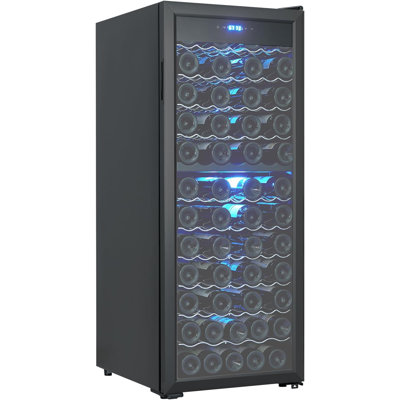
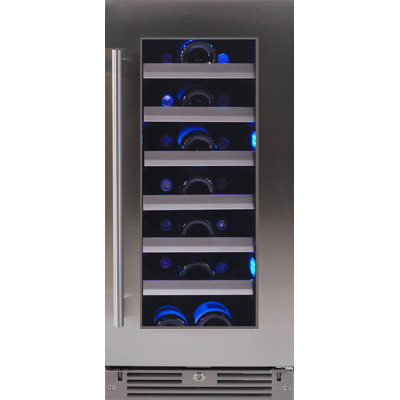
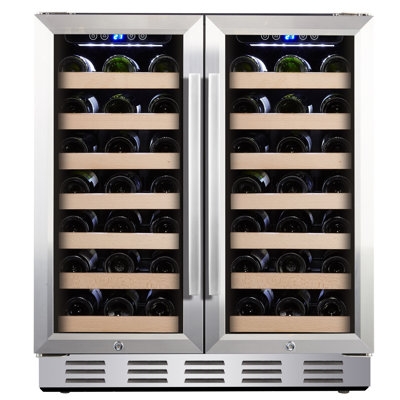
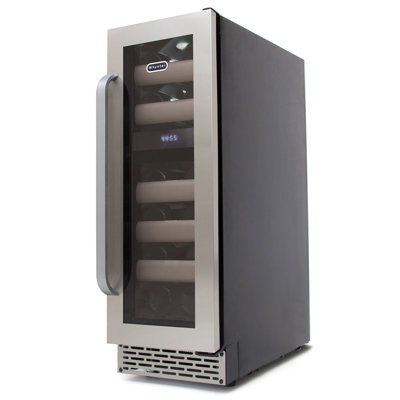
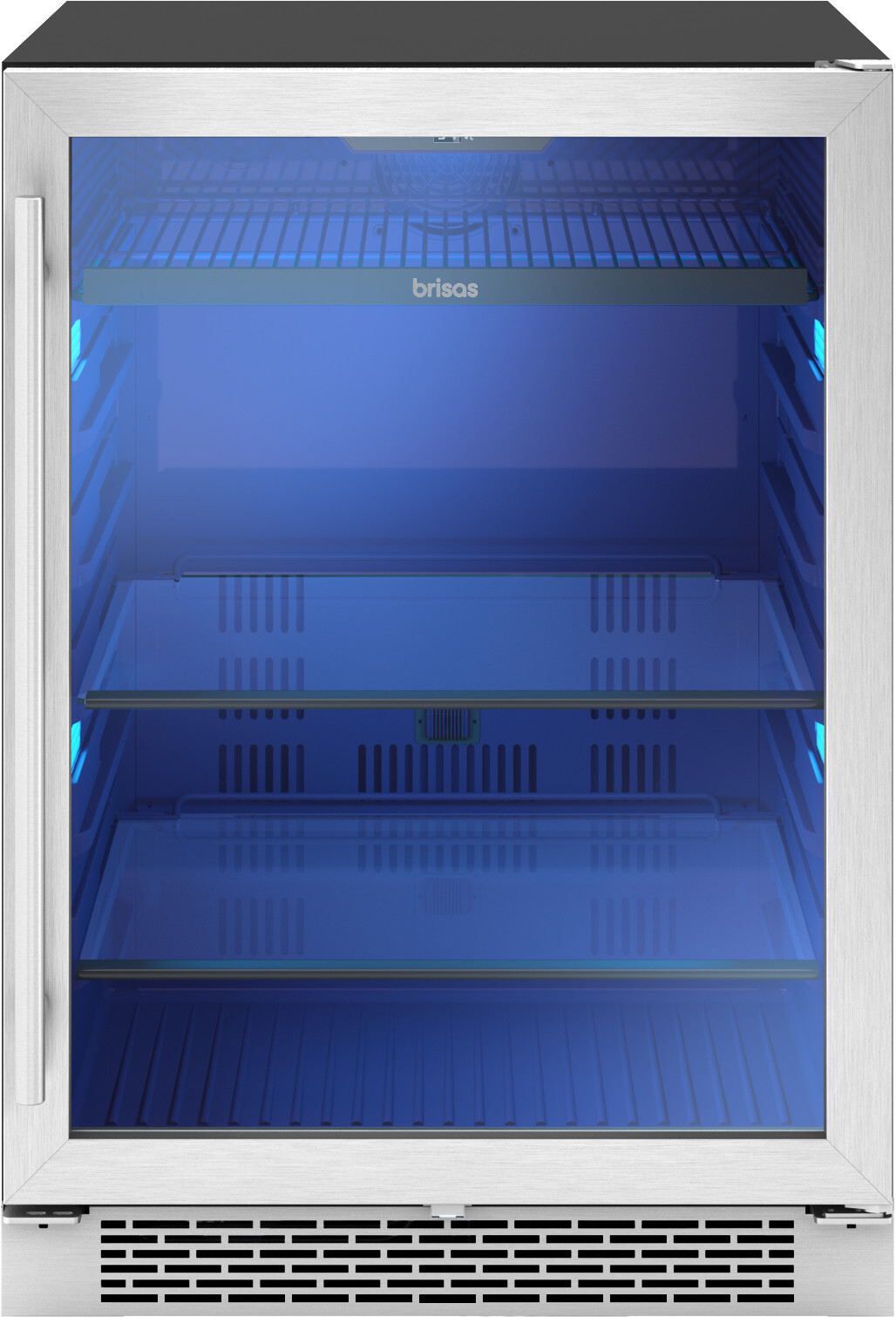
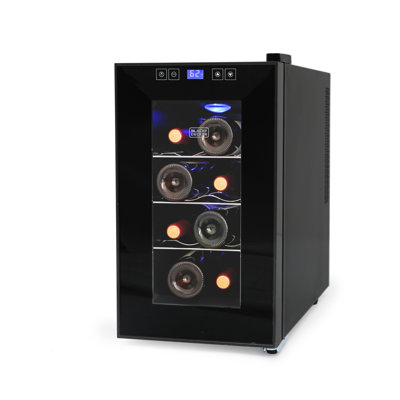
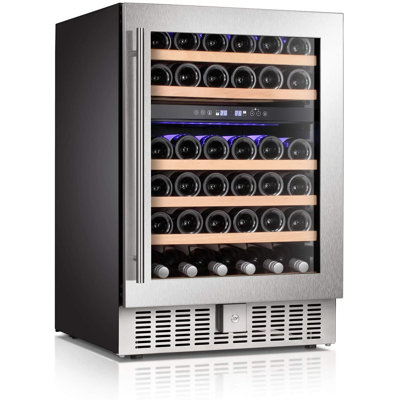
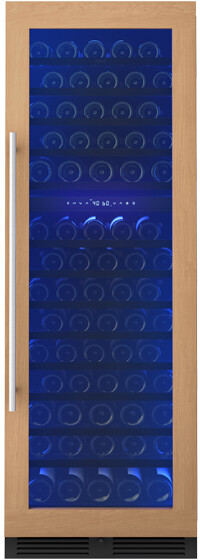
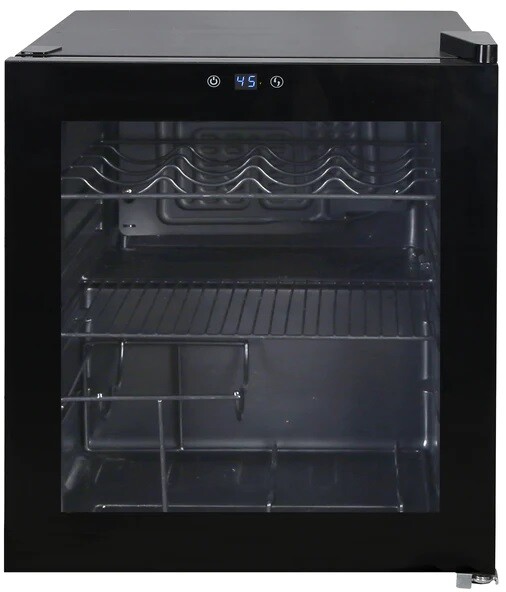
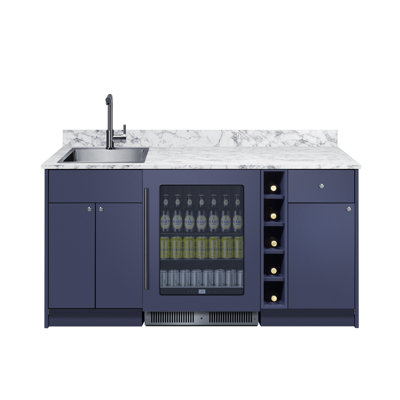
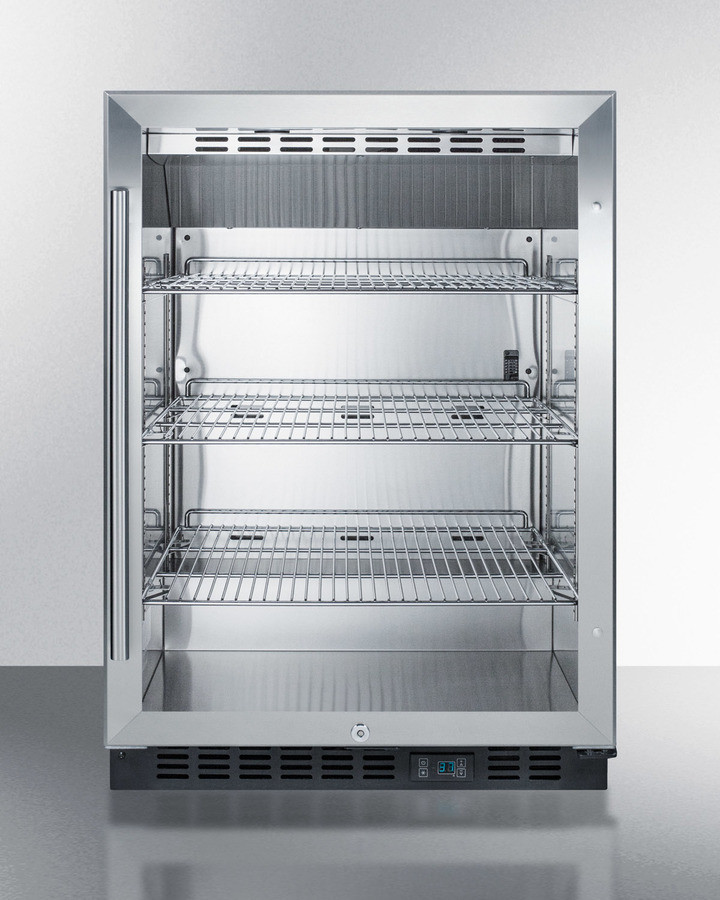
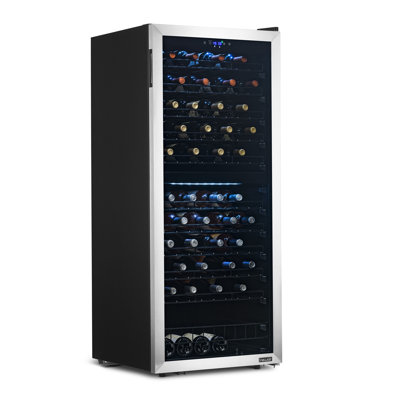
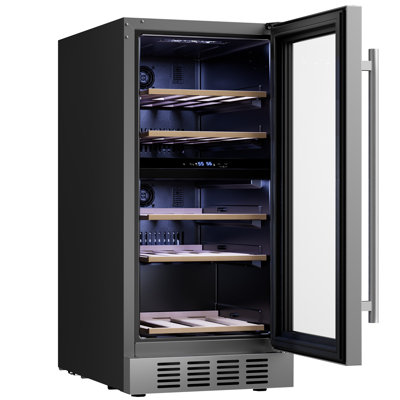
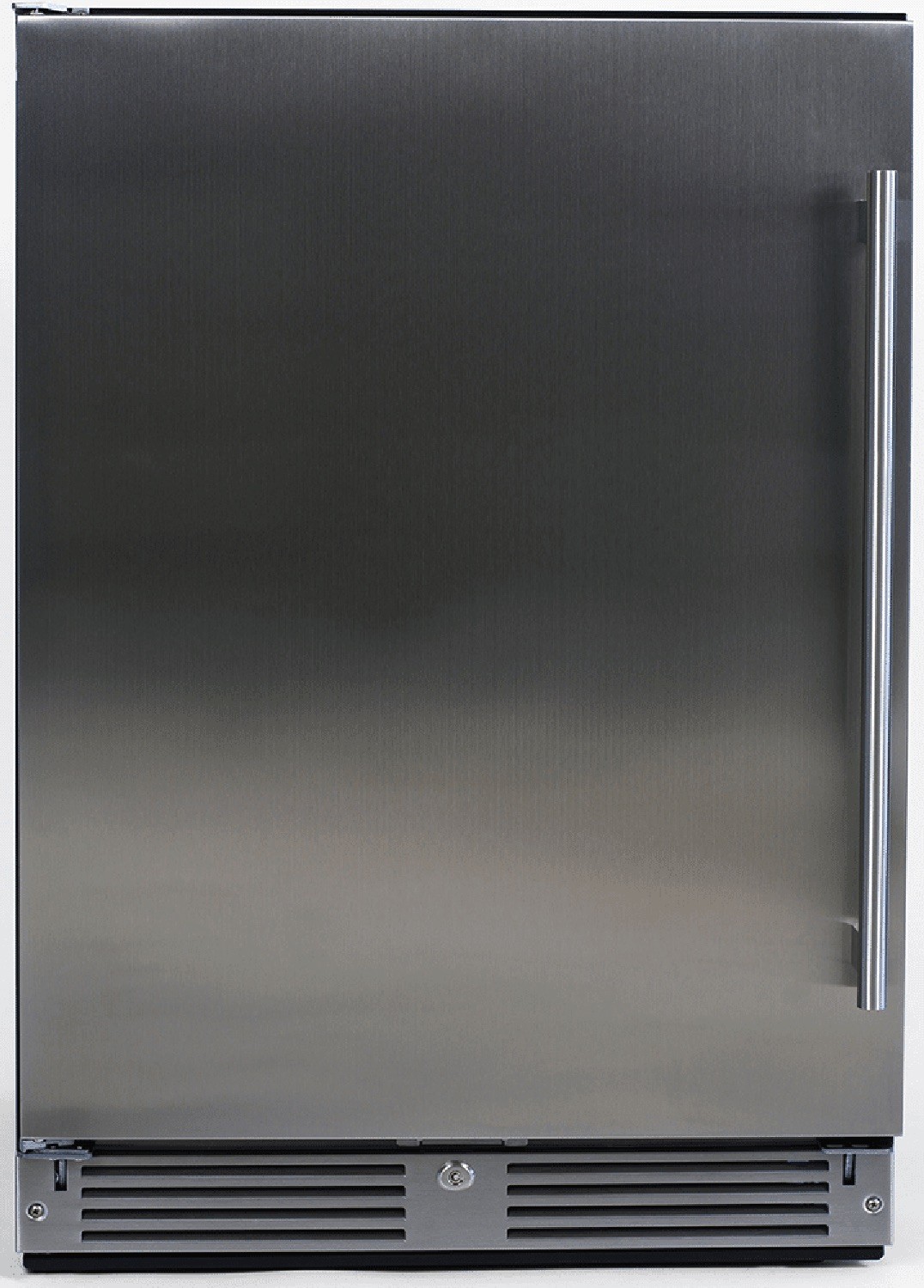
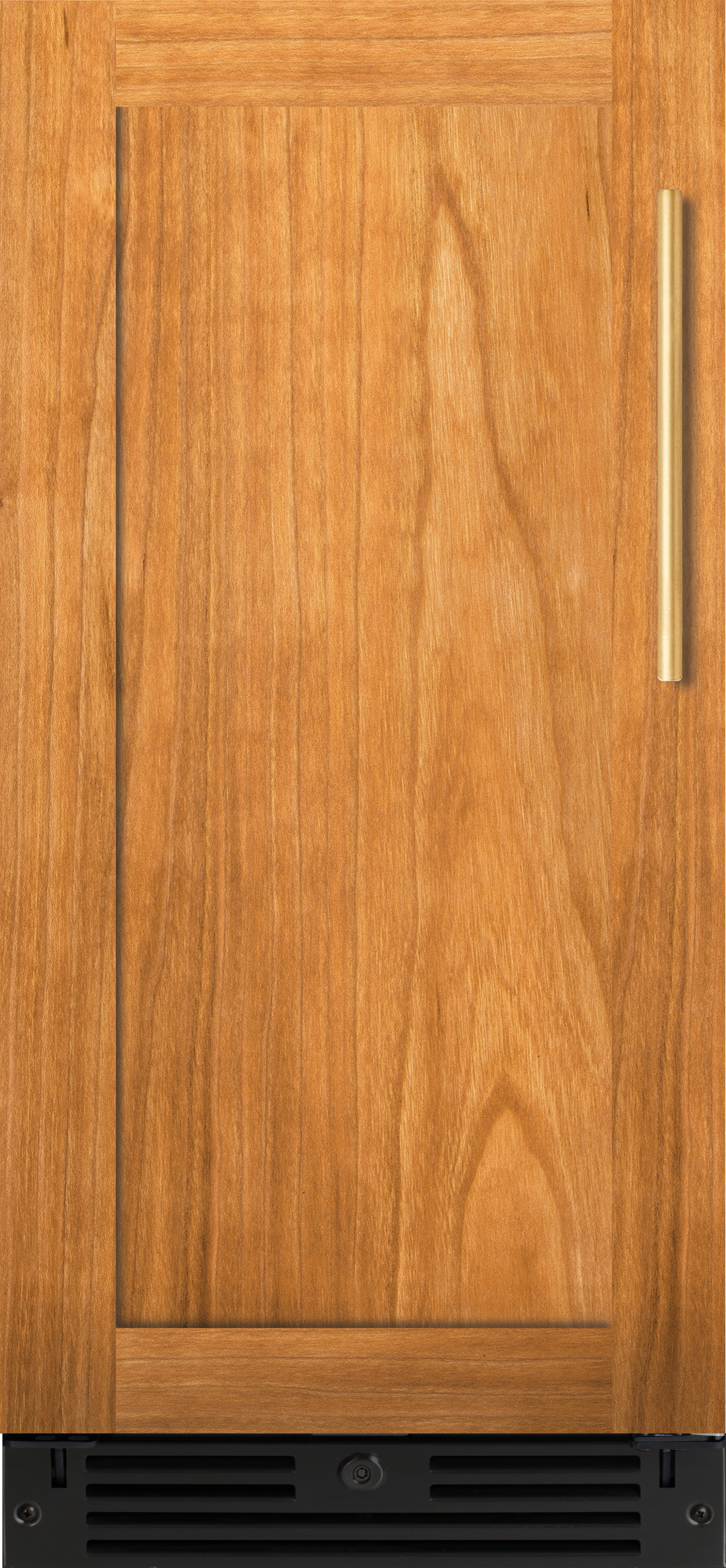
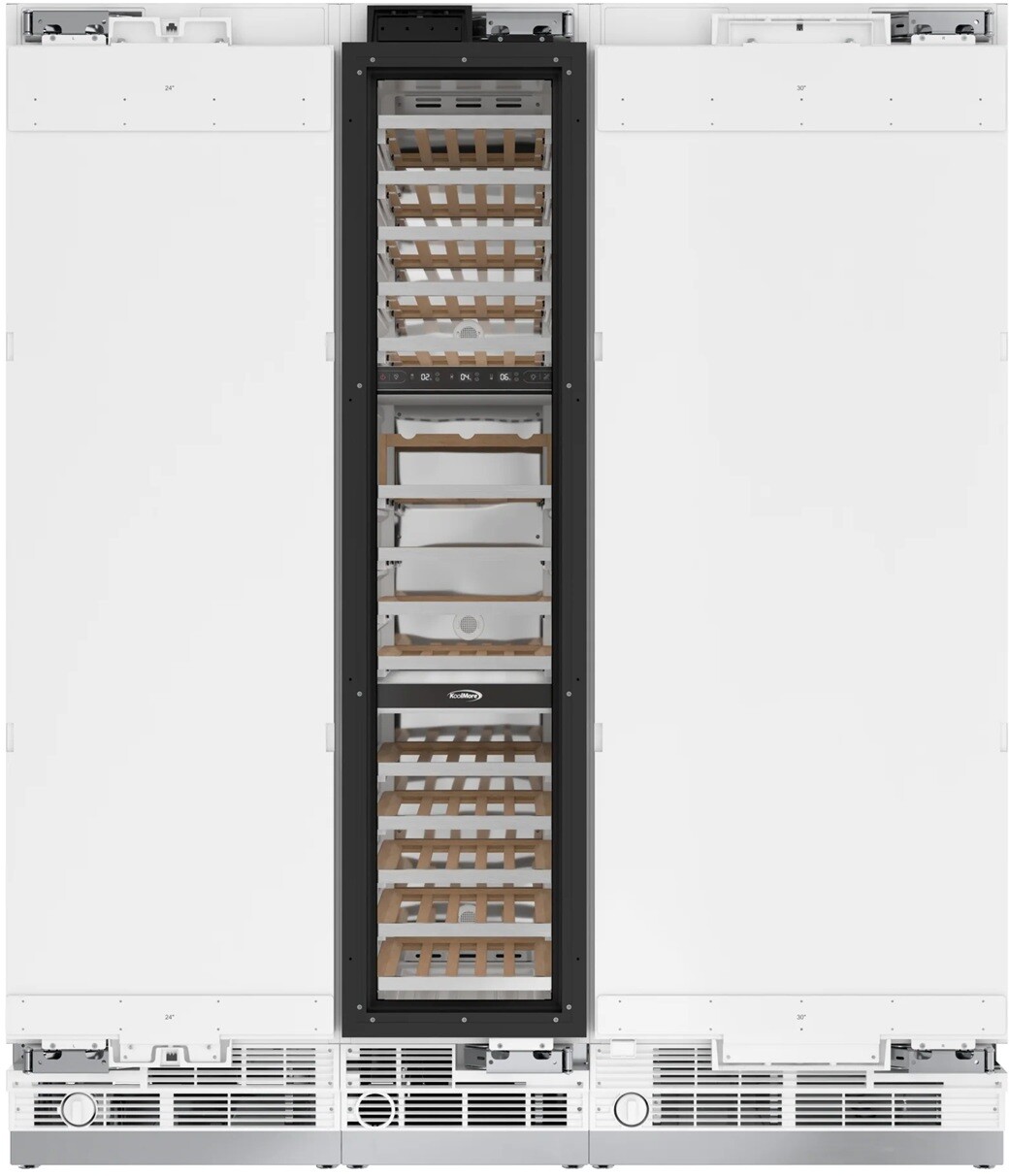
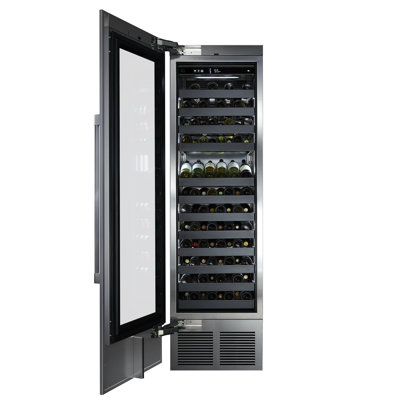
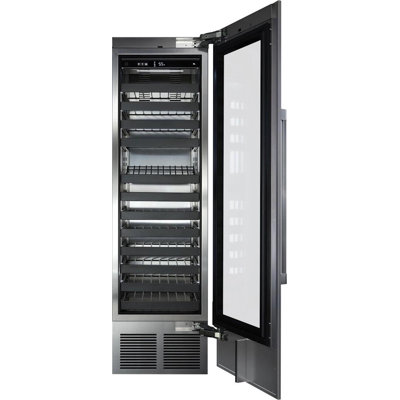
Freestanding wine coolers are standalone units that store wine at controlled temperatures. They are not built into cabinetry; they can sit on the floor or under a counter where space allows. This guide covers what to expect when choosing a freestanding wine cooler.
What Freestanding Means
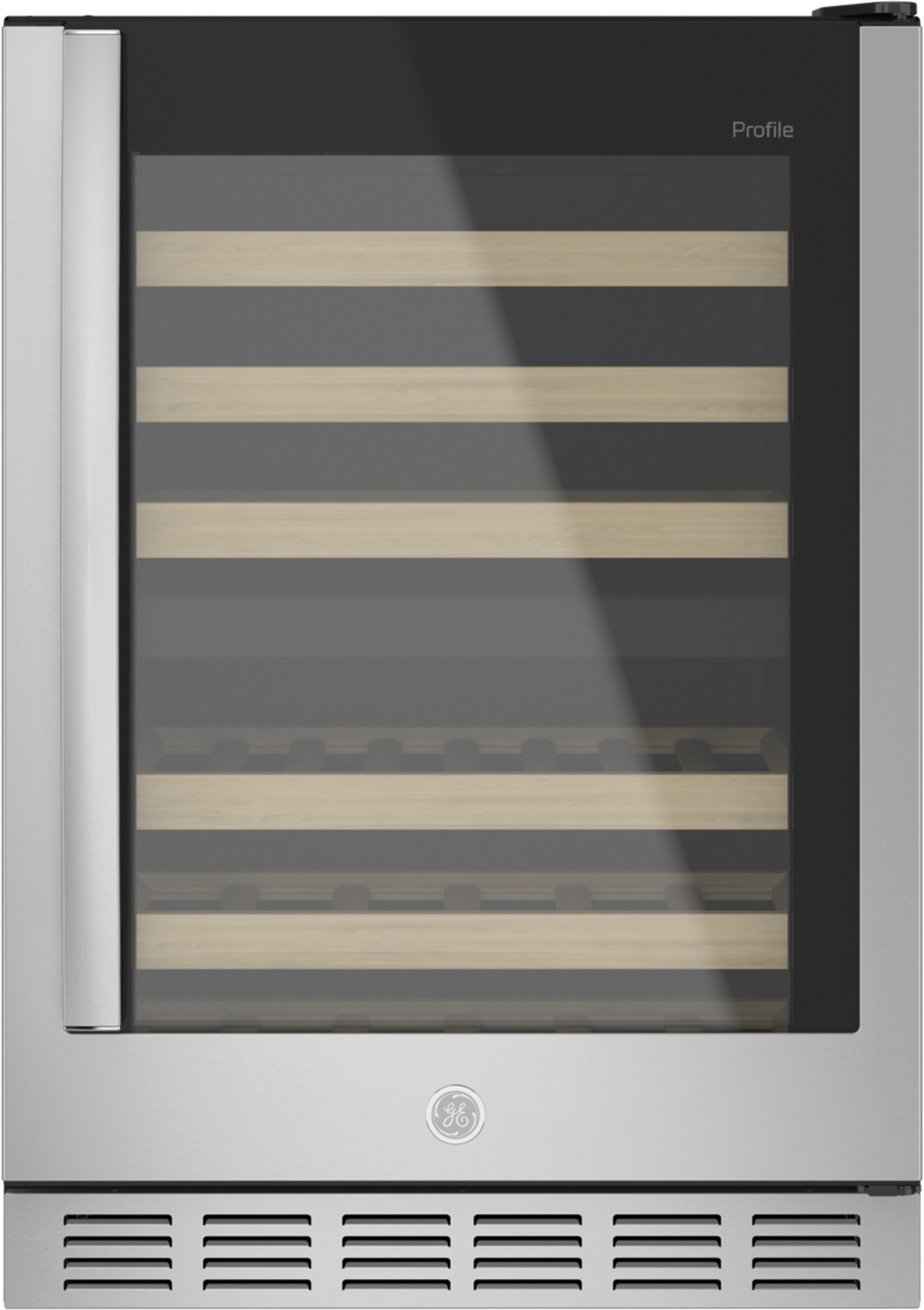
Freestanding wine coolers have finished sides and back and do not require a cabinet opening. They need power and clearance for the door (or drawers). You can place them in a kitchen, dining room, or bar without custom installation.
Freestanding units are movable. You place them where you have space and plug them in. No cabinet cutout, trim kit, or professional installation is required. Built-in wine coolers are designed to fit flush with cabinetry and typically require more planning and installation. For flexibility, freestanding is the simpler choice.
The U.S. Department of Energy (DOE) does not have separate efficiency standards for wine coolers; they may be classified as compact refrigerators. ENERGY STAR certifies some models. Check the manufacturer specs for energy use. Wine coolers typically use less electricity than full refrigerators because they run at warmer temperatures.
Renters and those who may relocate benefit from freestanding units—they can move with you. Homeowners doing a custom remodel may choose built-in for integrated design, but freestanding remains the most flexible option.
The U.S. Energy Information Administration (EIA) reports average electricity prices. Wine coolers run at warmer temperatures (45–65°F) than standard refrigerators (37–40°F), so they use less energy to maintain temperature. A typical 24-bottle unit might use 100 to 150 kWh per year—roughly $15 to $25 at typical rates.
Temperature and Zones
Wine coolers keep wine at serving or storage temps—typically 45–55°F for whites and 50–65°F for reds. Single-zone units hold one set point; dual-zone units let you set different temps for red and white. Choose by how many types of wine you store.
Wine serving temperatures differ by type. Sparkling and white wines are served colder (45–50°F); red wines warmer (55–65°F). A single-zone cooler set to 52°F is a compromise—acceptable for most wine but not ideal for either. A dual-zone unit lets you set one zone for whites and one for reds.
Temperature stability matters. Wine benefits from consistent storage. A good wine cooler maintains the set temperature with minimal fluctuation. Avoid placing the unit in direct sunlight or next to a heat source—that can cause temperature swings.
The USDA recommends 40°F or below for perishable food. Wine is not highly perishable in the same way; it benefits from slightly warmer storage. Storing wine in a standard refrigerator at 38°F over-chills it. Wine coolers fill the gap by offering the right range for wine.
Dual-zone units cost more but offer flexibility. If you store mostly one type of wine, a single-zone unit is sufficient. If you keep both whites and reds and want each at its ideal temperature, dual-zone is worth the investment.
Capacity and Size
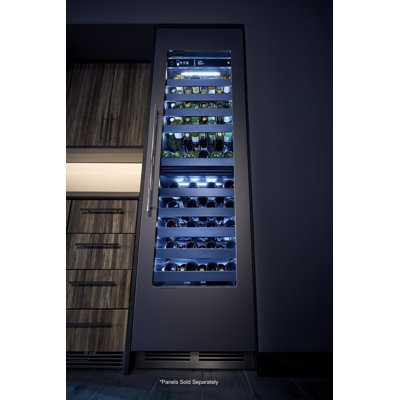
Freestanding wine coolers hold from about 6 bottles to 100+ depending on size. Under-counter models are about 34 in. tall; full-height units are taller. Measure your space before you buy.
Capacity is often stated in bottles. A 12-bottle unit fits a nook; a 46-bottle unit suits serious collectors. Bottle count assumes standard 750ml bottles. Magnums and other sizes take more space. Check the interior layout to see how many bottles actually fit.
Under-counter units fit in a 34- to 35-inch opening. Full-height units are 60 inches or taller. Ensure there is clearance for the door to open and ventilation at the back or sides. The DOE measures refrigeration capacity in cubic feet; wine cooler capacity is often stated in bottles.
Do not buy more capacity than you need. A half-empty wine cooler wastes energy—the compressor cools empty space. Match capacity to your typical inventory. If you keep 10 to 15 bottles on hand, a 20-bottle unit is sufficient. If you collect seriously, a 50- to 100-bottle unit may be appropriate.
Consider the delivery path. Full-height units are heavy and tall. Ensure they fit through doorways and around corners. Under-counter units are easier to place but require a standard cabinet opening.
Placement and Ventilation
Freestanding wine coolers need clearance at the back and sides. The condenser produces heat; it needs airflow to reject it. Follow the manual's ventilation requirements—typically 2 to 4 inches at the back. Blocking vents causes overheating and can shorten compressor life.
Avoid direct sunlight; it raises the interior temperature and can damage wine. UV light can degrade wine over time. Place the unit away from heat sources like ovens or radiators. A cool, stable location extends compressor life and keeps temperatures consistent.
Wine coolers can go in the kitchen, dining room, bar, basement, or home office. Under-counter models need a standard 34- to 35-inch opening and electrical access. Full-height models need floor space and a standard outlet.
The DOE notes that refrigerators and similar appliances need adequate ventilation. Blocking vents forces the compressor to work harder and increases energy use. The U.S. Energy Information Administration (EIA) reports that refrigeration accounts for a share of residential electricity use; proper placement helps control that cost.
Glass doors let you see the bottles but allow light in. If the unit will be in a bright room, consider a model with UV-resistant glass or a solid door. Light exposure over time can affect wine quality, especially for long-term storage.
Energy and Operating Cost
Wine coolers run at warmer temperatures than standard refrigerators, so they typically use less electricity. The U.S. Energy Information Administration (EIA) reports average electricity prices. At typical rates, a 24-bottle freestanding wine cooler might use 100 to 150 kWh per year—roughly $15 to $25. Larger units use more.
ENERGY STAR models use less energy. The EnergyGuide label, when present, shows estimated yearly kWh. At 15 cents per kWh, a 24-bottle unit might cost $15 to $25 per year. Keeping the unit in a cool room reduces run time.
Features to Consider
Single-zone vs. dual-zone affects price and flexibility. Glass doors show bottles but let in light; solid doors protect from light. Some units have UV-resistant glass. Consider vibration—excessive vibration can affect wine over time; many coolers have minimal vibration.
Shelving design matters. Horizontal or angled shelves keep corks moist. Adjustable shelves accommodate different bottle sizes. Some units have slide-out shelves for easier access.
ENERGY STAR certification indicates efficient operation. The EnergyGuide label, when present, shows estimated yearly kWh. Compare models within the same capacity range. A few dollars per year in savings adds up over the life of the unit.
Locking doors are available on some models. If the wine cooler will be in a shared or high-traffic area, a lock can prevent unauthorized access. Not all models offer this; check the specs if it matters to you.
When to Choose Freestanding
Freestanding is the choice when you want flexibility, easier installation, and lower cost. Built-in wine coolers integrate with cabinetry and require more planning. Freestanding units can be moved, replaced without cabinet work, and placed anywhere with floor space and power.
For most homeowners with a modest wine collection (20 to 50 bottles), a freestanding wine cooler is sufficient. Serious collectors may eventually want built-in or walk-in storage, but freestanding remains the best starting point.
Maintenance
Wipe the interior occasionally. Clean the condenser coils if accessible—dirty coils increase energy use. Keep the door closed to maintain temperature. Avoid overloading—airflow matters for even cooling.
The DOE notes that dirty condenser coils can increase refrigerator energy use by 10 to 30 percent. Wine coolers use the same cooling technology; the same principle applies. Clean the coils every 6 to 12 months if they are accessible. Unplug the unit, pull it out, and vacuum or brush the coils.
Check the door seal periodically. A worn gasket lets cold air escape and makes the compressor run more often. Wipe the gasket with a damp cloth and inspect for cracks or gaps. Replace damaged seals to restore efficiency.
Avoid storing food or perishables in a wine cooler. The USDA recommends 40°F or below for perishables; wine coolers run warmer. Use the unit only for wine to maintain the intended temperature and avoid cross-contamination.
Summary
Freestanding wine coolers are standalone wine storage units. They have finished sides and back, plug in, and need no cabinet cutout. Choose by capacity (6–100+ bottles), single vs. dual zone, and dimensions. Single-zone suits one wine type; dual-zone suits both red and white. For more help comparing models and current prices, you can browse wine coolers at Fridge.com.