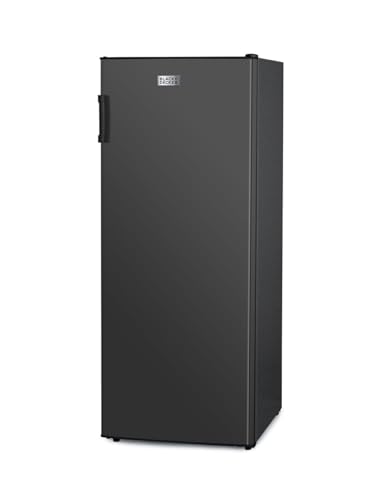
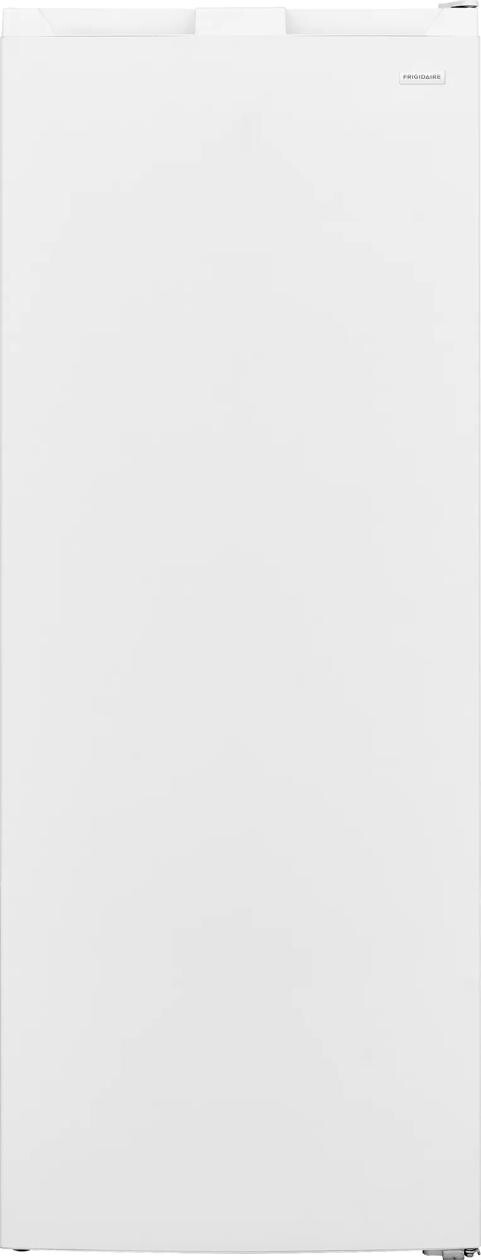
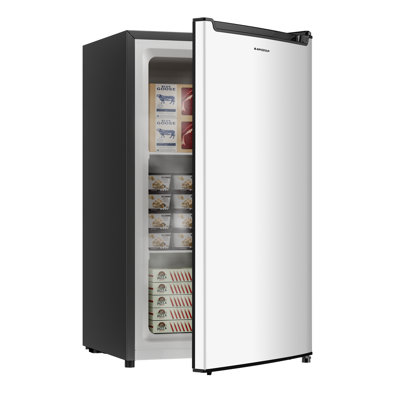
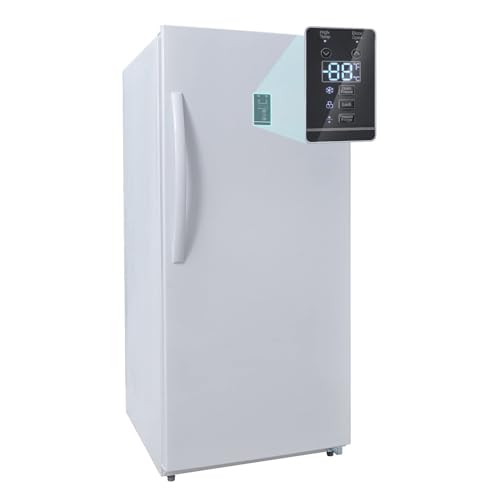
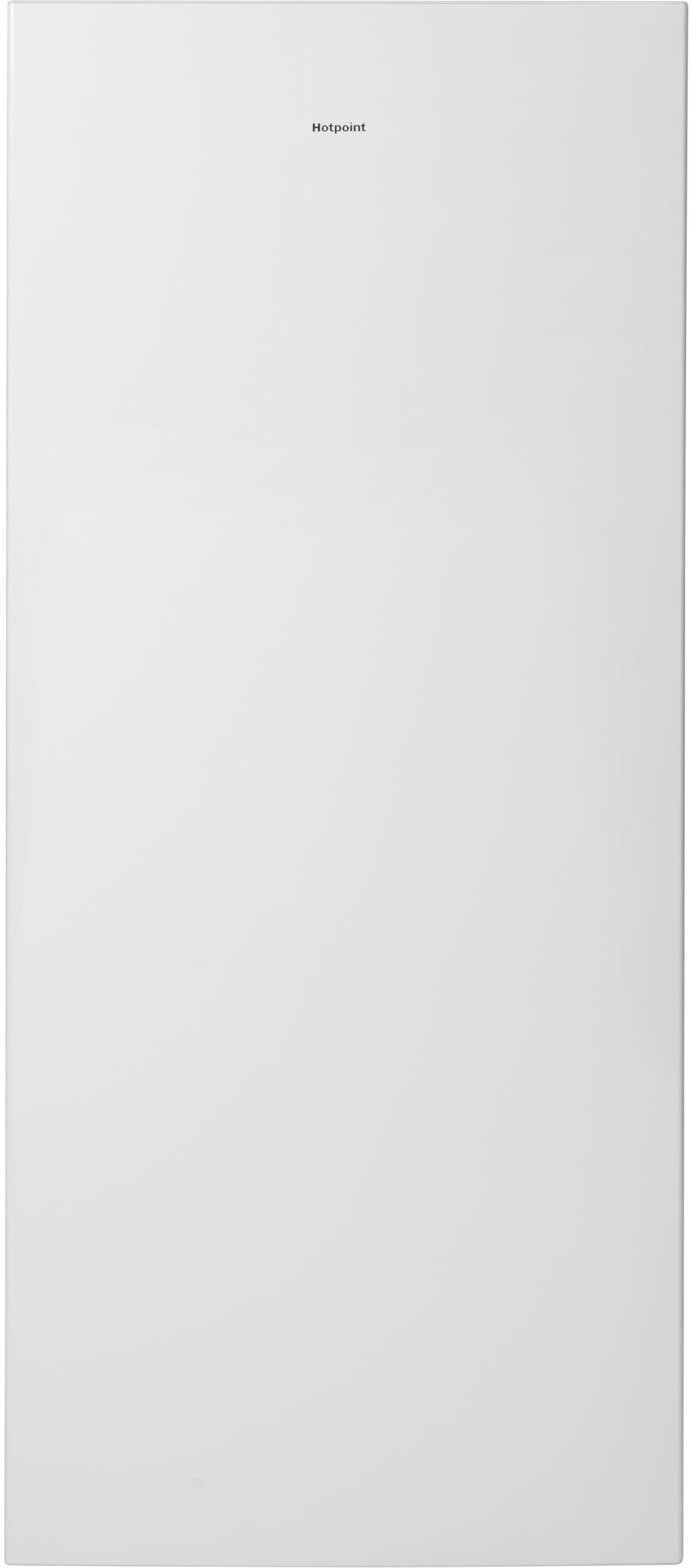
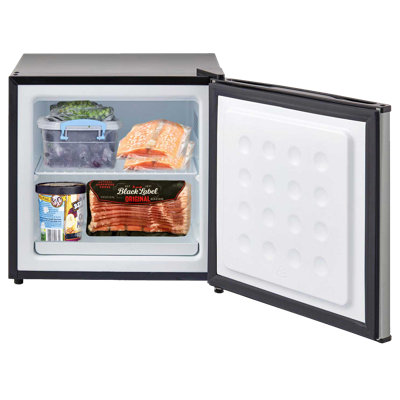
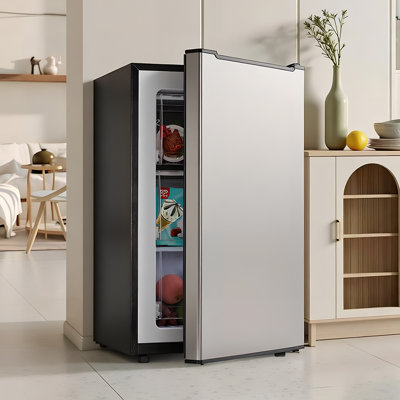
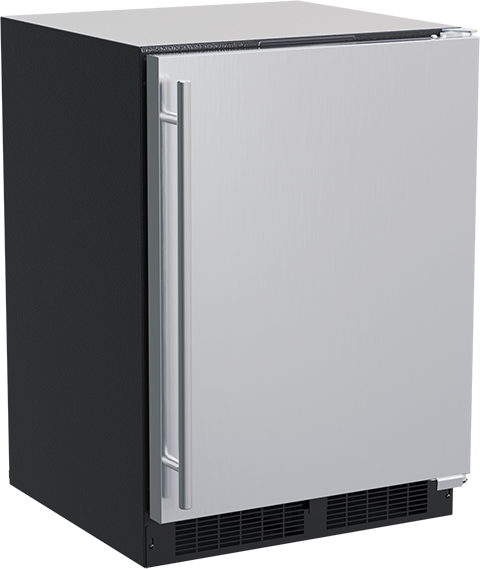
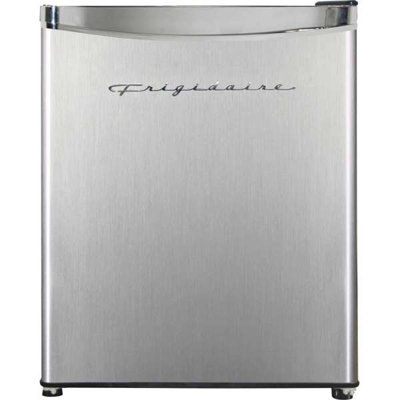
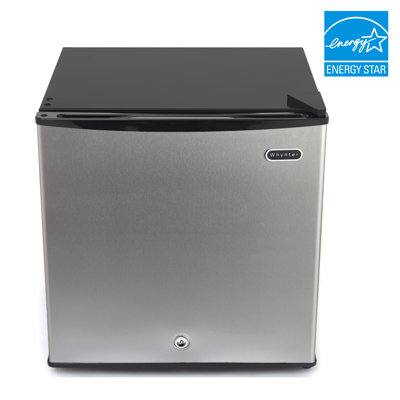
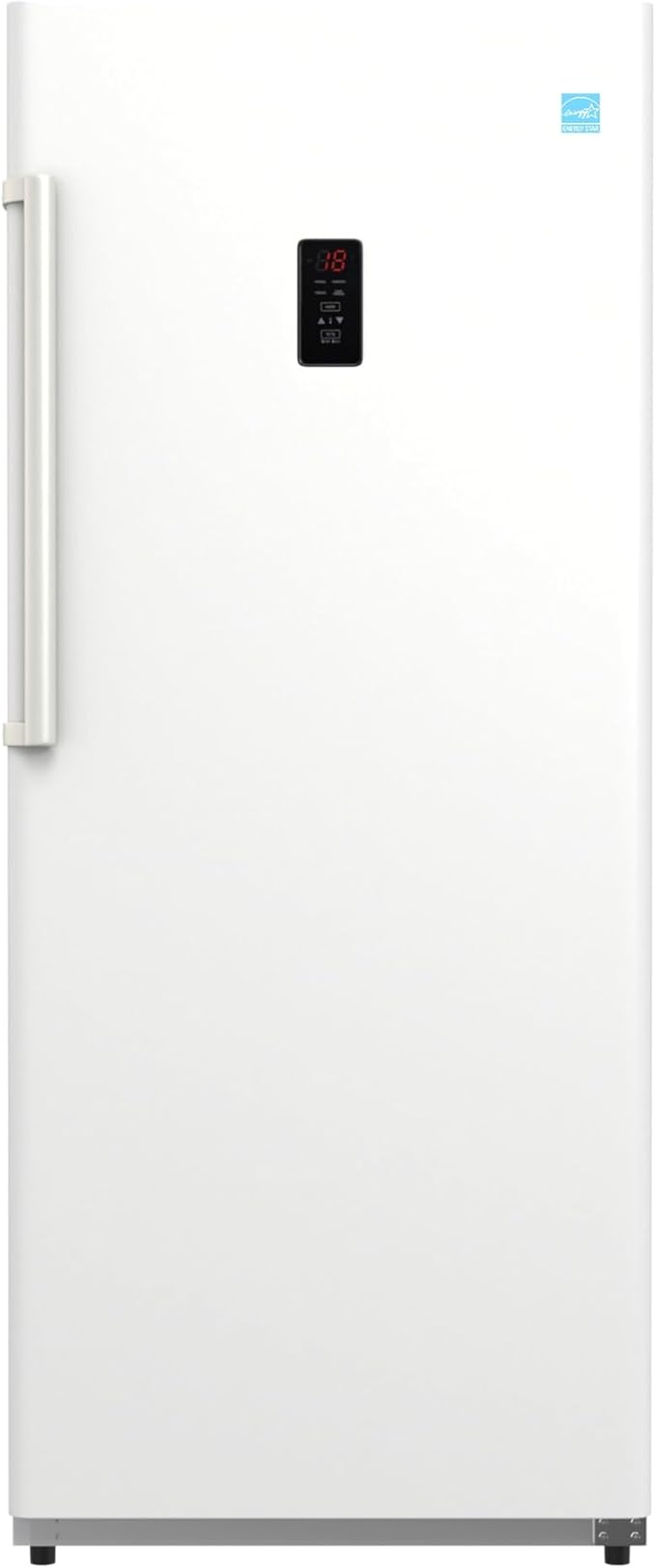
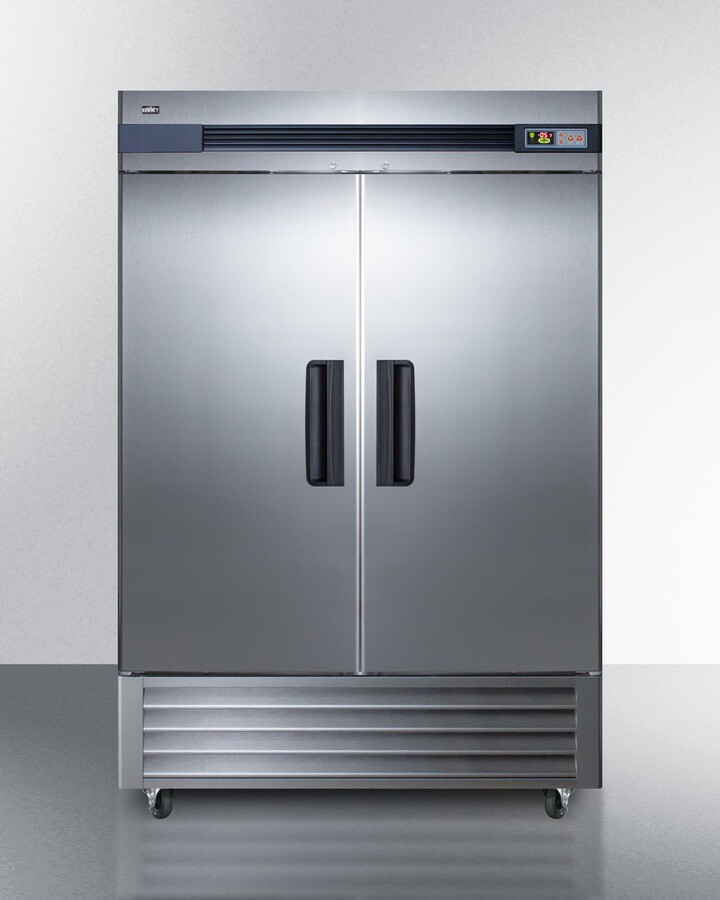
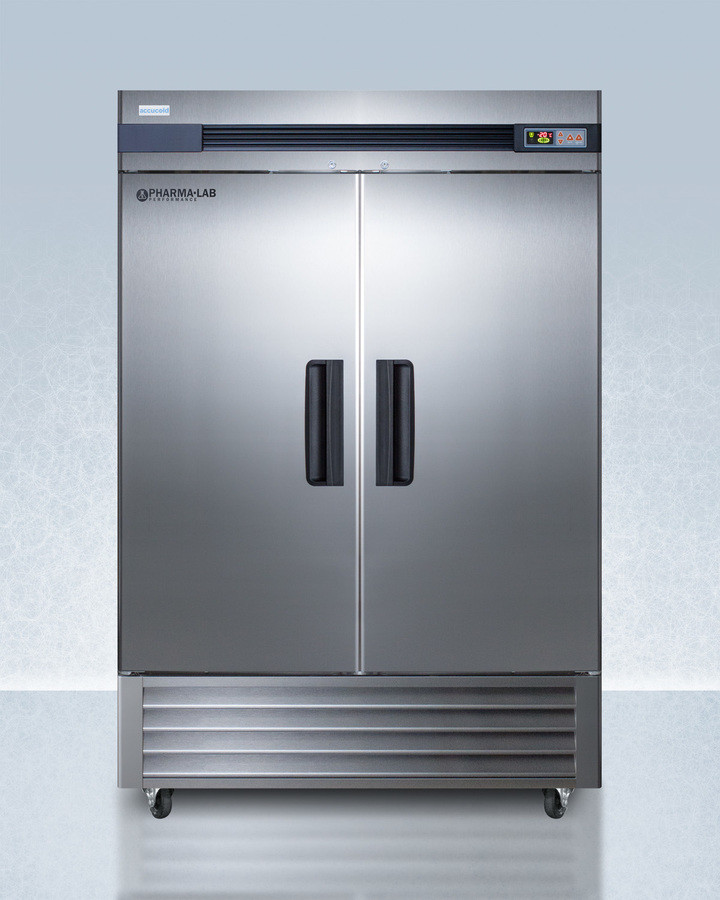
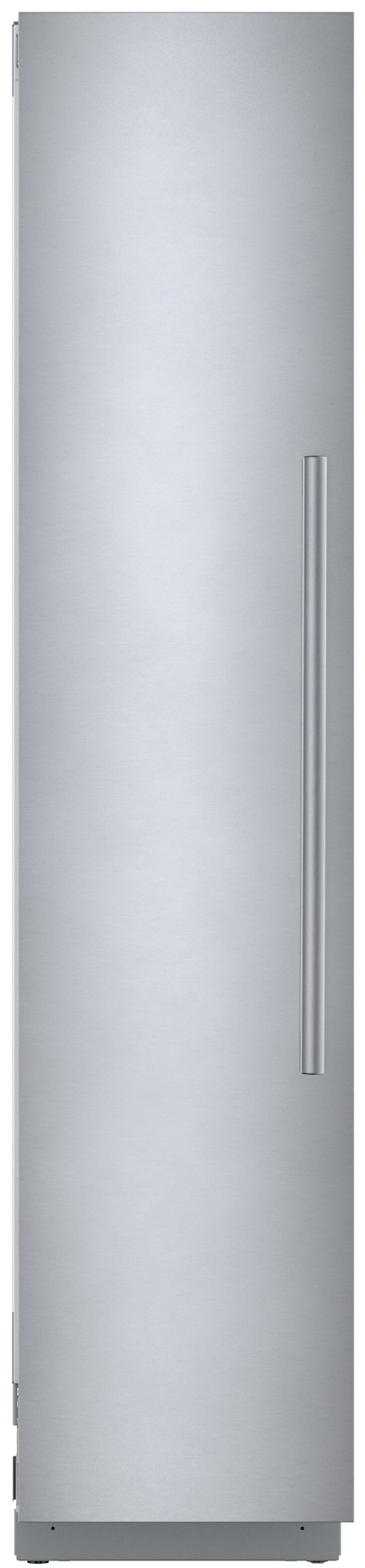
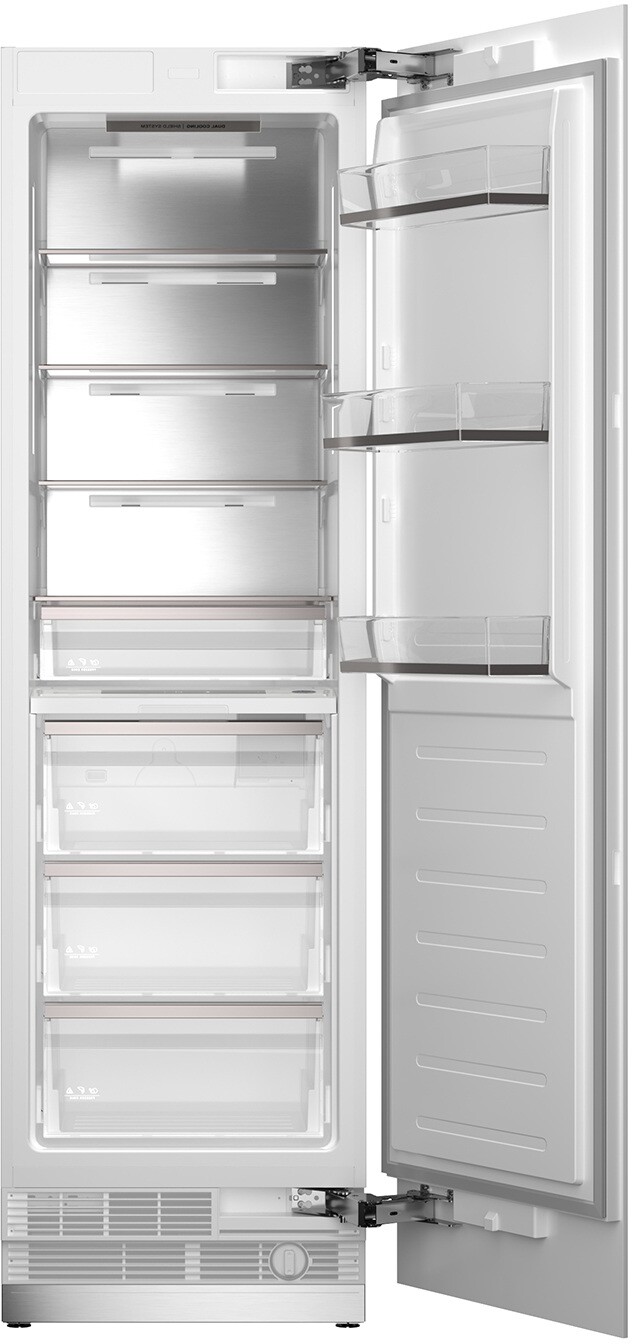
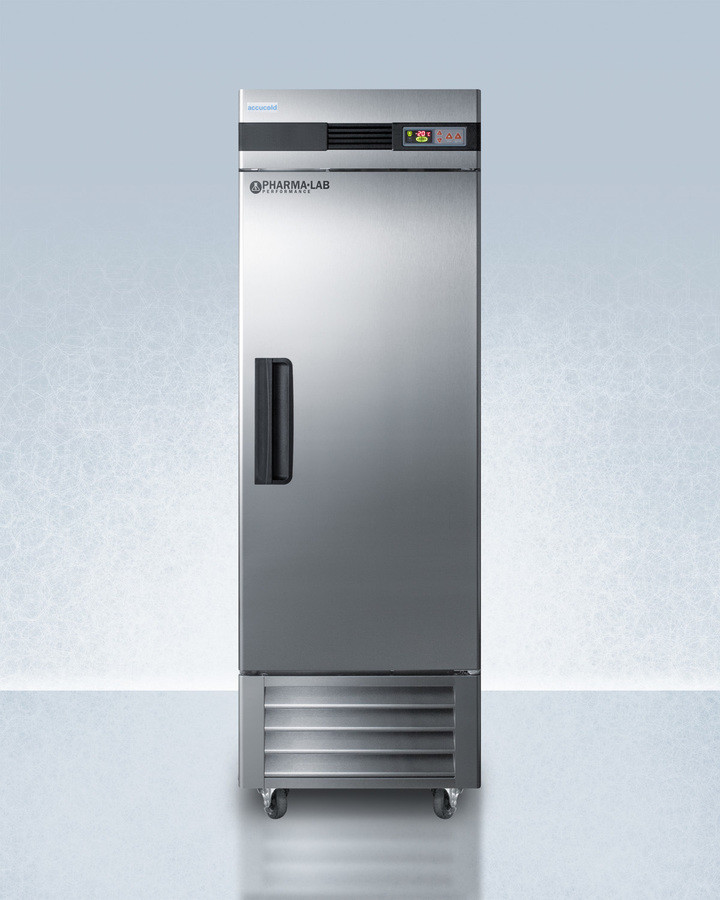
Freestanding upright freezers in white are front-opening freezers with a white exterior that stand on the floor and do not require built-in installation. They offer convenient access and a neutral look that fits many spaces. This guide covers what to expect and what to look for when choosing a freestanding upright freezer in white.
Upright Freezer
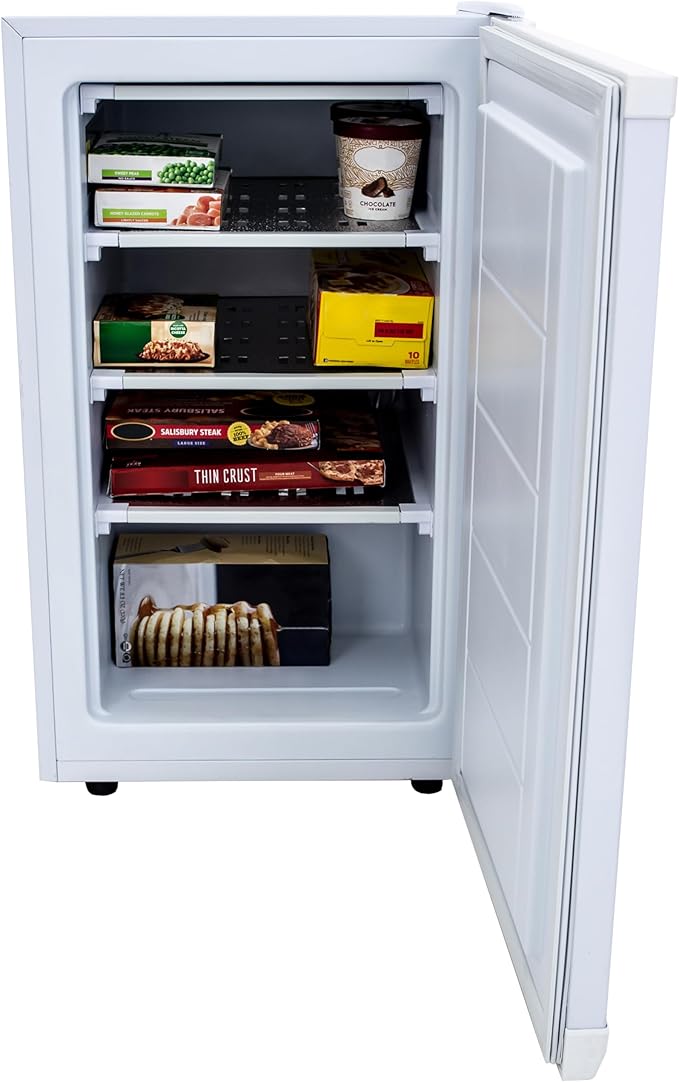
Upright freezers have a front door (or doors) and shelves or baskets inside. They are easier to organize than chest freezers and do not require bending to the bottom. They use more energy per cubic foot than chest freezers but offer convenient access. Most are frost-free (auto-defrost).
Upright freezers stand like a refrigerator. You open the door and see shelves and baskets. Items are accessible without digging. The USDA recommends 0°F or below for freezer storage; upright freezers maintain that. They are a good fit for daily use—grabbing frozen meals, ice, or ingredients without bending.
Frost-free uprights run a defrost cycle so you never have to defrost by hand. The tradeoff is slightly higher energy use than manual defrost. For many users, the convenience is worth it. The U.S. Department of Energy (DOE) sets efficiency standards; the EnergyGuide label shows estimated yearly kWh.
The USDA provides guidelines for how long different foods maintain quality in the freezer. Proper organization—labeled, dated packages—helps you use items before quality declines. Upright freezers make organization easier than chest freezers because you can see and reach everything without digging.
Chest freezers are more energy-efficient per cubic foot because cold air stays at the bottom when you open the lid. Upright freezers lose more cold air when the door opens. The DOE notes that manual defrost freezers use less energy than frost-free models. If you prioritize efficiency over convenience, a manual defrost chest freezer may be a better fit. If you want easy access and no defrosting, an upright frost-free model is the choice.
White is a neutral finish that fits many kitchens, basements, and garages. It is easy to match with other appliances. White upright freezers are widely available in a range of capacities (about 5–25 cu ft).
White appliances have been the default for decades. They fit most color schemes and are easy to clean. They show dirt less than black or stainless. For a basement or garage, white is practical. For a kitchen where the freezer is visible, white matches many refrigerators and other appliances.
Finish does not affect performance. White, black, and stainless upright freezers cool the same. The choice is aesthetic. White is often the least expensive finish option. If you are matching an existing white refrigerator or prefer a classic look, white is a solid choice.
White reflects light and can make a basement or garage feel brighter. In a laundry room or mudroom, white blends with typical finishes. Stainless costs more and shows fingerprints; black can feel heavy in a small space. White remains the most versatile and affordable option.
Some manufacturers offer white in more models than black or stainless. If you have a specific capacity or feature in mind, white may give you more choices. Check availability before committing to a finish.
Freestanding means the unit is not built into cabinetry. It has finished sides and back and needs floor space and clearance for the door. Plug in and place; no custom installation.
Freestanding units require no cabinet cutout or trim kit. You place them where you have space and plug them in. They can be moved if needed. They need clearance at the back and sides for ventilation—follow the manual. Ensure the door can open fully.
Placement options include the kitchen, basement, garage, or laundry room. Upright freezers need floor space plus room for the door to swing. Measure the space before you buy. Ensure the unit fits through doorways and down stairs if it will go in a basement. The DOE measures capacity in cubic feet; numbers are comparable across brands.
Renters benefit from freestanding units—they can move with you. Homeowners doing a kitchen remodel may choose built-in for integrated design, but freestanding remains the most flexible and affordable option. No contractor or custom cabinetry is required.
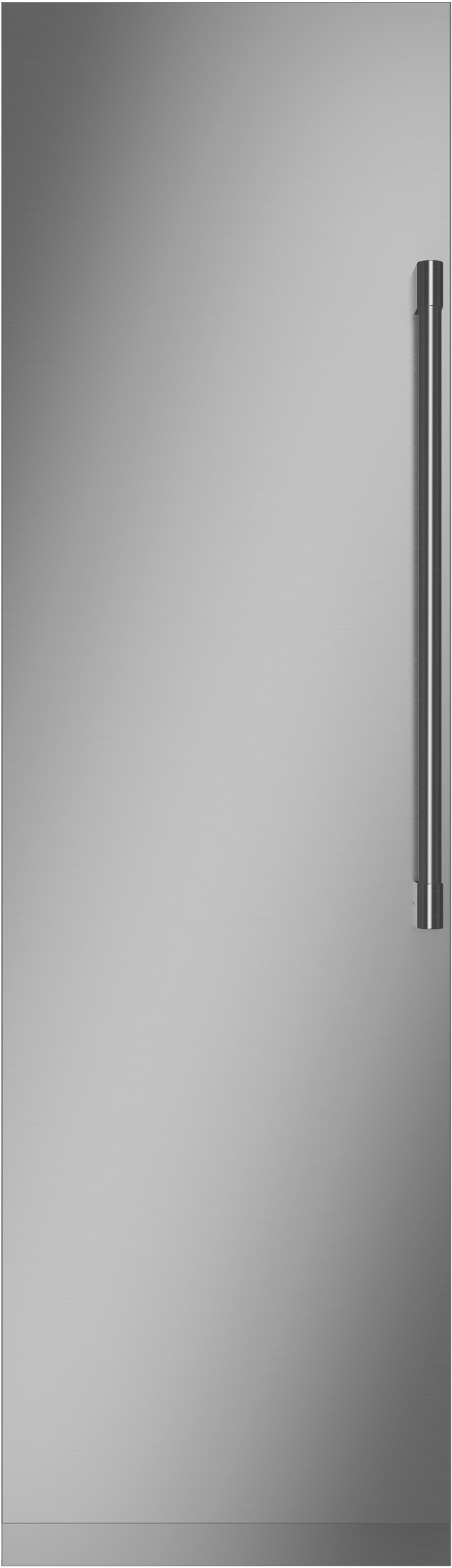
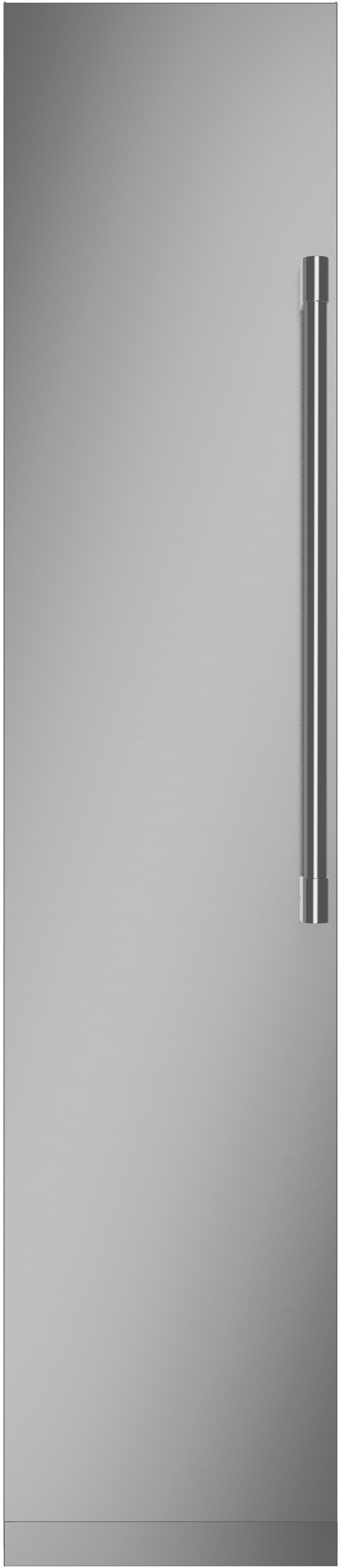
Built-in freezers are designed to fit flush with cabinetry. They cost more and require professional installation. For most households, a freestanding white upright freezer offers the same cooling performance at lower cost and with greater flexibility.
Capacity and Size
Freestanding upright freezers in white range from about 5 to 25 cubic feet. A 5-cubic-foot unit suits a small household or apartment; a 15- to 25-cubic-foot unit suits bulk storage. The USDA provides guidelines for how long different foods maintain quality in the freezer. Match capacity to your storage needs.
Dimensions vary by capacity. A 5-cubic-foot unit might be 28 inches wide and 33 inches tall; a 20-cubic-foot unit might be 30 inches wide and 70 inches tall. Check the manual for exact dimensions and required clearances.
Do not buy more capacity than you will use. The U.S. Energy Information Administration (EIA) reports that larger units use more electricity. An empty freezer wastes energy—cold air has to be cooled repeatedly when the door opens. Match capacity to your actual storage needs: a couple may need 5 to 10 cubic feet; a family that freezes in bulk may need 15 to 25.
Consider the delivery path. Large upright freezers are heavy and tall. Ensure they fit through doorways, down hallways, and around corners. Basement placement may require navigating stairs—measure before you buy.
The U.S. Energy Information Administration (EIA) reports average electricity prices. At typical rates, a 15-cubic-foot upright freezer might use 300 to 500 kWh per year—roughly $40 to $65. ENERGY STAR certifies efficient models. Frost-free units use more energy than manual defrost; the convenience may be worth it for many users.
Check the EnergyGuide label for estimated yearly kWh. At 15 cents per kWh, a 15-cubic-foot unit might cost $45 to $75 per year. ENERGY STAR models use less. Clean coils and a good seal reduce run time.
The DOE sets efficiency standards for freezers. All new upright freezers must meet these standards. ENERGY STAR models exceed them and use 10 to 15 percent less energy. Over the life of the unit, that can add up to meaningful savings.
Placement affects energy use. A freezer in a hot garage will run harder than one in a cool basement. The compressor has to reject more heat when the ambient temperature is high. Choose a cool location when possible.
Upright freezers need clearance at the back and sides. Blocking vents causes overheating and can shorten compressor life. Clean the condenser coils every 6 to 12 months. Dirty coils increase energy use by 10 to 30 percent, according to the DOE.
In a garage or basement, ensure the unit is rated for the ambient temperature range. Some units are not designed for unheated spaces in very cold climates. Check the manual for the operating range.
Leave 2 to 4 inches at the back and 1 to 2 inches on the sides. The condenser needs airflow to reject heat. Blocking vents traps heat and forces the compressor to run longer. In a tight space, measure carefully before buying.
Garage placement is common for secondary freezers. In cold climates, some freezers struggle when the ambient temperature drops below 0°F. In hot climates, a garage can exceed 100°F. Check the manual for the unit's rated ambient range—typically 0°F to 110°F for most models.
White is a neutral finish that fits many spaces. It is often the least expensive option and widely available. Choose white when you want a classic look, easy matching with other appliances, or a practical finish for a basement or garage.
If you have white appliances elsewhere, a white upright freezer keeps the look consistent. If you prefer a neutral palette that does not dominate the room, white works well.
Choose black or stainless if your kitchen has a different aesthetic. Black can work in modern or industrial spaces. Stainless matches many contemporary kitchens but costs more and shows fingerprints. White remains the most versatile and affordable.
Maintenance
Frost-free units rarely need manual defrosting. Wipe the interior occasionally. Clean the coils periodically. Check the door seal—a worn seal lets cold air escape. Keep the freezer at 0°F or below; colder settings use more energy without improving food safety.
Vacuum or brush the condenser coils every 6 to 12 months. Unplug the unit, pull it out, and clean the coils at the back or bottom. The DOE notes that dirty coils significantly increase energy use. A clean coil helps the compressor run efficiently.
Organize and label packages. The USDA provides guidelines for how long different foods maintain quality in the freezer. Use older items first and rotate stock. A well-organized freezer reduces waste and makes it easier to find what you need.
Freestanding upright freezers in white offer front-door access and a neutral look. They stand on the floor, plug in, and need no cabinet cutout. Capacity ranges from 5 to 25 cubic feet. Most are frost-free for convenient access. Choose by capacity, efficiency, and dimensions. For more help comparing models and current prices, you can browse upright freezers.
Frequently Asked Questions
An upright freezer has a front-opening door (or doors) and shelves or baskets inside, so you can organize and access food without digging. It stands like a refrigerator and is easier to organize than a chest freezer.
From Fridge.com research
Figures below come from data Fridge.com builds and maintains. Each links to the record behind it.
Fridge.com Energy Index, built on U.S. EPA and DOE ENERGY STAR records
Across 5,455 ENERGY STAR certified refrigerators and freezers from 263 brands, median use is 360 kWh per year.