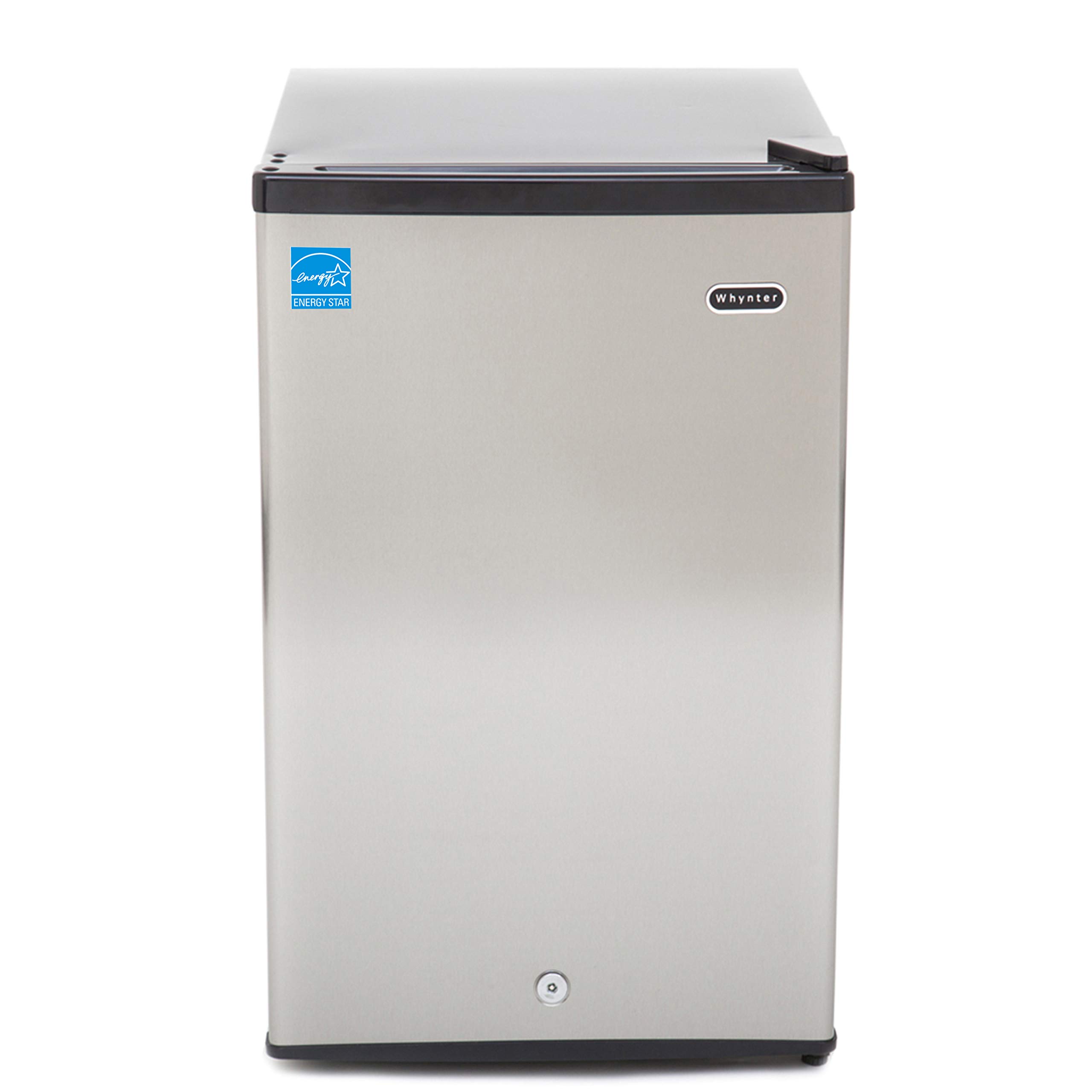
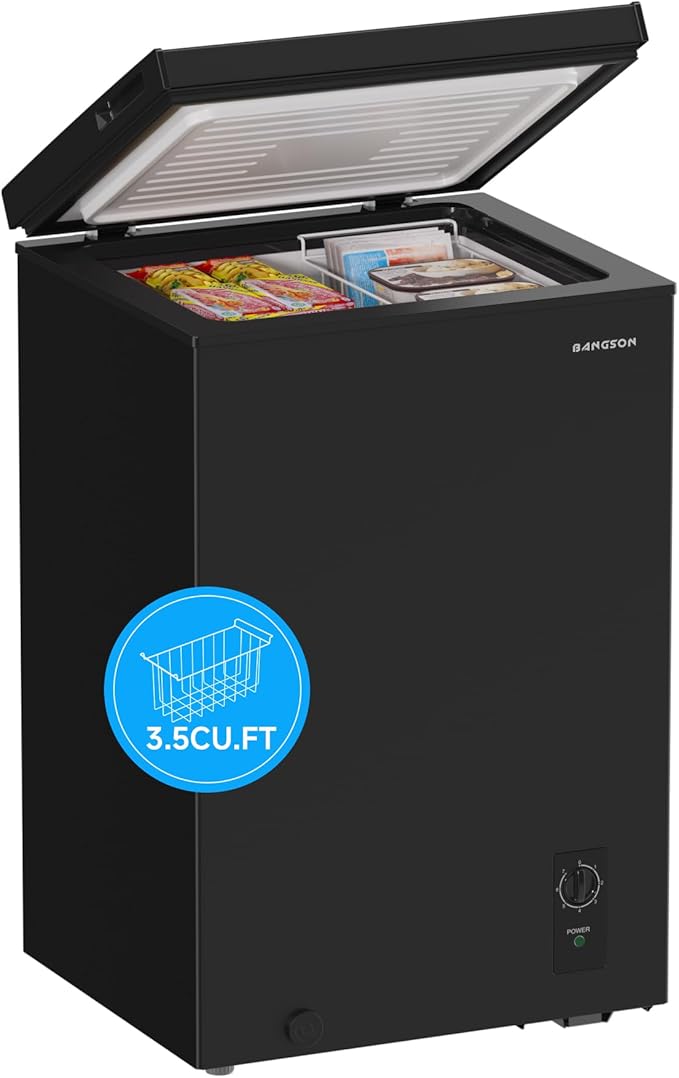
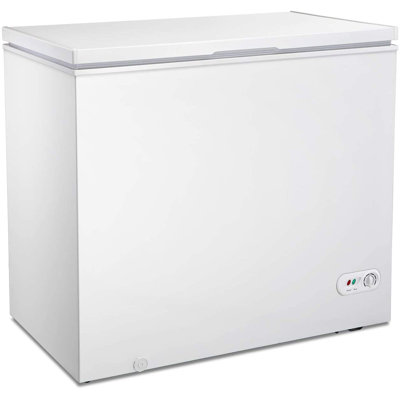
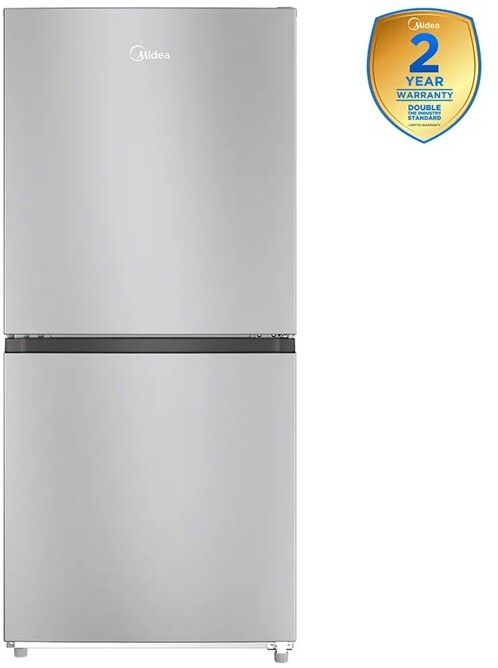
Freestanding refrigerators and freezers are standalone cooling appliances that do not require built-in installation. They are the norm in most homes. This guide covers both and how they fit into a home.
Freestanding Refrigerators
Freestanding refrigerators have an integrated freezer (top, bottom, or side) and keep fresh food at 37–40°F and frozen food at 0°F. They stand on the floor and plug in. They are the main kitchen fridge for most households.
Refrigerators maintain the temperatures the USDA recommends: 40°F or below for the refrigerator, 0°F or below for the freezer. They hold fresh food, dairy, produce, leftovers, and frozen items. The U.S. Department of Energy (DOE) sets efficiency standards; ENERGY STAR certification indicates units that meet strict criteria. The yellow EnergyGuide label shows estimated yearly kWh.
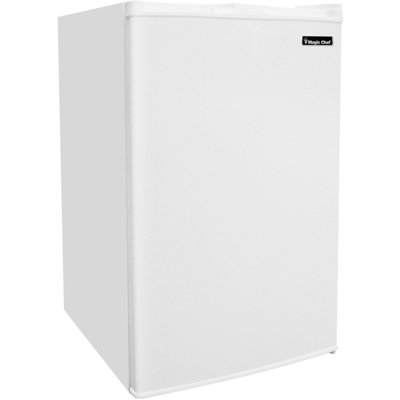
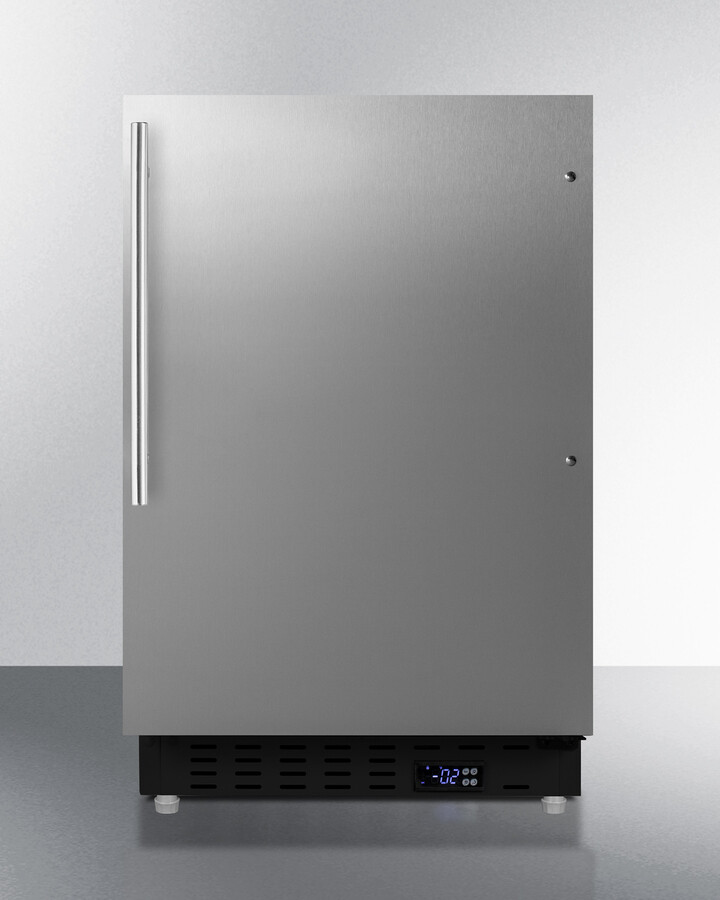
Freestanding refrigerators have finished sides and back. They do not require a cabinet cutout. You place them, plug them in, and use them. They can be moved if needed. They are the default for most homes. Layouts include top-freezer, bottom-freezer, French door, and side-by-side.
Capacity ranges from about 10 to 28+ cubic feet. Compact units suit small kitchens; full-size units suit families. The DOE measures capacity using standardized procedures; numbers are comparable across brands.
Freestanding refrigerators vent from the back. They need 2 to 4 inches of clearance so the condenser can reject heat. They can be moved if needed—unplug, slide out, and replace. Built-in units require cabinet modification; freestanding units do not. For most homes, freestanding is the practical choice.
Freestanding Freezers
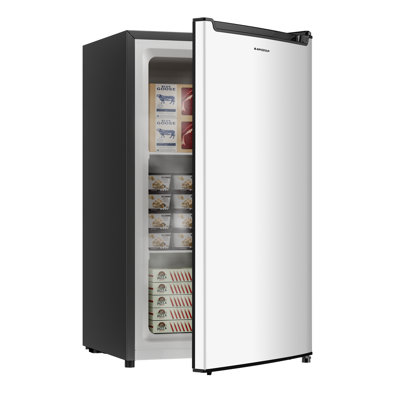
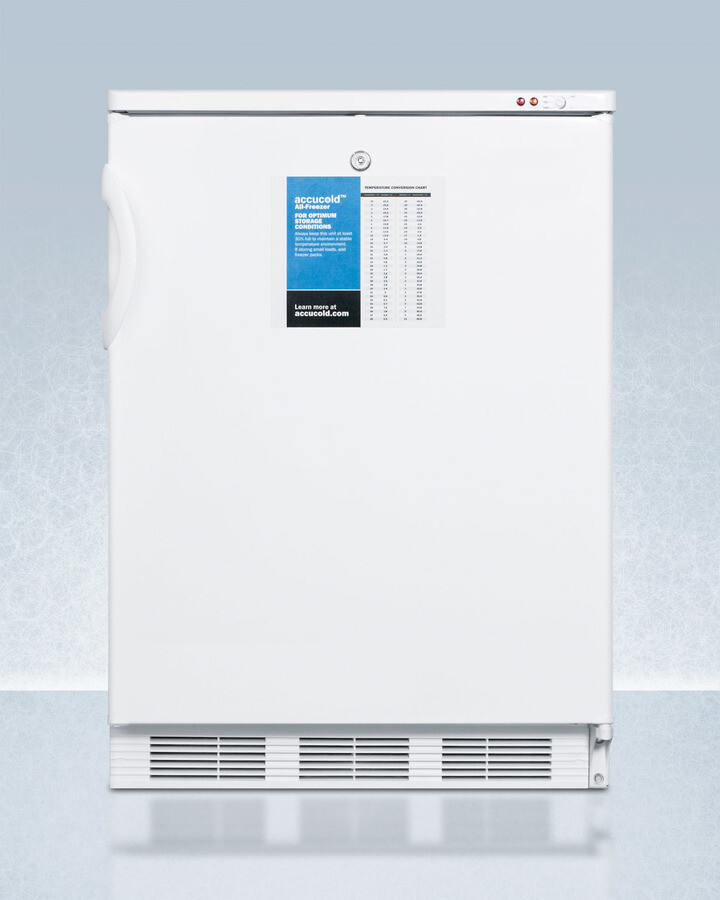
Freestanding freezers are either chest (lid on top) or upright (front door). They hold food at 0°F or below. They are used as a second freezer in a basement, garage, or kitchen. They do not have a refrigerator section.
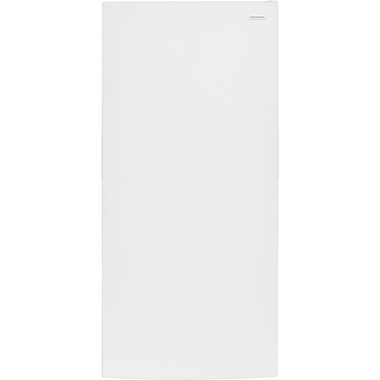
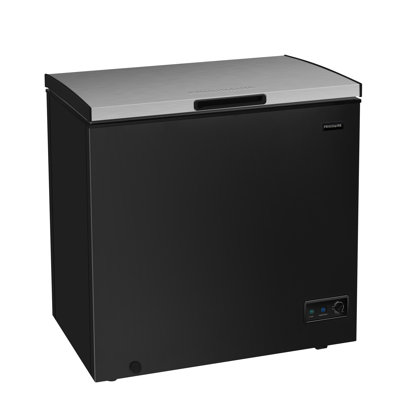
Chest freezers open from the top. They use less energy per cubic foot than uprights and often cost less. They require bending to access the bottom. Upright freezers have a front door and shelves; they are easier to organize and access. Most uprights are frost-free; most chest freezers are manual defrost.
Standalone freezers add capacity for bulk storage—a quarter beef, garden harvest, or meal prep. The USDA provides guidelines for how long different foods maintain quality in the freezer. A second freezer lets you take advantage of sales and seasonal abundance.
The DOE sets efficiency standards for freezers. ENERGY STAR certifies efficient models. Chest freezers typically use less energy per cubic foot; upright freezers offer convenience. Match the type to your storage habits and space.
The USDA states that food stored at 0°F or below remains safe indefinitely from a bacterial standpoint, though quality may degrade over time. Proper packaging and consistent temperature help preserve quality. Freezer burn—dry spots caused by air exposure—affects quality but not safety. A well-maintained freezer maintains 0°F or below.
Many homes have one freestanding fridge-freezer in the kitchen and a freestanding chest or upright freezer elsewhere for bulk storage. Both need clearance, power, and basic maintenance (clean coils, good seal).
The kitchen refrigerator handles daily food storage. The basement or garage freezer handles long-term storage. The combination gives flexibility—everyday items in the kitchen, bulk and backup in the freezer. Both run year-round; efficient models keep operating costs reasonable.
Maintenance is similar for both. Clean the condenser coils every 6 to 12 months. Dirty coils increase energy use by 10 to 30 percent, according to the DOE. Check the door seal periodically. Keep the refrigerator at 37–40°F and the freezer at 0°F. Proper care extends the life of both appliances.
Both need adequate ventilation. Blocking vents causes overheating and shortened compressor life. Refrigerators need room for the door to open; freezers need the same. Place the refrigerator in the kitchen where it is convenient for daily use. Place the freezer in a basement, garage, or utility room where you have space and power.
Freestanding refrigerators hold 10 to 28+ cubic feet with an integrated freezer. Standalone freezers hold 5 to 25+ cubic feet. The DOE measures capacity in cubic feet; numbers are comparable across brands.
A kitchen refrigerator handles daily storage; a basement or garage freezer handles bulk storage. Placement differs: refrigerators need a kitchen opening; freezers can go in a basement, garage, or utility room. Both need clearance for ventilation. Refrigerators need room for the door to open; freezers need the same.
In a garage or basement, ensure the freezer is rated for the ambient temperature range. Some units are not designed for unheated spaces in very cold climates. Check the manual for the operating range.
The U.S. Energy Information Administration (EIA) reports average electricity prices by region. Use the EnergyGuide label to compare estimated yearly kWh. At typical rates, a refrigerator might cost $60 to $90 per year; a freezer might cost $30 to $75 per year. Efficient models cost less to run. Both appliances run year-round, so operating cost adds up over time.
The U.S. Energy Information Administration (EIA) reports average electricity prices. A refrigerator might use 400 to 600 kWh per year; a chest freezer might use 200 to 400 kWh; an upright freezer might use 300 to 500 kWh. ENERGY STAR certifies efficient models. The DOE sets efficiency standards for both.
At typical rates (15 cents per kWh), a refrigerator might cost $60 to $90 per year; a freezer might cost $30 to $75 per year. Efficient models cost less to run. The EnergyGuide label shows estimated yearly kWh for comparison.
When to Add a Standalone Freezer
Add a standalone freezer when you need more frozen storage than the refrigerator provides. Bulk buying, meal prep, garden harvest, or hunting can fill a freezer quickly. The USDA provides guidelines for freezer storage times.
A second freezer lets you take advantage of sales and seasonal abundance. If you buy a quarter beef, freeze garden produce, or batch-cook meals, a standalone freezer pays off. Match capacity to your habits—5 to 10 cubic feet for light use, 15 to 25 cubic feet for serious bulk storage.
Chest freezers are typically the most energy-efficient option per cubic foot. Upright freezers offer easier access and organization. Manual-defrost freezers use less energy but require periodic defrosting. Frost-free uprights defrost automatically but use slightly more energy. Choose based on your storage habits and how much maintenance you are willing to do.
Do not place a freezer in an unheated space without checking the manual. Some units are not designed for ambient temperatures below 0°F or 10°F. Do not block ventilation on either appliance. Do not overload the freezer—crowding blocks airflow and can create hot spots. Do not ignore the door seal—a worn gasket wastes energy and can allow temperature drift.
Summary
Freestanding refrigerators and freezers are standalone units. Refrigerators include a freezer section and handle daily food storage; standalone freezers add capacity for bulk storage. The USDA recommends 40°F or below for refrigerated food and 0°F or below for frozen food. Many homes have both: a refrigerator in the kitchen and a freezer in the basement or garage. The DOE sets efficiency standards; ENERGY STAR certifies efficient models. For more help comparing models and current prices, browse refrigerators and freezers.
Frequently Asked Questions
A freestanding refrigerator is a fridge-freezer that stands on the floor, plugs into a standard outlet, and does not require built-in installation. It has finished sides and can be placed between cabinets or in an alcove.
From Fridge.com research
Figures below come from data Fridge.com builds and maintains. Each links to the record behind it.
Fridge.com Energy Index, built on U.S. EPA and DOE ENERGY STAR records
Across 5,455 ENERGY STAR certified refrigerators and freezers from 263 brands, median use is 360 kWh per year.