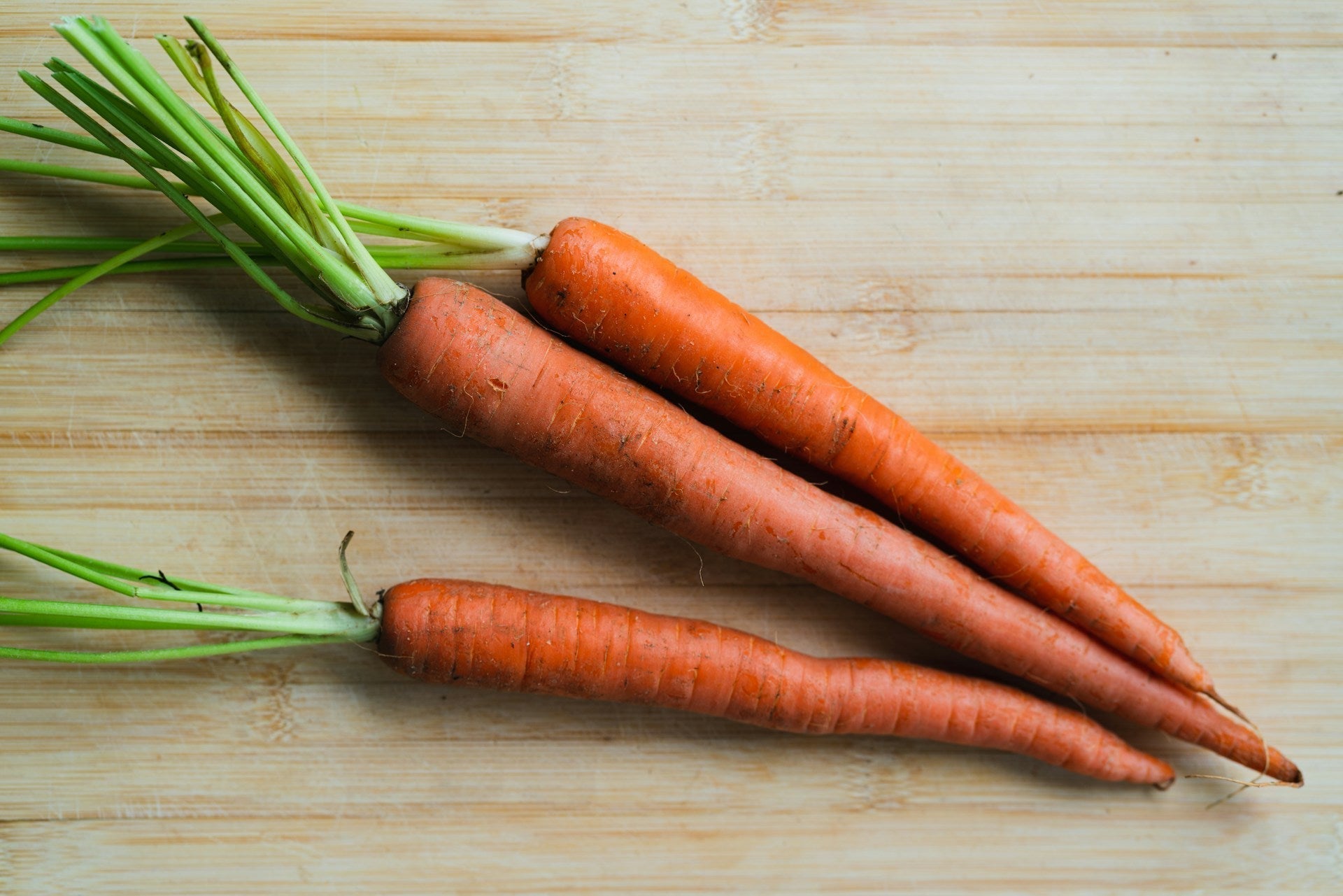
Storing Carrots in the Fridge
The Importance of Proper Storage
Proper storage of carrots in the fridge is essential to maintain their freshness, flavor, and nutritional value. Carrots are a versatile vegetable, but they can lose their crispness and taste if not stored correctly. Inadequate storage can also lead to faster spoilage, waste, and potentially harmful bacteria growth. By understanding the right storage techniques, you can extend the shelf life of carrots and enjoy their benefits for a longer period.
Ideal Temperature for Carrot Storage
The ideal temperature for storing carrots in the fridge is between 32°F and 40°F (0°C to 4°C). This range of temperature keeps carrots fresh by slowing down the respiration rate and reducing moisture loss. To achieve and maintain this temperature, ensure your fridge is set correctly and not overloaded, as this can cause fluctuations in temperature.
Here's a table displaying the recommended storage times for carrots at the ideal temperature:
| Carrot Type | Storage Time |
|---|---|
| Whole Carrots | 4 to 5 weeks |
| Baby Carrots | 3 to 4 weeks |
| Sliced or Chopped Carrots | 2 to 3 weeks |
Remember, these times are approximate and can be influenced by factors like the initial freshness of the carrots and humidity levels in your fridge. For further insights on storing other food items, you might find our articles on how long rice can stay fresh in the fridge and the shelf life of refrigerated pizza helpful.
Freshness of Carrots
Signs of Fresh Carrots
Ensuring that your carrots are fresh when you store them can greatly extend their shelf life. Fresh carrots typically have a firm texture, vibrant orange color, and a crisp snap when broken. The green tops, if still attached, should be brightly colored and not wilted. If you're purchasing bagged carrots, the bag should be devoid of excess moisture and the carrots should not have any sliminess or black spots, which can indicate spoilage or decay.
How Long Do Carrots Last in the Fridge
Carrots can last in the fridge for a significant amount of time when stored correctly. Generally, whole carrots can stay fresh for about 3 to 4 weeks in the fridge, while baby carrots can last for about 3 to 4 weeks as well. However, once sliced or cut, carrots should be used within a week to ensure the best quality and nutritional value.
| Carrot Type | Shelf Life in the Fridge |
|---|---|
| Whole Carrots | 3 - 4 weeks |
| Baby Carrots | 3 - 4 weeks |
| Sliced or Cut Carrots | 1 week |
To make the most of your carrots' shelf life, consider reading our article on carrots that last unveiling the best practices for fridge storage, which provides detailed insights into proper storage techniques. Additionally, if you're curious about how to handle other foods in your fridge, such as how long rice can stay fresh, visit our comprehensive guide unlocking the secrets discover how long rice can stay fresh in the fridge.
Extending Carrot Shelf Life
Ensuring that your carrots remain crisp and flavorful for as long as possible requires proper storage techniques. Here's how you can extend the shelf life of carrots in your refrigerator.
Storing Carrots Properly
The key to keeping carrots fresh is to store them in a cool, humid environment. Your refrigerator's crisper drawer is ideal for this purpose. To prepare carrots for storage, remove any green tops as they can draw moisture from the roots, causing them to dry out. Place the carrots in a plastic bag with holes for ventilation or wrap them in paper towels to absorb excess moisture. This will help prevent condensation from softening the carrots. For more on keeping your produce fresh, take a look at our comprehensive guide on carrots that last unveiling the best practices for fridge storage.
| Storage Method | Expected Shelf Life |
|---|---|
| Unwashed, in a bag with holes | 3-4 weeks |
| Wrapped in damp paper towels | 4-5 weeks |
Tips for Prolonging Carrot Freshness
There are several strategies you can employ to ensure that your carrots retain their quality for as long as possible:
- Keep Them Dry: Before storing, make sure your carrots are dry. Excess moisture can lead to rot and decrease the shelf life.
- Avoid Ethylene-Producing Fruits: Store carrots away from ethylene-producing fruits like apples and bananas, which can accelerate ripening and spoilage.
- Check Regularly: Inspect your carrots often, removing any that show signs of spoilage to prevent it from spreading to others.
- Blanch and Freeze: If you have too many carrots to use in a short period, consider blanching and freezing them, which can preserve their quality for up to a year. For further insights on freezing produce, delve into our article on never waste pizza again freeze your slices like a pro.
By following these storage tips, you can help extend the shelf life of your carrots and ensure they remain a crisp, nutritious addition to your meals. Remember, proper storage is not only about longevity but also about maintaining the taste and nutritional value of your vegetables.
Checking Carrot Quality
Maintaining the quality of carrots is key to ensuring that they provide both optimal taste and nutritional value when consumed. By inspecting carrots before use and knowing when to discard spoiled ones, you can extend their shelf life and enjoy them at their best.
Inspecting Carrots Before Use
Before you use carrots from your fridge, it is essential to evaluate their condition. Fresh carrots should be firm to the touch and have a vibrant orange color. The tops should be green and crisp if still attached. Here's what to look for:
- Color: Consistent orange hue without any significant discolorations.
- Texture: No soft spots or wrinkles; should feel solid and hard.
- Smell: Should be earthy and sweet, not sour or musty.
If you notice any deviation from these characteristics, it may be an indication that the carrots are past their prime.
Discarding Spoiled Carrots
Spoiled carrots can negatively affect the flavor of your dishes and could potentially cause foodborne illness. Here are the signs that indicate it's time to throw away your carrots:
- Softness: If a carrot feels mushy or bends easily, it has likely gone bad.
- Discoloration: Dark spots or patches may indicate rot.
- Odor: An off-smelling carrot is a clear sign of spoilage.
- Mold: White, fluffy growth on any part of the carrot means it should be discarded immediately.
If you find spoiled carrots, remove them from your fridge to prevent them from affecting other produce. For more information on how to properly store carrots and extend their shelf life, check out our article on carrots that last unveiling the best practices for fridge storage.
By following these guidelines, you can help ensure that you use your carrots while they are still fresh, avoiding waste and enjoying the full benefits of this nutritious vegetable. For additional tips on keeping your produce fresh, refer to related articles such as unlocking the secrets discover how long rice can stay fresh in the fridge and preserving the freshness how long does pork last in the fridge.
Creative Ways to Use Carrots
Incorporating Carrots in Different Dishes
Carrots are a versatile ingredient that can be used in a variety of dishes. Whether you're looking to add a sweet crunch to your salads or a hearty element to your stews, carrots are an excellent choice. Here are some creative ways to include carrots in your meals:
- Salads and Slaws: Shred carrots for a colorful addition to salads or coleslaws.
- Soups and Stews: Dice or slice carrots into your favorite soups and stews for added nutrition and flavor.
- Roasted Vegetables: Toss whole or sliced carrots with olive oil and your choice of herbs, then roast until tender.
- Smoothies: Blend carrots with fruits and leafy greens for a nutrient-packed smoothie.
- Baked Goods: Grate carrots into muffins, cakes, or bread for moisture and a hint of sweetness.
- Snacks: Enjoy raw carrot sticks with hummus or dip, or bake carrot chips for a healthy snack alternative.
Remember, incorporating a variety of dishes into your diet can help you extend the shelf life of how long carrots last in the fridge by using them before they lose their freshness.
Preserving Carrots for Future Use
If you find yourself with an abundance of carrots, preserving them can help you enjoy their goodness for months to come. Here are a few methods to consider:
- Blanching and Freezing: Blanch carrots in boiling water for a few minutes, then transfer to an ice bath to halt the cooking process. Dry and freeze in airtight containers or bags.
- Pickling: Create a vinegar-based pickling solution and add sliced carrots for a tangy treat.
- Canning: Can carrots using a pressure canner to enjoy them throughout the year.
- Dehydrating: Slice carrots thinly and dehydrate them for a crunchy, long-lasting snack.
- Fermenting: Ferment carrots with saltwater brine to create a probiotic-rich food.
By preserving carrots, you not only extend their shelf life but also ensure you have a ready supply of this nutritious vegetable for various culinary uses. Whether you choose to freeze, pickle, can, dehydrate, or ferment, each method will allow you to retain the carrots' flavor and nutritional value for future use.
FAQs about Carrot Storage
When it comes to storing carrots, there are several questions that frequently arise. Understanding the best practices for carrot storage can help you extend the shelf life of your carrots, ensuring they stay fresh and delicious for as long as possible.
Can you freeze carrots?
Yes, you can freeze carrots, and doing so can significantly extend their shelf life. To freeze carrots, you should first wash and peel them, then slice or dice as desired. Blanching carrots for two to three minutes in boiling water before freezing helps preserve their texture and flavor. After blanching, immerse them in ice water to halt the cooking process, drain well, and transfer to freezer-safe bags or containers.
Freezing can keep carrots in good condition for up to 12 months. When you're ready to use them, frozen carrots work great in cooked dishes like soups, stews, and stir-fries. For detailed instructions on freezing other vegetables, consider reading never waste pizza again freeze your slices like a pro.
Should you wash carrots before storing them?
It's generally recommended not to wash carrots before storing them in the fridge. Moisture from washing can hasten the spoiling process. Instead, store them dry and wash only before you're ready to use them. If you need to clean dirt off of carrots before refrigerating, gently brush them with a soft brush and ensure they are completely dry before storage.
For more tips on storing fresh produce, check out stop wasting tomatoes optimal fridge storage times revealed.
Can you store carrots with other fruits and vegetables?
Carrots can be stored with most other fruits and vegetables, but you should avoid storing them with ethylene-producing items like apples, bananas, and tomatoes, which can cause carrots to become bitter. Ethylene is a natural gas that can speed up the ripening process of certain fruits and vegetables, potentially leading to quicker spoilage.
For more information on how to store different types of foods properly, including which produce should be kept separate, visit pumpkin puree guide fridge shelf life and storage tips.
By adhering to these storage practices, you can maintain the quality and longevity of your carrots, ensuring that you can enjoy their crisp texture and sweet flavor for as long as possible.
Get Your Upgrade or New Addition at Fridge.com
Shop the world's best brands at Fridge.com.
Whether you're searching for your perfect fridge, freezer, wine fridge, beer fridge, ice maker, or kegerator, we have what you need.
We also have tons of awesome articles about kitchen stuff and home news. Enhance your home, garage, backyard, patio, and office with the coolest essentials. With every necessary type of residential refrigerator or freezer in our collection, we've got you covered.
Elevate your game and shop now at Fridge.com!