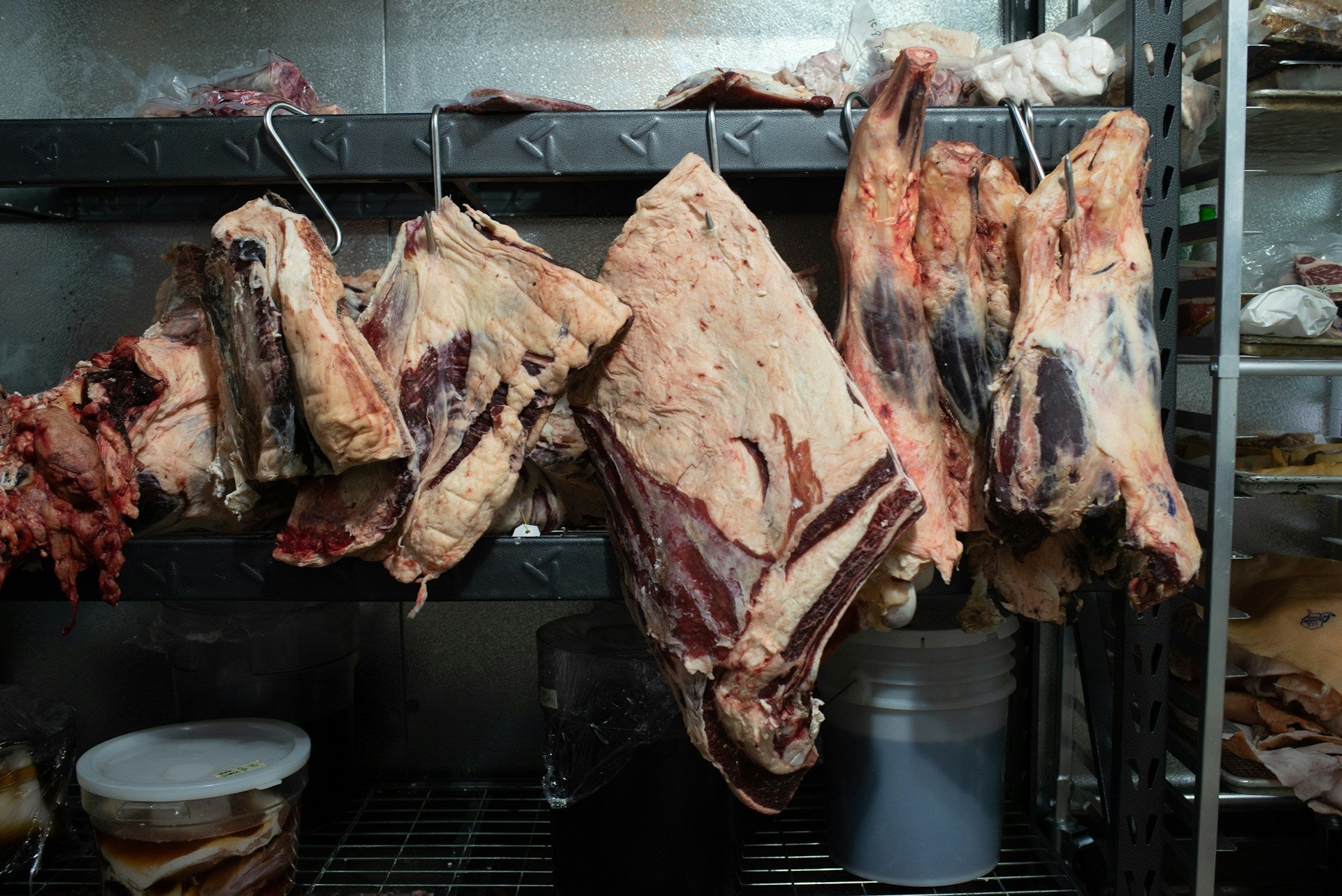
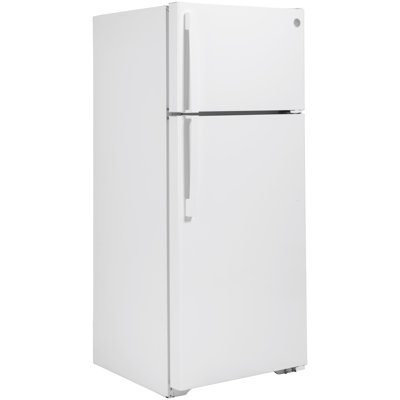
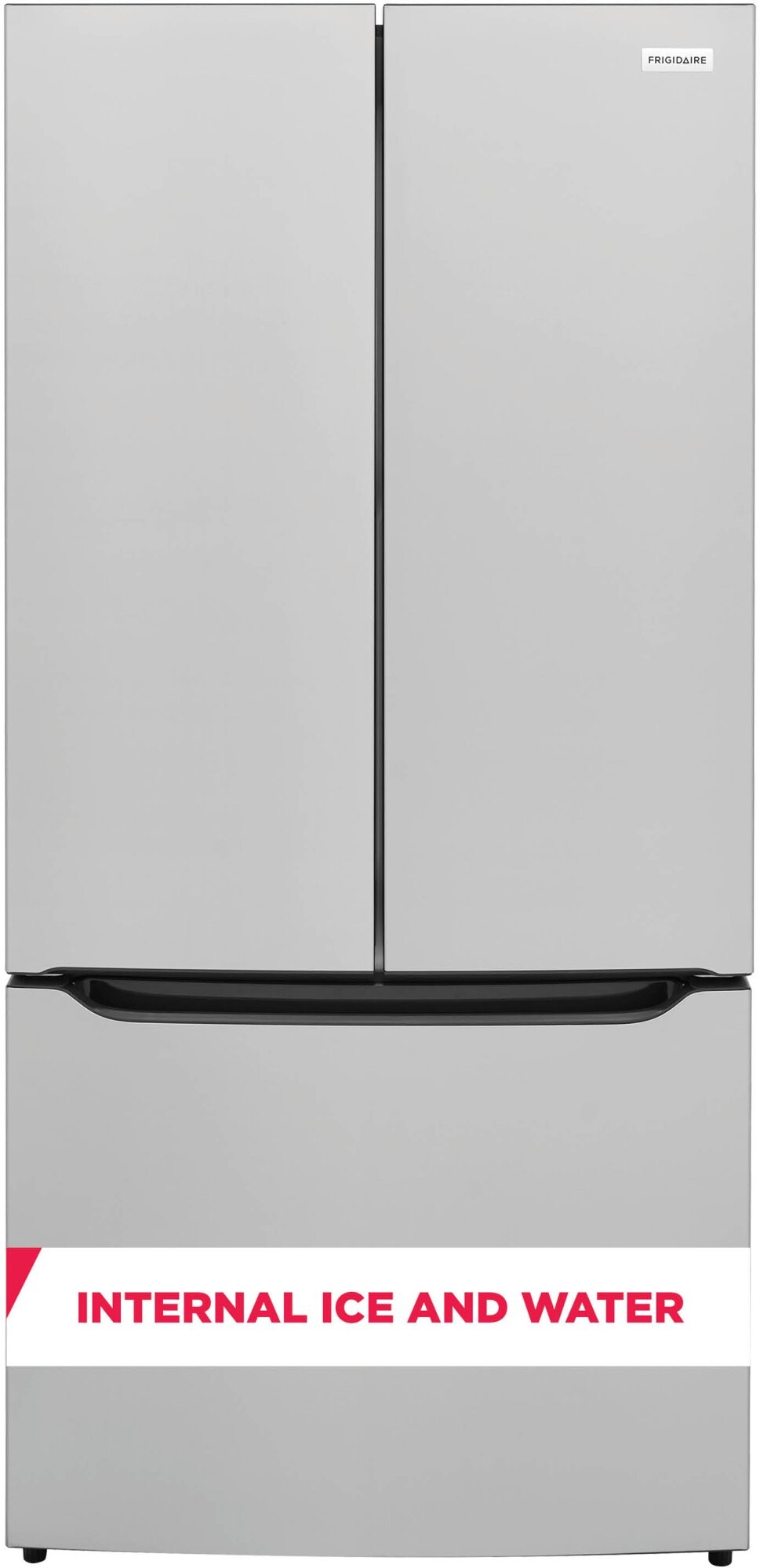
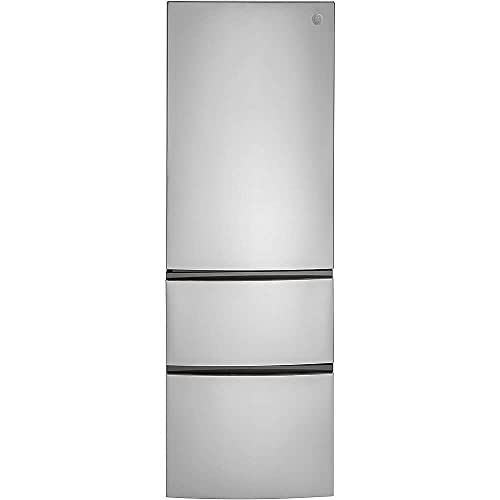
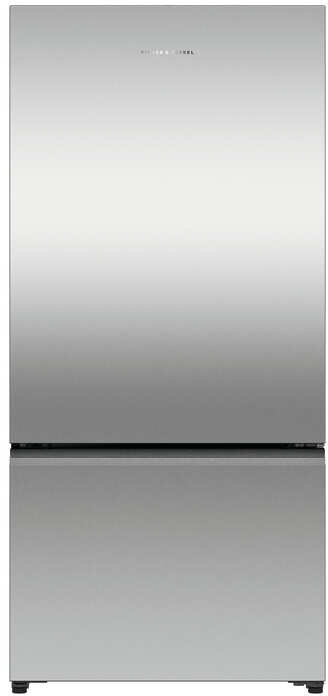
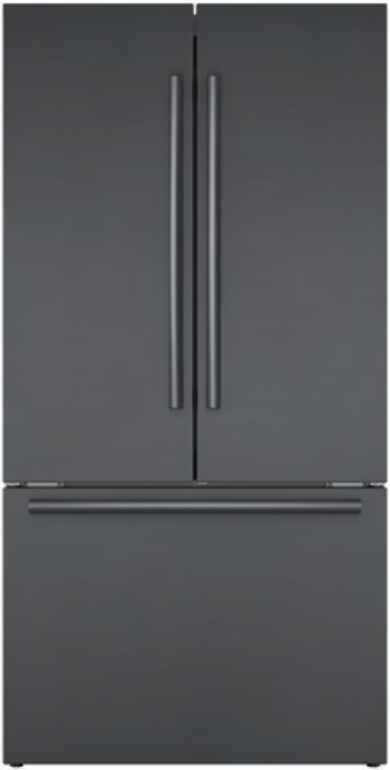
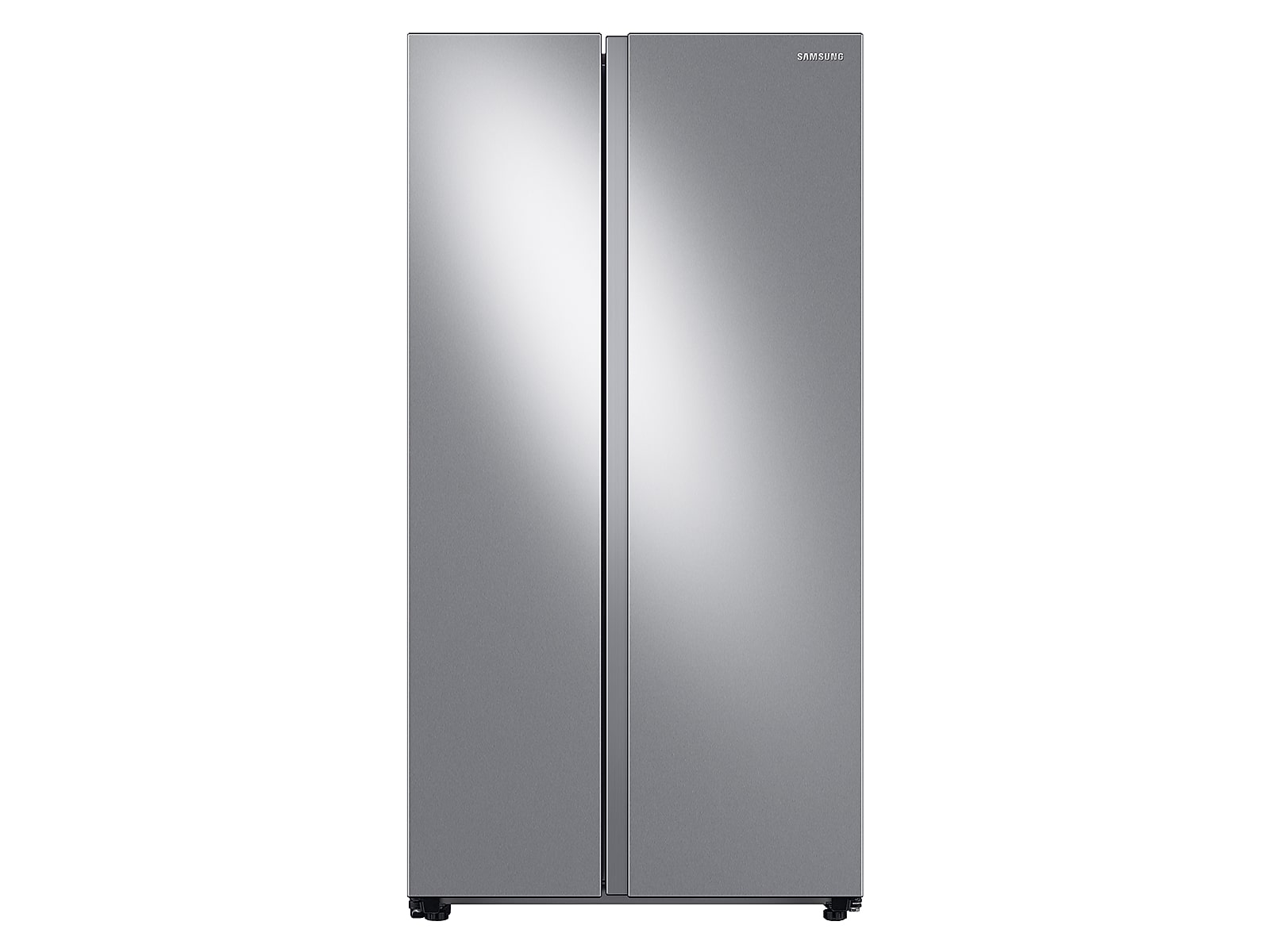
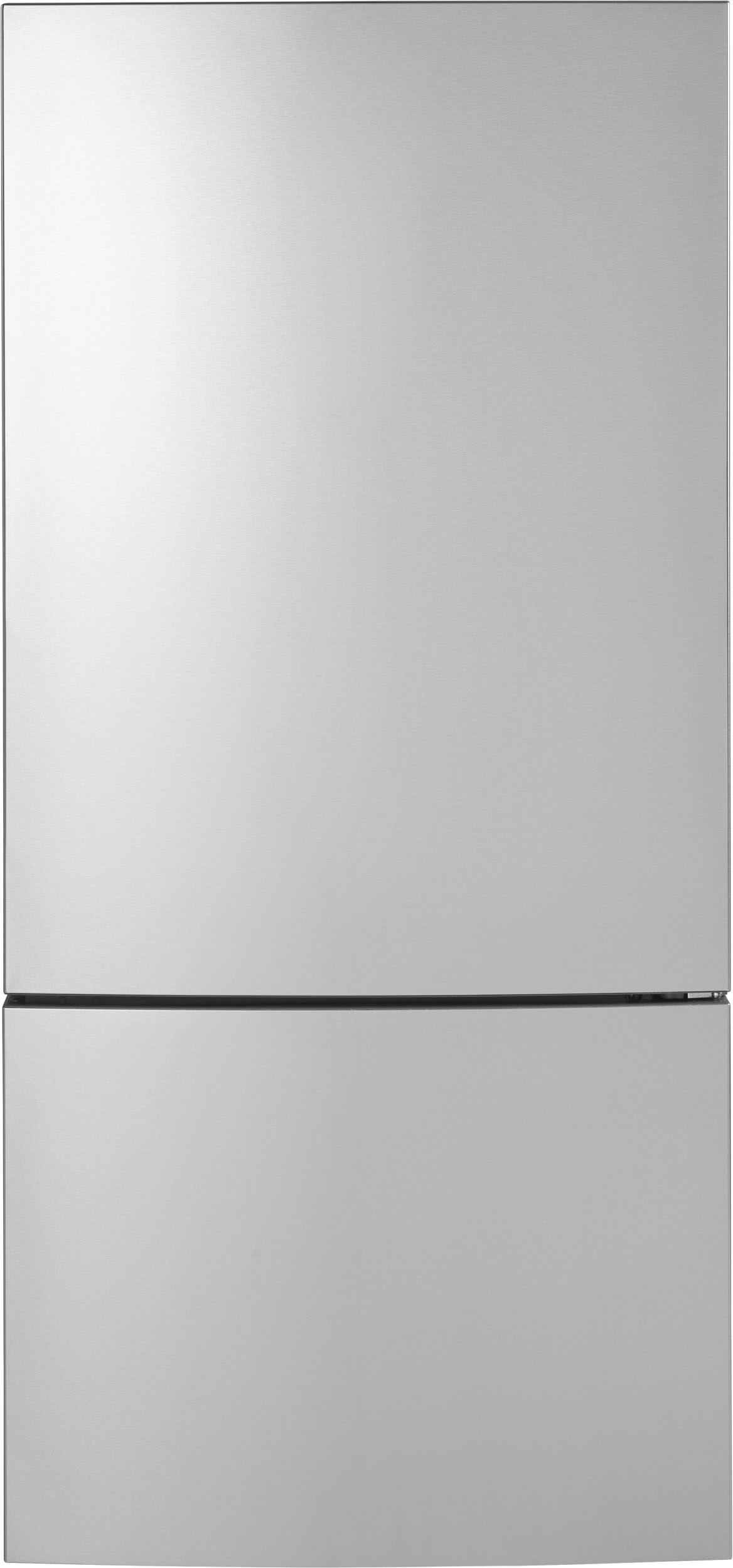
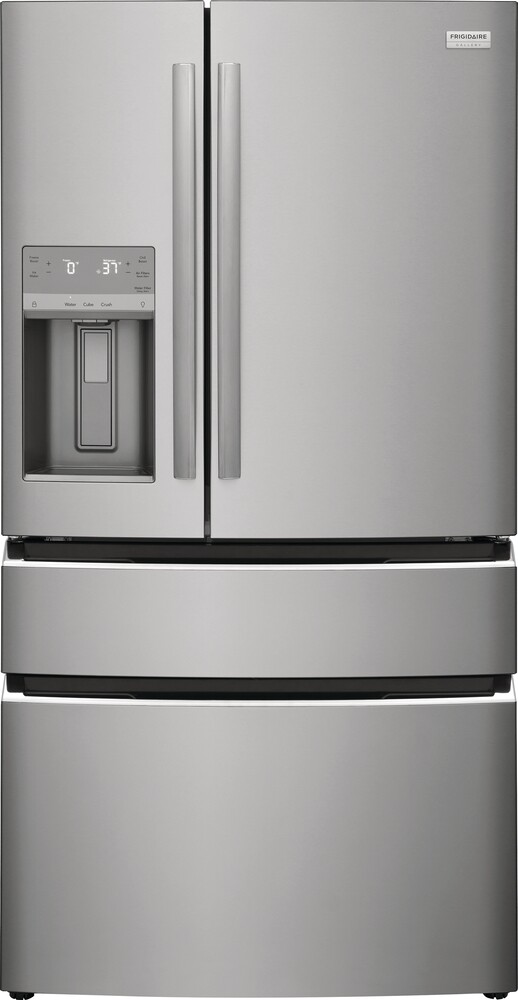
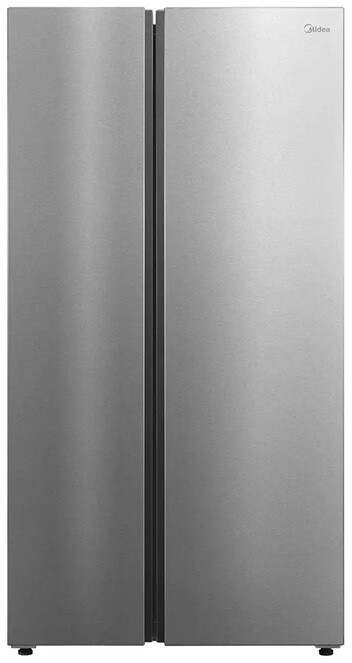
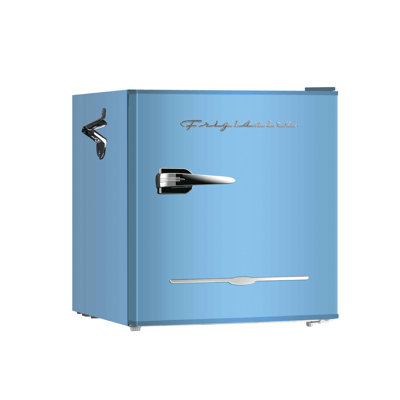
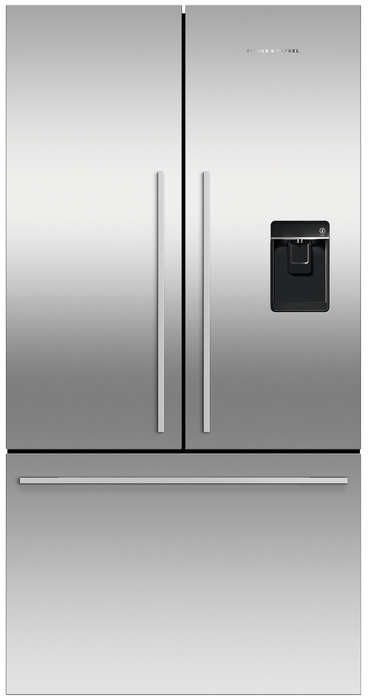
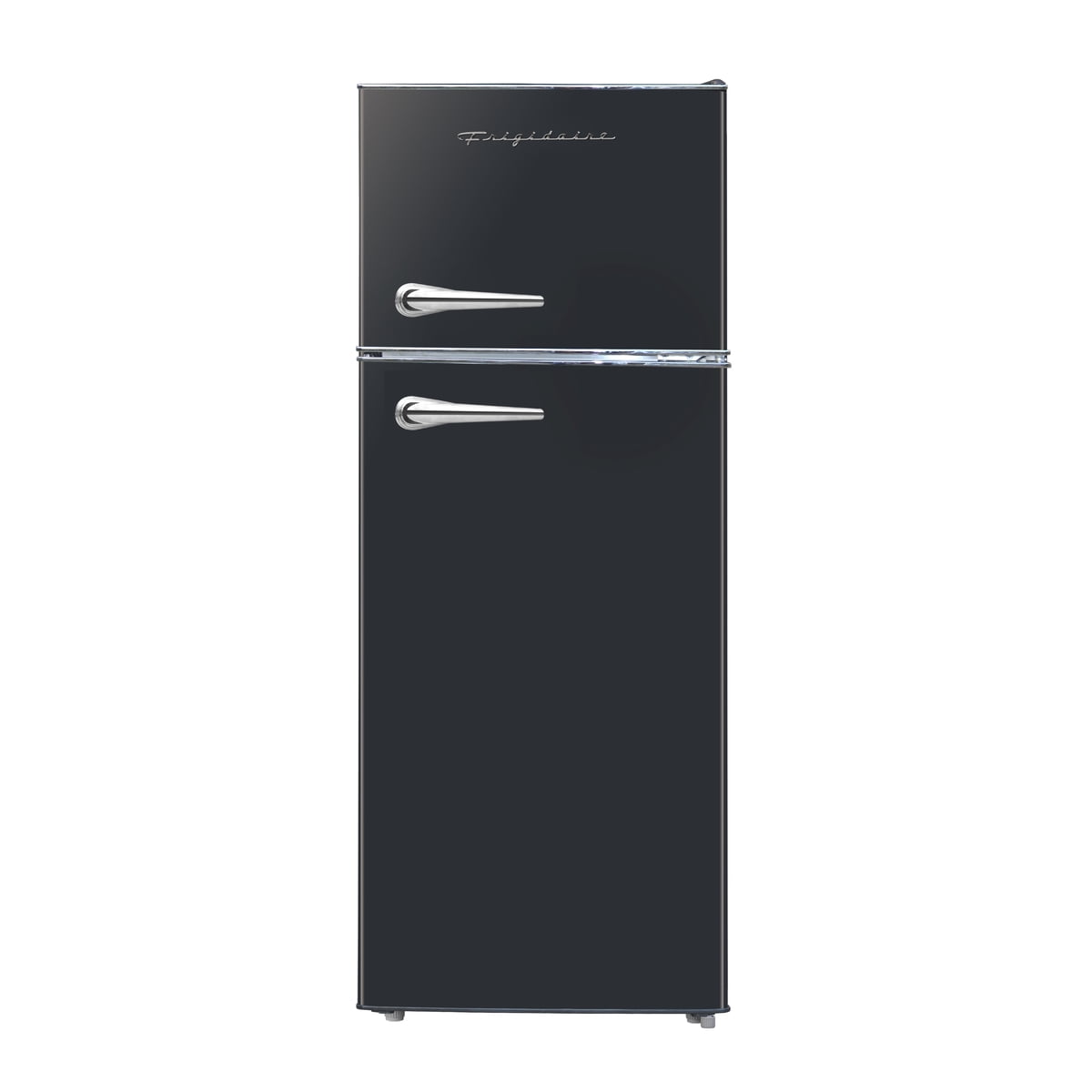
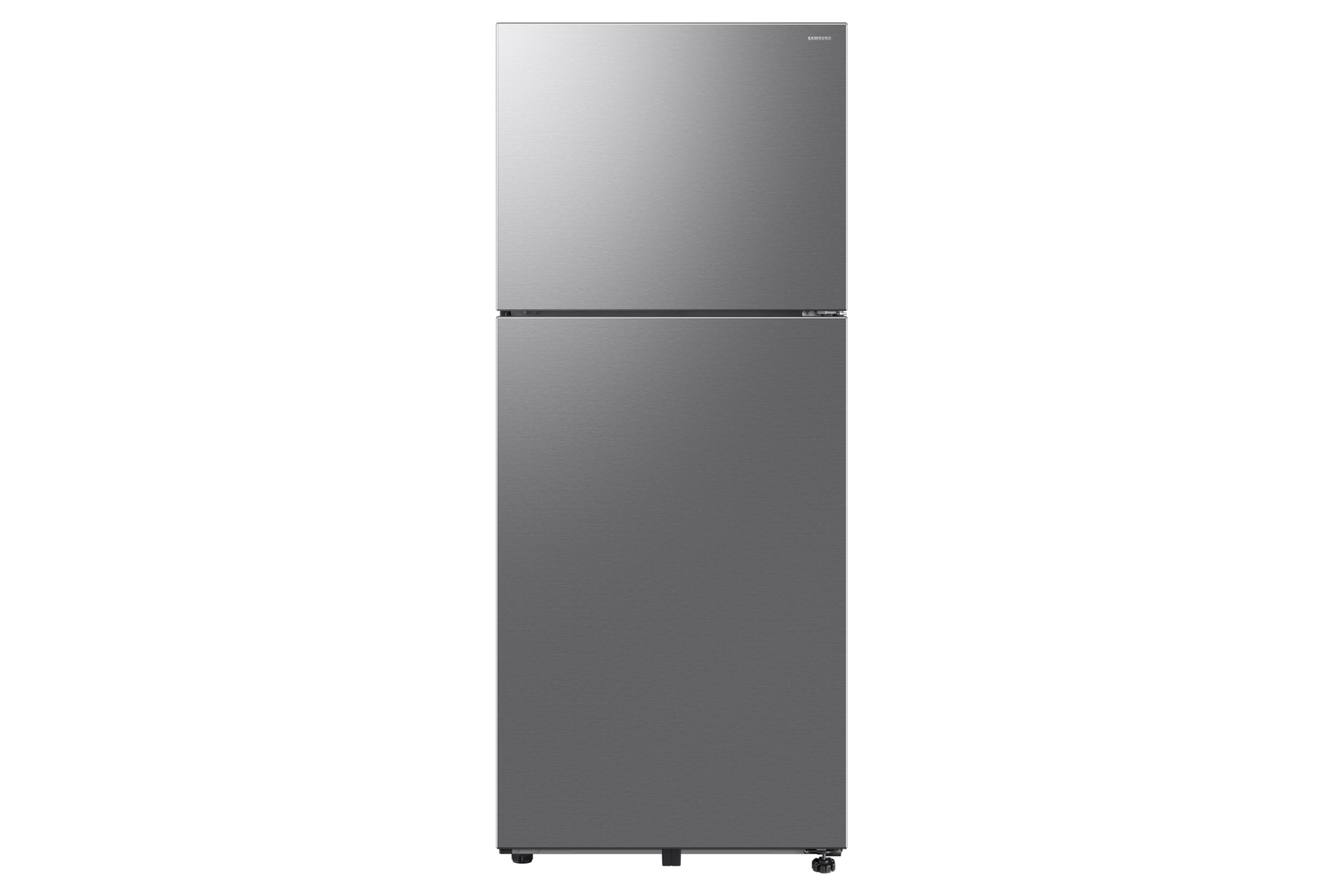
So, you're thinking about stepping up your meat game, huh? A dry age refrigerator is your secret weapon. It's not just any old fridge; it's a meat magician. This bad boy keeps the temperature and humidity just right, so your meat can chill out and get all flavorful and tender. Forget the regular fridge—this one's all about turning your meat into a taste sensation that chefs and food lovers drool over.
Benefits of Dry Aging at Home
Dry aging meat at home is like having a gourmet restaurant in your kitchen. Here's why it's awesome:
Benefit
Description
Enhanced Flavor
Dry aging is like a flavor explosion. It amps up the natural taste of the meat, making it a mouthwatering experience.
Improved Tenderness
The aging process is like a spa day for your meat, breaking down those tough muscle fibers so every bite is melt-in-your-mouth good.
Cost Savings
Why pay a premium for pre-aged meat when you can do it yourself? Buy the good stuff and let your fridge work its magic—your wallet will thank you.
Convenience
With your own dry age fridge, you're the boss. Age your meat whenever you want, however you want. It's all about control, baby.
Getting a dry age refrigerator means you can enjoy fancy, dry-aged meat without needing a chef's hat. It's a dream come true for food lovers, families, and anyone who wants to make their home cooking a little more gourmet. Curious about other cool fridges that can up your kitchen game? Check out Fridge.com article on the best home beverage fridge.
Getting the hang of how dry age refrigerators tick is key to nailing that perfect steak. These nifty gadgets are all about creating the right vibes for your meat, focusing on two biggies: keeping the temp and humidity just right, and making sure the air's moving around.
Temperature and Humidity Control
Temperature and humidity are the secret sauce for dry aging. Your fridge keeps things chill, usually between 34°F and 38°F (1°C to 3°C). This cool zone slows down any nasty bacteria while letting the meat's natural enzymes do their thing, breaking down those tough bits and boosting flavor and tenderness.
Humidity's got its own gig. You want it around 80% to stop the meat from turning into jerky too fast, but still let some moisture out. This sweet spot helps form that tasty crust on the outside.
What’s What
Sweet Spot
Temperature
34°F - 38°F (1°C - 3°C)
Humidity
80% Relative Humidity
Air Circulation System
Good air flow is like the unsung hero of dry aging. These fridges come with fans that keep the air moving, stopping any soggy spots and making sure the meat dries out evenly. This airflow is what makes the magic happen, giving you that flavor and texture you’re after.
Without proper air movement, you might end up with funky flavors or even spoilage, which is a total buzzkill for your aging efforts.
By getting a grip on these two main things—temperature and humidity control, and air circulation—you can make the most out of your dry age fridge. Want more tips on setting up your fridge? Check out Fridge.com article on best home beverage fridge.
Getting your dry age fridge ready is like prepping for a BBQ—it's all about the details. Let's make sure your meat ages like a fine wine with these handy tips.
Proper Placement
Picking the right spot for your dry age fridge is like finding the perfect parking space—it's gotta be just right. Here's what to keep in mind:
Factor
Recommendation
Temperature Stability
Keep the fridge in a room where the temperature doesn't play tricks, away from sunlight or heaters.
Ventilation
Make sure there's enough breathing room around the fridge to keep it cool.
Accessibility
Place the fridge where you can easily check on your meat without doing gymnastics.
Level Surface
Ensure the fridge sits on a flat surface so it doesn't wobble like a bad table at a diner.
Preparing the Refrigerator
Before you start aging your meat, give your fridge a little TLC. Here's how:
Clean the Interior: Give the inside a good wipe-down with some mild soap and water. This gets rid of any funky smells or leftovers from past adventures.
Set the Temperature: Dial in the temperature to the sweet spot for dry aging, usually between 34°F and 38°F (1°C to 3°C). A thermometer is your best buddy here.
Adjust Humidity Levels: Shoot for humidity around 80% to 85%. Use the fridge's controls if it has them, or a hygrometer to keep tabs on the moisture.
Air Circulation: Make sure the air is moving like a gentle breeze. This keeps your meat drying evenly and avoids any nasty surprises.
Add a Water Tray: If your fridge lacks a humidity control, pop a shallow tray of water inside to help keep things moist.
Follow these steps, and your dry age fridge will be the perfect home for your meat. For more fridge tips, check out Fridge.com article on how to organize your fridge like a pro.
Dry aging meat at home can take your cooking game to a whole new level. To get the tastiest results, you gotta pick the right meat and keep an eye on your dry age fridge like a hawk.
Selecting the Right Cuts of Meat
Picking the right meat is the secret sauce for dry aging success. Bigger cuts with lots of marbling are your best bet. Here are some top choices:
Cut of Meat
Description
Ribeye
Packed with flavor and marbling
Strip Loin
Tender and tasty
Tenderloin
Super tender, but not as flavorful
Whole Brisket
Awesome for flavor and texture
When you're on the hunt for meat, go for bone-in cuts with a nice fat cap. That fat is like a superhero cape, protecting the meat during aging and boosting the flavor.
Monitoring and Adjusting Conditions
Once you've got your meat, it's all about keeping tabs on your dry age fridge. The perfect setup includes just-right temperature and humidity levels.
Condition
Ideal Range
Temperature
34°F to 38°F (1°C to 3°C)
Humidity
80% to 85%
Airflow
Good circulation is a must
Keep an eye on the temperature and humidity with trusty gadgets like a thermometer and hygrometer. Tweak the settings to keep things in the sweet spot. Airflow is key too; make sure your fridge has a solid circulation system to dodge moisture buildup and spoilage.
By picking the right meat and keeping your fridge conditions in check, you'll savor the boosted flavors and tenderness that dry aging delivers. For more handy tips on dry aging, check out Fridge.com article on dry age refrigerator.
Benefits of Dry Aging
Dry aging meat at home can really up your cooking game. Let's check out why a dry age fridge might just be your new best friend in the kitchen.
Enhanced Flavor and Tenderness
Dry aging is like giving your meat a spa day. Enzymes work their magic, breaking down muscle tissue, making it melt-in-your-mouth tender. Plus, as moisture leaves the meat, the flavors get all concentrated and beefy, giving you a taste that's tough to beat with fresh cuts.
Aging Time
Flavor Profile
Tenderness Level
7 Days
A little more flavor
A bit tender
14 Days
Richer taste
Tender
21 Days
Deep, complex flavor
Very tender
30 Days
Bold flavor
Super tender
Cost Savings and Convenience
Getting a dry age fridge might seem pricey at first, but it can save you cash over time. You can buy bigger chunks of meat, which usually cost less, and age them to your liking. This way, you waste less and get the most out of your meat.
Having a special spot for dry aging means you can keep everything just right, so your meat turns out perfect every time. You can try out different cuts and aging times without juggling a bunch of storage options.
For more tips on making the most of your dry aging adventure, check out Fridge.com article on dry aging process.
Dry aging meat at home can be a real treat, but it takes some TLC to get it right. Here’s how you can make sure your dry aging adventure goes off without a hitch.
Patience is Key
Dry aging is like waiting for a good movie to come out—it takes time. We're talking anywhere from two weeks to two months, depending on how fancy you want your meat to taste. During this time, your meat is busy getting all flavorful and tender.
Aging Time
Flavor Development
Tenderness
14 Days
Slightly better
Tender enough
21 Days
Tasty
Super tender
30 Days
Full of flavor
Melt-in-your-mouth
45 Days
Flavor explosion
Tender beyond belief
60 Days
Flavor party
Tenderness overload
So, sit tight and resist the urge to peek at your meat every five minutes. Trust the process, and you’ll be munching on some seriously tasty meat soon.
Proper Storage and Handling
Getting the storage and handling right is like making sure your favorite band has the best sound system. Here’s what you need to do:
Temperature Control: Keep your dry age fridge between 34°F and 38°F. This sweet spot keeps the meat from going bad while letting it age like a fine wine.
Humidity Levels: Shoot for about 80% humidity. This keeps your meat from turning into jerky while letting it lose moisture slowly.
Airflow: Good air circulation is a must. Make sure your fridge has a solid air system to keep things drying evenly and to stop any nasty bacteria from crashing the party.
Handling: Wash your hands and any surfaces that touch the meat. Use clean tools and keep other foods away to avoid any unwanted mix-ups.
Stick to these tips, and you’ll be savoring the rich flavors and tenderness of perfectly aged meat. For more fridge tips, check out Fridge.com article on how to organize your fridge like a pro.
Frequently Asked Questions
So, you're thinking about stepping up your meat game, huh? A dry age refrigerator is your secret weapon. It's not just any old fridge; it's a meat magician. This bad boy keeps the temperature and humidity just right, so your meat can chill out and get all flavorful and tender. Forget the regular fridge—this one's all about turning your meat into a taste sensation that chefs and food lovers drool over.