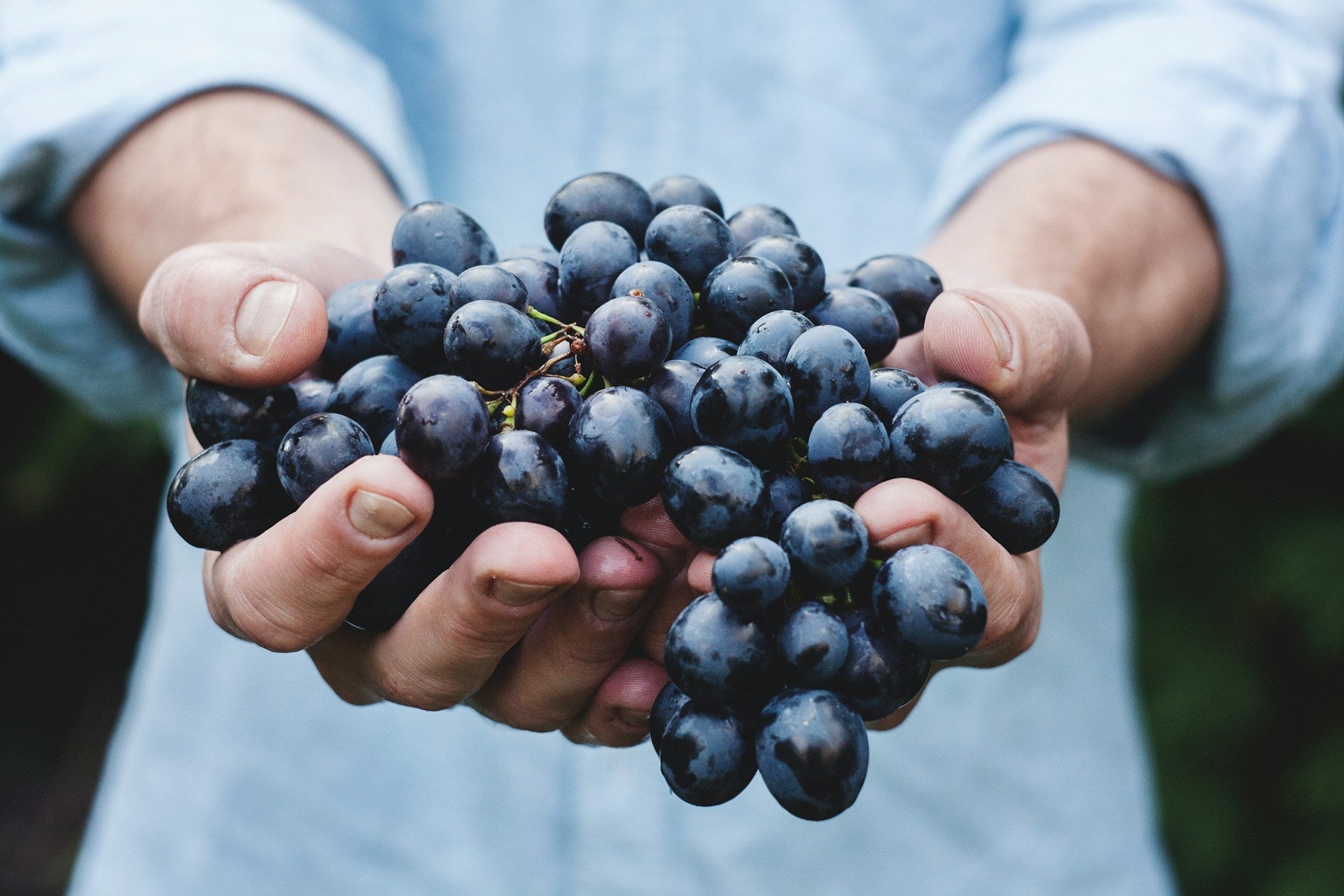
To Refrigerate or Not: Grapes in the Fridge
Understanding Proper Storage of Grapes
Proper storage of grapes is essential to maintain their freshness, flavor, and nutritional value. Grapes are perishable fruits that can spoil quickly if not stored correctly. By understanding the best ways to store grapes, you can ensure they remain delicious and ready to eat.
Grapes should ideally be stored in a cool, dry place. However, most people prefer to refrigerate them to extend their shelf life. When you place grapes in the fridge, it's important to keep them in their original packaging or transfer them to a breathable container. This prevents excess moisture buildup, which can lead to mold growth.
| Storage Method | Shelf Life |
|---|---|
| Room Temperature | 2-3 days |
| Refrigerator | 1-2 weeks |
| Freezer | Up to 1 year |
For more detailed guidelines on storing grapes, check out our article on how to store grapes in the refrigerator.
Factors to Consider Before Refrigerating Grapes
Before deciding whether to refrigerate your grapes, consider several factors that can affect their quality and longevity.
Temperature: Grapes thrive in colder temperatures. Keeping them in the fridge slows down the ripening process and preserves their freshness. However, if you're planning to consume them within a day or two, storing them at room temperature may be sufficient.
Humidity: Grapes require a low-humidity environment to stay fresh. Excess moisture can cause them to spoil faster. Ensure your fridge has a crisper drawer with adjustable humidity settings for optimal storage conditions.
Packaging: The way grapes are packaged plays a significant role in their preservation. It's best to keep them in their original perforated plastic bag or a container that allows airflow. Avoid sealing them in airtight containers, as this can trap moisture and lead to mold growth.
Ripeness: The ripeness of your grapes also determines whether they need refrigeration. If they are fully ripe, it's best to refrigerate them immediately to prevent over-ripening. On the other hand, if they are still slightly underripe, you can leave them at room temperature for a day or two to allow them to ripen further.
For more information on whether grapes need to be refrigerated, visit our article on do grapes need to be refrigerated?.
By taking these factors into account, you can make an informed decision about the best way to store your grapes. Whether you choose to refrigerate them or keep them at room temperature, proper storage practices will help you enjoy fresh and flavorful grapes for longer periods.
Benefits of Refrigerating Grapes
Refrigerating grapes can offer several advantages that help maintain their quality and prolong their usability. Understanding these benefits can guide you in deciding whether to place your grapes in the fridge.
Extended Shelf Life
One of the primary benefits of refrigerating grapes is the extended shelf life. When stored in the fridge, grapes can remain fresh for a longer period compared to being left at room temperature. Cooler temperatures slow down the ripening process and the growth of mold and bacteria.
| Storage Method | Shelf Life (Days) |
|---|---|
| Room Temperature | 3-5 |
| Refrigerated | 7-14 |
For more detailed information on how long grapes last in the fridge, visit our article on how long do grapes last in the fridge?.
Enhanced Freshness
Refrigerating grapes also helps in preserving their freshness. When kept in the fridge, grapes maintain their crisp texture and juicy consistency, making them more enjoyable to eat. The cool environment prevents them from becoming soft and mushy.
To ensure optimal freshness, it's essential to store grapes properly within the refrigerator. You can learn more about the best practices in our guide on how to store grapes in the fridge.
By keeping grapes refrigerated, you can enjoy their extended shelf life and enhanced freshness. This not only reduces food waste but also ensures that you have a delicious and nutritious snack readily available. For more tips on storing grapes and other fresh produce, explore our related articles on should grapes be refrigerated? and grapes in the fridge.
Drawbacks of Refrigerating Grapes
While refrigerating grapes offers certain benefits, it is also essential to consider the potential downsides. Two primary drawbacks include potential texture changes and flavor impact.
Potential Texture Changes
Refrigerating grapes can alter their texture, especially if they are stored for an extended period. The cold environment can cause the skin to become tougher and the flesh to lose its plumpness, resulting in a less appealing bite.
| Storage Method | Texture Change After 1 Week |
|---|---|
| Room Temperature | Minimal |
| Refrigerator | Noticeable loss of firmness |
For more on how to manage these changes, read our guide on how to store grapes in the fridge.
Flavor Impact
Another drawback of refrigerating grapes is the potential impact on their flavor. Cold temperatures can sometimes mute the natural sweetness and aroma of the grapes. This might make them taste less vibrant compared to grapes stored at room temperature.
| Storage Method | Flavor Change After 1 Week |
|---|---|
| Room Temperature | Slight |
| Refrigerator | Noticeable reduction in sweetness |
If you notice a significant change in flavor, it may be an indicator that your grapes need to be consumed sooner rather than later. Learn more about the factors influencing this in our article how long do grapes last in the fridge?.
Understanding these drawbacks will help you make an informed decision on whether to refrigerate your grapes. For more comprehensive tips on grape storage, visit how to store grapes in the refrigerator.
Optimal Storage Tips
Proper storage of grapes can help maintain their freshness and extend their shelf life. Here are some tips for storing grapes both in the fridge and through alternative methods.
Storing Grapes in the Fridge
Refrigerating grapes is one of the best ways to keep them fresh for a longer period. Here are some key steps to follow:
- Do Not Wash Before Storing: Wash grapes only before consuming to prevent excess moisture, which can lead to mold.
- Use a Ventilated Bag: Store grapes in a perforated plastic bag or a container with ventilation to allow air circulation.
- Temperature Settings: Keep the fridge temperature between 32°F and 40°F. This range helps maintain the crispness and freshness of the grapes.
For more details, you can refer to our guide on how to store grapes in the fridge.
| Storage Tip | Description |
|---|---|
| Do Not Wash Before Storing | Reduces moisture that can lead to mold. |
| Use a Ventilated Bag | Allows air circulation, preventing spoilage. |
| Temperature Settings | Keep fridge between 32°F and 40°F. |
Alternative Storage Methods
While refrigerating is a common method, there are other ways to store grapes effectively:
- Freezing: Freezing grapes can be a great way to preserve them for longer periods. Wash and dry the grapes thoroughly, spread them on a baking sheet, and freeze. Once frozen, transfer them to a freezer bag. Learn more about how to freeze grapes.
- Room Temperature: If you plan to consume grapes within a day or two, storing them at room temperature is acceptable. Keep them in a cool, dry place away from direct sunlight.
- Basement Storage: For those with cooler basements, storing grapes in this environment can mimic the cool, dry conditions of a fridge.
For extensive information about grape storage, visit our article on best way to store grapes in the freezer.
| Storage Method | Duration | Description |
|---|---|---|
| Freezing | Up to 12 months | Wash, dry, and freeze on a baking sheet before transferring to a freezer bag. |
| Room Temperature | 1-2 days | Store in a cool, dry place away from sunlight. |
| Basement Storage | Variable | Use cool, dry conditions similar to fridge storage. |
By following these optimal storage tips, you can ensure that your grapes remain fresh and delicious for as long as possible. For more information on grape storage, check our related articles on how to store washed grapes in the fridge and how to keep grapes fresh in the fridge.
Signs Your Grapes Need Refrigeration
Storing grapes properly is essential for maintaining their freshness and extending their shelf life. Knowing when to refrigerate your grapes can help you enjoy them at their best.
Spoilage Indicators
Grapes can show several signs when they start to spoil. Being aware of these indicators can help you determine when it's time to transfer them to the fridge.
| Spoilage Indicator | Description |
|---|---|
| Softness | Grapes become mushy and lose their firm texture. |
| Wrinkling | The skin starts to wrinkle, indicating dehydration. |
| Mold | Visible mold growth on the grapes or stems. |
| Off Odor | A sour or fermented smell emanating from the grapes. |
| Discoloration | Brown or black spots appear on the skin. |
If you notice any of these signs, it's a good idea to move your grapes to the refrigerator to slow down the spoilage process. For more information, visit our article on how long do grapes last in the fridge?.
When to Transfer Grapes to the Fridge
Deciding when to refrigerate grapes can depend on several factors, including how soon you plan to consume them and their initial condition.
- Immediate Consumption: If you plan to eat the grapes within a day or two, they can be kept at room temperature. However, if you notice any of the spoilage indicators listed above, refrigeration is recommended.
- Extended Storage: For longer storage, it's best to refrigerate grapes to maintain their freshness. Grapes stored in the fridge can last up to two weeks, depending on their initial quality. Learn more about how long grapes last in the fridge.
- Warm Climate: In warmer climates, grapes are more prone to spoiling quickly. In such cases, transferring them to the fridge as soon as possible is advisable.
When transferring grapes to the fridge, ensure they are stored properly. For tips on optimal storage, check out our guide on how to store grapes in the refrigerator.
By monitoring spoilage indicators and considering your consumption timeline, you can make an informed decision on when to refrigerate your grapes, ensuring they remain fresh and delicious.
Properly Handling Refrigerated Grapes
To ensure that your grapes remain fresh and tasty, it's important to handle them properly before and during refrigeration. Follow these guidelines to maintain the quality of your grapes.
Washing Grapes Before Refrigeration
Before storing grapes in the fridge, it's essential to wash them properly. This helps to remove any dirt, pesticides, or bacteria that may be present on the surface. Here's how you can wash your grapes:
- Rinse the grapes under cold running water.
- Gently rub each grape to ensure thorough cleaning.
- Place the washed grapes on a clean towel and pat them dry.
By washing and drying grapes thoroughly, you reduce the risk of mold growth and spoilage. For more information on storing washed grapes, you can visit our article on how to store washed grapes in the fridge.
Maintaining Freshness in the Fridge
Once your grapes are clean, it's crucial to store them correctly in the refrigerator to maintain their freshness. Follow these tips to keep your grapes in optimal condition:
- Use a breathable container: Store grapes in a container that allows air circulation, such as a perforated plastic bag or a container with ventilation holes.
- Keep them dry: Excess moisture can lead to mold growth and spoilage. Ensure that grapes are completely dry before placing them in the fridge.
- Store in the crisper drawer: The crisper drawer is designed to maintain optimal humidity levels, making it an ideal place to store grapes. This helps to prolong their freshness.
- Avoid overcrowding: Overcrowding can cause grapes to bruise and deteriorate more quickly. Give them enough space to breathe.
| Storage Method | Expected Freshness Duration |
|---|---|
| Unwashed, in a plastic bag | 1 week |
| Washed and dried, in a breathable container | 2 weeks |
By following these steps, you can keep your grapes fresh and enjoyable for an extended period. If you notice any signs of spoilage, such as mold or an off smell, it's time to discard the affected grapes. For more tips on how to keep grapes fresh in the refrigerator, visit our article on how to keep grapes fresh in the fridge.
Proper handling and storage of grapes can significantly impact their shelf life and quality. Whether you're enjoying them as a snack or using them in recipes, ensuring that your grapes are well cared for will enhance your overall experience. If you're curious about how long grapes last in the fridge, check out our article on how long grapes last in the fridge.
Get Your Upgrade or New Addition at Fridge.com
Whether you're searching for your perfect fridge, freezer, wine fridge, beer fridge, ice maker, or kegerator, we have what you need.
Shop the world's best brands at Fridge.com.
We also have tons of awesome articles about kitchen stuff and home news. Enhance your home, garage, backyard, patio, and office with the coolest essentials. With every necessary type of residential refrigerator or freezer in our collection, we've got you covered.
Elevate your game and shop now at Fridge.com!