Understanding Cannolis
What Are Cannolis?
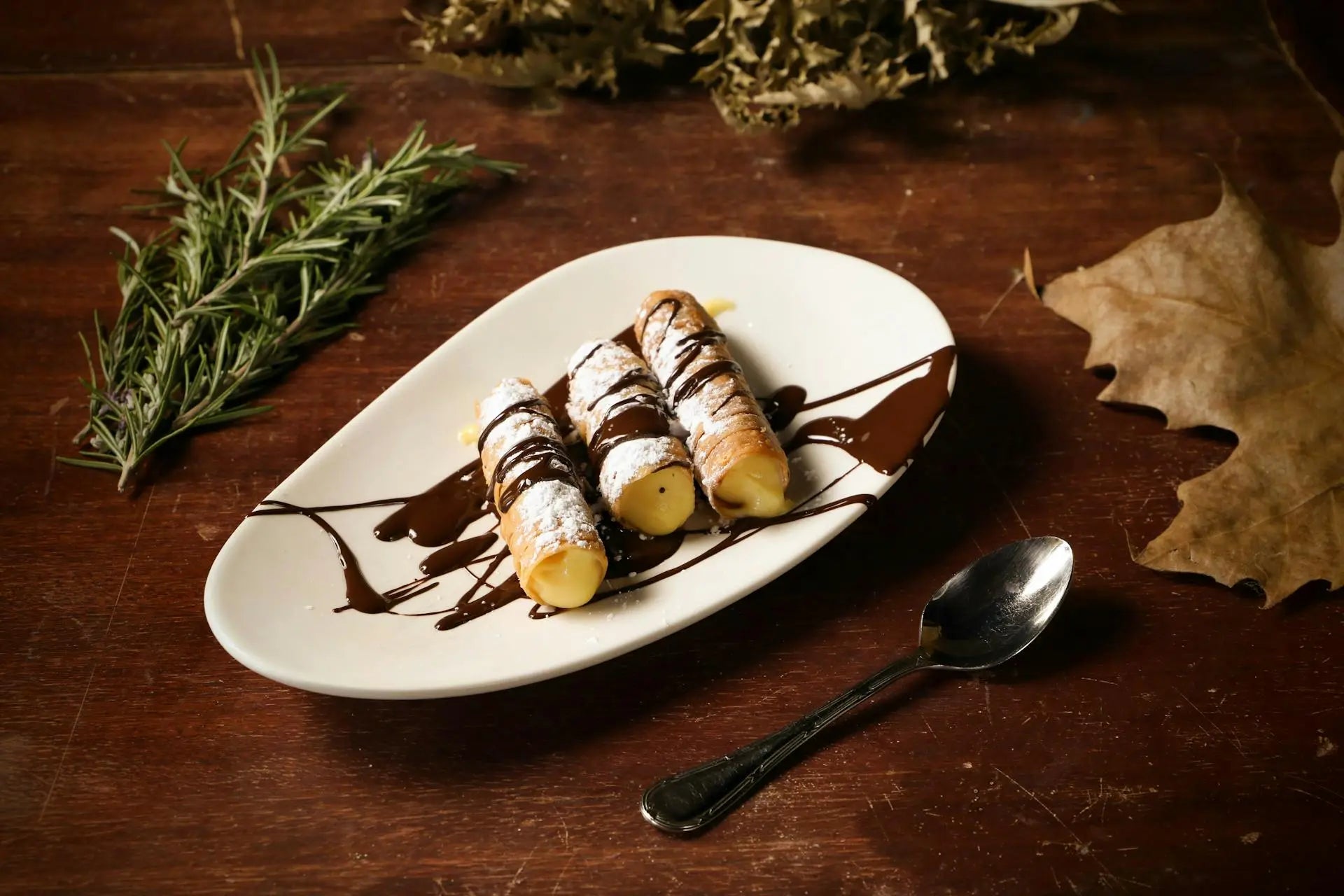
Cannolis are like the Italian version of a party in your mouth. Imagine biting into a crispy shell that’s been fried to perfection, only to discover a sweet, creamy surprise inside. The shell is crafted from dough rolled thin and fried until it’s golden brown, then shaped into tubes. The filling? Oh, it’s a dreamy mix of ricotta cheese, sugar, and flavors like vanilla or chocolate. And if you’re feeling fancy, you can top them off with chocolate chips, pistachios, or candied fruit. Perfect for any occasion, cannolis are the dessert that never disappoints.
Ingredients in Cannolis
Cannolis are all about personal flair and regional twists. Here’s the lowdown on what goes into these tasty treats:
| Ingredient | Purpose |
|---|---|
| Ricotta Cheese | The creamy heart of the filling |
| Sugar | Sweetens the deal |
| Vanilla Extract | Flavor booster |
| Chocolate Chips | Fancy garnish |
| Pistachios | Nutty garnish |
| Cannoli Shell | Crunchy outer goodness |
Feel free to jazz up your cannolis with extras like chocolate, fruit, or even a splash of liqueur. This flexibility is why cannolis are adored by foodies and dessert enthusiasts everywhere. And if you’re wondering how to keep these delights fresh, you might ask yourself, do cannolis need to be refrigerated?
Storage Guidelines for Cannolis
Alright, let's talk cannolis! You know, those delightful little pastries that make your taste buds do a happy dance. Storing them right is key to keeping that crispy shell and creamy filling just the way you like it. So, here's the lowdown on how to keep your cannolis fresh and tasty.
Room Temperature Storage
Got a hankering for cannolis and plan to munch on them soon? You can leave them out at room temperature for a few hours. Just find a cool, dry spot away from the sun's rays. This is perfect for those freshly made cannolis, keeping that shell nice and crunchy.
| Storage Duration | Conditions |
|---|---|
| Up to 4 hours | Cool, dry place, away from sunlight |
Refrigeration of Cannolis
If you're not gobbling them up right away, the fridge is your friend. Cannolis with cream or ricotta filling need to chill out to stay fresh. Pop them in an airtight container to keep them safe from fridge funk and sogginess.
| Storage Duration | Conditions |
|---|---|
| 1 to 2 days | Airtight container in the refrigerator |
Got leftovers? Make sure to eat them within a couple of days for the best taste. And hey, if you're curious about storing other foods, check out our article on how long is cooked chicken good in the refrigerator?.
Freezing Cannolis
Thinking long-term? Freezing is your go-to. But here's the trick: freeze the shells and filling separately. Wrap those shells in plastic and tuck them into a freezer bag. The filling goes in an airtight container.
| Storage Duration | Conditions |
|---|---|
| Up to 3 months | Shells and filling stored separately in the freezer |
When you're ready to indulge, let the shells and filling thaw in the fridge overnight, then put them together. This way, you can savor cannolis later without losing too much of that yummy texture and flavor. For more freezing tips, check out our article on how to freeze angel food cake slices.
Factors to Consider
When you're trying to figure out if your cannolis need a chill session in the fridge, there are a few things to think about. We're talking about the filling, the crunch factor of the shell, and how sticky the air is around you.
Filling Type
The gooey stuff inside your cannoli is a big deal when it comes to storage. If you're rocking the classic ricotta or mascarpone, those babies need to be kept cool to avoid turning into a science experiment. But if you've got chocolate or fruity goodness inside, you can relax a bit—those don't need the fridge right away.
| Filling Type | Refrigeration Needed |
|---|---|
| Ricotta | Yes |
| Mascarpone | Yes |
| Chocolate | No |
| Fruit Preserves | No |
Shell Texture
The crunch of your cannoli shell is another thing to think about. A crispy shell is best when it's fresh, and sticking it in the fridge can make it go limp. If you're planning to munch on them soon, just leave them out. But if you're saving them for later, you might want to keep the filling and shell separate to keep that crunch alive.
| Shell Texture | Best Storage Method |
|---|---|
| Crispy | Room Temperature |
| Soft | Refrigeration |
Humidity Levels
Humidity can mess with your cannolis. If the air is thick with moisture, your shells might soak it up and lose their snap. If you're in a muggy spot, it's smart to refrigerate them to keep them tasty. But if it's dry where you are, you can leave them out for a bit without worrying.
| Humidity Level | Recommended Storage |
|---|---|
| High | Refrigeration |
| Low | Room Temperature |
By keeping these things in mind, you'll know whether your cannolis need to chill or not. Paying attention to the filling, shell crunch, and humidity will make sure your treats are as delicious as possible. If you're wondering about other food storage tips, check out our article on how long is cooked chicken good in the refrigerator?.
Effects of Refrigeration on Cannolis
Alright, let's talk cannolis! You know, those scrumptious Italian pastries that make your taste buds do a happy dance. When it comes to storing these little delights, the fridge can be both a friend and a foe. So, let's break it down and help you decide if your cannolis should chill out or not.
Texture Changes
Here's the scoop: popping cannolis in the fridge can mess with their texture. That crispy shell you love? It might turn into a soggy mess. Why? Because the filling's moisture sneaks into the shell like a ninja.
| Storage Method | Shell Texture |
|---|---|
| Room Temperature | Crispy |
| Refrigerated | Soggy |
Want to keep that crunch alive? Store the filling and shells separately. Then, play pastry chef and put them together right before serving. Your taste buds will thank you!
Flavor Preservation
Now, let's talk flavor. The fridge can be a lifesaver for keeping the filling fresh, especially if it's got stuff like ricotta or cream that can go bad faster than you can say "cannoli."
| Storage Method | Flavor Quality |
|---|---|
| Room Temperature | May Deteriorate |
| Refrigerated | Fresh and Intact |
If you decide to let your cannolis chill, make sure to eat them within a few days for the best taste. And hey, if you're looking for more tips on keeping your cannolis in tip-top shape, check out our article on best practices for cannoli storage.
Best Practices for Cannoli Storage
To keep your cannolis tasting like they just came from the bakery, you gotta know how to store them right. Let's chat about packaging, reheating, and how long these goodies can hang around.
Proper Packaging
How you stash your cannolis can make or break their freshness. Here's the lowdown on keeping them tasty:
- Airtight Containers: Pop your cannolis in a container that seals tight. This keeps them from soaking up any weird fridge smells or moisture.
- Separate the Filling: If you can, keep the filling away from the shells. This trick keeps the shells nice and crispy, not soggy.
- Wrap Individually: Give each cannoli its own little blanket of plastic wrap or parchment paper before tucking them into the container.
| Packaging Method | Description |
|---|---|
| Airtight Container | Blocks out moisture and odors |
| Separate Filling | Keeps shells crispy |
| Individual Wrapping | Adds extra protection |
Reheating Cannolis
Want your cannolis warm and cozy? Reheating is your friend. Here's how to do it:
- Oven Method: Crank up your oven to 350°F (175°C). Lay the cannolis on a baking sheet and let them warm up for 5-10 minutes. This helps bring back some of that crunch.
- Microwave Method: In a rush? Zap a cannoli for 10-15 seconds. Just be careful—microwaving can make the shells a bit chewy instead of crispy.
| Reheating Method | Temperature | Time |
|---|---|---|
| Oven | 350°F (175°C) | 5-10 minutes |
| Microwave | Room Temperature | 10-15 seconds |
Shelf Life of Cannolis
Knowing how long your cannolis will last is key to enjoying them at their peak. Here's the scoop:
- Room Temperature: Cannolis are good at room temp for about 2 hours. After that, it's fridge time to keep them fresh.
- Refrigerated: In the fridge, they can chill for 2-3 days. If the filling's got dairy, aim to eat them within 1-2 days.
- Frozen: Want to keep them longer? Freeze 'em! They'll be good for up to 2 months. Just wrap them up tight to dodge freezer burn.
| Storage Method | Duration |
|---|---|
| Room Temperature | 2 hours |
| Refrigerated | 2-3 days (1-2 days for dairy-based filling) |
| Frozen | Up to 2 months |
Stick to these tips, and your cannolis will stay fresh and scrumptious. If you're wondering about cannolis needing refrigeration?, these pointers will help you decide how to keep your sweet treats in top shape.