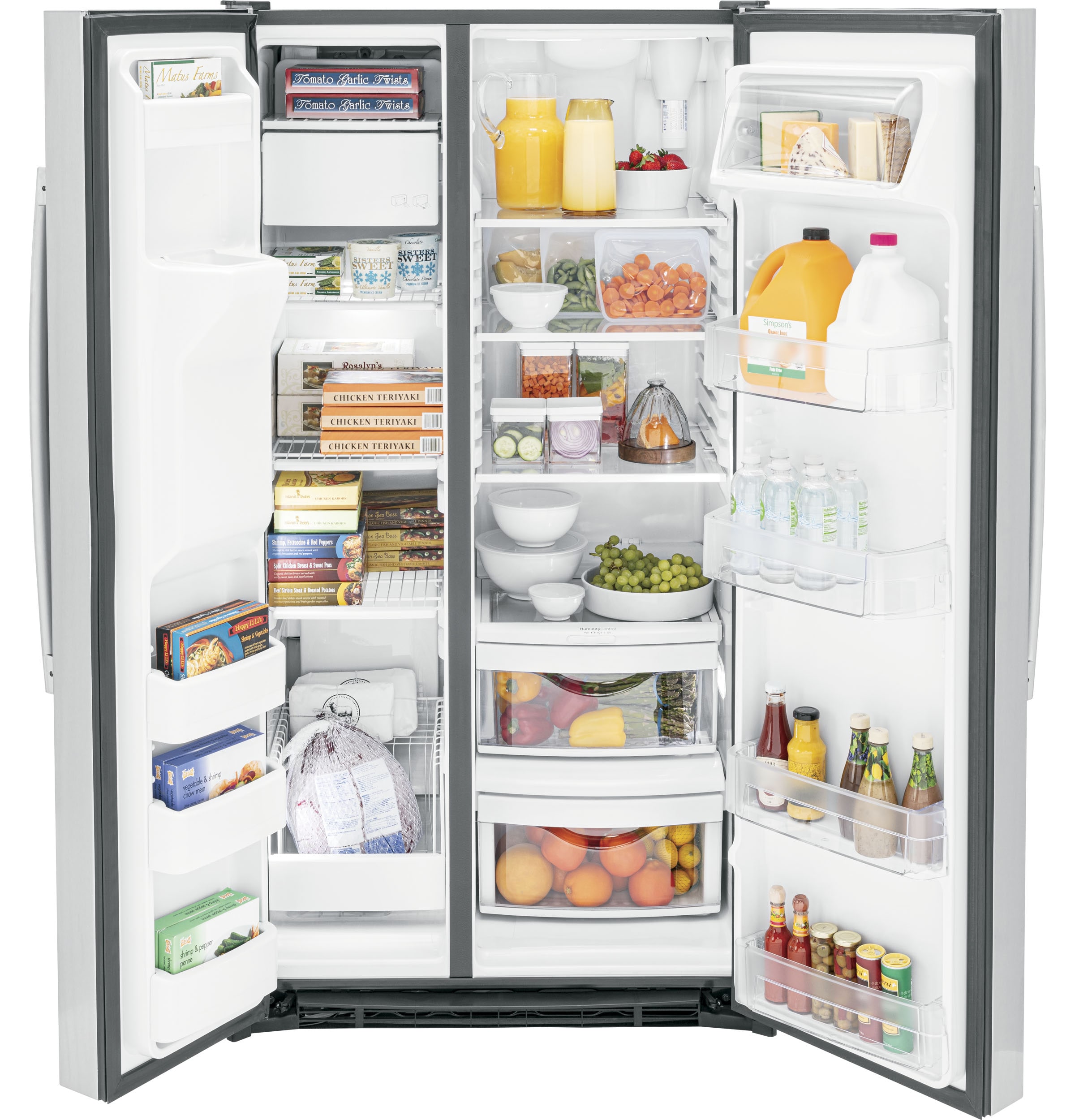
Understanding Fridge Weight
Getting a grip on your fridge's weight is more useful than you might think. It plays a role in how you set it up, move it around, and even how it fits into your kitchen's vibe.
Why Fridge Weight Matters
Knowing how much your fridge weighs isn't just trivia—it's practical. When you're setting it up or rearranging your kitchen, a heavier fridge might need extra support or a beefed-up floor, especially if your house has been around for a while. And if you ever need to shift it, knowing the weight means you can plan ahead, grab the right gear, and maybe call in some backup.
Here's why the weight of your fridge is a big deal:
| Reason | What's the Deal? |
|---|---|
| Installation | Keeps things steady and secure. |
| Moving | Helps you plan the move without breaking a sweat. |
| Energy Efficiency | Heavier fridges might keep the cold in better, saving energy. |
What Makes a Fridge Heavy?
A bunch of things can tip the scales when it comes to your fridge's weight. Knowing these can help you pick the right one for your pad.
- Size and Capacity: Bigger fridges pack more punch—and pounds—because they hold more stuff.
- Material: What it's made of matters. Stainless steel? Heavier. Plastic? Not so much.
- Features: Fancy extras like ice makers or smart tech can add some heft.
- Insulation: Thicker insulation means better energy savings but also more weight.
| Factor | How It Affects Weight |
|---|---|
| Size | Bigger means heavier. |
| Material | Steel's got more heft than plastic. |
| Features | More bells and whistles mean more weight. |
| Insulation | Thicker insulation adds pounds. |
By keeping these in mind, you'll get a better handle on how your fridge's weight fits into your home setup. If you're on the hunt for a new fridge, check out our guides on best fridge for South Burlington homes or best counter depth refrigerator for Christmas.
Benefits of Knowing Fridge Weight
Getting a handle on your fridge's weight can make a world of difference in your kitchen adventures. Whether you're setting it up or gearing up for a move, having this info in your back pocket can save you a lot of hassle.
Installation Considerations
When you're setting up a fridge, knowing how much it weighs is a big deal. First off, it lets you figure out if your floor can handle the load. Some fridges are real heavyweights, and older homes might need a little extra support to keep things steady.
Plus, the weight can help you decide where to park your fridge. If you're thinking about tucking it into a corner or putting it on a raised spot, make sure the area can take the weight without any drama.
Here's a handy table to give you an idea of what different fridges weigh:
| Fridge Type | Average Weight (lbs) |
|---|---|
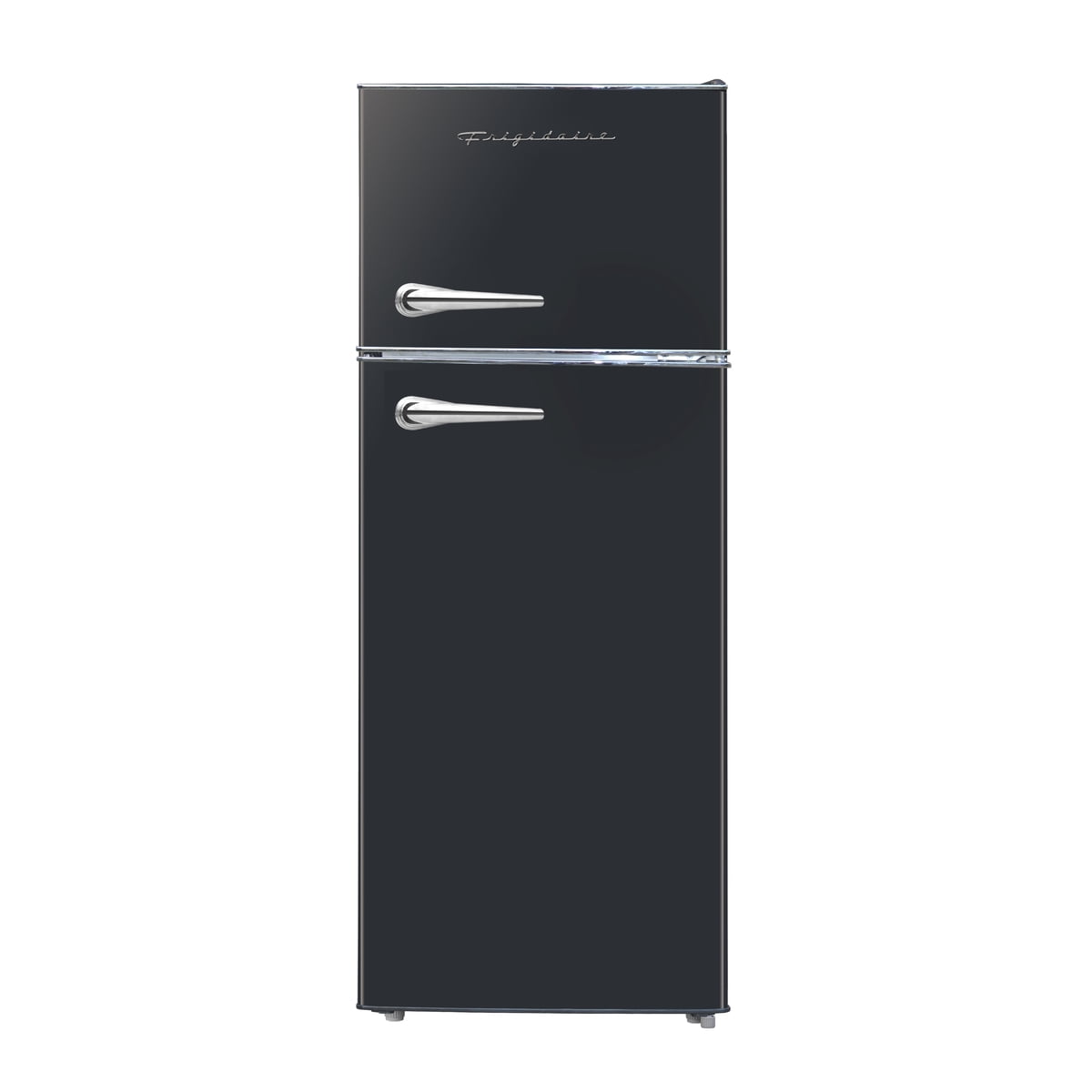
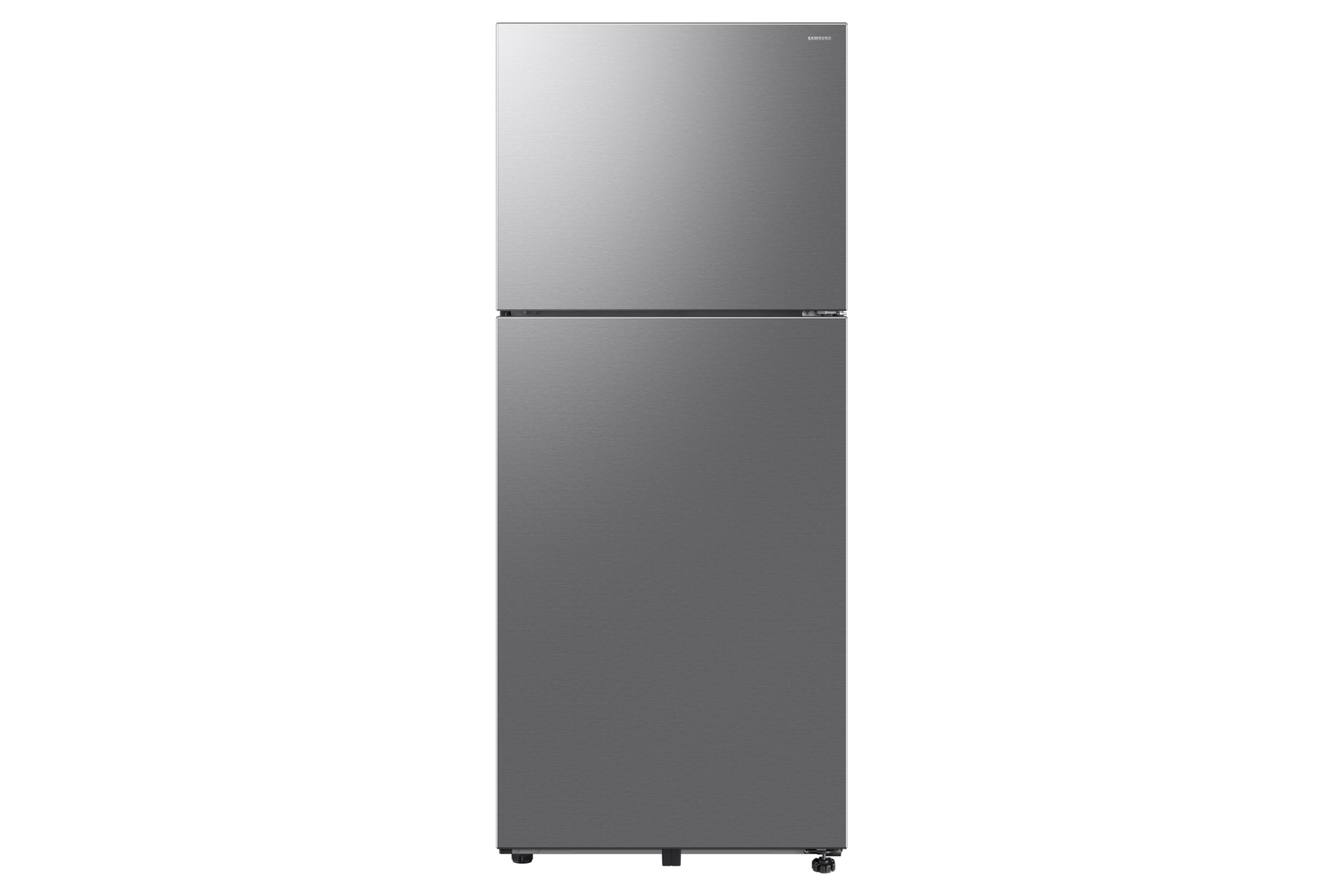
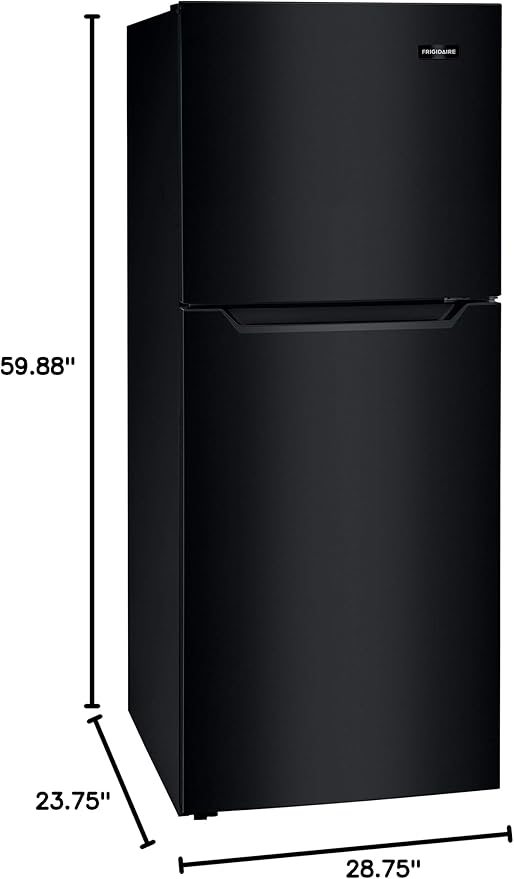
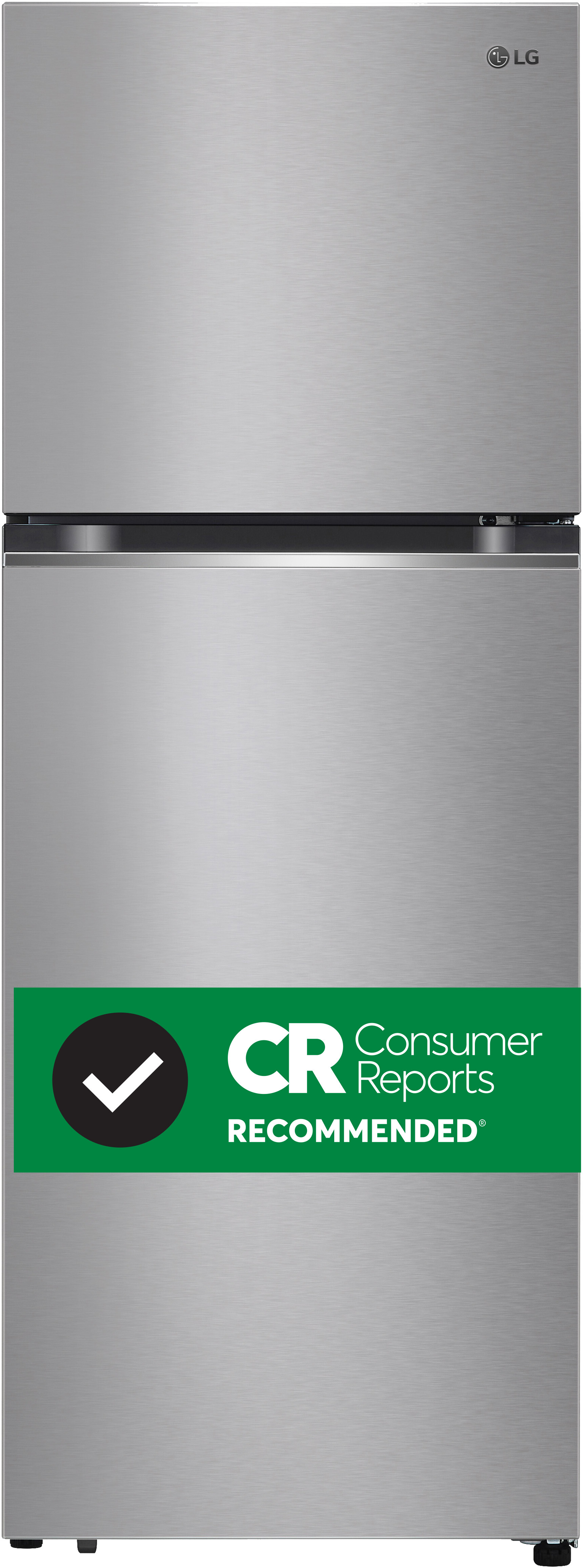
| Top Freezer | 150 - 250 |
| Bottom Freezer | 200 - 300 |
| Side-by-Side | 250 - 350 |
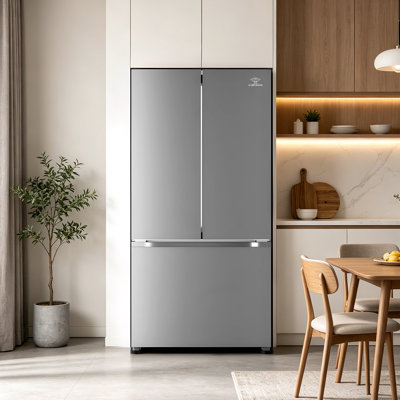
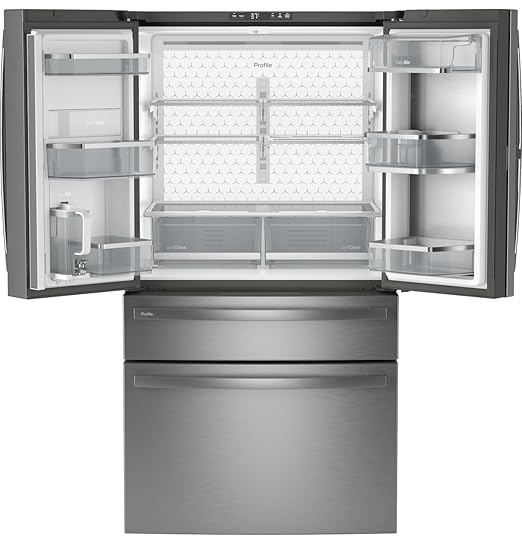
| French Door | 250 - 400 |
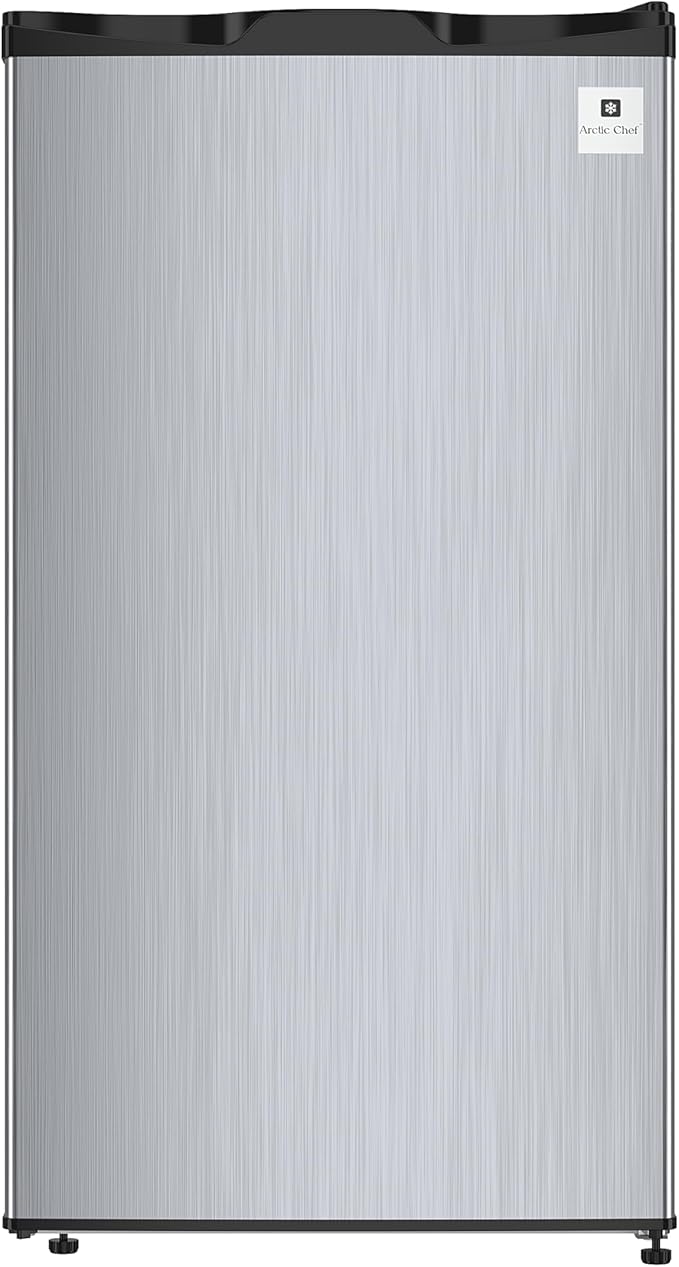
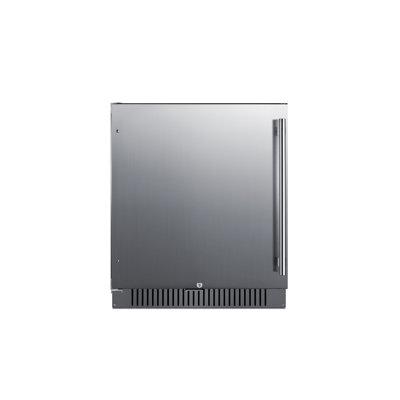
| Compact | 75 - 150 |
Moving and Transporting Your Fridge
If you're on the move with your fridge, knowing its weight is key to keeping things safe. A hefty fridge needs the right gear and know-how to avoid any mishaps.
Here's what to keep in mind when you're moving your fridge:
- Equipment: Grab a dolly or appliance cart that's up for the job. It'll make squeezing through doorways and getting up ramps a breeze.
- Helpers: Call in some reinforcements. A few extra hands can help spread the load and keep things safe.
- Preparation: Clear out the fridge before you move it. It'll lighten the load and keep your food from going on a wild ride.
For more tips on safely moving your fridge, check out our article on straightening curly hair.
By getting to know your fridge's weight, you can make setting up and moving it a whole lot easier, turning your kitchen into a happier place.
Average Fridge Weight
Knowing how much a fridge weighs can be a game-changer when you're buying or moving one. Different fridges have different weights, and it all boils down to their size and what bells and whistles they come with.
Typical Weight Range for Different Types of Fridges
Fridges come in all shapes and sizes, and so do their weights. Here's a quick look at what you can expect from different fridge styles:
| Fridge Type | Average Weight (lbs) |
|---|---|
| Compact Refrigerator | 50 - 100 |
| Top Freezer Refrigerator | 150 - 250 |
| Bottom Freezer Refrigerator | 200 - 300 |
| Side-by-Side Refrigerator | 250 - 350 |
| French Door Refrigerator | 300 - 400 |
These numbers can help you figure out which fridge fits your space and lifestyle. Whether you're squeezing a compact fridge into a tiny kitchen or going big for those epic dinner parties, knowing the weight is key for planning.
Variations in Weight Based on Features
The weight of a fridge isn't just about its size. Extra features can tip the scales too. Here's how some common add-ons can change the weight:
| Feature | Weight Impact |
|---|---|
| Ice Maker | +10 - 30 lbs |
| Water Dispenser | +5 - 15 lbs |
| Stainless Steel Finish | +10 - 20 lbs |
| Smart Technology | +5 - 15 lbs |
| Extra Shelving or Drawers | +5 - 10 lbs |
Think about how these features match up with your daily life. If you're the go-to host for parties, an ice maker might be a must-have, but remember, it'll add some pounds to your fridge.
Getting a handle on fridge weight is crucial for setting it up and moving it around. If you're looking for more handy tips, check out our article on how to store potatoes in the fridge for some cool advice.
Tips for Handling Fridge Weight
Moving or setting up a fridge can feel like wrestling a bear, especially when you think about how heavy it is. But don't sweat it! Here are some handy tips to make sure you handle your fridge like a pro.
Preparing Your Space
Before you even think about moving that fridge, get the area ready where it's gonna live. Here's what you need to do:
- Clear the Path: Get rid of anything in the way, like furniture or knick-knacks, so you have a clear runway for the fridge.
- Measure Doorways and Hallways: Make sure the fridge can squeeze through all the doorways and hallways. Measure the fridge and compare it to your entry points.
- Plan for Electrical Outlets: Check if there's a plug nearby where the fridge will sit. It'll save you a headache when it's time to plug it in.

| Task | Description |
|---|---|
| Clear the Path | Move stuff out of the way for a clear path. |

| Measure Doorways | Make sure the fridge fits through all doors. |
| Plan for Outlets | Ensure there's a plug nearby. |
Safety Precautions When Moving a Fridge
Safety first, folks! When you're dealing with heavy stuff like a fridge, keep these tips in mind:
- Use Proper Equipment: Grab a dolly or appliance cart to help move the fridge. It'll save your back and make things smoother.
- Get Help: Don't be a hero—get at least one other person to help you out. It's safer and makes handling the weight easier.
- Secure the Doors: Tape those fridge doors shut before moving it, so they don't swing open and cause chaos.
- Lift with Your Legs: When you lift, bend your knees and keep your back straight. This way, you won't end up with a sore back.
| Safety Tip | Description |
|---|---|
| Use Equipment | Use a dolly or cart for easier moving. |
| Get Help | Have someone help with the heavy lifting. |
| Secure Doors | Tape doors shut to keep them closed. |
| Lift Properly | Bend your knees to avoid back pain. |
By getting your space ready and keeping safety in mind, you'll handle that fridge like a champ. For more cool tips on keeping your fridge in top shape, check out our article on storing chicken and waffles in the freezer: a how to guide.
Maintenance and Care
Keeping your fridge in tip-top shape is key to making it last and work like a charm. A little TLC goes a long way, and it starts with how you load it up and keep it clean. Here's the lowdown on keeping your fridge happy.
Distributing Weight Inside the Fridge
How you stash your groceries can make a big difference in how well your fridge runs. Here's a cheat sheet for where to put stuff:
| Item Type | Best Spot |
|---|---|
| Heavy items | Bottom shelves |
| Medium items | Middle shelves |
| Light items | Top shelves |
| Liquids | Upright or in the door |
| Produce | Crisper drawers |
Don't go cramming everything onto one shelf. That can mess with the cooling and put too much pressure on the shelves. Keep the heavy stuff low to avoid any shelf disasters.
Cleaning and Maintaining Your Fridge
A clean fridge is a happy fridge. Here's how to keep it spick and span:
- Empty the Fridge: Take everything out, check those expiration dates, and toss anything that's past its prime.
- Clean Shelves and Drawers: Grab some warm water and mild soap to wipe down all the surfaces. Got stubborn stains? A little baking soda paste should do the trick.
- Check the Drip Pan: If your fridge has a drip pan, give it a regular clean to keep smells and mold at bay.
- Maintain the Door Seals: Look over the rubber seals around the door for any cracks or tears. Clean them with warm, soapy water to keep that seal tight.
- Organize Regularly: Keep things tidy so you can find what you need and avoid spoilage. Clear containers can help with the little stuff.
Want more fridge-cleaning hacks? Check out our article on monday fridge cleanout. Regular upkeep not only keeps your food fresh but also helps your fridge live a long, happy life.