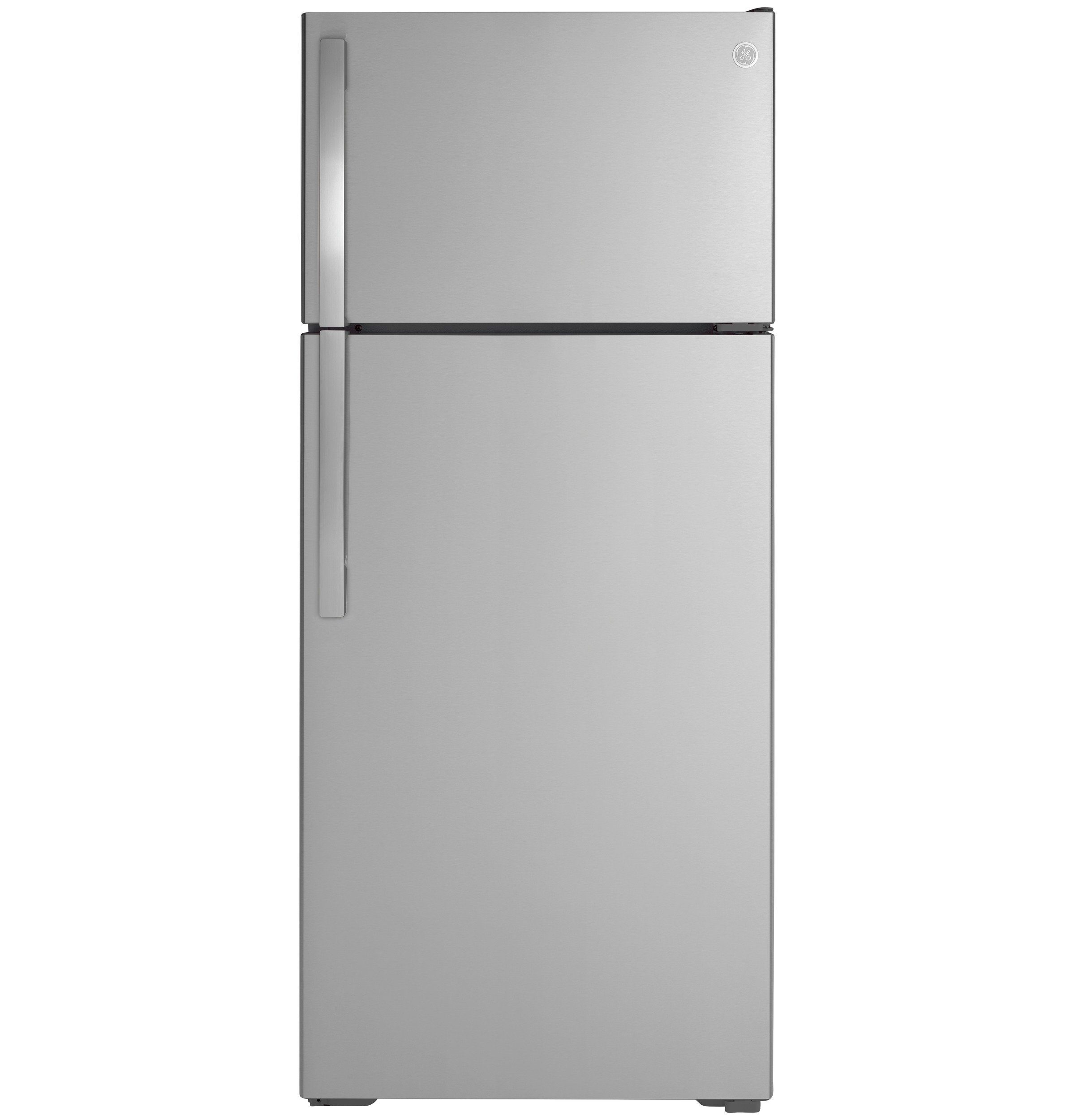
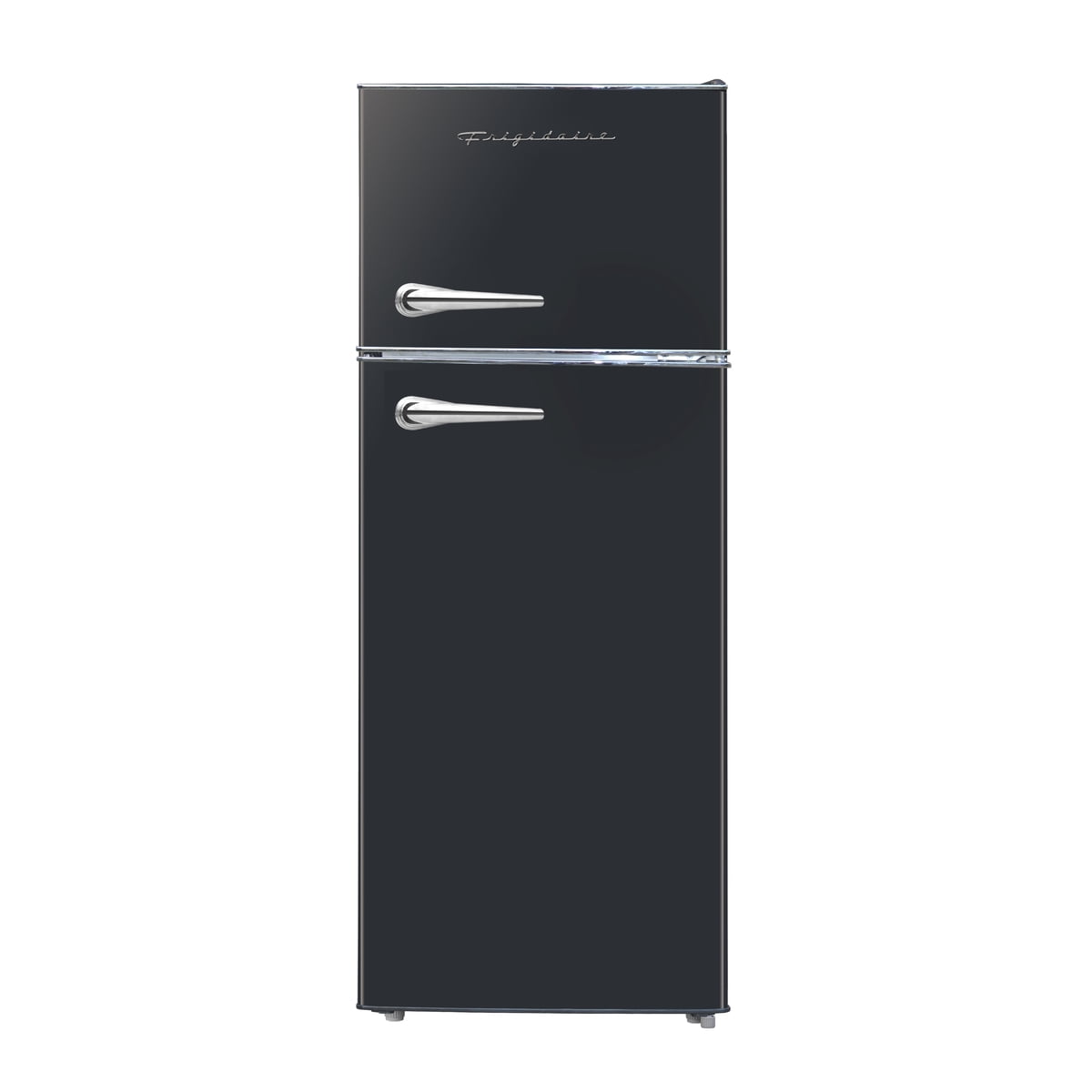
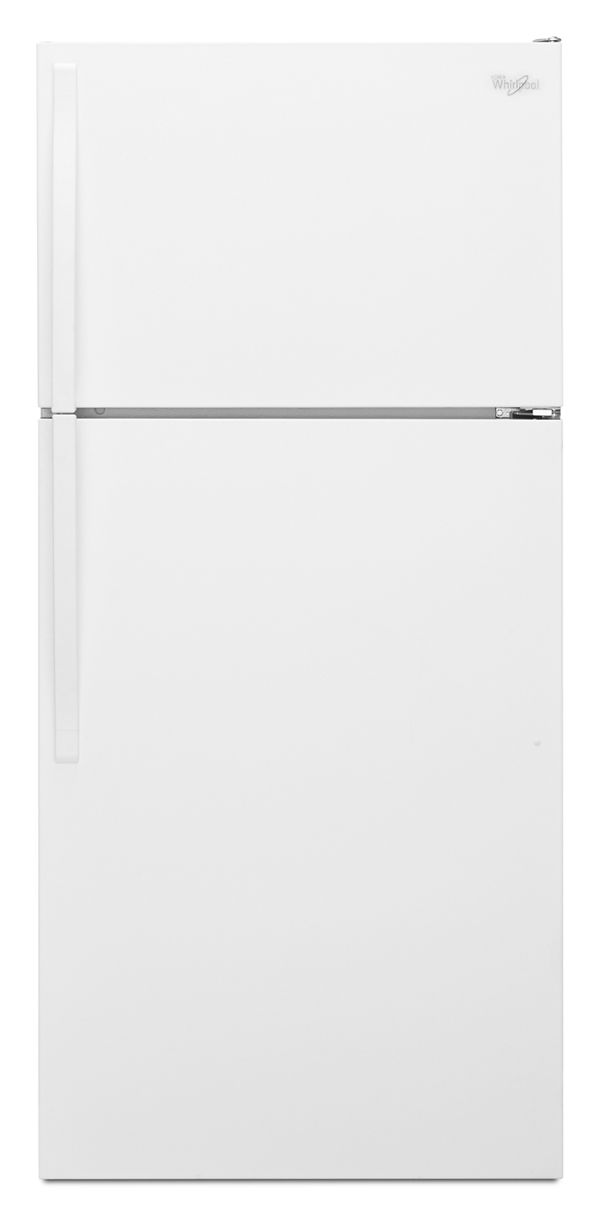
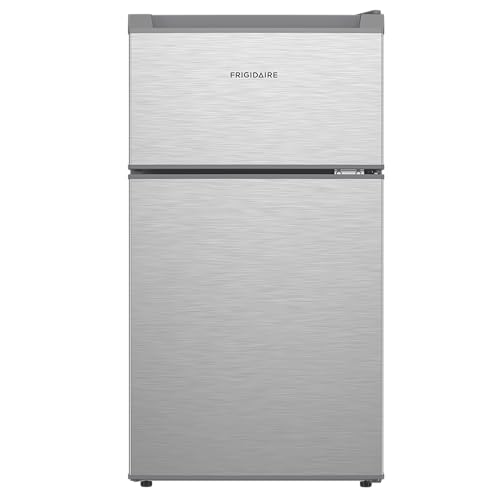
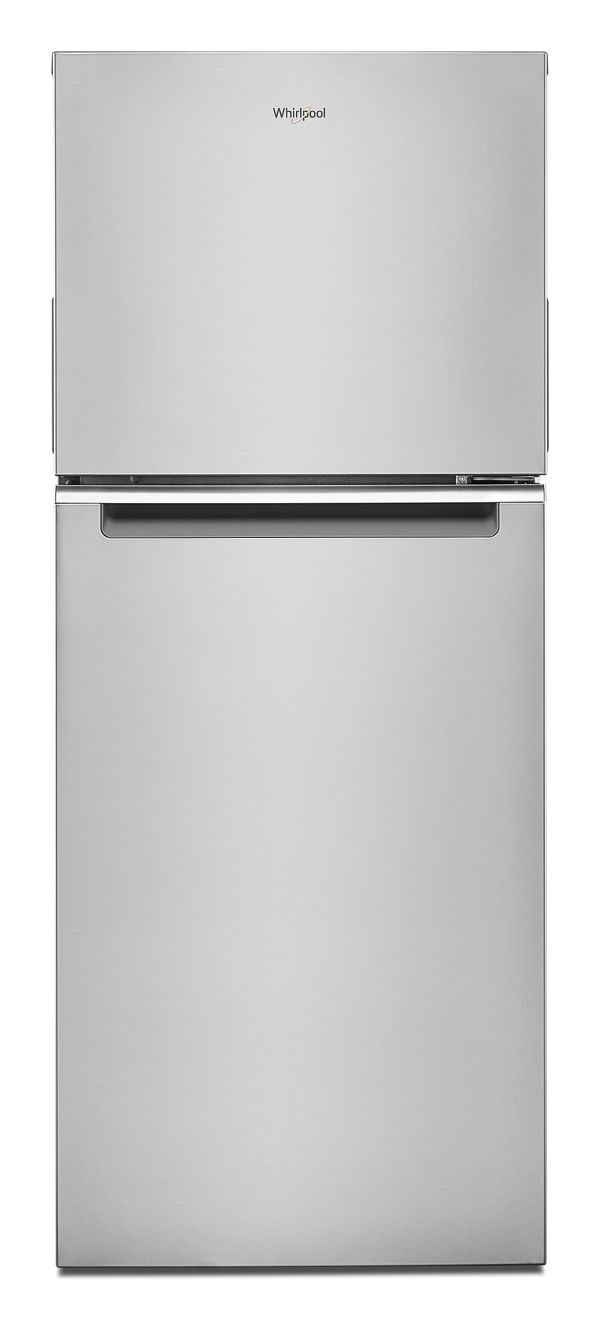
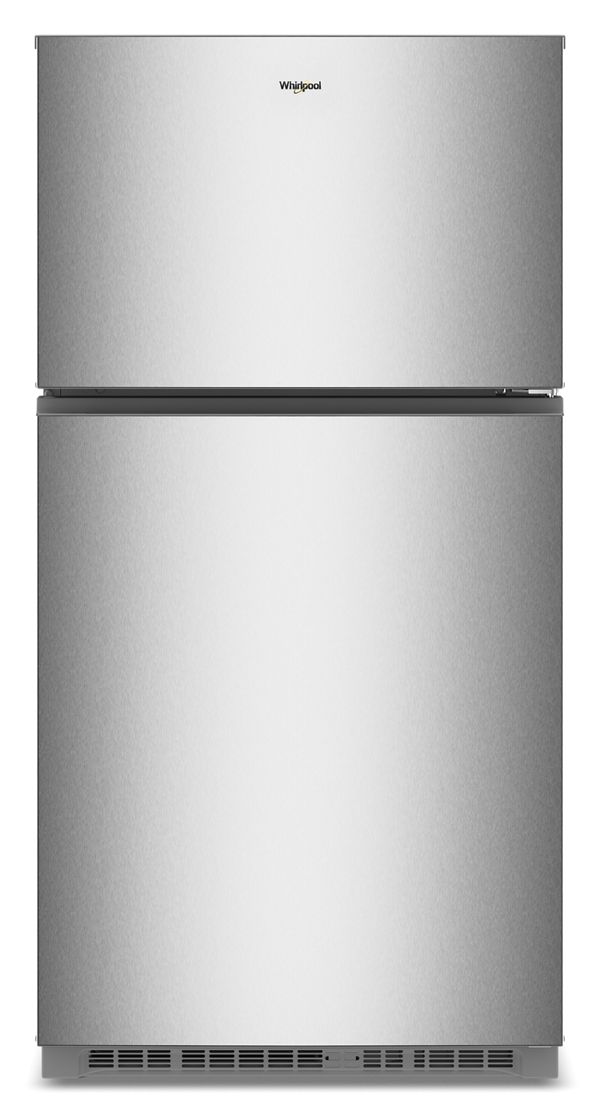
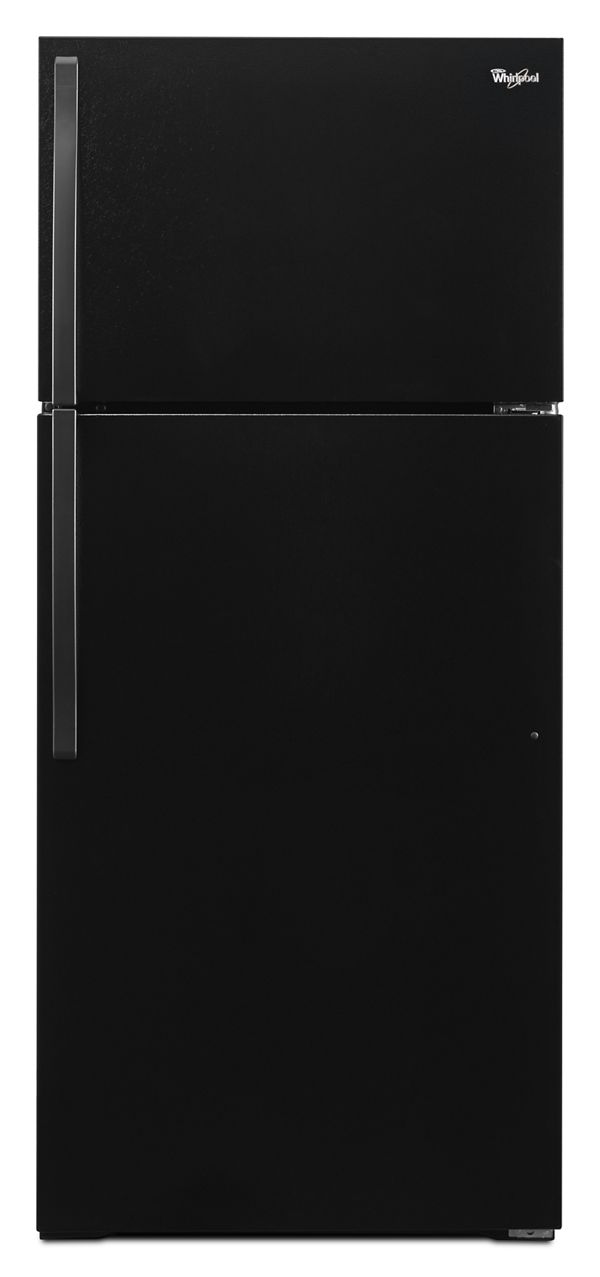
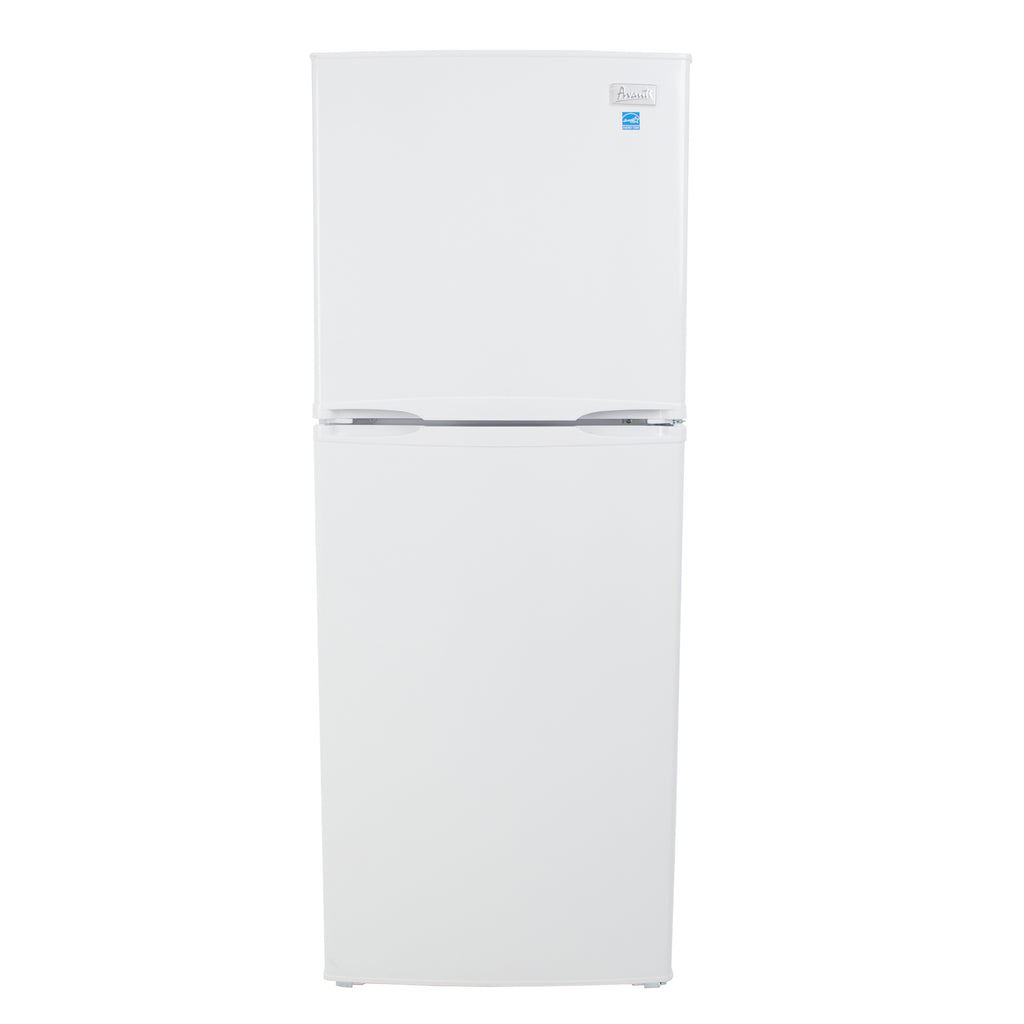
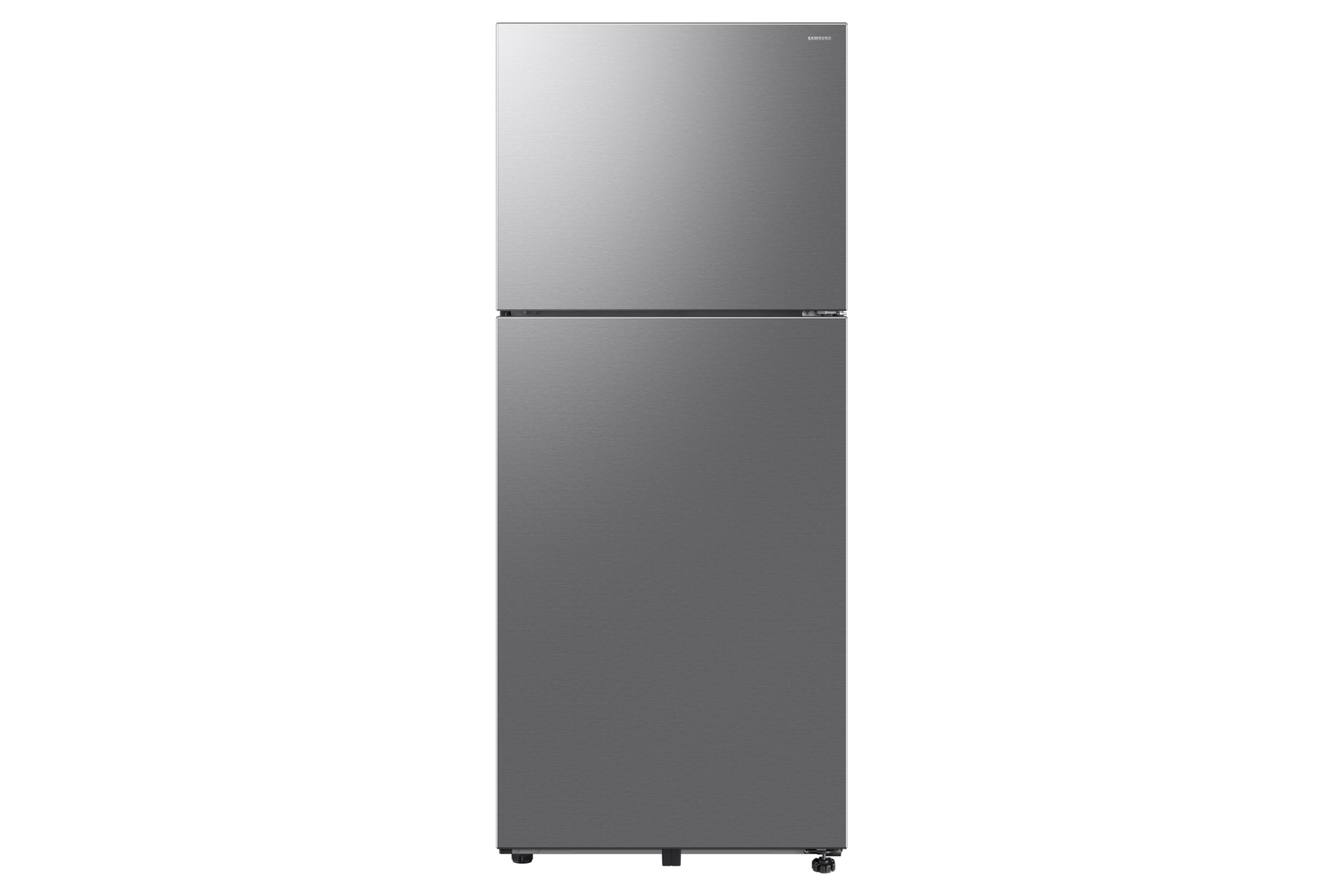
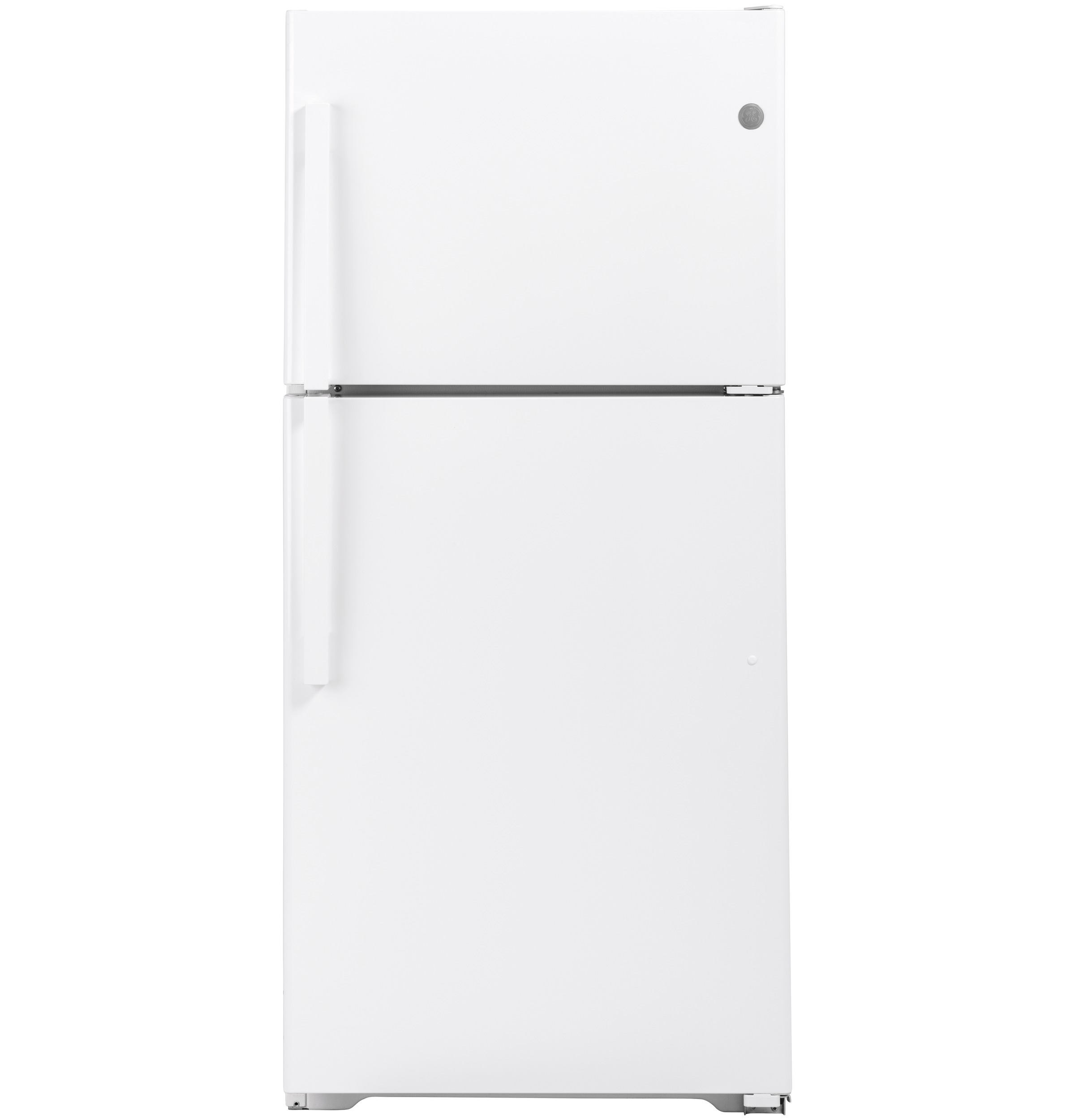
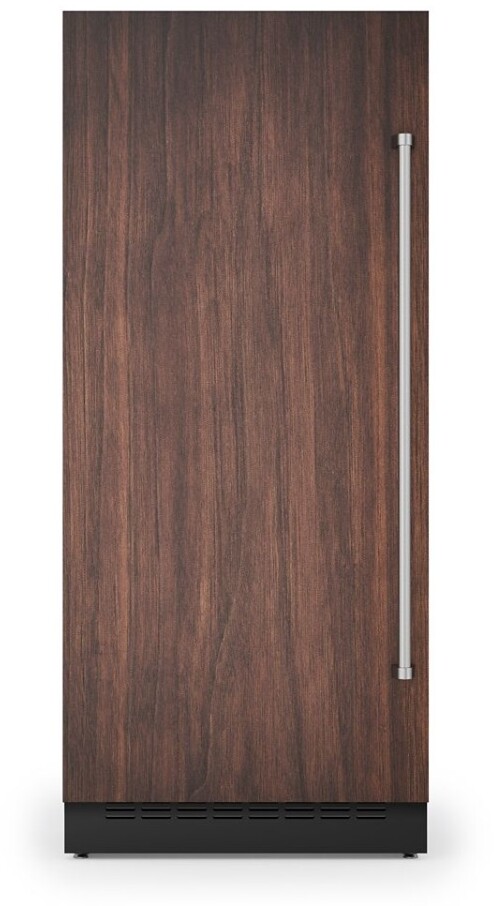
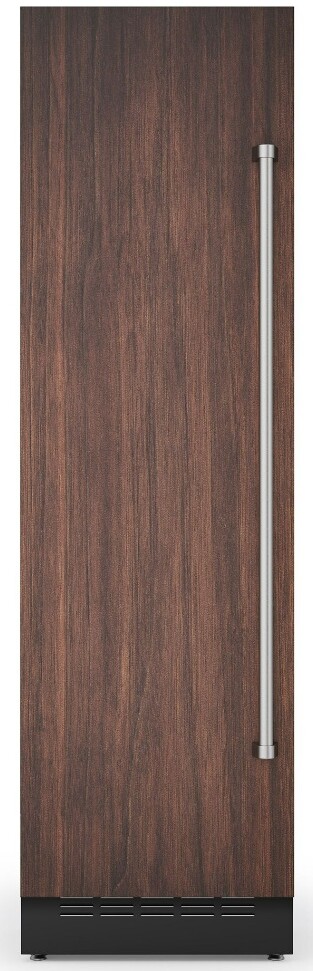
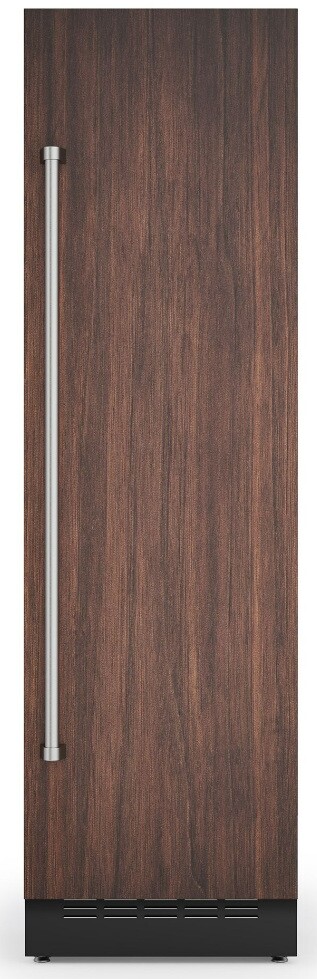
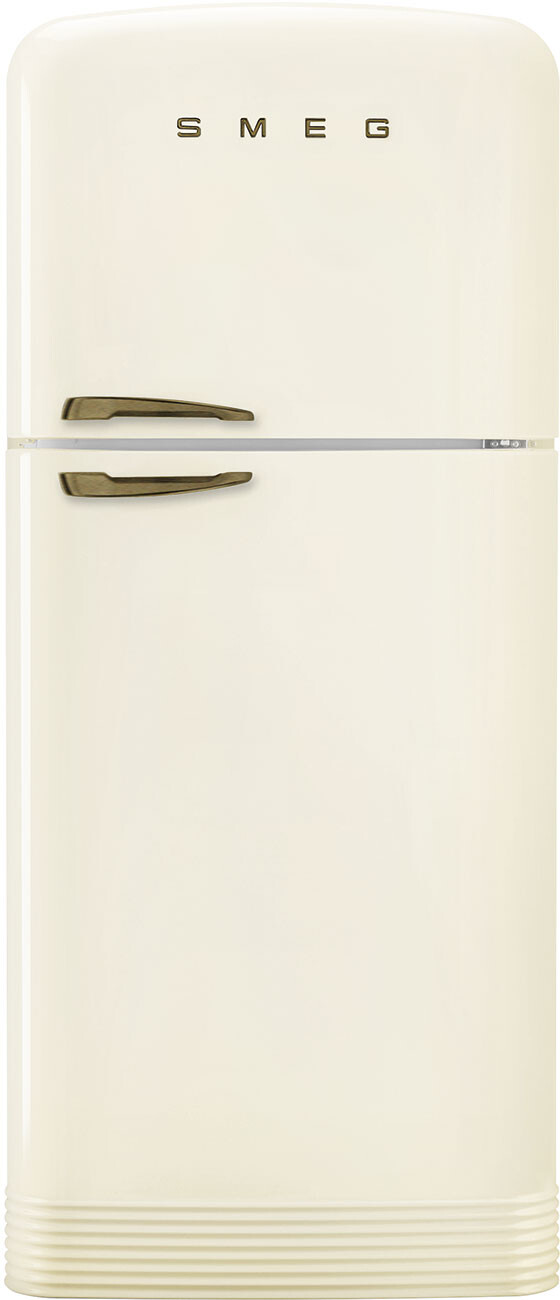
Freezers are designed to keep food at temperatures at or below 0°F (-18°C), which is the ideal range for long-term storage of frozen goods.
When you're evaluating the differences between a countertop freezer and an upright refrigerator, size and capacity are among the most important considerations.
When you're in the market for a new appliance to keep your food and drinks chilled, understanding your specific cooling needs is paramount. Do you need a solution for a tight space like an office or a small kitchen, or are you looking for additional freezing capacity? Maybe your requirements are for entertaining or for special items that need to be kept at precise temperatures. Each scenario could lead you towards a countertop freezer or an upright refrigerator. Knowing what you need in terms of cooling, space, and functionality will guide your decision-making process.
Factors to Consider When Choosing Between a Countertop Freezer and Upright Refrigerator
Selecting the right appliance requires careful consideration of several factors. Here are some points to ponder as you decide between a countertop freezer and an upright refrigerator:
Size and Space: How much room do you have available for your new appliance? Countertop freezers are compact and can fit in smaller areas, whereas upright refrigerators often require more space.
Storage Capacity: What volume of items do you need to store? Upright refrigerators typically offer more space and different sections for varied storage needs.
Use Case: Are you looking to keep items frozen or just cool? Your answer will determine whether the freezing capability of a countertop freezer is necessary, or if the refrigeration of an upright unit will suffice.
Accessibility: Consider how often you'll need to access the contents. Upright refrigerators generally allow easier access to items without the need to bend over, which might be a consideration for ergonomic reasons.
Energy Efficiency: How concerned are you with energy consumption? It is important to compare the energy use of both options, as this will affect your utility bills and environmental footprint.
Mobility: Do you need the ability to move the appliance easily? Countertop freezers offer more portability compared to their upright counterparts.
Maintenance: Think about the effort required to clean and maintain the appliance. Some models have features that make defrosting and cleaning more convenient.
Budget: How much are you willing to invest initially, and what are the anticipated operating costs? Upright refrigerators might have a higher upfront cost but potentially lower long-term operating expenses due to energy efficiency.
When you're evaluating the differences between a countertop freezer and an upright refrigerator, size and capacity are among the most important considerations. These factors not only impact the amount of food you can store but also how the appliance will fit into your living space.
Assessing Your Space
Before making a decision, assess the physical space where you plan to place your appliance. Measure the height, width, and depth of the area to ensure a proper fit. For tight spaces, a compact countertop freezer might be the best solution, while an upright refrigerator may be more suitable for larger areas. Remember, you should also consider the clearance needed for opening doors and adequate ventilation.
Appliance Type
Average Width
Average Depth
Average Height
Countertop Freezer
24 inches
24 inches
34 inches
Upright Refrigerator
28 inches
32 inches
67 inches
Determining Your Storage Needs
Your storage needs will dictate the capacity required. Think about your shopping habits, the size of your household, and how often you entertain. If you frequently stock up on frozen goods, a larger freezer compartment might be necessary. On the other hand, if fresh food storage is a priority, the refrigeration space an upright model offers will be more beneficial.
Consider the organization and layout of the interior. Shelves, drawers, and door bins can maximize storage efficiency and help you keep track of your inventory. For specific comparisons of capacity and organizational features, you might find it useful to explore articles like reach in freezer vs. undercounter refrigerator or built-in freezer vs. freezerless refrigerator.
Appliance Type
Average Capacity
Countertop Freezer
1.5 - 2.5 cubic feet
Upright Refrigerator
18 - 25 cubic feet
By carefully considering both the space available and your storage needs, you can make an informed decision between a countertop freezer and an upright refrigerator that suits your lifestyle. Whether you're living in a compact urban apartment or a spacious suburban home, there's an option that will align with your requirements for refrigeration and freezing.
When comparing a countertop freezer to an upright refrigerator, functionality, and features become pivotal points of consideration. Your decision should factor in how these appliances perform under daily use and the convenience they offer in organizing and accessing your food items.
Cooling Performance
The cooling performance of both countertop freezers and upright refrigerators is essential for preserving the freshness and nutritional value of your food. Freezers are designed to keep food at temperatures at or below 0°F (-18°C), which is the ideal range for long-term storage of frozen goods. Upright refrigerators, on the other hand, maintain a temperature range of 35°F to 38°F (1.7°C to 3.3°C), suitable for keeping perishable items like fruits, vegetables, dairy, and meat fresh for daily consumption.
Appliance Type
Ideal Temperature Range
Countertop Freezer
0°F or below (-18°C or below)
Upright Refrigerator
35°F to 38°F (1.7°C to 3.3°C)
Both types of appliances may come with adjustable temperature controls, allowing you to fine-tune the internal climate based on your specific storage requirements. For more information on how to select the right settings for different food types, you can read about reach in freezer vs. undercounter refrigerator and built in refrigerator vs. mini fridge with freezer.
Organization and Accessibility
The way you organize and access your food greatly depends on the features provided by your appliance. Countertop freezers typically offer a compact space, which can be useful for storing smaller items or bulk-bought frozen goods. They may include removable shelves or bins to help categorize and separate different types of food.
Upright refrigerators, with their larger size, often feature multiple shelves, drawers, and door bins, providing a more comprehensive solution for organizing a variety of food items. Some models include adjustable shelving, allowing you to customize the interior layout to accommodate larger or irregularly shaped items.
Here's a quick overview of organizational features you might find:
Feature
Countertop Freezer
Upright Refrigerator
Shelves/Bins
Often removable
Often adjustable
Drawers
Less common
Common, for fruits and vegetables
Door Bins
Fewer
Multiple, for condiments and drinks
For those seeking specialized storage solutions, additional features such as built-in ice makers, water dispensers, or zones with different humidity settings can be found in various upright refrigerator models. These features enhance the functionality of your appliance, making it easier to keep your food organized and accessible while also offering conveniences that support your lifestyle.
When considering these aspects, reflect on how you use your appliance daily and what features will make your experience more efficient and enjoyable. Whether you're storing frozen treats, meal-prepping for the week, or keeping fresh produce at hand, the right appliance will cater to your specific needs and habits. If you're interested in exploring further comparisons of refrigeration features, take a look at articles such as french door refrigerator vs. mini fridge freezer and portable refrigerator vs. silver side by side refrigerator.
When considering the purchase of a cooling appliance, energy efficiency is a key factor. Not only does it affect your utility bills, but it also impacts the environment. Comparing the energy consumption of a countertop freezer to that of an upright refrigerator is essential to making an informed decision.
Comparing Energy Consumption
The energy consumption of a cooling appliance is typically measured in kilowatt-hours (kWh). Smaller appliances, like a countertop freezer, often use less electricity due to their compact size and reduced insulation area. Upright refrigerators, though larger, may feature more efficient technology that compensates for their size.
Here's a table that provides a general idea of the average annual energy consumption for both:
Appliance Type
Average Annual Energy Consumption (kWh)
Countertop Freezer
200 - 300
Upright Refrigerator
400 - 800
To compare specific models, you should look at the Energy Guide labels, which provide estimated annual operating costs and energy consumption. Remember to consider the total cost of ownership, including both the initial purchase price and the ongoing operating costs. For more information, explore Fridge.com comparison between a reach in freezer vs. undercounter refrigerator.
Environmental Impact
The environmental impact of a cooling appliance goes beyond its energy consumption. It includes the global warming potential (GWP) of the refrigerants used and the energy source powering the appliance. Appliances with lower energy consumption and environmentally friendly refrigerants, like hydrofluoroolefins (HFOs), have a smaller carbon footprint.
Additionally, energy-efficient models may be part of programs like ENERGY STAR, which certifies appliances that meet certain energy efficiency criteria. Choosing an ENERGY STAR-certified appliance can lead to energy savings and contribute to the reduction of greenhouse gas emissions.
To further minimize your environmental impact, consider the following:
Opt for models with recyclable materials.
Properly recycle your old appliance.
Use renewable energy sources if possible.
In sum, energy efficiency should be a crucial element in your decision-making process when weighing a countertop freezer against an upright refrigerator. Not only will you benefit from lower operating costs, but you will also be doing your part to protect the environment. For comparisons of other cooling appliances and their energy efficiency, check out Fridge.com articles on built in freezer vs. freezerless refrigerator and french door refrigerator vs. fridge freezer.
Installation and Placement
When deciding between a countertop freezer and an upright refrigerator, it's imperative to consider the space you have available and the flexibility you need in your home or office. Proper installation and strategic placement are key to maximizing the efficiency and accessibility of your cooling appliance.
Space Requirements
The space you have at hand will largely dictate whether a countertop freezer or upright refrigerator is more suitable for your environment. Countertop freezers are designed to be compact, making them ideal for spaces with limited square footage, such as small apartments, offices, or tiny homes. On the other hand, upright refrigerators typically require more vertical space and are better suited for larger kitchens or utility rooms.
When measuring your space, consider not only the footprint of the appliance but also the clearance needed for ventilation, doors to open fully, and ease of access. Here is a basic guide for the dimensions you might expect for each type:
Appliance Type
Average Width
Average Depth
Average Height
Countertop Freezer
20 - 24 inches
20 - 25 inches
20 - 32 inches
Upright Refrigerator
28 - 36 inches
25 - 32 inches
60 - 72 inches
Before finalizing your decision, ensure that the chosen appliance can be easily transported through doorways and into its intended space without obstruction. For further considerations on fitting appliances into unique spaces, you might find Fridge.com comparisons on bar fridge vs. deep freezer or drawer fridge freezer vs. stainless steel refrigerator insightful.
Mobility and Flexibility
Mobility can be a significant factor if you foresee the need to move your appliance frequently. Countertop freezers generally offer greater portability due to their smaller size and lighter weight, providing flexibility to relocate as needed—perfect for mobile homes or seasonal cabins.
Upright refrigerators, while less mobile due to their size and weight, often come with adjustable feet or wheels to aid in placement and leveling. This feature can be particularly useful in garages, basements, or environments where the floor may not be perfectly even.
When considering installation and placement, also think about the proximity to power sources and the type of flooring, as these factors will affect your appliance's performance and safety. For those living in rental properties or non-permanent homes, portable refrigerator vs. silver side by side refrigerator provides an excellent comparison of transportable options.
Selecting the right cooling appliance requires careful consideration of both space requirements and mobility. By assessing your specific needs and constraints, you can ensure a seamless integration of a countertop freezer or upright refrigerator into your living or working space.
Maintaining and cleaning your cooling appliances are essential for their longevity and performance. Proper care can prevent the build-up of ice, bacteria, and odors, and ensure the efficiency of your countertop freezer or upright refrigerator.
Cleaning and Defrosting
Countertop Freezer: Regular defrosting is necessary for a manual-defrost countertop freezer, as ice buildup can reduce the unit's efficiency and usable space. To defrost, you'll need to remove all items, switch off the power, and let the ice melt naturally. For cleaning, use a mild detergent and warm water to wipe the interior. Rinse with clean water and dry thoroughly before switching the freezer back on.
Upright Refrigerator: Most modern upright refrigerators come with auto-defrost features, which means less hassle for you. However, they still require periodic cleaning. Unplug the refrigerator, remove all contents and shelves, and clean the interior with a mixture of baking soda and water. For the exterior, use a soft cloth and an appropriate cleaner for the finish of your fridge.
Defrosting Frequency Table:
Appliance Type
Recommended Defrosting Frequency
Countertop Freezer
Every 3-6 months
Upright Refrigerator
As needed (auto-defrost)
For more detailed guidance on defrosting and cleaning specifics, you may want to look at articles like auto defrost freezer vs. beverage cooler or upright refrigerator vs. undercounter refrigerator.
Long-Term Durability
Both countertop freezers and upright refrigerators are designed to last, but their longevity will depend on how well they are maintained. Here are a few tips to ensure the durability of your appliance:
Regular Cleaning: Keep your appliance clean and free from spills and stains. This prevents the growth of mold and mildew.
Gasket Seal: Check the door seal regularly for any signs of wear and tear. A broken seal can lead to energy loss and reduced cooling efficiency.
Ventilation: Ensure there's enough space around your appliance for proper air circulation, which helps in cooling and reduces the workload on the compressor.
Professional Servicing: Have your appliance checked by a professional if you notice any irregularities in its performance.
By taking these steps, you can help ensure that your countertop freezer or upright refrigerator remains in good working order for many years. For further reading on maintaining specific types of refrigerators and freezers, consider exploring comparisons like french door refrigerator vs. fridge freezer or compact freezer vs. small deep freezer.
When deciding between a countertop freezer and an upright refrigerator, it’s important to evaluate the costs involved. This includes both the initial investment and the operating costs over time. These costs can have a significant impact on your budget and should align with your financial planning.
Initial Investment
The upfront cost for a countertop freezer or an upright refrigerator will vary depending on the size, brand, and features. Generally, a basic model of a countertop freezer might be less expensive than a full-size upright refrigerator due to its smaller size and capacity.
Appliance Type
Price Range
Countertop Freezer
$100 - $400
Upright Refrigerator
$400 - $2,000+
It's important to consider not only the purchase price but also the value you get in terms of durability and functionality. A higher initial cost might be justified if the appliance meets your specific needs and has a longer lifespan. For comparisons between different refrigerator types, you might find Fridge.com article on reach in freezer vs. undercounter refrigerator helpful.
Operating Costs
The operating costs for a freezer or refrigerator include energy consumption, maintenance, and potential repairs. Energy efficiency is a key factor, as it directly affects your electricity bills. Look for appliances with a high Energy Star rating to ensure you are choosing an energy-efficient option.
Appliance Type
Average Annual Energy Cost
Countertop Freezer
$20 - $50
Upright Refrigerator
$50 - $150
Note that these costs can vary based on usage patterns and local electricity rates. To minimize operating costs, consider the efficiency of the appliance, proper maintenance, and usage habits. Fridge.com articles on built in refrigerator vs. mini fridge with freezer and garage freezer vs. kegerator discuss energy efficiency in greater detail.
Overall, when it comes to cost considerations, you should assess both the short-term and long-term financial implications of your choice. An initial higher investment in an energy-efficient model could result in lower operating costs, saving you money in the long run. Take the time to evaluate your budget, compare models, and consider how the appliance will serve your needs over its lifetime.
When making a decision between a countertop freezer and an upright refrigerator, you'll want to consider what your specific cooling needs are and how each appliance will fit into your lifestyle and space.
Understanding Your Cooling Needs
Reflect on your daily routine and the types of items you need to store. Do you need more space for frozen goods or are you looking for a place to keep your produce and drinks chilled? This will guide you in determining which appliance is more suitable for your requirements.
Factors to Consider When Choosing Between a Countertop Freezer and Upright Refrigerator
Several factors will influence your choice:
The available space in your home or office
The amount and type of food you need to store
Features that could enhance the functionality for your needs
Energy efficiency and its environmental impact
Installation limitations
Maintenance requirements
Budget and operating costs
Size and Capacity
Assessing Your Space
You'll need to measure the area where you plan to place your appliance. A countertop freezer is compact and can fit in smaller spaces, while an upright refrigerator typically requires more floor space.
Determining Your Storage Needs
Consider the volume of food you plan to store and how you'll organize it. Upright refrigerators generally offer more space and flexibility for various food types.
Check how easy it is to clean the appliance and what the defrosting process entails.
Long-Term Durability
Research the longevity and durability of the appliance to ensure it meets your long-term needs.
Cost Considerations
Initial Investment
Compare the upfront costs of a countertop freezer and an upright refrigerator.
Operating Costs
Consider the long-term operating costs, including energy consumption and maintenance expenses.
By weighing these considerations, you can make an informed decision on whether a countertop freezer or an upright refrigerator is the best fit for your home. Explore the links provided for more comparisons and insights into various refrigerator and freezer options, such as reach in freezer vs. undercounter refrigerator and built in refrigerator vs. mini fridge with freezer, to further assist you in your decision-making process.
Compare prices on Fridge.com
Compare current prices and specifications on Fridge.com, then buy from the retailer you choose; delivery, installation and warranty terms are the retailer’s.
It also has tons of awesome articles about kitchen stuff and home news. Enhance your home, garage, backyard, patio, and office with the coolest essentials. With every necessary type of residential refrigerator or freezer in the collection, you're covered.
From Fridge.com research
Figures below come from data Fridge.com builds and maintains. Each links to the record behind it.
Fridge.com Energy Index, built on U.S. EPA and DOE ENERGY STAR records
Across 5,455 ENERGY STAR certified refrigerators and freezers from 263 brands, median use is 360 kWh per year.