You're probably familiar with commercial refrigeration, especially if you're in the food biz. It's the unsung hero in restaurants, grocery aisles, and everywhere perishable goodies need to be kept chill. Without it, we'd have spoiled milk in cereal and wilted salad nightmares. Yikes! Keeping food at the right temp stops it from turning into a science experiment, keeping it fresh and safe for chomping.
Now, if you're someone who loves to whip up meals at home, mastering commercial refrigeration skills can be your secret weapon. Imagine running a kitchen where nothing goes off before you even get to it. Whether you're juggling the joys and woes of parenting with Instagram or spinning magic on a food blog, good refrigeration keeps your yummy creations from going to waste and makes cooking way easier.
Benefits of Using Commercial Refrigeration
Throwing in some cash for a commercial fridge? It's not just an expense; it’s an investment with a bunch of perks. Let’s spill the beans on what’s in store:
Benefit
What’s in it for you?
Enhanced Food Safety
Keeps germs at bay by keeping things cool.
Longer Shelf Life
Gives your food a fresh-ta-licious vibe for longer times.
Customization Options
Comes in sizes and shapes to fit your life’s quirks.
Improved Organization
Helps you find that mustard jar without a treasure map.
Picking the right commercial fridge isn't just about keeping the ice cream from melting. It's about having your meals and ingredients right where you want them—safe and sorted. For those home hackers, dive into specific styles by checking out how long your saved breast milk holds up in the fridge or how you can banish fridge odors for good.
Types of Commercial Refrigeration Units
Let’s chat about cool storage—literally. If you’re in the game of finding the perfect refrigeration for your foodie kingdom, there are a few chill options to consider. Whether you're kitting out a home kitchen or a bustling restaurant, knowing what’s what will steer you right.
Reach-In Refrigerators
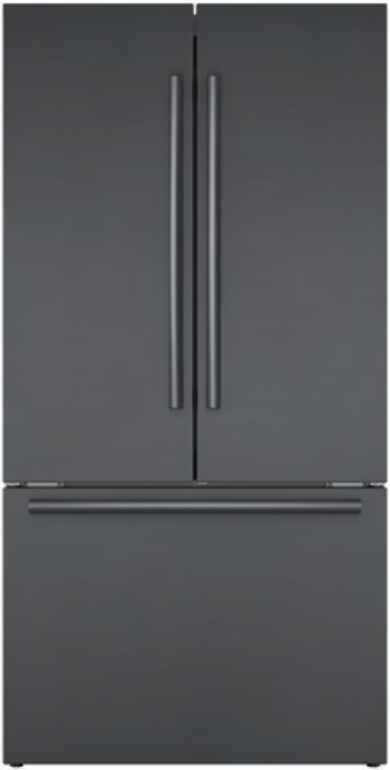
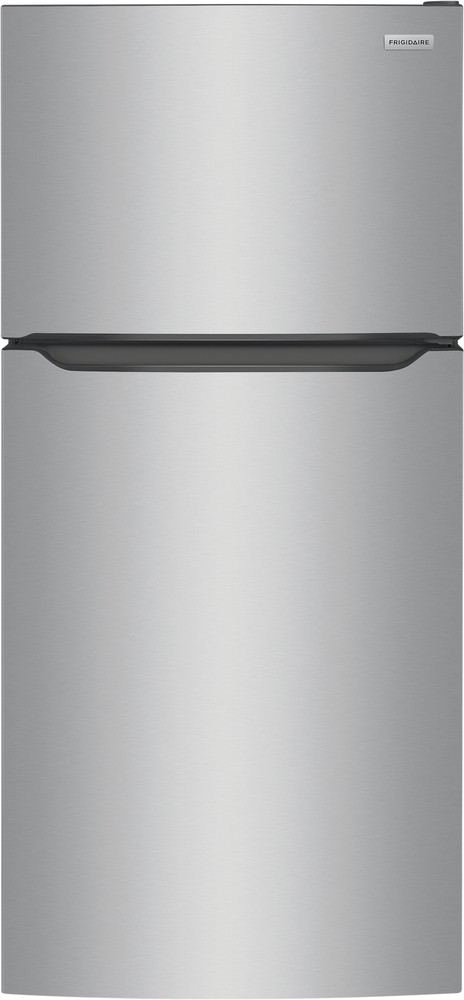
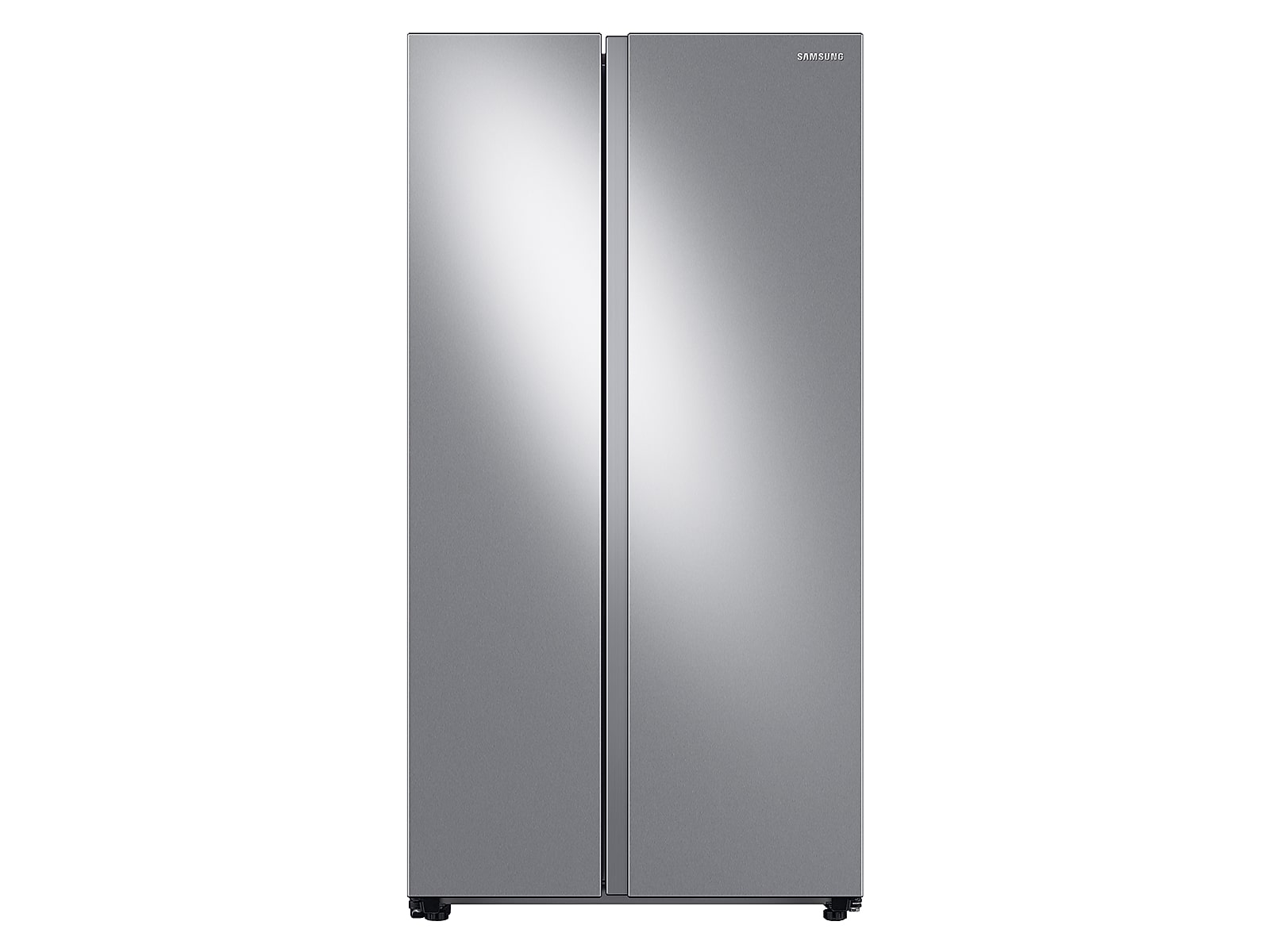
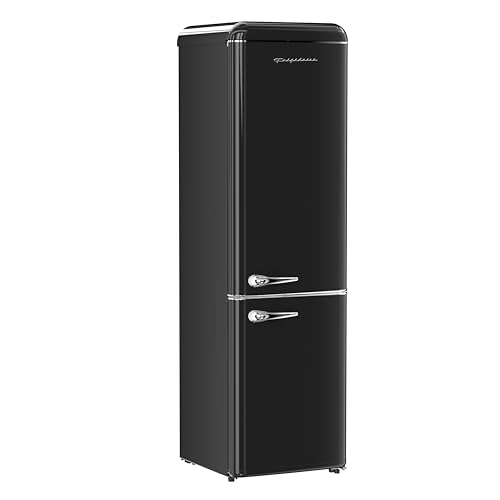
These bad boys are all about ease and snatching goodies without hassle. Usually found chilling in restaurants, cafes, or home kitchens, they’re the compact heroes of the refrigeration crowd. Choose between single, double, or triple doors to suit your space and stuff.
Features
Single Door
Double Door
Triple Door
Width
27 inches
54 inches
81 inches
Average Capacity
12-18 cu ft
20-30 cu ft
30-50 cu ft
Ideal for
Small kitchens, bars
Medium kitchens, diners
Big joints
Perfect for keeping things fresh and reachable, they're a solid choice. Hungry for more tips on efficient food storage? Wander over to refrigerator nearby to peek at our stash of ideas.
Walk-In Coolers and Freezers
When big needs to be mega, walk-in coolers and freezers answer the call. Great for restaurants or caterers with a pile of perishables. Just stroll in and grab what you need—it’s like Narnia, minus the snow queen.
Wanna show off those products with style? Display fridges do just that. With glass fronts that scream "look what we got", they’re ideal for stores, bakeries, or cafes aiming to lure in customers with a peek at their goods.
Features
Vertical Display
Horizontal Display
Depth
24" - 30"
30" - 48"
Capacity
This varies, but think 20-50 cu ft
Also varies, usually 15-30 cu ft
Ideal for
Drinks, desserts
Grab-and-go meals, quick snacks
They bring your offerings into the spotlight, maintaining freshness with flair. Thinking it might be time to snag a new appliance? Check out why should I purchase a beverage cooler? for the lowdown.
Getting to know these different commercial refrigeration units is half the battle. Pick what suits your style best, and keep your goods crisp and handy, ready to satisfy any appetite.
Factors to Consider When Choosing Commercial Refrigeration
Picking out the right commercial fridge ain't just about keeping your grub fresh; it's about making sure your business keeps humming along without a hitch. Let's take a gander at what you need to mull over when choosing a chiller.
Storage Capacity
First things first, think about how much space you really need. These fridges come in all sizes - don't wanna end up cramming stuff in 'cause you picked too small, or paying for more space than you gotta. Take a look at what you're gonna store and let that guide your choice.
Chiller Type
Usual Size (Cubic Feet)
Reach-In Fridges
20 - 30
Walk-In Coolers
300 - 1,200
Display Coolers
15 - 50
Do the math on how much stuff you're gonna stash in there. This way, you land the right size for all your goods. Keeping your fridge close by makes life easier and keeps things organized like a charm.
Energy Efficiency
Bills can skyrocket in a commercial kitchen, especially if your appliances are guzzling power. Hunt for fridges that sip, not gulp. Energy Star ones are usually pretty slick, saving you some bucks while staying solid on performance.
When you're sussing out efficiency, peep these points:
Metric
Why It Matters
Estimated Annual Costs
Gives a heads-up on expenses
Power Use (Watts)
Check to see what's greedy and what ain't
Not only is going green kinder to the planet, but it might earn you some rebates too. Wanna go deeper into penny-pinching? Check out Fridge.com article on the best freezer for homes in Pearl City.
Temperature Control
You can't mess around with keeping your perishables at the right temperature - your reputation's on the line. Make sure the fridge has a good thermostat and controls that won't drive you nuts.
Feature
Perks
Digital Temp Readout
Exact readings at a glance
Different Cooling Zones
Tailor temperatures for various foods
Temperature Alerts
Quick heads-up if things go haywire
Nailing your temperature controls means safer food. Knowing how long food lasts during power outages ain't bad info to tuck at the back of your mind.
Remember all this while fridge shopping, and you can be sure your kitchen will run as smooth as butter, and your food will stay just right.
Maintenance Tips for Commercial Refrigeration
Keeping your commercial refrigeration unit happy and humming is super important for its life and how well it works. Check out these handy tips to keep your fridge in tip-top shape.
Regular Cleaning and Defrosting
Give your fridge some love with a good clean-up. Dust, dirt, and even tiny food bits can pile up and mess with how well it cools. So, it makes sense to give both the inside and outside of your fridge a regular spruce-up.
Don't forget about defrosting either – it's not just for those old-school freezers! A layer of frost can block the airflow and make cooling a hassle. Sticking to a defrost schedule does wonders in avoiding frost overload and keeps things running smoothly.
Cleaning Task
How Often
Inside Cleaning
Every month
Outside Cleaning
Every week
Defrosting
Whenever ice builds up, or a few times a year
Monitoring Temperature Levels
Keep an eye on the inside temps of your fridge for safe and happy food. You want your fridge chilling between 32°F and 40°F. When it comes to freezing, aim for 0°F or colder.
With a temperature monitor, you’re in the driver’s seat. Notice weird changes in temperature? That could be a red flag waving for a check-up by a pro.
Type
Ideal Temperature
Fridge
32°F - 40°F
Freezer
0°F or below
Addressing Issues Promptly
Hear weird noises? Notice the temp's off? Or see puddles where they shouldn’t be? Don’t ignore it. A little hiccup now could turn into a big, expensive headache later.
Frequent check-ins are your best bet. Stay ahead of potential issues by catching them before they're a hassle. For more tips on keeping your fridge fresh and smart buying decisions, read other Fridge.com pieces on keeping your fridge stink-free and why a built-in fridge might be your next buy.
Safety Guidelines for Using Commercial Refrigeration
Taking care can make all the difference when you're dealing with commercial fridges. Whether you're whipping up meals at home or running a bustling kitchen, following these steps can keep your grub safe and your gear running smooth.
Proper Food Storage Practices
Storing food properly is the secret to keeping it fresh and tasty. Here's how you can do it right:
Food Type
Recommended Storage Temperature
Fresh Meat
32°F to 39°F
Poultry
32°F to 39°F
Dairy Products
34°F to 40°F
Vegetables
32°F to 40°F
Condiments
40°F or below
Consistent Temps: Keep an eye on those fridge dials to make sure temps stay where they should.
Label & Date: Stick labels and dates on your food to track its freshness.
Avoid the Jam-Packed Look: Don't stuff the fridge full; it messes with the air flow and cooling.
For cool ideas on fridge organization, mosey on over to Fridge.com article on refrigerator nearby.
Handling and Defrosting Procedures
Defrosting and managing food right keeps the nasties away. Here's your how-to:
Defrost Smart: Always defrost inside the fridge, not out on the counter, to stop bacteria in its tracks.
Clean Handling: Use spanking clean tools and wash those hands before diving into meal prep.
Expiration Vigilante: Chuck any expired stuff pronto to dodge contamination.
Got ice cream on the brain? We got a guide on how to prevent ice cream from spoiling just for you.
Maintenance Safety Precautions
Keeping your fridge in tip-top shape is a must. Here’s your regular check-up plan:
Maintenance Task
Frequency
Clean condenser coils
Every 6 months
Check door seals and gaskets
Monthly
Clean interior surfaces
Weekly
Inspect fans and compressors
Quarterly
Scrub-a-Dub-Dub: Give your fridge a good clean, inside and out, to ward off grime and keep it efficient.
Listen Up: If you hear weird noises or notice temp swings, jump on it. Nipping issues in the bud saves headaches later.
Staff Smart: If you're the boss in the kitchen, make sure everyone knows their stuff about safety and maintenance.
Follow these tips down to a tee, and your commercial fridge will keep performing like a champ, making sure your food is safe and sound for all.
Thinking about giving your commercial refrigeration system a makeover? Knowing when to take the plunge can bump up your efficiency and performance big time.
When to Consider Upgrading
Time for a switch if:
Your chilly friend is over a decade old and keeps calling for repairs.
Temperatures swing like a pendulum, messing up your stock.
Utility bills keep climbing and you're itching for a greener option.
Business is booming and you need more room to chill your goods.
New gizmos and tech could make running your show way smoother.
Modern Features and Technologies
Today's coolers are decked out with some pretty nifty features to tackle modern storage needs. Here’s what you should keep an eye out for:
Feature
Description
Smart Temperature Control
Adjust temps on-the-go with your phone.
Rapid Cooling Technology
Gets things frosty fast, keeping sensitive items safe.
Enhanced Insulation
Keeps the cold in, saving energy and staying steady.
User-Friendly Displays
Quick peeks at temps, alerts, and system health.
These perks make life easier, cut power use, and keep your stock in top shape.
Cost-Benefit Analysis
Before diving into a new system, thinking about the costs and perks is smart. Here’s what to chew over:
Cost Factors
Benefits
Initial Investment
Slash those power bills over time with efficient gear.
Installation Costs
New systems often come with warranties and less hassle.
Downtime During Installation
Reliable units mean fewer hiccups and losses.
Training for Employees
New features boost efficiency and cut waste.
Weigh these factors, so you can see if jumping to a new system fits your game plan. For more tips to get the most out of your refrigeration, check out Fridge.com pieces on refrigerator nearby or the best kid friendly freezer meals for snacks.
From Fridge.com research
Figures below come from data Fridge.com builds and maintains. Each links to the record behind it.
Fridge.com Energy Index, built on U.S. EPA and DOE ENERGY STAR records
Across 5,455 ENERGY STAR certified refrigerators and freezers from 263 brands, median use is 360 kWh per year.