It is the same omega-3 oil that makes them nutritious that also makes careful storage important, since those fats are what go rancid over time.
Unopened, they hold for 1–2 years in a cool, dark pantry; once opened, an unrefrigerated bag is best used within 3–6 months, while the freezer stretches storage to 2–3 years.
An opened bag kept in a cool, dark pantry is best used within 3–6 months.
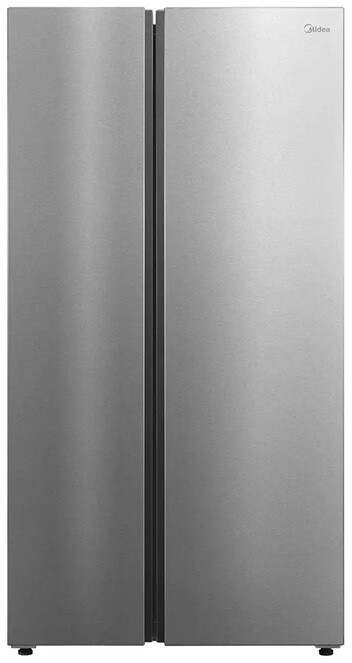
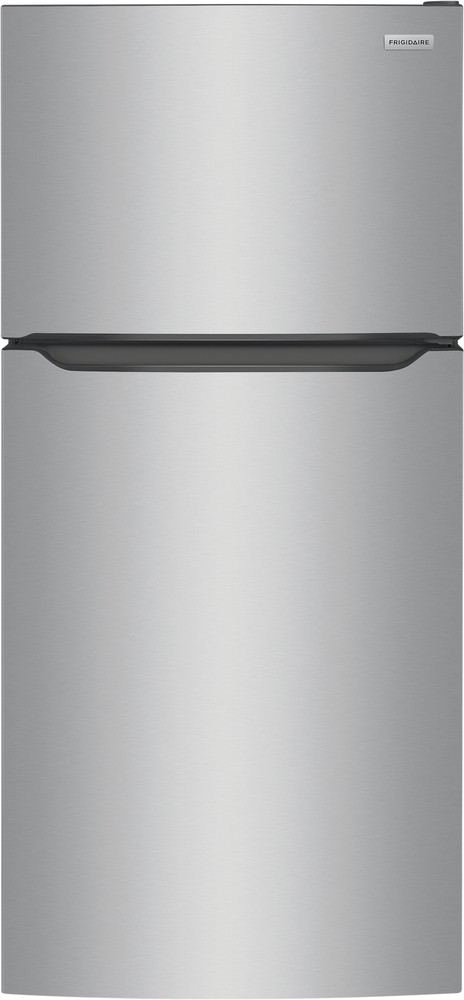
Chia seeds last up to two years in the fridge when kept in a sealed, airtight container, because the cold slows the oxidation of their omega-3 oils that would otherwise turn them rancid.
Chia seeds last up to two years in the fridge when kept in a sealed, airtight container, because the cold slows the oxidation of their omega-3 oils that would otherwise turn them rancid. Unopened, they hold for 1–2 years in a cool, dark pantry; once opened, an unrefrigerated bag is best used within 3–6 months, while the freezer stretches storage to 2–3 years. Soaked chia seeds and chia-seed water are perishable and belong in a covered container in the fridge, judged by smell and texture rather than the calendar.
How Long Do Chia Seeds Last?
Dry chia seeds are shelf-stable, but their high oil content means they slowly go rancid once exposed to heat, light, air, or moisture. Where you keep them, and whether the bag has been opened, makes the biggest difference to how long they stay good.
Storage Location
Unopened
Opened (airtight)
Pantry (cool, dark)
1–2 years
3–6 months
Refrigerator
2+ years
1–2 years
Freezer
2–3 years
2–3 years
The refrigerator roughly doubles the usable life of an opened bag compared with the pantry, because its cold, dark, low-oxygen environment slows the oxidation that turns the seeds bitter. Whichever spot you choose, keep the seeds in an airtight container and check the date of purchase before use.
No—chia seeds do not have to be refrigerated. They are shelf-stable and will keep for a year or two in a sealed container in a cool, dark pantry. Refrigeration is optional, but it is genuinely worthwhile in three situations: after you have opened the bag, if your kitchen runs warm or humid, or if you are buying in bulk and want to stretch the seeds well past a year.
Refrigerating chia seeds offers a few concrete advantages:
The cool environment slows the oxidation process, so the omega-3 oils are far less likely to become rancid.
Sealed cold storage keeps the seeds from attracting pantry pests.
An airtight container in the fridge prevents the seeds from absorbing odors from nearby foods.
Proper storage protects both the flavor and the nutritional value of chia seeds. The goal is simple: keep them cold, dry, dark, and sealed.
Ideal Storage Conditions
To keep chia seeds fresh for as long as possible, store them under these conditions:
Storage Condition
Recommendation
Temperature
32°F to 40°F (0°C to 4°C)
Container
Airtight container
Light Exposure
Minimal to none
Moisture
Low humidity
Each of these factors pulls in one direction: cold and darkness prolong shelf life, while humidity, light, and air exposure shorten it by encouraging mold or rancidity. Seal the container tightly after every use, and keep it toward the back of a dark shelf rather than in the door. For more on storing other staples, see how long does ginger last in the fridge and how long do fries last in the fridge.
Choosing the Right Container
The container matters as much as the location. Choose one that seals tightly to block air, moisture, and odor absorption.
Container Type
Benefits
Glass Jars
Airtight, prevents odor absorption
Plastic Containers
Lightweight, easy to handle
Silicone Bags
Flexible, space-saving
Avoid loosely closed bags or containers that do not seal properly, since these let in the air and moisture that lead to spoilage and lost nutrition.
Where to Store Chia Seeds in the Fridge
Placement inside the fridge affects how long the seeds last. Store them in the main compartment, away from the door, where the temperature is most stable.
Fridge Section
Temperature Stability
Recommended for Chia Seeds
Main Compartment
High
Yes
Door
Low
No
Crisper Drawer
Medium
No
The door swings through the widest temperature swings every time the fridge is opened, so it is the worst spot for a shelf-stable dry good you want to keep cold and steady.
Tips for Prolonging Freshness
Keep away from moisture: Make sure the container is completely dry before adding the seeds, and never scoop with a wet spoon.
Use desiccants: Adding a food-safe desiccant packet (such as silica gel) helps absorb any excess moisture and keeps the seeds dry.
Label the container: Write the purchase or storage date on the container so you can use the oldest stock first.
Avoid frequent opening: Every time you open the container you let in air and moisture, so minimize unnecessary access.
Once chia seeds are soaked, they behave like any other perishable prepared food rather than a dry pantry staple, so they must be kept covered in the fridge and judged by their smell and texture rather than by a long shelf-life number.
To soak chia seeds, combine 1 part seeds with about 6 parts water (for example, 1 tablespoon of seeds to 6 tablespoons of water), stir well to prevent clumping, and let the mixture sit for 10–15 minutes; leaving it in the fridge overnight produces a thicker, fully hydrated gel. The same applies to chia water and overnight chia pudding: cover the container and refrigerate it. Because the soaked gel holds a lot of moisture, it is more vulnerable to spoiling than the dry seeds, so check it before each use and discard it at the first sour or off smell, any sliminess beyond the normal gel, or any sign of mold. When in doubt, throw it out.
Soaked chia seeds are also the basis for a vegan egg substitute: mix 1 tablespoon of chia seeds with 3 tablespoons of water and let it gel before adding to batter.
Even when stored correctly, chia seeds eventually turn. Watch for these indicators before eating them:
Smell: Fresh chia seeds have a mild, neutral, slightly nutty aroma. A rancid, sour, or otherwise off smell means they are spoiled.
Texture: Dry seeds should feel dry and slightly crunchy. If they have turned sticky, clumpy, or slimy, they have absorbed moisture and should be discarded.
Appearance: Chia seeds are uniformly black or white. Significant darkening, unusual discoloration, or any visible mold is a clear sign of spoilage.
Taste: A bitter or off taste, rather than a clean nutty one, means it is time to throw them out.
If chia seeds have dried out or you are unsure whether they are still viable, you can rehydrate them and run a quick freshness test.
To revive dried-out seeds, measure the amount you need, add 3 tablespoons of water for every tablespoon of seeds, and let them soak for 10–15 minutes until they plump up into a gel. If they still feel dry, add a little more water and soak a few minutes longer.
To test for viability, first inspect the seeds for mold, discoloration, or off smells and discard them if any are present. Then run a sprout test: place a few seeds on a damp paper towel, cover with another damp towel, and keep them in a warm spot for 2–3 days.
Test
Expected Result
Visual Inspection
No mold, no discoloration, fresh smell
Sprout Test
Sprouting within 2–3 days
Healthy seeds should show signs of sprouting within that window; seeds that never sprout are no longer viable.
Nutritional Benefits of Chia Seeds
Part of the reason chia seeds are worth storing well is how nutrient-dense they are. Per 100 grams, they deliver:
Nutrient
Amount per 100g
Fiber
34g
Protein
17g
Omega-3 Fatty Acids
17.8g
Calcium
631mg
Iron
7.7mg
Their mild flavor makes them easy to add to everyday meals: stir a tablespoon into oatmeal, yogurt, or a smoothie; make overnight chia pudding with milk or a dairy-free alternative; fold them into muffins, bread, or cookies; or sprinkle them over salads for crunch. It is the same omega-3 oil that makes them nutritious that also makes careful storage important, since those fats are what go rancid over time.
Yes. Chia seeds have a long shelf life but do eventually spoil: their omega-3 oils oxidize and turn rancid, and absorbed moisture can lead to mold. A rancid or sour smell, sticky or clumpy texture, discoloration, or a bitter taste all mean it is time to discard them.
How long are chia seeds good for after opening?
An opened bag kept in a cool, dark pantry is best used within 3–6 months. Move opened seeds to an airtight container in the fridge and they will keep for 1–2 years.
Do chia seeds need to be refrigerated?
No. They are shelf-stable and do not require refrigeration, but the fridge meaningfully extends their life by slowing oxidation. It is especially worth refrigerating them after opening or if your kitchen is warm and humid.
Should chia seeds be refrigerated after opening?
It is a good idea. An opened, unrefrigerated bag is best within 3–6 months, whereas opened seeds sealed in the fridge stay fresh for 1–2 years, so refrigeration roughly doubles their usable life once the package is open.
How long can soaked chia seeds stay in the fridge?
Keep soaked chia seeds, chia gel, and chia water in a covered container in the fridge and judge them by smell and texture rather than a fixed number. Because they hold so much moisture, they spoil faster than dry seeds; discard them at the first sour smell, sliminess beyond the normal gel, or any sign of mold.
How long does chia seed water last in the fridge?
Treat chia water the same as any soaked chia: refrigerate it covered and rely on spoilage signs. If it develops an off odor, an unusual slimy texture, or mold, throw it out.
Can you freeze chia seeds?
Yes. Stored in an airtight container in the freezer, chia seeds keep for 2–3 years, and the deep cold further slows the oxidation that causes rancidity.
Where should you store chia seeds in the fridge?
In the main compartment, away from the door. The door sees the largest temperature swings, while the main compartment stays coldest and most stable.
Can you get sick from expired chia seeds?
Rancid or moldy chia seeds can cause digestive upset, and moldy seeds may trigger allergic or respiratory reactions in sensitive people. Inspect them for off smells, discoloration, or a bitter taste before eating, and discard any that seem off.
Frequently Asked Questions
Dry chia seeds are shelf-stable, but their high oil content means they slowly go rancid once exposed to heat, light, air, or moisture. Where you keep them, and whether the bag has been opened, makes the biggest difference to how long they stay good. Storage Location.
Unopened.
Opened (airtight).
.
Pantry (cool, dark).
1–2 years.
3–6 months.
.
Refrigerator.
2+ years.
1–2 years.
.
Freezer.
2–3 years.
2–3 years.
. The refrigerator roughly doubles the usable life of an opened bag compared with the pantry, because its cold, dark, low-oxygen environment slows the oxidation that turns the seeds bitter. Whichever spot you choose, keep the seeds in an airtight container and check the date of purchase before use.