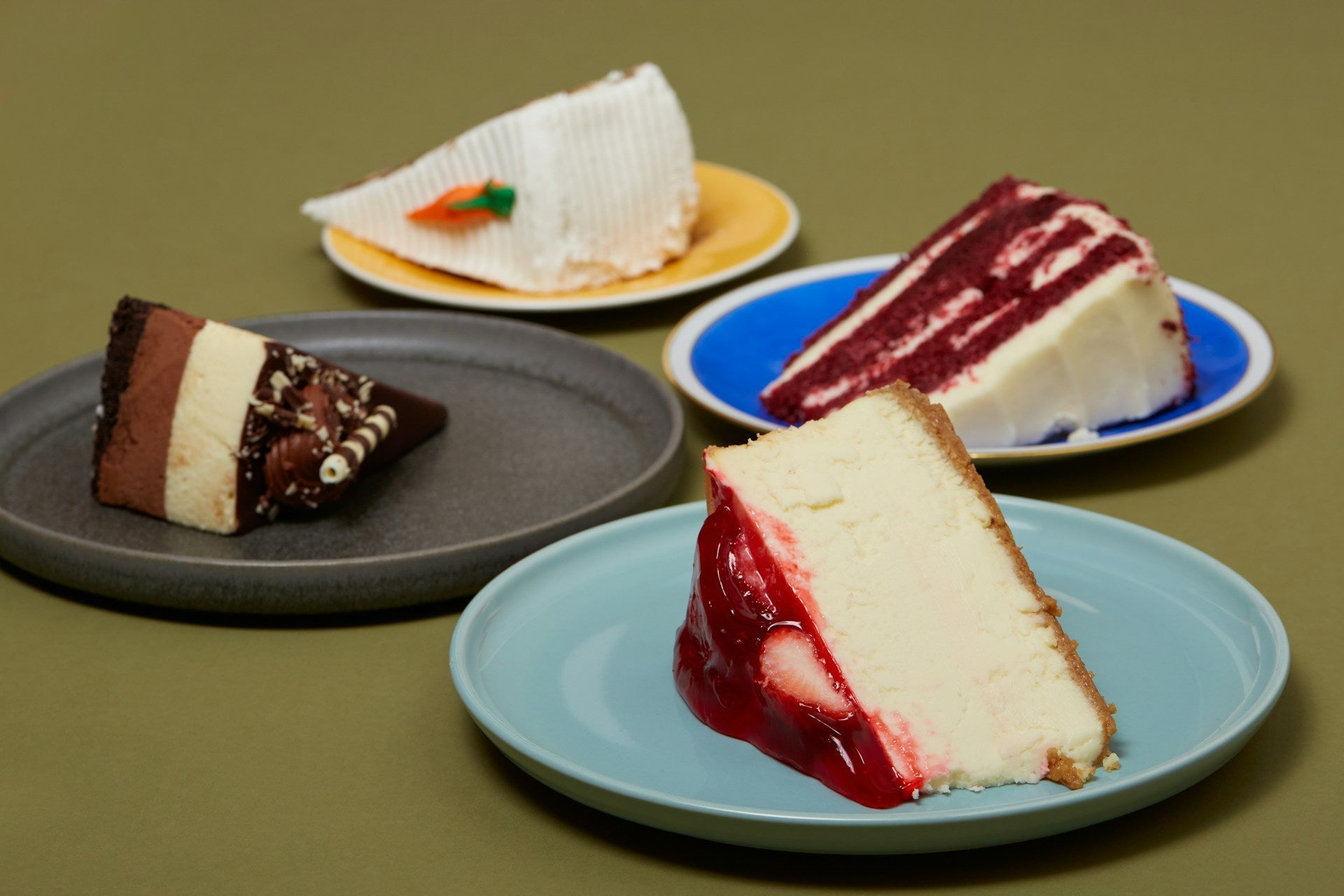
Storing Cheesecake in the Fridge
Ensuring that your cheesecake stays fresh and delicious requires proper storage in the refrigerator. Understanding the importance of correct storage practices and the factors that influence the cheesecake's shelf life can help you enjoy your dessert to the fullest.
Importance of Proper Storage
Proper storage of cheesecake is crucial to maintaining its texture, flavor, and overall quality. When stored correctly, cheesecake can remain fresh and safe to eat for several days. Here are the key reasons why proper storage is important:
- Prevents Bacterial Growth: Cheesecake contains dairy products, which can spoil quickly if not stored at the right temperature. Keeping the cheesecake in the fridge slows down bacterial growth.
- Maintains Texture: Cheesecake can dry out or become soggy if not stored properly. By keeping it in an airtight container, you can preserve its creamy texture.
- Retains Flavor: Proper storage helps to maintain the rich and delicious flavor of the cheesecake, preventing it from absorbing other odors from the fridge.
For more information on maintaining the right temperature in your fridge, visit our article on what is a good temp for your fridge?.
Factors Influencing Shelf Life
Several factors can influence how long your cheesecake will last in the fridge. Understanding these factors can help you maximize its shelf life:
- Ingredients: The type of ingredients used in the cheesecake can affect its shelf life. Cheesecakes with fresh fruits or whipped cream toppings may spoil faster than plain cheesecakes.
- Storage Method: How you store the cheesecake in the fridge plays a significant role. Using an airtight container or wrapping it tightly in plastic wrap can help keep it fresh longer.
- Fridge Temperature: The temperature of your fridge should be consistently at or below 40°F (4°C). Fluctuations in temperature can cause the cheesecake to spoil more quickly. For tips on maintaining the correct fridge temperature, refer to our article on acceptable refrigerator temperature.
| Factor | Impact on Shelf Life |
|---|---|
| Ingredients | Fresh fruits and toppings reduce shelf life |
| Storage Method | Airtight containers prolong freshness |
| Fridge Temperature | Consistent temperature below 40°F (4°C) |
By paying attention to these factors, you can ensure that your cheesecake stays fresh and delicious for as long as possible. For more insights on storing different food items, check out our article on how long are ribs good in the fridge?.
Cheesecake Shelf Life
Understanding the shelf life of cheesecake in the fridge is essential for ensuring its freshness and safety. Proper storage practices can help extend the life of your favorite dessert, allowing you to enjoy it over several days.
How Long Does Cheesecake Last in the Fridge?
Cheesecake typically lasts for about 5 to 7 days when stored in the refrigerator. The exact duration can vary depending on the ingredients used and how well it's stored. Keeping the cheesecake in an airtight container or wrapping it tightly in plastic wrap can help maintain its freshness.
| Storage Method | Shelf Life in Fridge |
|---|---|
| Airtight Container | 5 - 7 days |
| Plastic Wrap | 5 - 7 days |
| Uncovered | 2 - 3 days |
Signs Your Cheesecake Has Gone Bad
It's important to recognize the signs that your cheesecake has spoiled. Consuming spoiled cheesecake can lead to foodborne illnesses, so always check for the following indicators:
- Off Smell: A sour or strange odor is a clear sign that the cheesecake is no longer safe to eat.
- Discoloration: Any changes in color, such as browning or dark spots, indicate spoilage.
- Mold: Visible mold on the surface or edges means the cheesecake should be discarded immediately.
- Texture Changes: If the cheesecake becomes excessively dry or develops a slimy texture, it's best to throw it away.
For more information on how to keep your foods fresh and safe, check out our articles on acceptable refrigerator temperature and what is the temperature of a fridge?.
By being aware of these signs, you can ensure that your cheesecake remains delicious and safe to eat. Proper storage and timely consumption are key to enjoying this delightful dessert without any concerns.
Extending Shelf Life
Tips for Preserving Cheesecake Freshness
To maximize the shelf life of your cheesecake in the fridge, proper storage techniques are essential. Here are some effective tips to help you keep your cheesecake fresh and delicious for as long as possible:
- Wrap It Well: Use plastic wrap or aluminum foil to tightly cover your cheesecake. This prevents air exposure and keeps the cake from drying out.
- Airtight Containers: Place the wrapped cheesecake in an airtight container to further protect it from moisture and odors.
- Refrigeration Temperature: Ensure your fridge is set to the proper temperature, typically around 37°F to 40°F. For more information on ideal fridge temperatures, visit what is a good temp for your fridge?.
- Keep It Cool: Store the cheesecake in the main compartment of the fridge, where the temperature is most consistent. Avoid keeping it in the door where temperatures fluctuate.
- Separate Toppings: If your cheesecake has toppings, store them separately and add them just before serving to maintain freshness.
Freezing Cheesecake for Long-Term Storage
Freezing is an excellent method to extend the shelf life of your cheesecake beyond its usual fridge duration. Here's how you can freeze cheesecake effectively:
- Pre-freeze: Place the cheesecake in the freezer for a few hours until it becomes firm. This prevents it from getting damaged during the wrapping process.
- Wrap Tightly: Once firm, wrap the cheesecake in plastic wrap, followed by a layer of aluminum foil. This double-layering helps prevent freezer burn.
- Airtight Container: Place the wrapped cheesecake in an airtight container or a heavy-duty freezer bag to provide additional protection.
- Label and Date: Clearly label the container with the date of freezing to keep track of its storage duration. Cheesecake can typically be stored in the freezer for up to 2 months.
- Thawing: When ready to enjoy, transfer the cheesecake to the fridge and let it thaw overnight. Avoid thawing at room temperature to maintain texture and flavor.
| Storage Method | Duration |
|---|---|
| Refrigerator | Up to 5-7 days |
| Freezer | Up to 2 months |
For more tips on freezing and defrosting, check out our articles on defrosting an upright freezer and what fahrenheit should a freezer be?. By following these guidelines, you can ensure your cheesecake remains fresh and delectable, ready to be enjoyed at any time.
For additional information on organizing and maintaining your fridge and freezer, explore our articles on organizing a french door refrigerator and how do you organize a chest freezer?.
Serving and Enjoying Cheesecake
Cheesecake is a delightful dessert that can be enjoyed in various ways. To make the most of your cheesecake, it's important to know how to serve it properly and get creative with leftovers.
Bringing Cheesecake to Room Temperature
Serving cheesecake at the right temperature enhances its creamy texture and flavor. Here are a few steps to bring your cheesecake to room temperature:
- Remove from Fridge: Take the cheesecake out of the refrigerator approximately 30 minutes to an hour before serving.
- Place on Counter: Set the cheesecake on the counter away from direct sunlight or heat sources.
- Cover Loosely: Cover the cheesecake loosely with a piece of foil or a lid to prevent it from drying out while it reaches room temperature.
How long it takes to bring cheesecake to room temperature can vary based on its size and ambient temperature.
| Cheesecake Size | Time to Room Temperature |
|---|---|
| Whole Cheesecake | 45 - 60 minutes |
| Individual Slices | 20 - 30 minutes |
For tips on storing cheesecake, refer to our section on cheesecake shelf life in the fridge.
Creative Ways to Serve Leftover Cheesecake
Leftover cheesecake doesn't have to be boring. Here are some creative ideas to make the most of your leftovers:
- Cheesecake Parfaits: Layer chunks of cheesecake with fresh fruits, whipped cream, and granola in a glass for a delightful parfait.
- Cheesecake Milkshake: Blend a slice of cheesecake with ice cream and milk to create a rich and creamy milkshake.
- Cheesecake Truffles: Roll small balls of cheesecake and dip them in melted chocolate to make indulgent truffles.
- Cheesecake Topping: Use crumbled cheesecake as a topping for pancakes, waffles, or ice cream sundaes.
- Cheesecake Stuffed Fruit: Hollow out strawberries or apples and fill them with cheesecake for a refreshing twist.
For more on storing and serving other foods, check out our articles on how long are ribs good in the fridge and how long can milk be out the fridge.
By understanding how to serve and enjoy cheesecake properly, you can make each slice a memorable treat. Experiment with these ideas and savor the creamy goodness of cheesecake in new and exciting ways.
Frequently Asked Questions
Can I leave cheesecake out overnight?
Leaving cheesecake out overnight is not recommended. Cheesecake contains perishable ingredients such as cream cheese, eggs, and sometimes dairy-based toppings. These ingredients can spoil if left at room temperature for too long. Bacteria can grow rapidly between 40°F and 140°F, making it essential to store cheesecake in the refrigerator. For more on storing food safely, check out acceptable refrigerator temperature.
Can I freeze cheesecake with toppings?
Freezing cheesecake with toppings can be tricky. Some toppings, especially those with high moisture content like fresh fruit, may not freeze well and could become mushy upon thawing. It's often best to freeze the cheesecake without toppings and add them fresh after thawing. For more tips on freezing food, visit our article on defrosting an upright freezer.
How to tell if cheesecake is still good to eat?
To determine if your cheesecake is still safe to eat, look for signs of spoilage. Here are some indicators:
- Appearance: Mold growth or discoloration.
- Smell: Sour or off odor.
- Texture: Drying out or becoming excessively moist.
- Taste: Off-taste or bitterness.
If any of these signs are present, it's best to discard the cheesecake to avoid potential food poisoning. For more guidelines on food safety, you might find our article on how long can milk be out the fridge useful.
By following proper storage guidelines and knowing the signs of spoilage, you can ensure that your cheesecake remains fresh and safe to enjoy. For more information on food storage, explore our articles on how to store cilantro in the fridge and how long are ribs good in the fridge.
Get Your Upgrade or New Addition at Fridge.com
Whether you're searching for your perfect fridge, freezer, wine fridge, beer fridge, ice maker, or kegerator, we have what you need.
Shop the world's best brands at Fridge.com.
We also have tons of awesome articles about kitchen stuff and home news. Enhance your home, garage, backyard, patio, and office with the coolest essentials. With every necessary type of residential refrigerator or freezer in our collection, we've got you covered.
Elevate your game and shop now at Fridge.com!