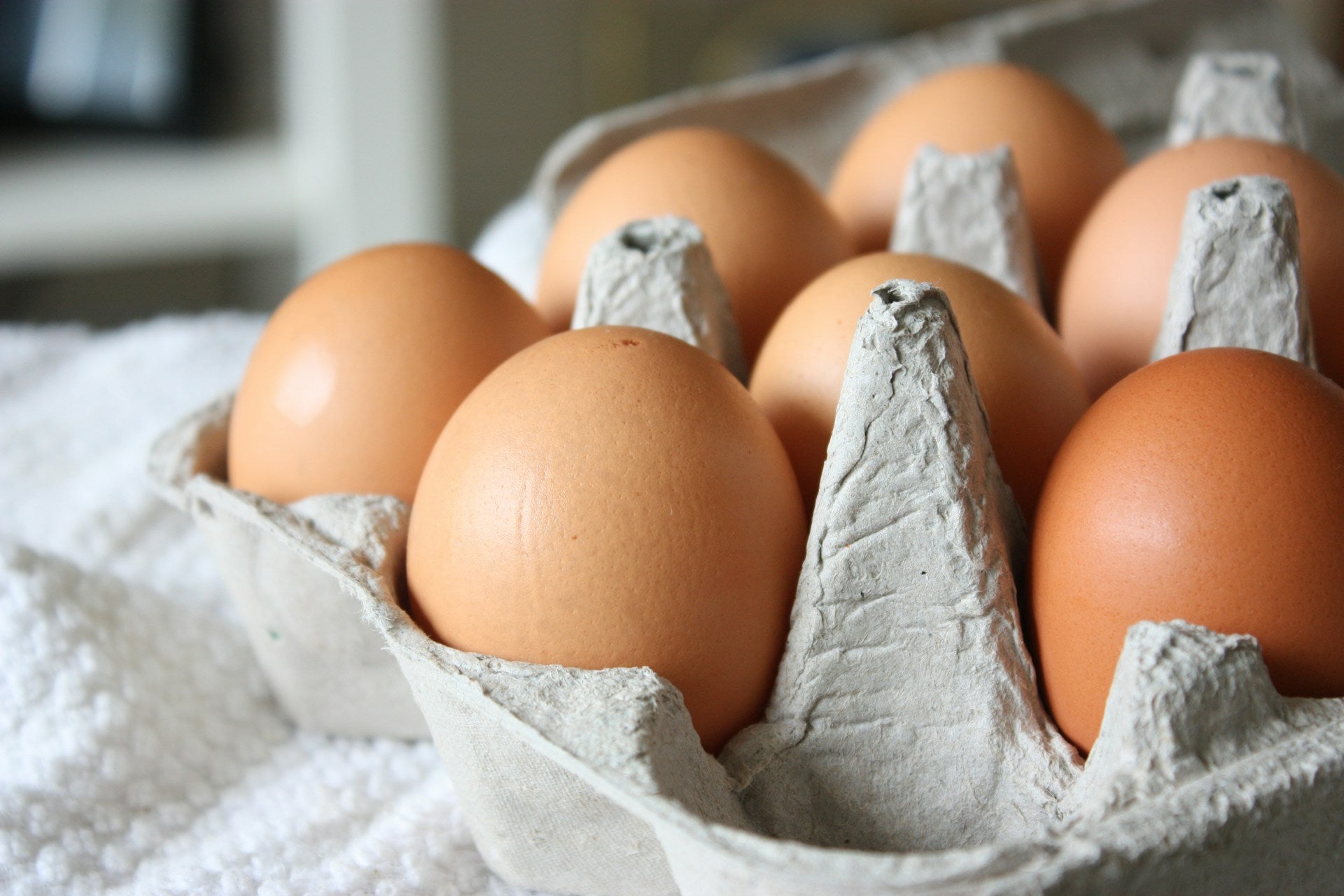
Can You Keep Eggs Out Of The Fridge?
The Great Egg Debate: To Refrigerate or Not
The question "can you keep eggs out of the fridge?" has sparked considerable debate among food enthusiasts and experts alike. To make an informed decision, it's essential to understand both the historical context and the factors that influence egg storage.
Historical Perspective on Egg Storage
In many parts of the world, eggs have historically been stored at room temperature. Before the invention of modern refrigeration, people relied on various methods to keep eggs fresh, such as coating them with mineral oil or storing them in cool, dry cellars. These practices allowed eggs to remain usable for extended periods without the need for refrigeration.
In the United States, eggs are typically washed to remove bacteria and contaminants, stripping away the natural protective cuticle. This process necessitates refrigeration to prevent bacterial contamination. Conversely, in Europe and other regions, eggs often retain their cuticle, allowing them to be safely stored at room temperature.
Factors Influencing Egg Storage
Several factors determine whether eggs should be refrigerated or can be kept at room temperature. These include temperature, humidity, and air flow.
Temperature: The ideal temperature for egg storage is between 45°F and 55°F. Refrigeration helps maintain a consistent temperature, minimizing the risk of bacterial growth. For more about fridge temperatures, refer to what is a good temp for your fridge?.
Humidity: Eggs stored in high humidity environments are prone to mold growth. A dry environment is preferable for room temperature storage to prevent spoilage.
Air Flow: Proper ventilation is crucial for maintaining egg quality. Adequate air flow helps reduce moisture accumulation, preventing the growth of bacteria and mold.
| Factor | Room Temperature Storage | Refrigerated Storage |
|---|---|---|
| Temperature | 45°F - 55°F | 33°F - 40°F |
| Humidity | Low | Controlled |
| Air Flow | Good Ventilation | Limited |
Understanding these factors can help you make an informed decision about whether to refrigerate your eggs or store them at room temperature. For more details on proper refrigeration, visit our guide on organizing a french door refrigerator.
Understanding Egg Storage
Proper egg storage is essential to maintain their freshness and safety. Key factors influencing egg storage include temperature, air flow, and humidity.
Importance of Temperature
Temperature plays a crucial role in determining whether you can keep eggs out of the fridge. Keeping eggs at a consistent, cool temperature helps to prevent the growth of harmful bacteria like Salmonella. The ideal temperature for storing eggs is below 40°F (4°C). At this temperature, the growth of bacteria is significantly slowed.
| Storage Method | Temperature (°F) | Temperature (°C) |
|---|---|---|
| Refrigerator | 33-40 | 1-4 |
| Room Temperature | 68-77 | 20-25 |
Eggs stored at room temperature deteriorate faster than those kept in the fridge. Therefore, if you choose to store eggs outside the refrigerator, it's essential to consume them within a shorter time frame. Check out our article on what is the temperature of a fridge? for more details.
Air Flow and Humidity
Air flow and humidity also influence egg storage. Proper air flow helps to maintain the quality of eggs by reducing the buildup of moisture, which can lead to mold and bacteria growth. Eggs should be stored in a well-ventilated area to ensure consistent air circulation.
Humidity levels are equally important. High humidity can cause eggshells to become porous, allowing bacteria to penetrate the shell. Conversely, low humidity can cause eggs to dry out. The ideal humidity level for storing eggs is between 75-85%.
| Humidity Level | Effect on Eggs |
|---|---|
| High Humidity (>85%) | Increased risk of bacteria |
| Low Humidity (<75%) | Eggs may dry out |
| Ideal Humidity (75-85%) | Maintains egg quality |
For more tips on maintaining optimal storage conditions, refer to our article on organizing a french door refrigerator.
By understanding the importance of temperature, air flow, and humidity, you can make an informed decision on whether to keep eggs out of the fridge. For additional insights on egg storage and safety, explore our related articles on can you keep hot dogs in the fridge? and how to store cilantro in the fridge.
Storing Eggs at Room Temperature
When it comes to keeping eggs at room temperature, there are both benefits and risks involved. Understanding these can help you make an informed decision about the best way to store your eggs.
Benefits and Risks
Benefits:
- Convenience: Storing eggs at room temperature makes them easily accessible for cooking and baking.
- Better Baking Results: Room temperature eggs can blend more easily into batters, resulting in better texture and rise.
- No Condensation: When eggs are moved from cold to warm environments, condensation can form on the shell, potentially allowing bacteria to penetrate.
Risks:
- Bacterial Growth: Eggs are susceptible to bacterial contamination, especially Salmonella, which can multiply at room temperature.
- Shorter Shelf Life: Eggs stored at room temperature have a shorter shelf life compared to refrigerated eggs.
- Temperature Fluctuations: Room temperatures can vary, impacting the freshness and safety of the eggs.
How Long Can Eggs Be Stored Outside the Fridge?
The duration for which eggs can be safely stored outside the fridge varies based on several factors, including the ambient temperature and the freshness of the eggs when purchased.
| Temperature (°F) | Safe Storage Duration |
|---|---|
| Below 60°F | Up to 3 weeks |
| 60°F - 68°F | 1 - 2 weeks |
| Above 68°F | Less than 1 week |
It's essential to monitor the room temperature to ensure the safety of your eggs. If you notice any changes in the eggs' appearance or smell, it's best to discard them.
For more information on maintaining the freshness and quality of your eggs, you can explore our articles on how long can soda be in the freezer? and acceptable refrigerator temperature. These resources provide valuable insights into optimal storage conditions for various food items.
Refrigerating Eggs
Benefits of Refrigeration
Refrigerating eggs is a common practice that offers several advantages. One primary benefit is the ability to extend the shelf life of your eggs. When stored in the refrigerator, eggs can remain fresh for up to five weeks. This is significantly longer compared to storing them at room temperature.
Keeping eggs in the fridge also helps minimize the risk of bacterial growth. The cooler temperature slows down the growth of bacteria, such as Salmonella, which can cause foodborne illnesses. Refrigeration provides a safer environment for your eggs, ensuring they remain safe to eat.
Another advantage is the consistency in temperature provided by refrigeration. Fluctuations in temperature can affect the quality and freshness of eggs. The stable temperature in a refrigerator helps maintain the eggs' integrity.
Proper Egg Storage in the Fridge
To maximize the benefits of refrigerating eggs, it's essential to store them correctly. Here are some guidelines for proper egg storage in the fridge:
- Use the Original Carton: Store eggs in their original carton to protect them from absorbing strong odors and flavors from other foods in the fridge.
- Place in the Main Compartment: Avoid storing eggs in the refrigerator door. The door is subject to temperature fluctuations each time it is opened. Instead, place eggs in the main compartment where the temperature is more stable.
- Keep at Consistent Temperature: Ensure your refrigerator is set to an appropriate temperature. For more details on optimal fridge temperatures, check out our article on what is a good temp for your fridge?.
- Store with the Pointed End Down: Storing eggs with the pointed end down helps keep the yolk centered and maintains egg quality.
Here is a table summarizing the shelf life of eggs based on storage method:
| Storage Method | Shelf Life |
|---|---|
| Room Temperature | 1 - 3 weeks |
| Refrigerated | Up to 5 weeks |
For more tips on organizing your refrigerator to accommodate eggs and other items efficiently, visit our article on organizing a french door refrigerator.
By following these guidelines, you can ensure that your eggs remain fresh and safe to consume for a longer period. Proper storage not only enhances the longevity of your eggs but also maintains their quality, making them a reliable ingredient in your culinary endeavors.
Egg Freshness Test
Ensuring the freshness of eggs is crucial whether you store them in the fridge or at room temperature. Here are methods to check the freshness of your eggs and tips for maintaining their quality.
Checking the Freshness of Eggs
- The Water Test: Fill a bowl with cold water and gently place the egg in the bowl. Fresh eggs will sink and lay flat on the bottom, while older eggs will stand upright or float due to the larger air cell inside the egg.
| Egg Position | Freshness |
|---|---|
| Sinks and lays flat | Very Fresh |
| Sinks but stands upright | Older but still usable |
| Floats | Spoiled |
The Sniff Test: Crack the egg open and give it a sniff. Fresh eggs have a neutral smell, while bad eggs will have a distinct, unpleasant odor.
The Visual Inspection: Check the egg for any unusual discoloration or signs of mold. Fresh eggs have a clear and firm egg white and a bright yellow or orange yolk.
The Sound Test: Hold the egg close to your ear and shake it. Fresh eggs will not make a sound, while older eggs may produce a sloshing noise due to the thinning of the egg white.
Tips for Maintaining Egg Quality
Proper Storage: Store eggs in their original carton to protect them from absorbing strong odors and flavors from other foods. This also helps prevent moisture loss.
Ideal Temperature: Keep eggs at a consistent temperature to maintain their freshness. For those stored in the fridge, refer to our guidelines on what is a good temp for your fridge.
Avoid Temperature Fluctuations: Minimize moving eggs between different temperature zones. Sudden changes can cause condensation, which promotes bacterial growth.
Use a Clean Container: If you need to transfer eggs out of their original carton, use a clean, dry container with a lid to keep them protected.
Check Expiry Dates: Always be aware of the expiration or sell-by dates on egg cartons. Use older eggs first to ensure none go to waste.
Regular Inspection: Routinely inspect your eggs for cracks or damage. Damaged eggs should be used immediately or discarded to prevent contamination.
Understanding the freshness and quality of your eggs helps ensure that you and your family enjoy safe and delicious meals. For more information on proper storage techniques, visit our article on organizing a french door refrigerator.
Get Your Upgrade or New Addition at Fridge.com
Whether you're searching for your perfect fridge, freezer, wine fridge, beer fridge, ice maker, or kegerator, we have what you need.
Shop the world's best brands at Fridge.com.
We also have tons of awesome articles about kitchen stuff and home news. Enhance your home, garage, backyard, patio, and office with the coolest essentials. With every necessary type of residential refrigerator or freezer in our collection, we've got you covered.
Elevate your game and shop now at Fridge.com!