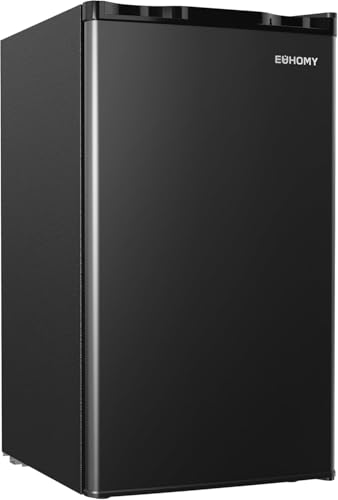
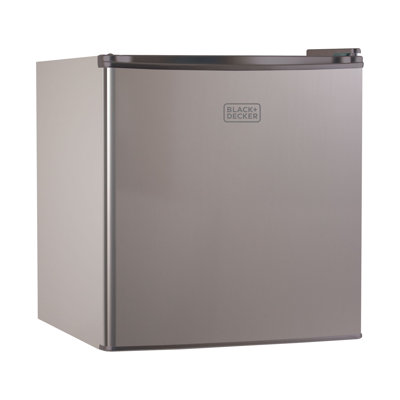
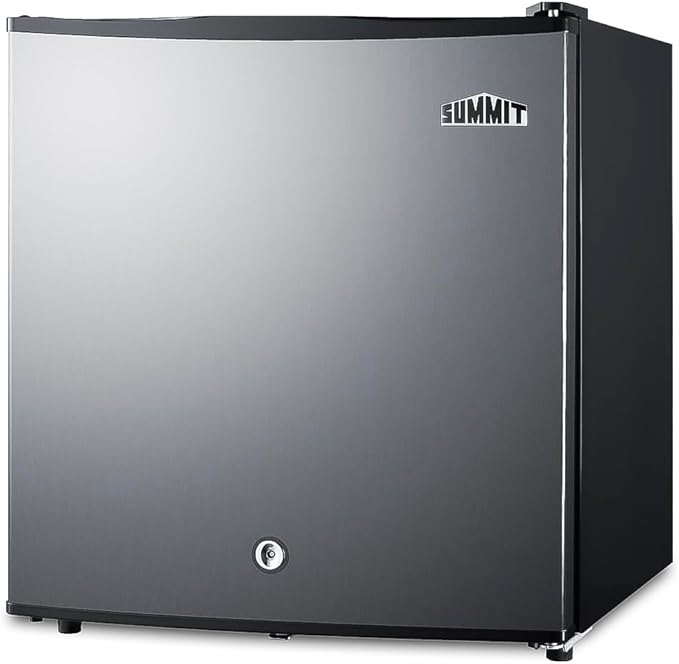
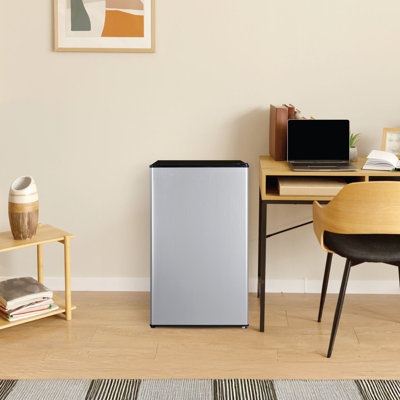
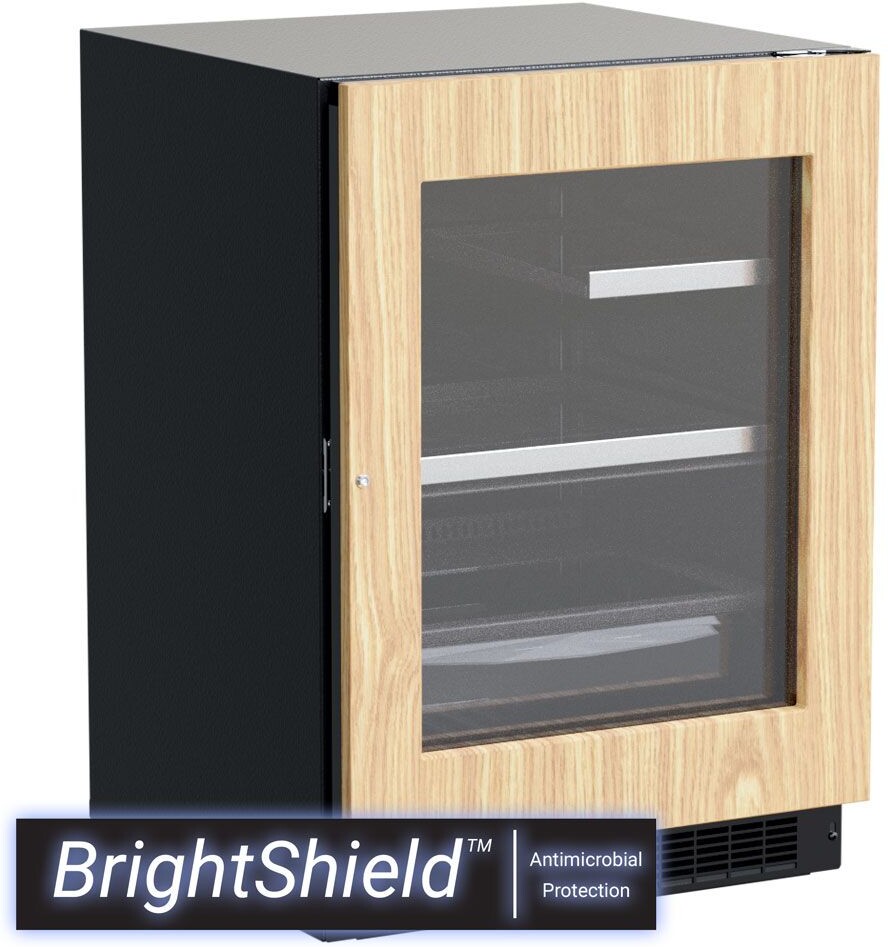
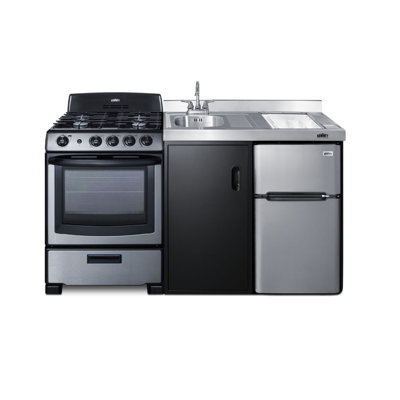
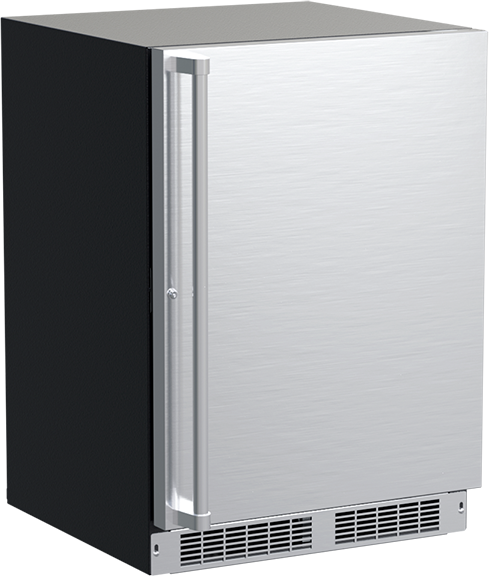
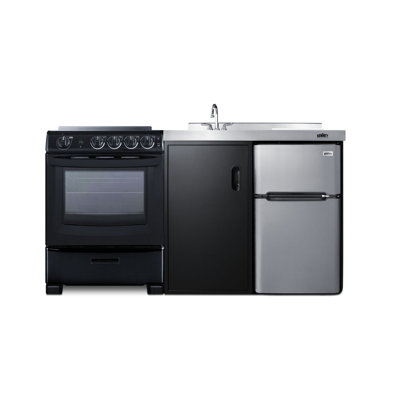
When it comes to choosing between a compact refrigerator and a drawer fridge freezer, understanding how each appliance works is key. This section highlights the main features and functions of both options.
Compact Refrigerators Explained
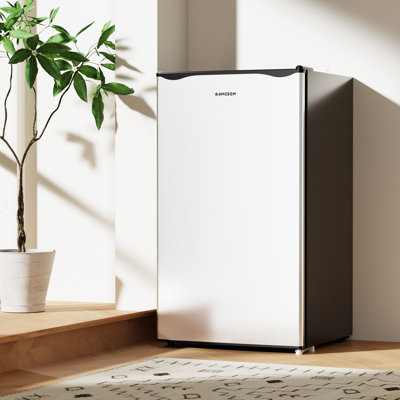
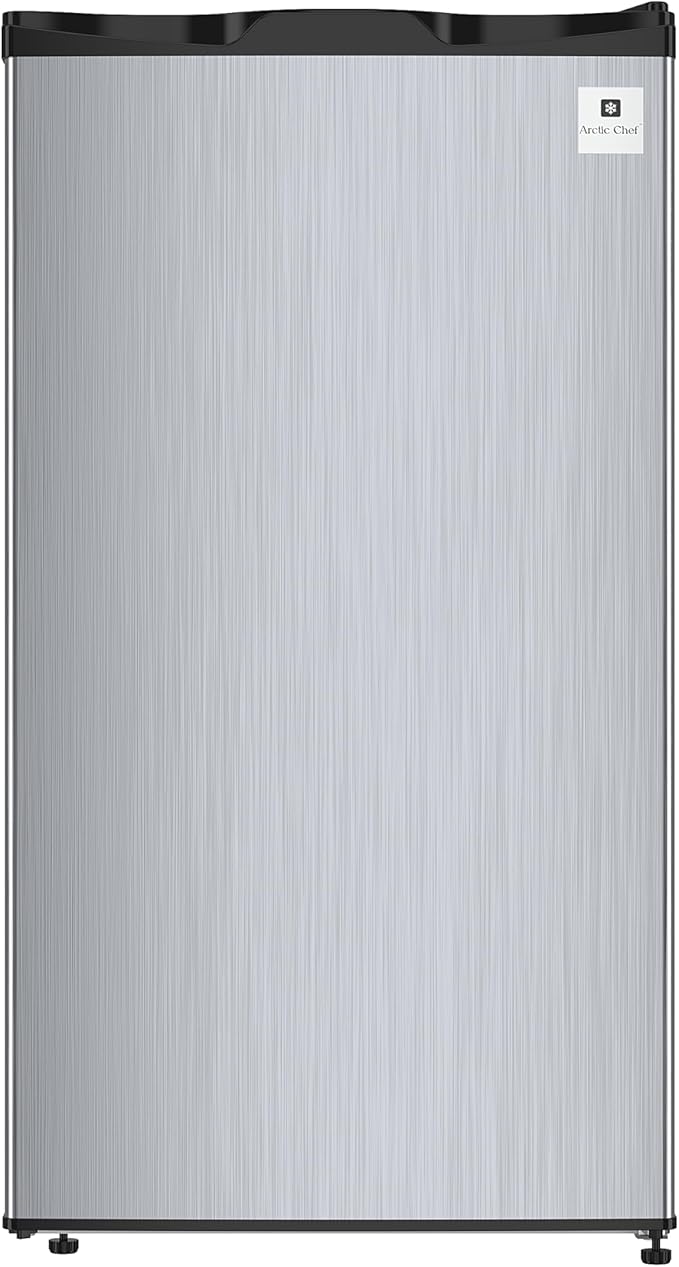
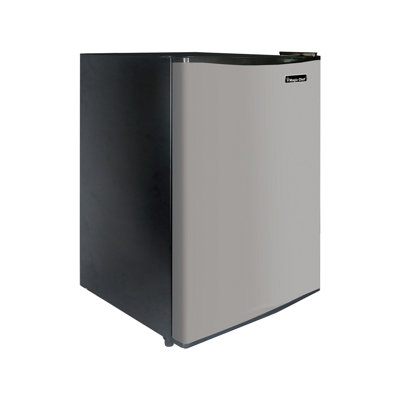
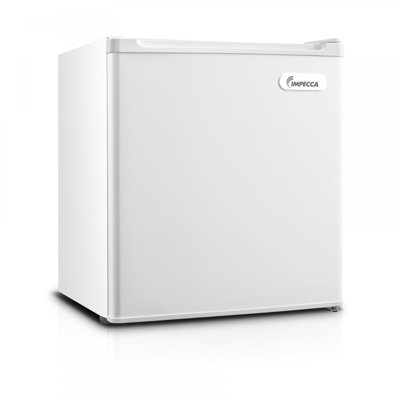
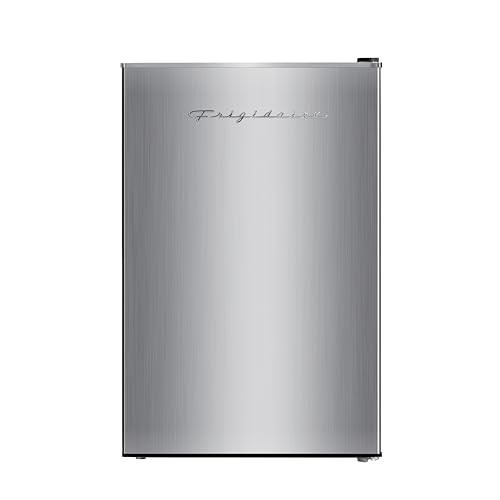
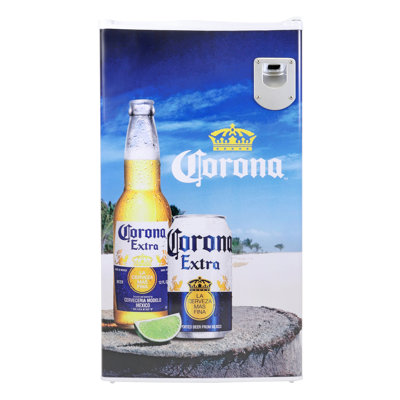
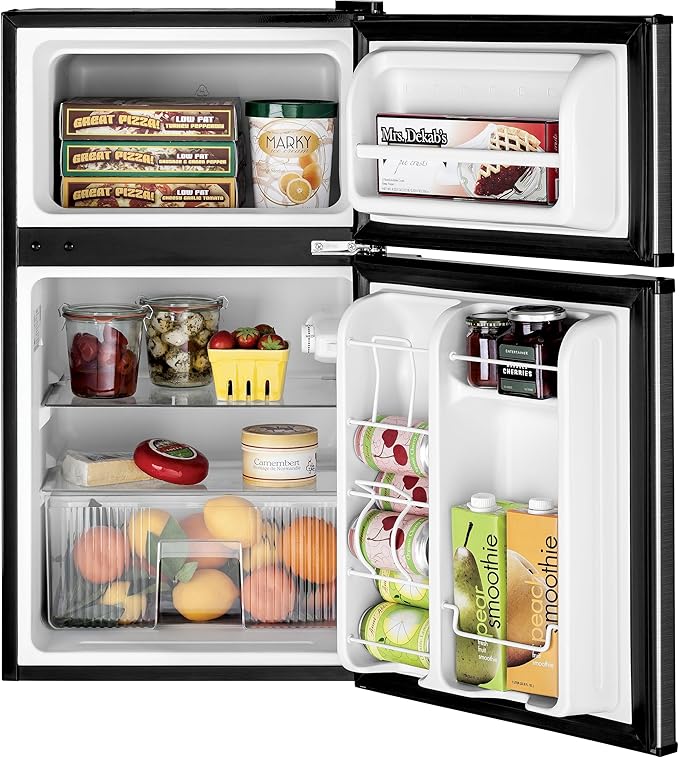
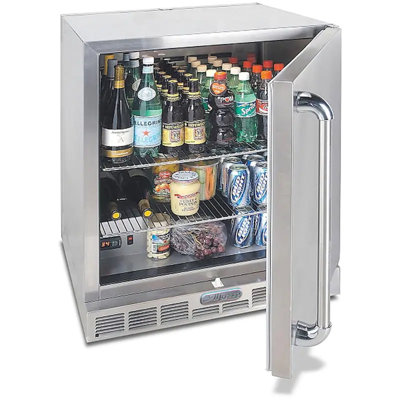
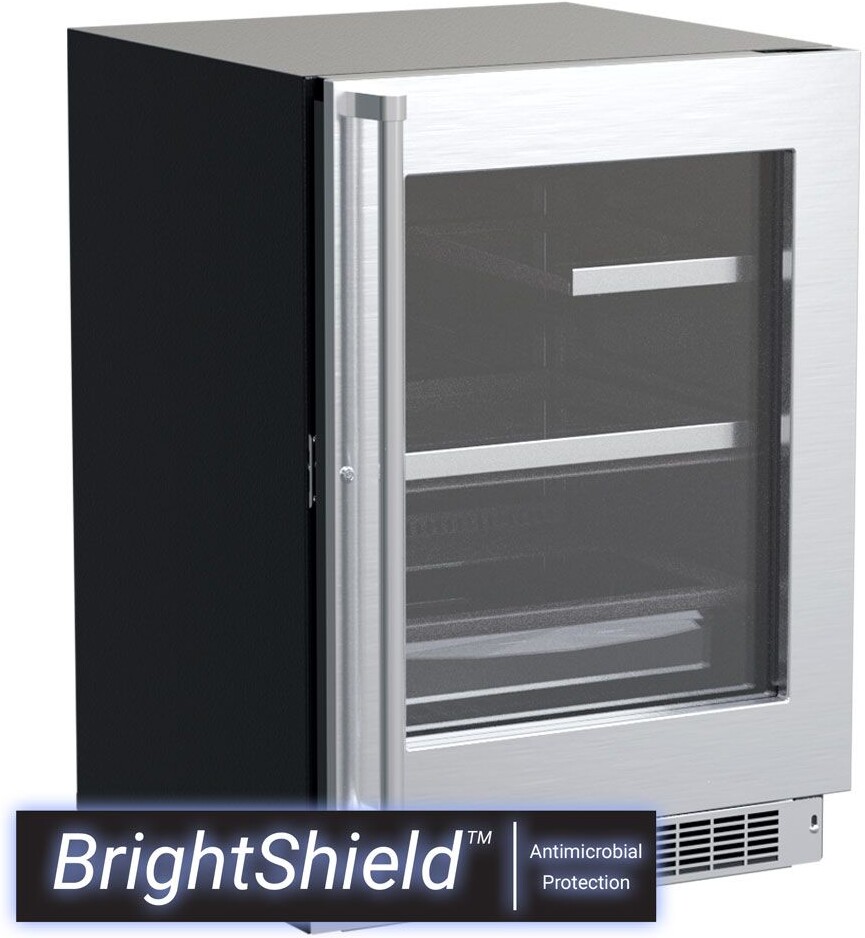
Compact refrigerators, also known as mini fridges, are small, standalone units designed to fit in tight spaces. These fridges are ideal for areas where space is limited, such as dorm rooms, offices, or small apartments. They typically come with a single door, although some models may include a small freezer compartment inside.
Feature
Description
Size
Small, typically 1.7 to 4.5 cubic feet
Design
Single door, sometimes with a small internal freezer
Usage
Ideal for storing beverages, snacks, and small food items
Portability
Lightweight and easy to move
Compact refrigerators are known for their convenience and portability. They are an excellent choice for those who need a secondary fridge for additional storage without taking up much space.
Drawer Fridge Freezers Explained
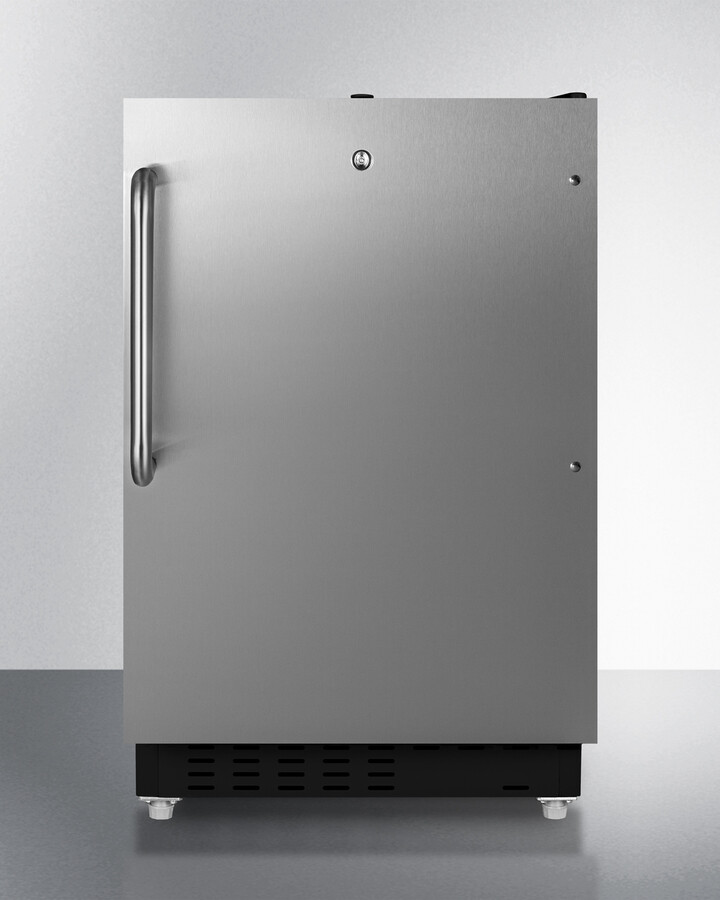
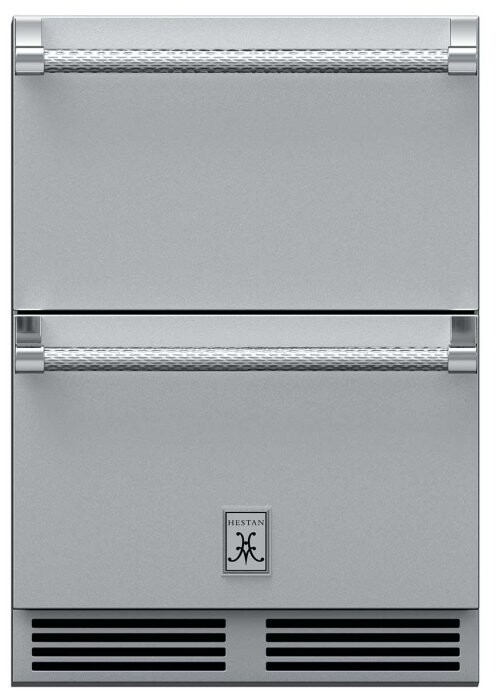
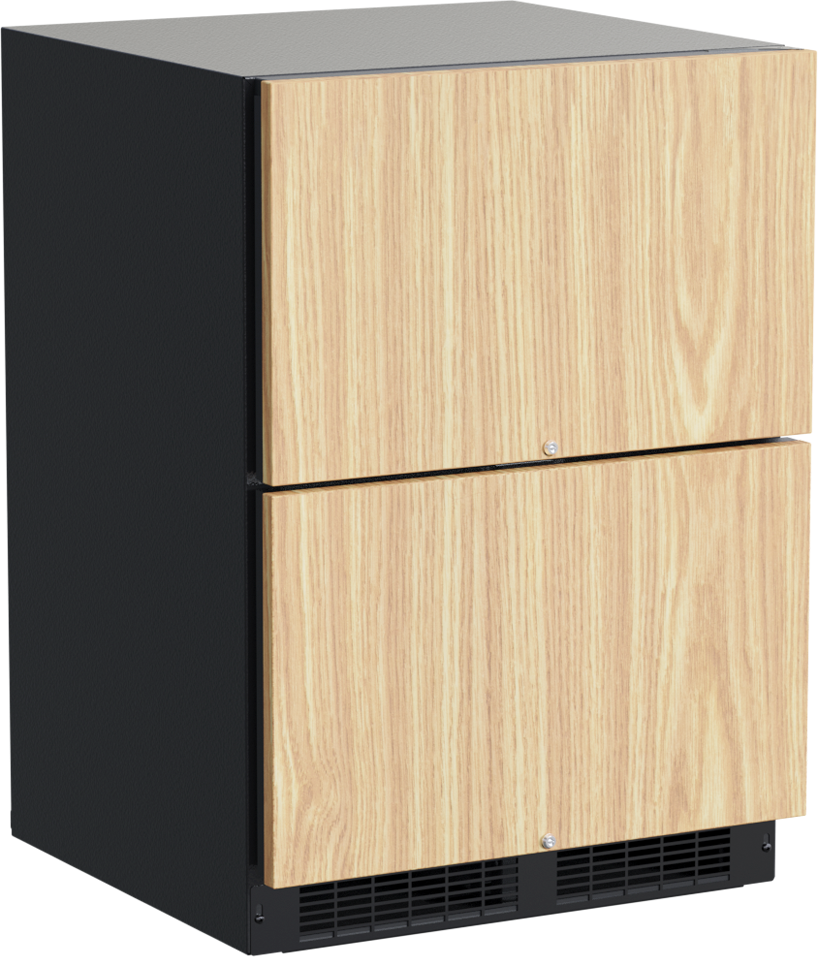
Drawer fridge freezers, on the other hand, are integrated units that fit seamlessly into cabinetry. These appliances are designed with drawers that pull out, providing easy access to stored items. Drawer fridge freezers are often used in kitchens for their sleek design and functionality.
Feature
Description
Size
Varies, typically 3 to 6 cubic feet
Design
Integrated into cabinetry with pull-out drawers
Usage
Suitable for storing a variety of food items, including perishables
Accessibility
Easy access to items without bending or reaching
Drawer fridge freezers offer a more sophisticated and modern look, making them a popular choice for contemporary kitchens. They provide ample storage space and are designed to keep food items organized and easily accessible.
Understanding the key differences between compact refrigerators and drawer fridge freezers will help you make an informed decision based on your specific needs and preferences. For more detailed comparisons, consider reading Fridge.com articles on mini fridge Vs. refrigerator drawer and drawer freezer Vs. garage freezer.
Compact refrigerators are a popular choice for various settings due to their convenience and versatility. However, like any appliance, they come with their own set of benefits and limitations.
Benefits of Compact Refrigerators
Compact refrigerators offer several advantages that make them an appealing option for many users.
Space-Saving Design: Their small size makes them ideal for tight spaces such as dorm rooms, offices, and small apartments.
Portability: These refrigerators are lightweight and easy to move, making them perfect for mobile homes, cabins, and outdoor use.
Energy Efficiency: Compact fridges generally consume less electricity compared to standard refrigerators, which can result in lower energy bills.
Affordability: They are usually less expensive than full-sized refrigerators, making them a budget-friendly option.
Versatility: Compact refrigerators can be used in a variety of settings, from personal use to entertaining guests in a backyard or near a home pool.
Benefit
Description
Space-Saving
Fits in tight spaces like dorms and offices
Portability
Easy to move and relocate
Affordability
Lower cost compared to standard fridges
Versatility
Suitable for various settings
Limitations of Compact Refrigerators
Despite their benefits, compact refrigerators also have some limitations that you should consider.
Limited Storage Capacity: Their small size means less storage space for food and beverages, which may not be sufficient for larger families or those who entertain often.
Performance: Some compact refrigerators may struggle to maintain consistent temperatures, which can affect the freshness and safety of stored items.
Features: They often lack advanced features found in larger models, such as adjustable shelves, door alarms, and ice makers.
Durability: Compact refrigerators may not be as durable as full-sized models, requiring more frequent repairs or replacements.
Noise Levels: Some models can be noisier than larger refrigerators, which might be a concern in quiet environments like bedrooms or offices.
Limitation
Description
Limited Storage
Less space for food and beverages
Performance
Inconsistent temperature control
Features
Lacks advanced features
Durability
May require more frequent repairs
Noise Levels
Can be noisier than larger models
When comparing compact refrigerators with other options like drawer fridge freezers, it's essential to consider these benefits and limitations. For more detailed comparisons, you can check out articles such as mini fridge Vs. refrigerator drawer and black refrigerator Vs. retro mini fridge.
Understanding the benefits and drawbacks of drawer fridge freezers can help you decide if they are the right cooling solution for your needs.
Advantages of Drawer Fridge Freezers
Drawer fridge freezers offer several advantages, making them a popular choice for many households.
Space-Saving Design: Drawer fridge freezers are designed to fit seamlessly into your kitchen cabinetry, saving valuable floor space.
Easy Access: The drawer design allows for easy access to stored items. You can see the contents at a glance and reach items without bending over.
Organizational Benefits: With multiple compartments and drawers, you can organize your food more efficiently. This helps in keeping different types of food separate and easily accessible.
Aesthetic Appeal: These units blend well with modern kitchen designs, providing a sleek and integrated look.
Energy Efficiency: Many drawer fridge freezers are energy-efficient, helping you save on electricity bills.
Feature
Benefit
Space-Saving Design
Fits seamlessly into cabinetry
Easy Access
No bending required
Organizational Benefits
Multiple compartments
Aesthetic Appeal
Modern, integrated look
Drawbacks of Drawer Fridge Freezers
Despite their advantages, drawer fridge freezers also have some limitations that you should consider.
Higher Cost: Drawer fridge freezers tend to be more expensive than traditional compact refrigerators.
Limited Storage Capacity: While they offer organizational benefits, the overall storage capacity may be less than that of a standard compact refrigerator.
Complex Installation: Installing a drawer fridge freezer can be more complicated, often requiring professional assistance.
Maintenance Challenges: Cleaning and maintaining the drawers can be more challenging compared to traditional refrigerators.
Less Versatile: These units are less versatile in terms of placement options, as they are designed to fit specific kitchen layouts.
Drawback
Limitation
Higher Cost
More expensive
Limited Storage Capacity
Less overall space
Complex Installation
Often requires professional help
Maintenance Challenges
Harder to clean
Less Versatile
Limited placement options
By weighing these advantages and drawbacks, you can make an informed decision on whether a drawer fridge freezer suits your needs better than a compact refrigerator. For more comparisons, you can explore Fridge.com articles on mini fridge Vs. refrigerator drawer and drawer freezer Vs. garage refrigerator.
When choosing between a compact refrigerator and a drawer fridge freezer, several factors should be taken into account. These include space and size considerations, energy efficiency, and storage capacity.
Space and Size Considerations
Space and size are crucial when deciding between a compact refrigerator and a drawer fridge freezer. Compact refrigerators are generally smaller and can fit into tight spaces such as dorm rooms, offices, or small apartments. They are also portable, making them suitable for garages, basements, or even outdoor settings.
Drawer fridge freezers, on the other hand, are designed to be integrated into cabinetry, providing a sleek and seamless look. This makes them ideal for modern kitchens or spaces where aesthetics are important. However, they require more planning during installation and may not be as portable.
Feature
Compact Refrigerator
Drawer Fridge Freezer
Typical Height (inches)
20-36
24-36
Typical Width (inches)
18-24
24-36
Installation
Freestanding
Built-In
Energy Efficiency
Energy efficiency is another important factor to consider. Compact refrigerators usually consume less energy compared to full-sized models. However, their energy efficiency can vary based on the model and usage. Look for models with an energy-efficient rating to ensure lower electricity bills.
Drawer fridge freezers are often more energy-efficient due to their design and advanced insulation. These units may offer better temperature control and reduced energy consumption, which can be beneficial in the long run.
Storage Capacity
Storage capacity is a significant consideration depending on your needs. Compact refrigerators typically offer limited storage space, making them suitable for individuals or small households. They often come with a small freezer compartment, which may not be sufficient for extensive storage.
Drawer fridge freezers provide more organized and accessible storage. They often feature multiple compartments, allowing you to separate different types of food. This can be particularly useful for larger families or those who need more storage space.
Feature
Compact Refrigerator
Drawer Fridge Freezer
Total Capacity (cu ft)
1.7 - 4.5
3 - 7
Organization
Basic shelves
Multiple compartments
Considering these factors will help you determine which type of refrigerator is best suited for your needs. For more information on related comparisons, check out Fridge.com articles on mini fridge Vs. refrigerator drawer and drawer freezer Vs. garage refrigerator.
Practical Use Cases
Ideal Settings for Compact Refrigerators
Compact refrigerators are versatile and practical for various settings. Their small size makes them suitable for spaces where a full-sized refrigerator would be impractical.
Dorm Rooms: Perfect for students needing to store snacks and beverages.
Offices: Ideal for keeping lunch and drinks cold without taking up much space.
Bedrooms: Convenient for late-night snacks or storing skincare products.
Small Apartments: Great for individuals or couples with limited space.
Garages and Workshops: Useful for keeping drinks and perishable items cool.
Outdoor Areas: Handy for backyard parties or near a pool for easy access to cold drinks.
For more details on similar options, check out Fridge.com article on mini fridge Vs. refrigerator drawer.
Ideal Settings for Drawer Fridge Freezers
Drawer fridge freezers offer a unique and functional design, making them suitable for specific environments where accessibility and organization are priorities.
Kitchens: Perfect for storing frequently accessed items like vegetables, fruits, and beverages.
Outdoor Kitchens: Great for organizing food and drinks for barbecues and poolside gatherings.
Home Bars: Ideal for storing mixers, garnishes, and cold beverages.
Butler's Pantries: Excellent for keeping snacks and drinks within easy reach.
Cabins and Cottages: Convenient for seasonal homes where space and organization are key.
Basements: Useful for additional storage space for entertaining guests.
To explore more on drawer freezers, visit Fridge.com article on drawer freezer Vs. garage freezer.
Both compact refrigerators and drawer fridge freezers have their unique advantages, making them suitable for different practical use cases. When choosing between them, consider your specific needs, available space, and how you plan to use the appliance. For more comparisons, you can read about bottom freezer refrigerator Vs. small refrigerator and other related topics on Fridge.com site.
Choosing between a compact refrigerator and a drawer fridge freezer can be challenging. Consider the following factors to make an informed decision.
Personal Preferences
Your personal preferences play a significant role in selecting the right cooling option. If you prefer a traditional upright design, a compact refrigerator might be more suitable. On the other hand, if you appreciate modern, sleek designs and easy access, a drawer fridge freezer could be the better choice.
Think about how you plan to use the appliance. If you need quick access to frequently used items, a drawer fridge freezer offers convenience. For those who prefer a more conventional setup, a compact refrigerator could be ideal.
Functionality Requirements
Functionality is another crucial factor. Consider the type of food and beverages you typically store. Compact refrigerators usually have more vertical storage, making them suitable for bottles and taller items. Drawer fridge freezers, with their horizontal layout, are better for organizing smaller items and pre-prepared meals.
Evaluate the appliance's features, such as temperature control, adjustable shelves, and separate compartments. These features can enhance the usability and efficiency of the unit.
For more detailed comparisons, check out Fridge.com articles on mini fridge Vs. refrigerator drawer and drawer freezer Vs. garage freezer.
Budget Considerations
Budget is often a determining factor in making your decision. Compact refrigerators generally come at a lower cost compared to drawer fridge freezers. However, the price can vary based on brand, size, and additional features.
Here's a comparison table to help you understand the potential cost differences:
Type
Average Cost (USD)
Compact Refrigerator
$100 - $400
Drawer Fridge Freezer
$500 - $1,500
While drawer fridge freezers may have a higher initial cost, they often come with advanced features that can provide added value. Consider your long-term needs and how much you're willing to invest in a cooling solution.
By evaluating your personal preferences, functionality requirements, and budget, you can choose the best cooling option for your needs.
Compare prices on Fridge.com
Compare current prices and specifications on Fridge.com, then buy from the retailer you choose; delivery, installation and warranty terms are the retailer’s.
It also has tons of awesome articles about kitchen stuff and home news. Enhance your home, garage, backyard, patio, and office with the coolest essentials. With every necessary type of residential refrigerator or freezer in the collection, you're covered.
Free tool
Food Storage Calculator
Free interactive tool from Fridge.com — get a quick answer while you read.