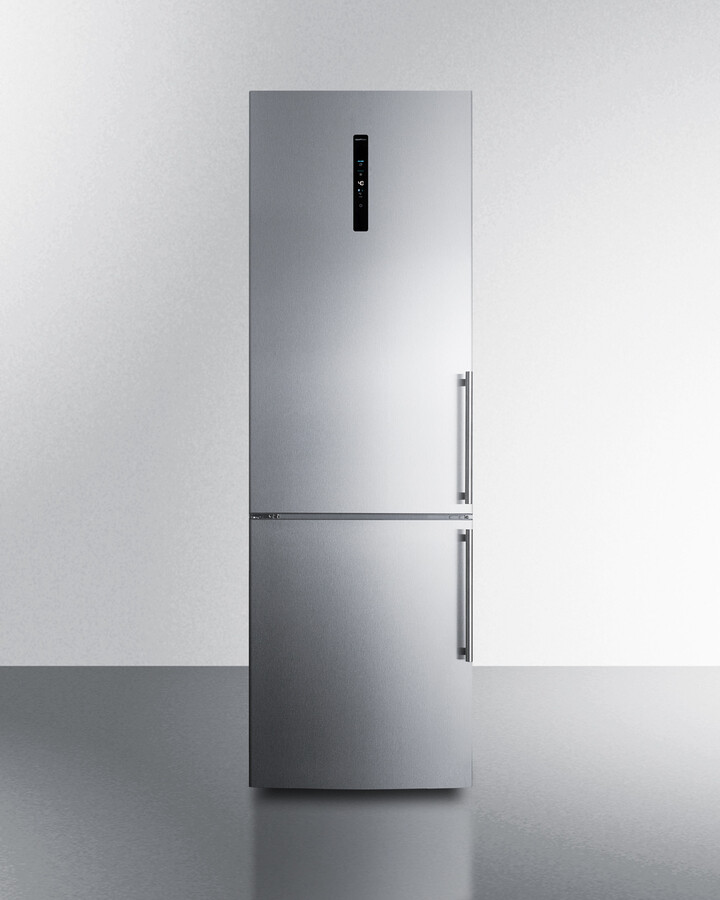
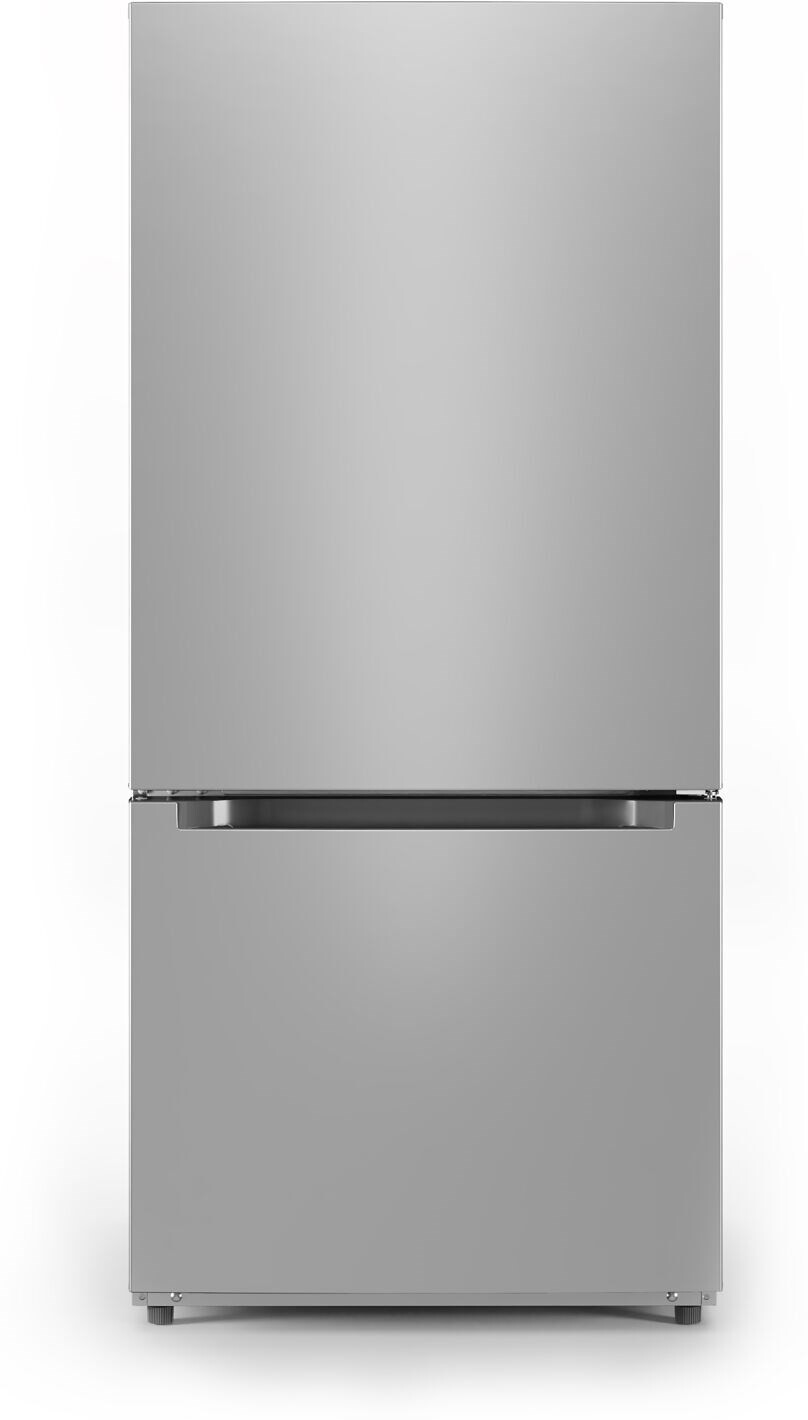
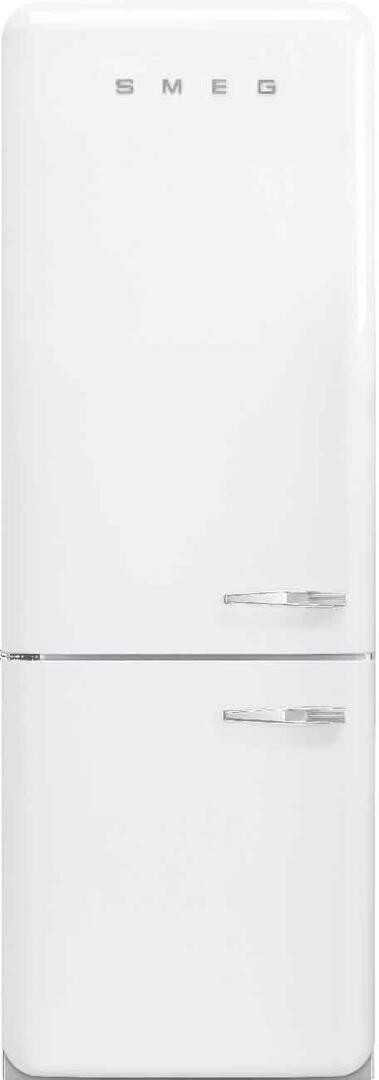
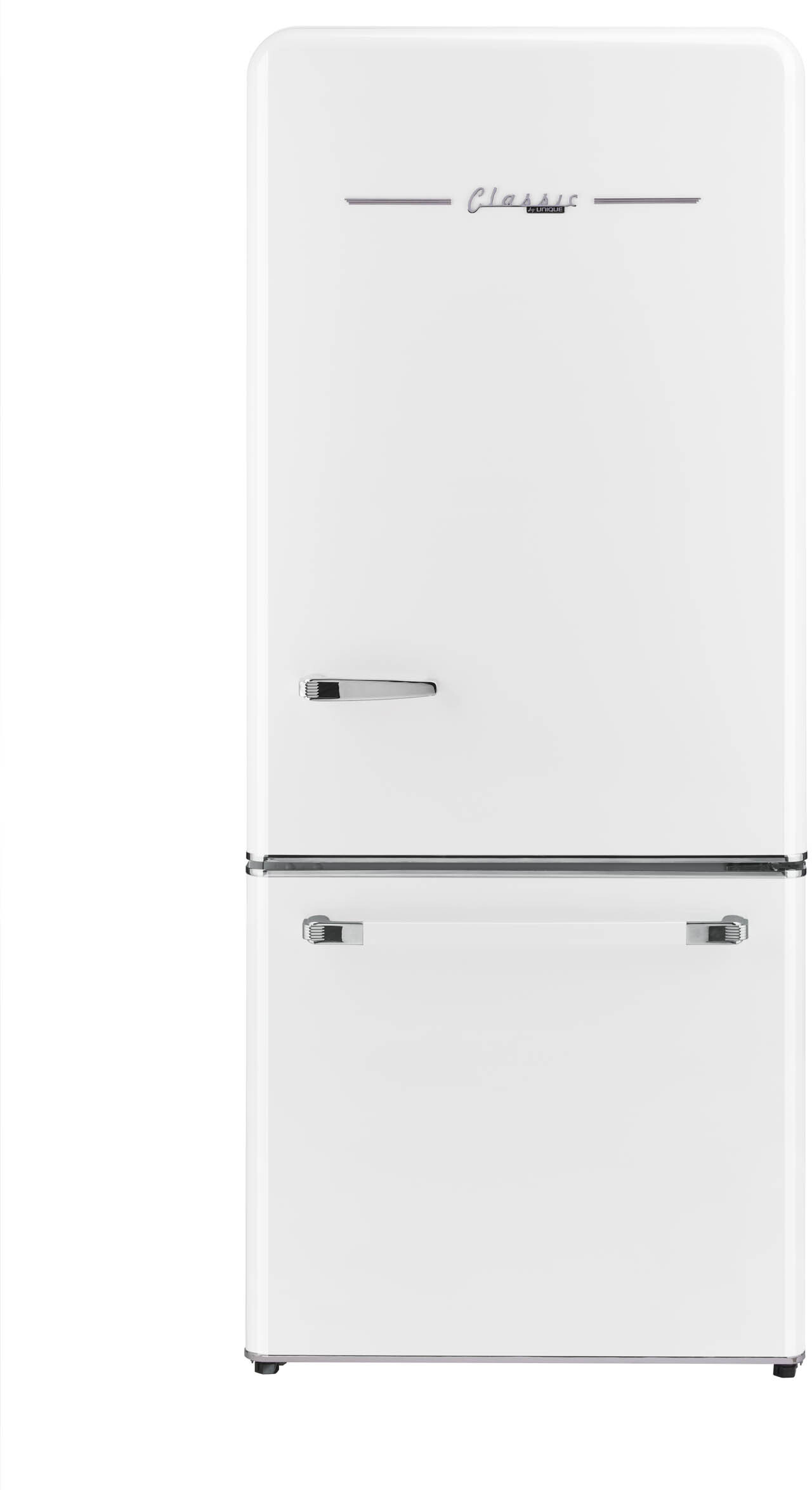
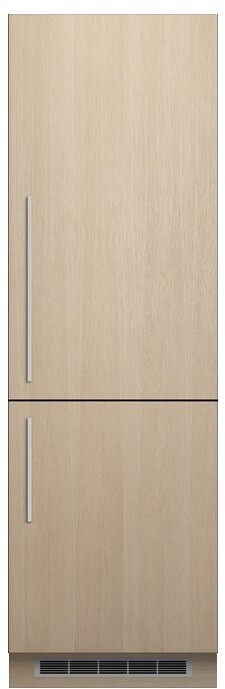
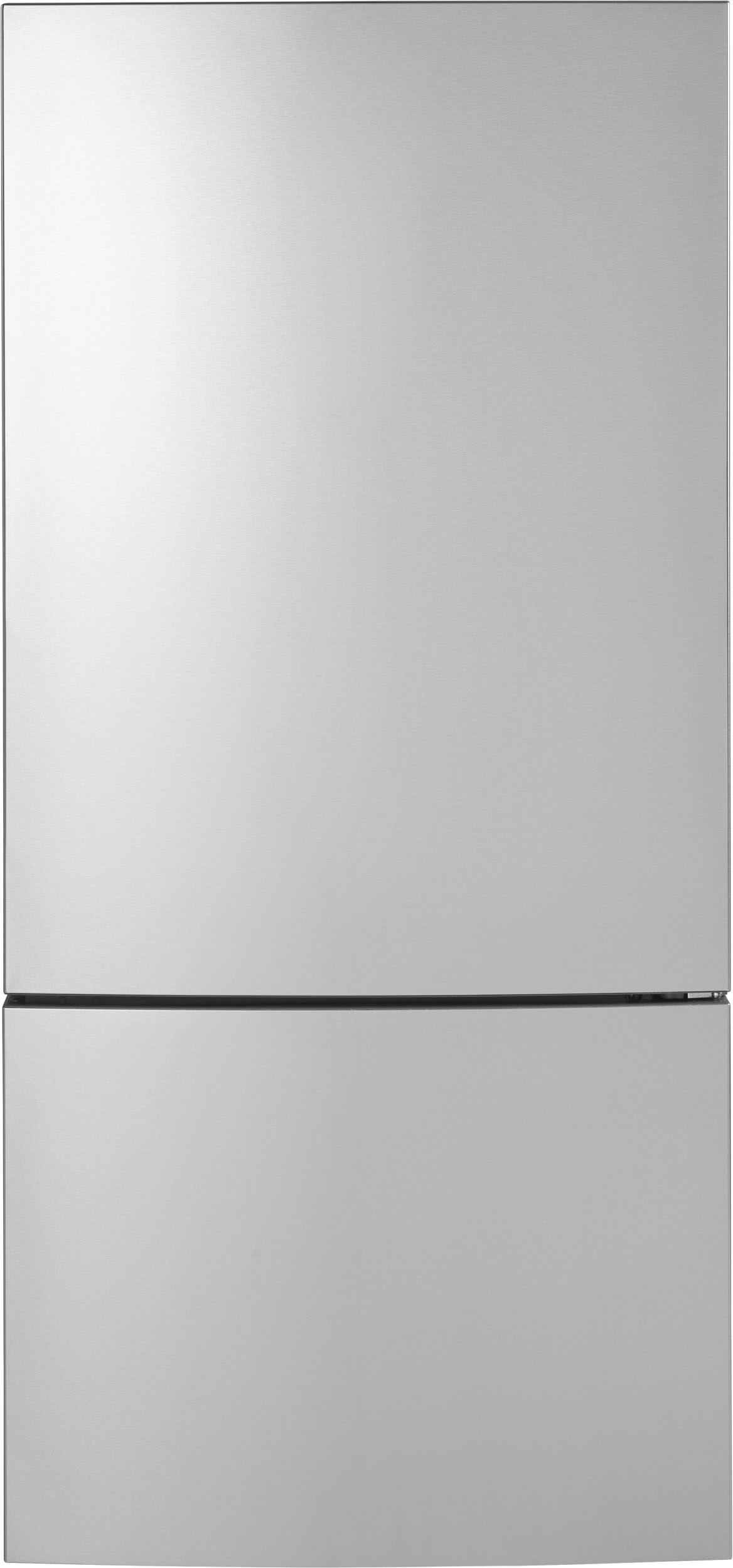
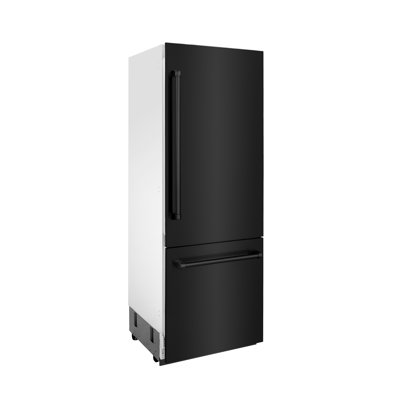
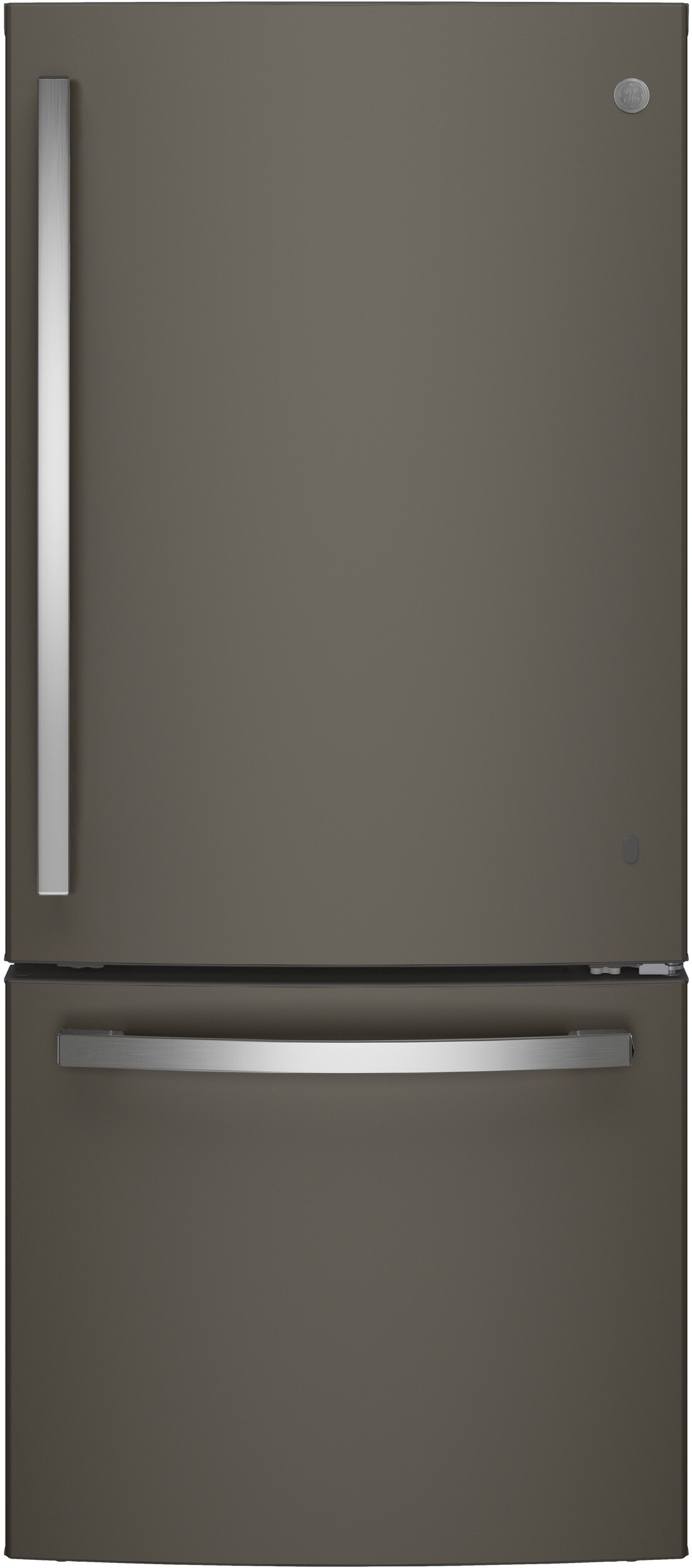
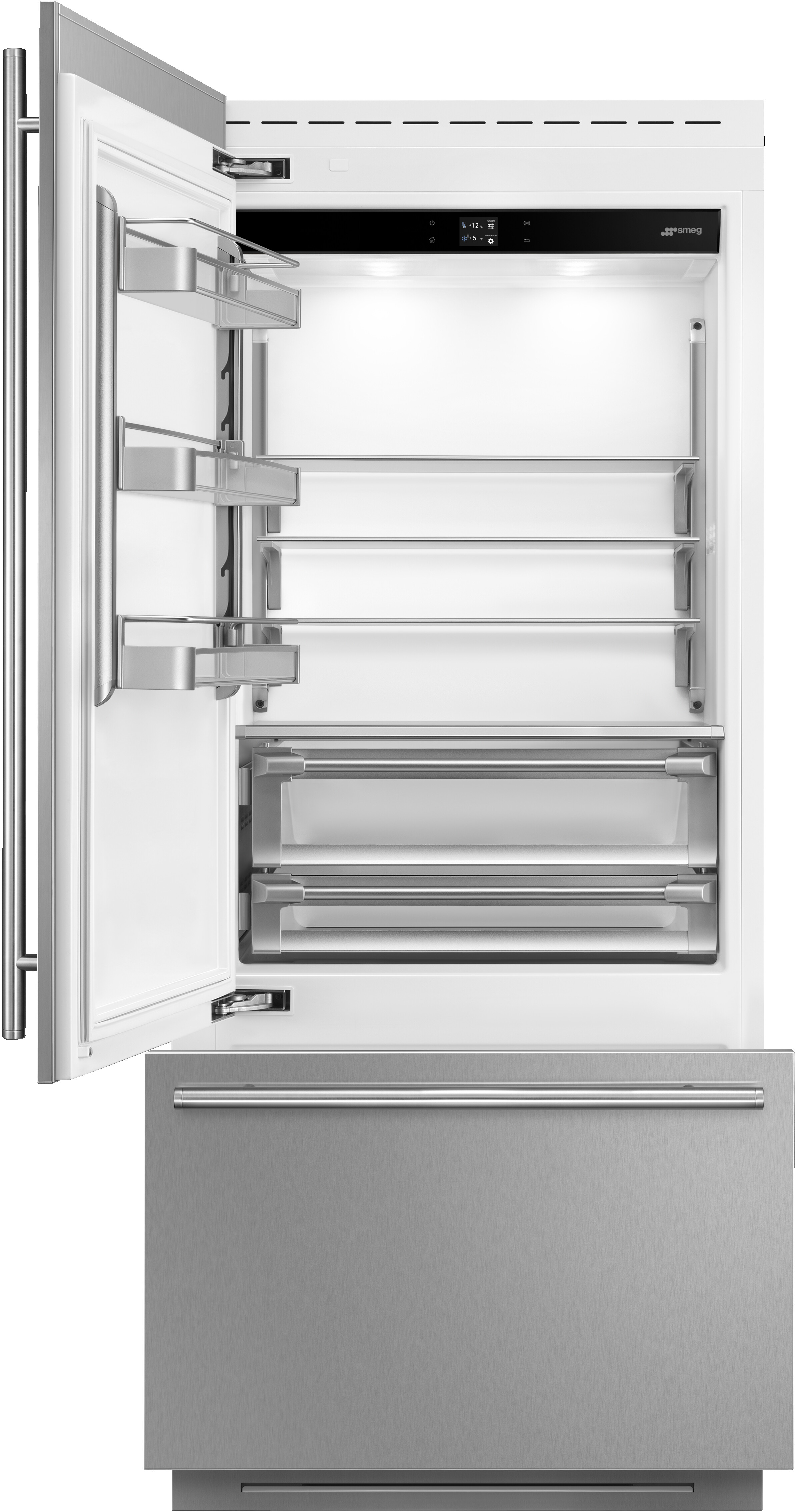
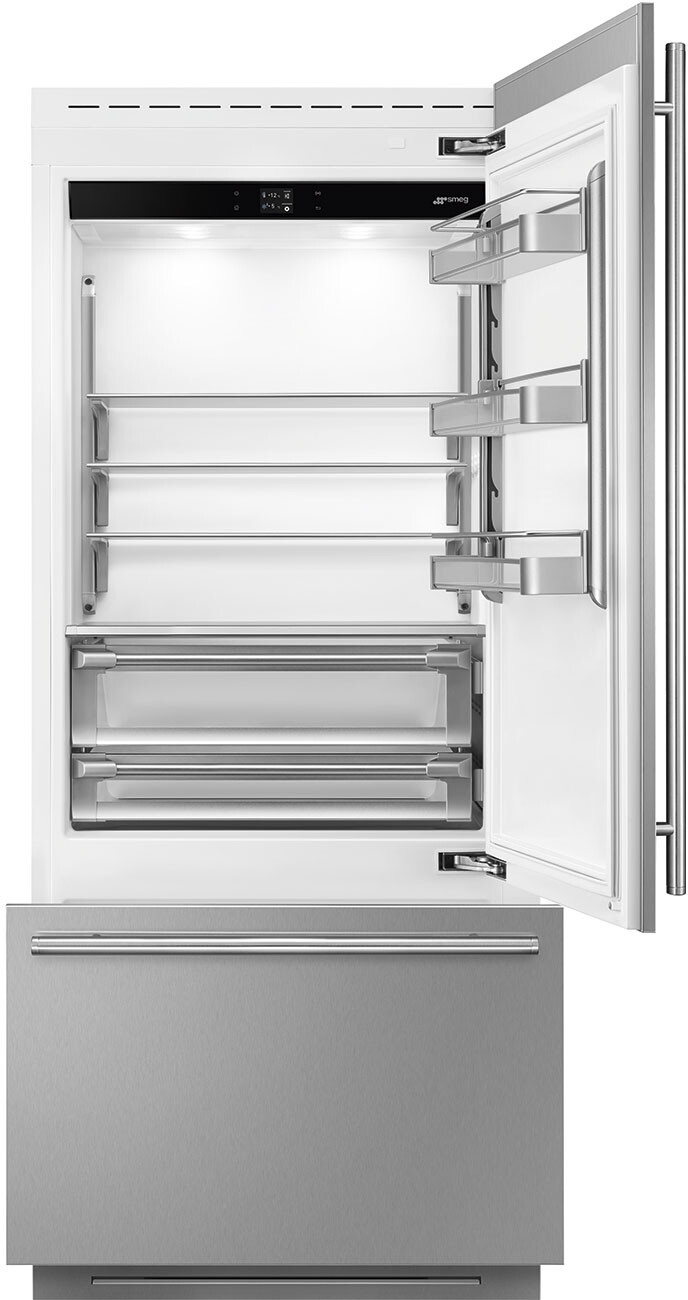
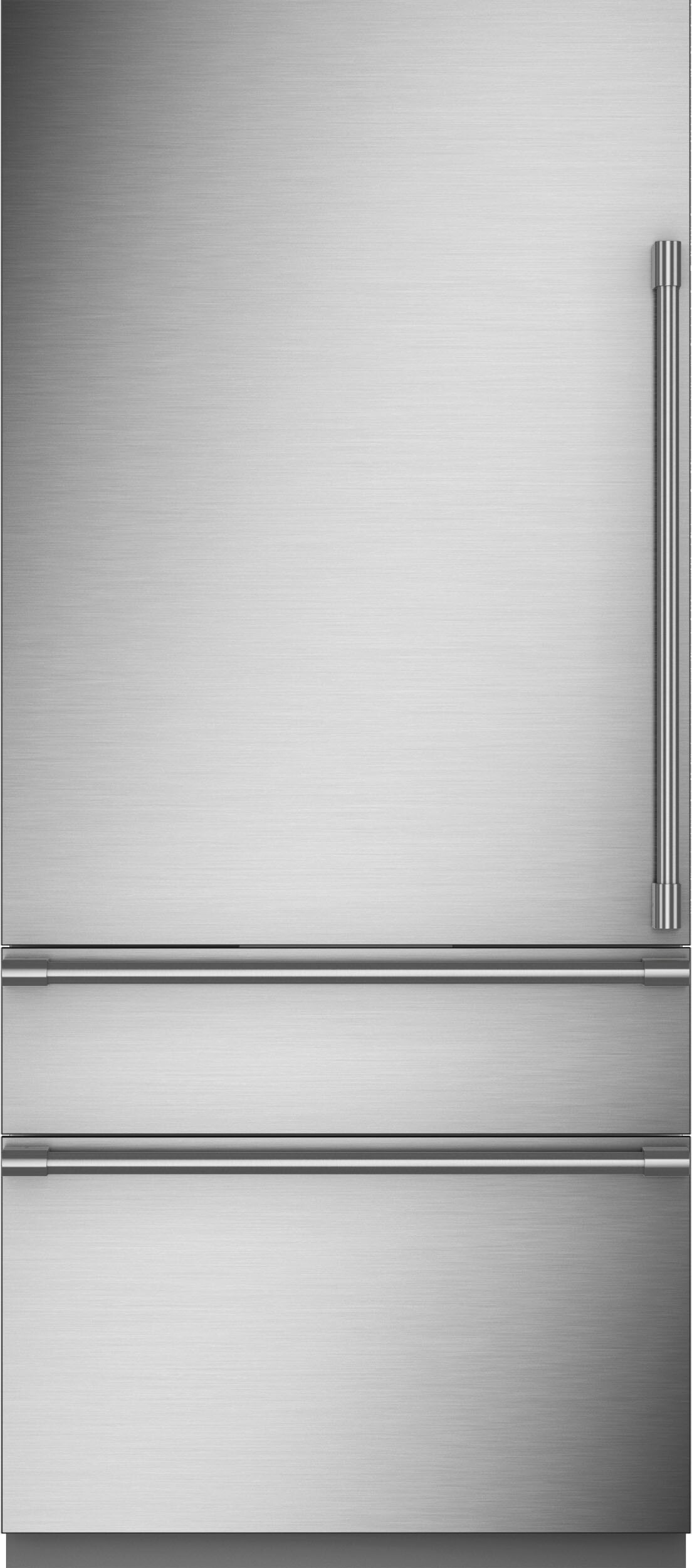
These fridges maintain a stable environment with precise temperature control and often include multiple temperature zones to accommodate different types of wine.
Multiple temperature zones for different wine types.
When choosing a refrigeration option, it's essential to understand the different types available and their unique features. In this section, Fridge.com will explore bottom freezer refrigerators and wine fridges, helping you to make an informed decision that suits your needs.
Exploring Bottom Freezer Refrigerators
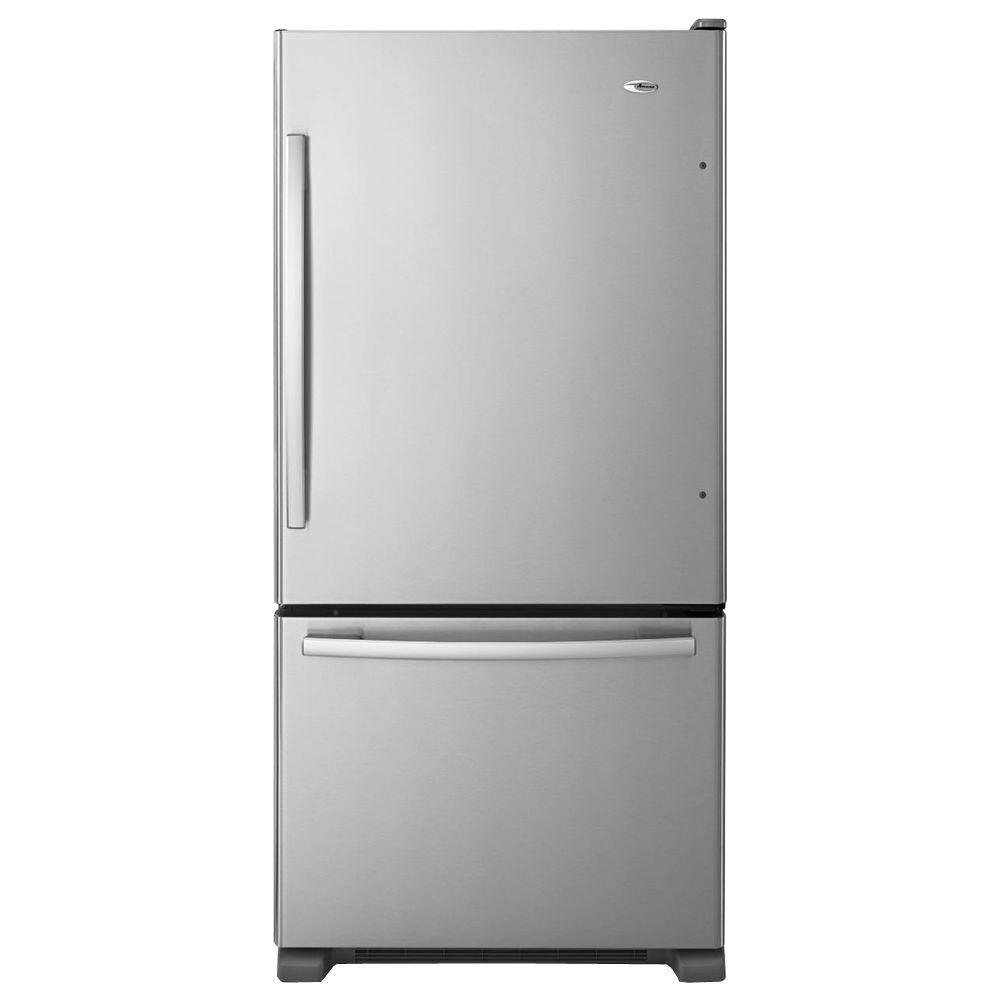
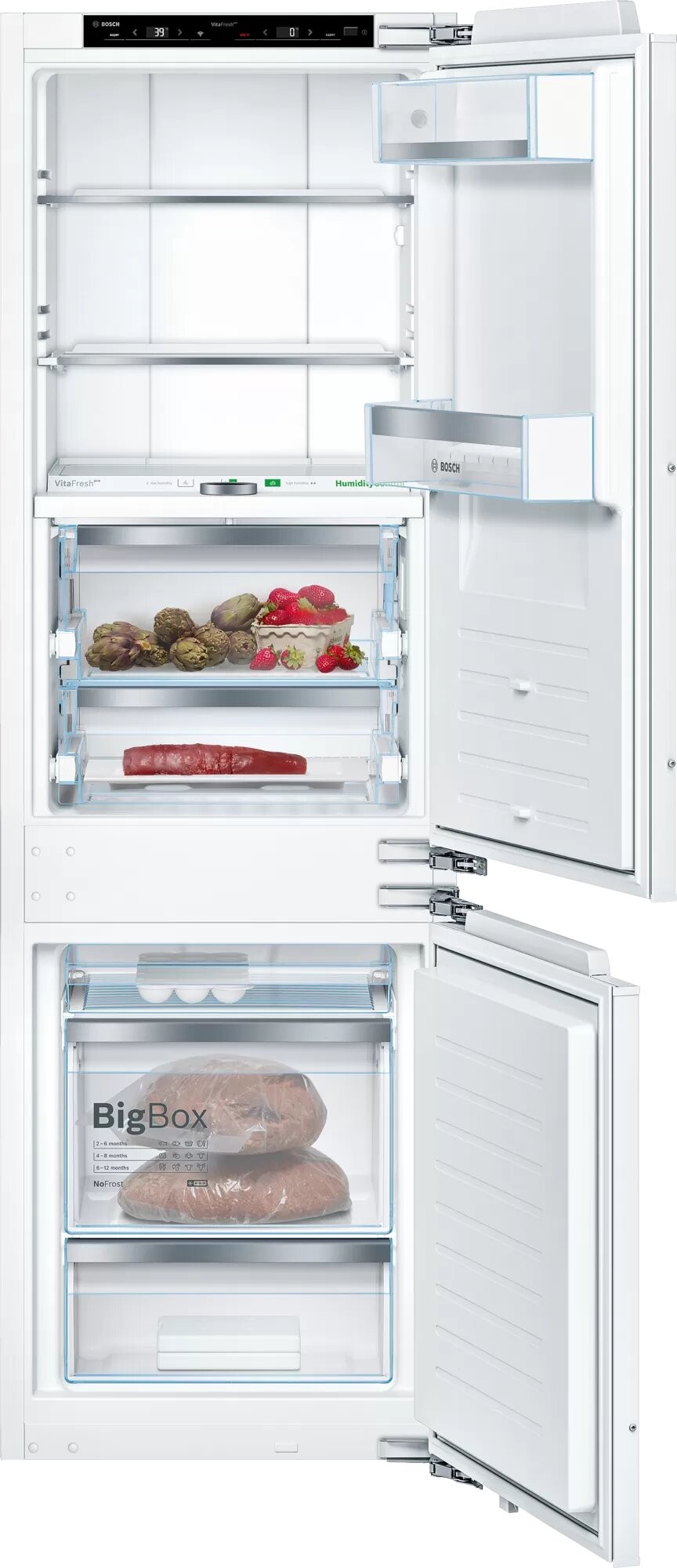
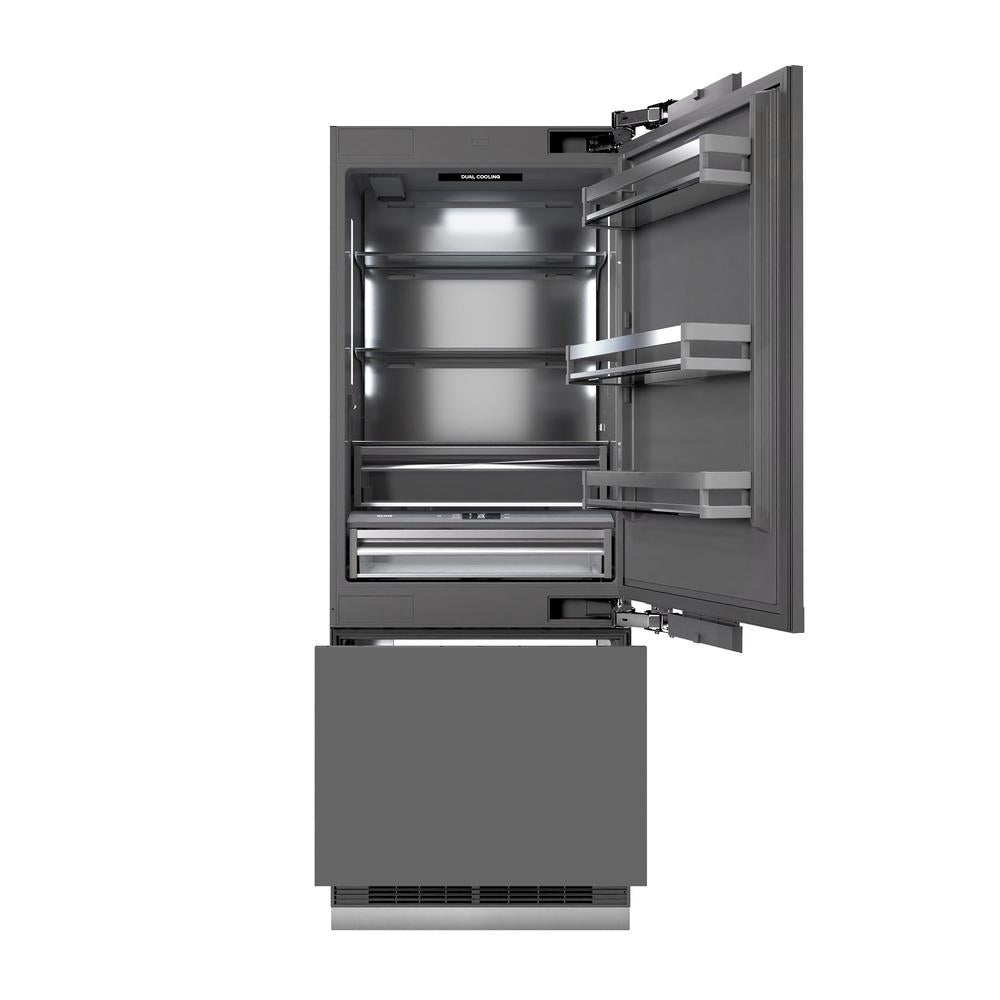
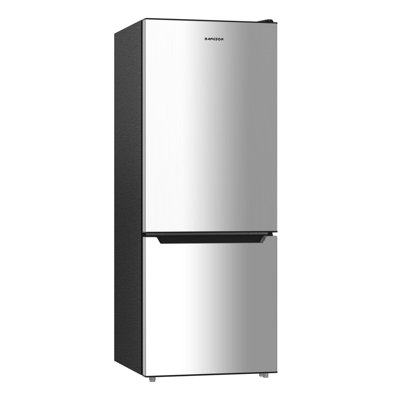
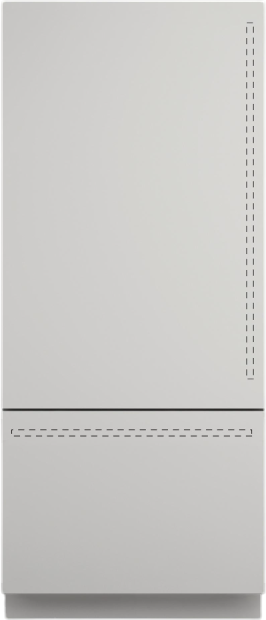
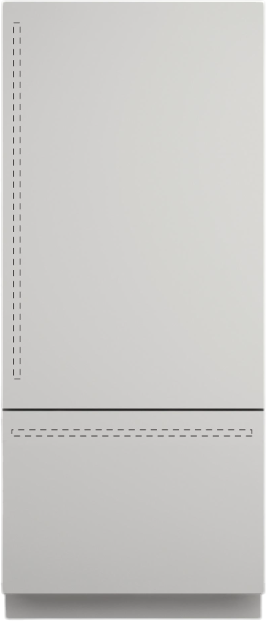
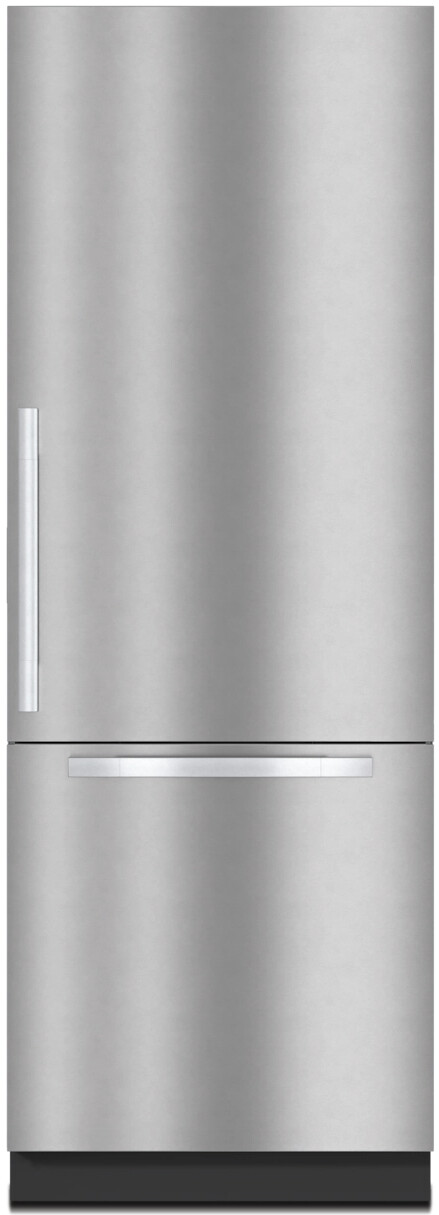
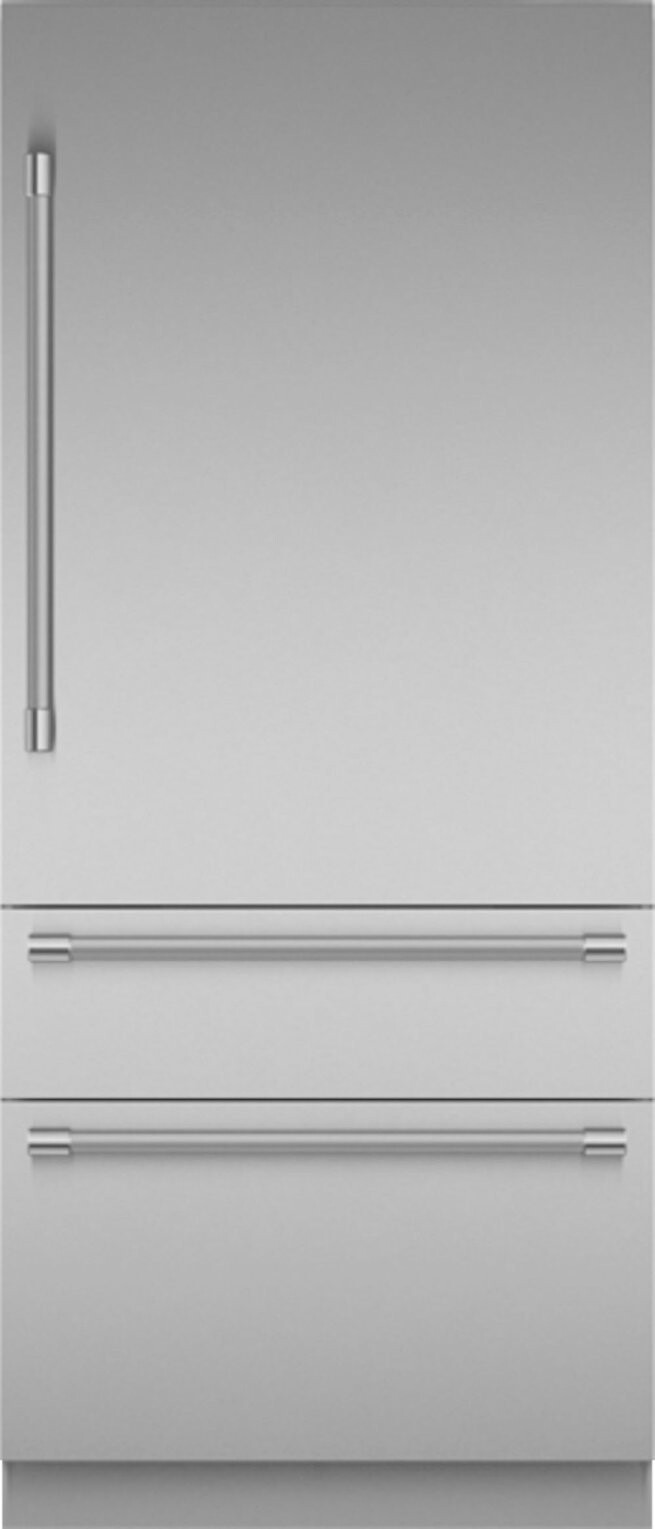
Bottom freezer refrigerators are a popular choice for many households. These units feature a refrigerator compartment on the top and a freezer compartment at the bottom, providing easy access to fresh foods while keeping frozen items out of the way. This design is especially convenient for those who use the refrigerator more frequently than the freezer.
Advantages:
Convenient access to fresh foods
More storage space for larger items
Ergonomic design reduces bending to access the refrigerator
Wine fridges, also known as wine coolers, are specifically designed to store wine at optimal temperatures. These fridges maintain a stable environment with precise temperature control and often include multiple temperature zones to accommodate different types of wine. They also help preserve the quality and flavor of your wine collection.
Advantages:
Precise temperature control for wine storage
Multiple temperature zones for different wine types
Humidity control to maintain cork integrity
Feature
Description
Temperature Control
Precise, often with multiple zones
Humidity Levels
Maintains optimal humidity for wine storage
Capacity
Varies, typically measured in bottle count
If you are interested in understanding more about wine preservation options, visit Fridge.com article on ice machine Vs. wine cooler.
By exploring these refrigeration options, you can determine which type best fits your lifestyle and storage needs. Whether you prioritize easy access to fresh foods or the preservation of your wine collection, understanding the features and benefits of each will guide your decision. For additional comparisons, consider reading bottom freezer refrigerator Vs. small refrigerator to further explore your options.
When evaluating refrigeration options, it's essential to understand the unique features of bottom freezer refrigerators. This section will delve into their design and layout, as well as their storage capacity and organization.
Design and Layout
Bottom freezer refrigerators are designed with the freezer compartment located at the bottom, while the refrigerator section sits at eye level. This design allows for easy access to frequently used items without the need to bend down.
Key Design Features:
Refrigerator at Eye Level: Makes it easier to see and reach items.
Pull-Out Freezer Drawer: The bottom freezer often features a pull-out drawer, providing ample space for frozen foods.
Adjustable Shelves: Many models come with adjustable shelves, allowing you to customize the interior layout.
Feature
Description
Refrigerator Position
Eye Level
Freezer Type
Pull-Out Drawer
Shelves
Adjustable
Storage Capacity and Organization
Bottom freezer refrigerators offer substantial storage capacity, making them suitable for families or those who entertain frequently. The layout is designed to maximize space and improve organization.
Key Storage Features:
Large Freezer Capacity: The bottom drawer usually offers more space compared to top-freezer models.
Multiple Drawers and Bins: These help in organizing both fresh and frozen foods.
Door Storage: The refrigerator door often includes shelves and bins for condiments, drinks, and other small items.
Storage Feature
Description
Freezer Capacity
Large
Drawers and Bins
Multiple
Door Storage
Shelves and Bins
For a more detailed comparison of different refrigerator types, you can explore Fridge.com articles on bottom freezer refrigerator Vs. small refrigerator and convertible freezer Vs. medium size refrigerator.
Understanding these features can help you decide if a bottom freezer refrigerator meets your needs. Whether you prioritize easy access, ample storage, or better organization, these refrigerators offer a range of benefits. If you're also interested in alternative refrigeration options, check out Fridge.com article on drawer freezer Vs. garage freezer.
Features of Wine Fridges
Wine fridges are specifically designed to store wine at the optimal conditions, ensuring that each bottle maintains its flavor and quality. These specialized refrigerators offer a range of features tailored to meet the needs of wine enthusiasts.
Temperature Control and Zones
Temperature control is a critical feature of wine fridges. Maintaining the right temperature is essential for preserving the taste and longevity of your wine. Most wine fridges offer precise temperature settings, allowing you to create the perfect environment for your collection.
Wine fridges often come with single-zone or dual-zone temperature control:
Feature
Single-Zone Wine Fridge
Dual-Zone Wine Fridge
Temperature Zones
One
Two
Ideal For
Storing one type of wine (e.g., all red or all white)
Storing different types of wine (e.g., red and white)
Temperature Range
45°F - 65°F
40°F - 65°F
Single-zone wine fridges are suitable for those who primarily store one type of wine, while dual-zone fridges are ideal for those with a varied collection. For more information on different refrigeration options, see Fridge.com article on convertible freezer Vs. medium size refrigerator.
Humidity Levels and Storage Options
Humidity control is another vital feature of wine fridges. Proper humidity levels prevent corks from drying out and maintain the integrity of the wine. Many wine fridges are equipped with humidity control systems to ensure the ideal environment.
Storage options in wine fridges are designed to accommodate various bottle shapes and sizes, and some models offer adjustable shelving. This flexibility is beneficial for organizing and accessing your collection.
Feature
Description
Humidity Control
Maintains ideal humidity levels (50%-80%)
Shelving
Adjustable, accommodates different bottle sizes
Capacity
Ranges from small (12 bottles) to large (150+ bottles)
For more details on storage solutions, check out Fridge.com guide on drawer freezer Vs. garage freezer.
Understanding these features will help you choose the best wine fridge for your needs. Whether you are a casual wine drinker or a connoisseur, having the right wine fridge ensures your collection is stored in optimal conditions. For a comparison with other refrigeration options, take a look at Fridge.com article on mini fridge Vs. refrigerator drawer.
Bottom freezer refrigerators offer a range of benefits that make them a popular choice for many households. Here are some of the key advantages:
Convenient Access to Fresh Food: With the freezer located at the bottom, you can easily access fresh foods stored in the refrigerator section without bending down. This is particularly beneficial for those who frequently use fresh produce, dairy, and beverages.
Efficient Organization: Bottom freezer models often come with pull-out drawers and shelves that help in organizing frozen items efficiently. This makes it easier to find and retrieve items stored in the freezer.
Energy Efficiency: These refrigerators tend to be more energy-efficient compared to top freezer models. The bottom-mounted freezer helps in reducing the amount of warm air entering the freezer compartment when opened, maintaining a consistent temperature.
Modern Design: Bottom freezer refrigerators usually feature sleek and modern designs that can complement various kitchen styles. They often include additional features such as water dispensers and ice makers.
Feature
Description
Access to Fresh Food
Easier to reach fresh items without bending
Organization
Efficient pull-out drawers and shelves
Design
Modern and sleek with additional features
Disadvantages
Despite their advantages, bottom freezer refrigerators also have some drawbacks. Here are a few disadvantages to consider:
Higher Cost: These refrigerators tend to be more expensive compared to top freezer models. The advanced features and modern design contribute to the higher price tag.
Heavier Freezer Drawer: The bottom freezer drawer can become quite heavy when fully stocked. This can make it challenging to open and close, especially for individuals with limited strength or mobility issues.
Less Freezer Space: Bottom freezer refrigerators often have less freezer space compared to top freezer models. If you require a larger freezer capacity for storing bulk items, this might be a limitation.
Maintenance: Cleaning and maintenance of the bottom freezer can be more cumbersome due to its location. Bending down to clean the freezer compartment may not be convenient for everyone.
Feature
Description
Cost
Generally more expensive
Freezer Drawer Weight
Can become heavy when fully stocked
Freezer Space
Typically less than top freezer models
Maintenance
More cumbersome due to lower location
When comparing refrigeration options, it's important to weigh the advantages and disadvantages of each type. For more comparisons, check out Fridge.com articles on convertible freezer Vs. medium size refrigerator and drawer freezer Vs. garage freezer.
Pros and Cons of Wine Fridges
Advantages
Wine fridges come with a variety of benefits, especially for those who appreciate and collect wine. Here are some of the advantages:
Temperature Control: Wine fridges offer precise temperature control, which is essential for preserving the quality and flavor of your wine. You can set the temperature to the ideal range for different types of wine.
Dual Temperature Zones: Many wine fridges come with dual temperature zones, allowing you to store red and white wines at their respective optimal temperatures.
Humidity Control: Maintaining the right humidity level is crucial for wine storage. Wine fridges often feature humidity control settings to prevent corks from drying out and ensure the wine ages properly.
UV Protection: Wine fridges typically have UV-protected glass doors that shield your wine from harmful ultraviolet rays, which can degrade the quality of the wine over time.
Customizable Shelving: These fridges often come with adjustable shelves that can accommodate different bottle sizes and shapes, making organization easy and efficient.
Vibration Reduction: Wine fridges are designed to minimize vibrations, which can disturb the sediment in wine bottles and negatively impact the aging process.
Feature
Benefit
Temperature Control
Preserves wine quality
Dual Temperature Zones
Stores different wines at optimal temperatures
Humidity Control
Prevents corks from drying
UV Protection
Shields wine from degradation
Customizable Shelving
Accommodates various bottle sizes
Vibration Reduction
Ensures proper aging
Disadvantages
While wine fridges have numerous benefits, they also come with some drawbacks. Here are a few disadvantages to consider:
Limited Storage: Wine fridges are designed specifically for wine bottles and may not offer the same storage flexibility as a regular refrigerator.
Cost: Wine fridges can be more expensive compared to standard refrigerators, especially if they come with advanced features like dual temperature zones and humidity control.
Space Requirements: These fridges can take up a significant amount of space in your home, which might be a concern if you have limited room.
Energy Consumption: Wine fridges can consume more energy than standard fridges due to the need for precise temperature and humidity control.
Specialized Use: Wine fridges are specialized appliances; they are not suitable for storing other types of food or beverages.
Drawback
Impact
Limited Storage
Less versatile
Cost
Higher initial investment
Space Requirements
Requires more room
Specialized Use
Not multi-purpose
Choosing between a wine fridge and other refrigeration options depends on your specific needs and preferences. For more comparisons, visit Fridge.com articles on convertible freezer Vs. medium size refrigerator and mini fridge Vs. refrigerator drawer.
Choosing the Right Refrigeration Option for Your Needs
Selecting the right refrigeration option depends on various factors that align with your specific requirements and preferences.
Factors to Consider
Storage Needs: Determine if you need more freezer space or wine storage. Bottom freezer refrigerators are ideal for general food storage, while wine fridges are designed to store wine bottles at optimal temperatures.
Temperature Control: Consider the precision of temperature control. Wine fridges often offer better temperature stability and multiple zones for different types of wine, whereas bottom freezer refrigerators provide standard refrigeration and freezing temperatures.
Humidity Levels: If you need to store wine, maintaining the proper humidity is crucial. Wine fridges typically have features to control humidity, preventing corks from drying out.
Space and Design: Assess the available space in your home. Bottom freezer refrigerators are larger and may require more room, whereas wine fridges come in various sizes, including compact designs suitable for smaller spaces.
Energy Efficiency: Compare the energy consumption of both options. Bottom freezer refrigerators may consume more power due to their larger size, while wine fridges are often designed to be more energy-efficient for long-term wine storage.
Budget: Evaluate your budget constraints. Bottom freezer refrigerators can be more expensive due to their size and features, whereas wine fridges offer a range of prices depending on their capacity and technology.
Usage Frequency: Think about how often you use the appliance. If you frequently access frozen foods, a bottom freezer refrigerator might be more convenient. If you are a wine enthusiast, a wine fridge could be more beneficial.
Making an Informed Decision
When making your decision, weigh the pros and cons of each option. Here’s a comparison table to help you evaluate:
Feature
Bottom Freezer Refrigerator
Wine Fridge
Storage Capacity
Large, versatile storage
Specialized wine storage
Temperature Control
Standard refrigeration
Precision control, zones
Humidity Control
Basic humidity control
Advanced humidity control
Space Requirement
Requires more space
Compact options available
Cost
Higher
Varies, generally lower
Ideal Usage
General food storage
Wine storage
By considering these factors and comparing the features, you can make an informed choice that best suits your needs. For additional comparisons, you can explore articles like convertible freezer Vs. medium size refrigerator or drawer freezer Vs. garage freezer.
Compare prices on Fridge.com
Compare current prices and specifications on Fridge.com, then buy from the retailer you choose; delivery, installation and warranty terms are the retailer’s.
It also has tons of awesome articles about kitchen stuff and home news. Enhance your home, garage, backyard, patio, and office with the coolest essentials. With every necessary type of residential refrigerator or freezer in the collection, you're covered.
Free tool
Wine Refrigerator Calculator
Free interactive tool from Fridge.com — get a quick answer while you read.