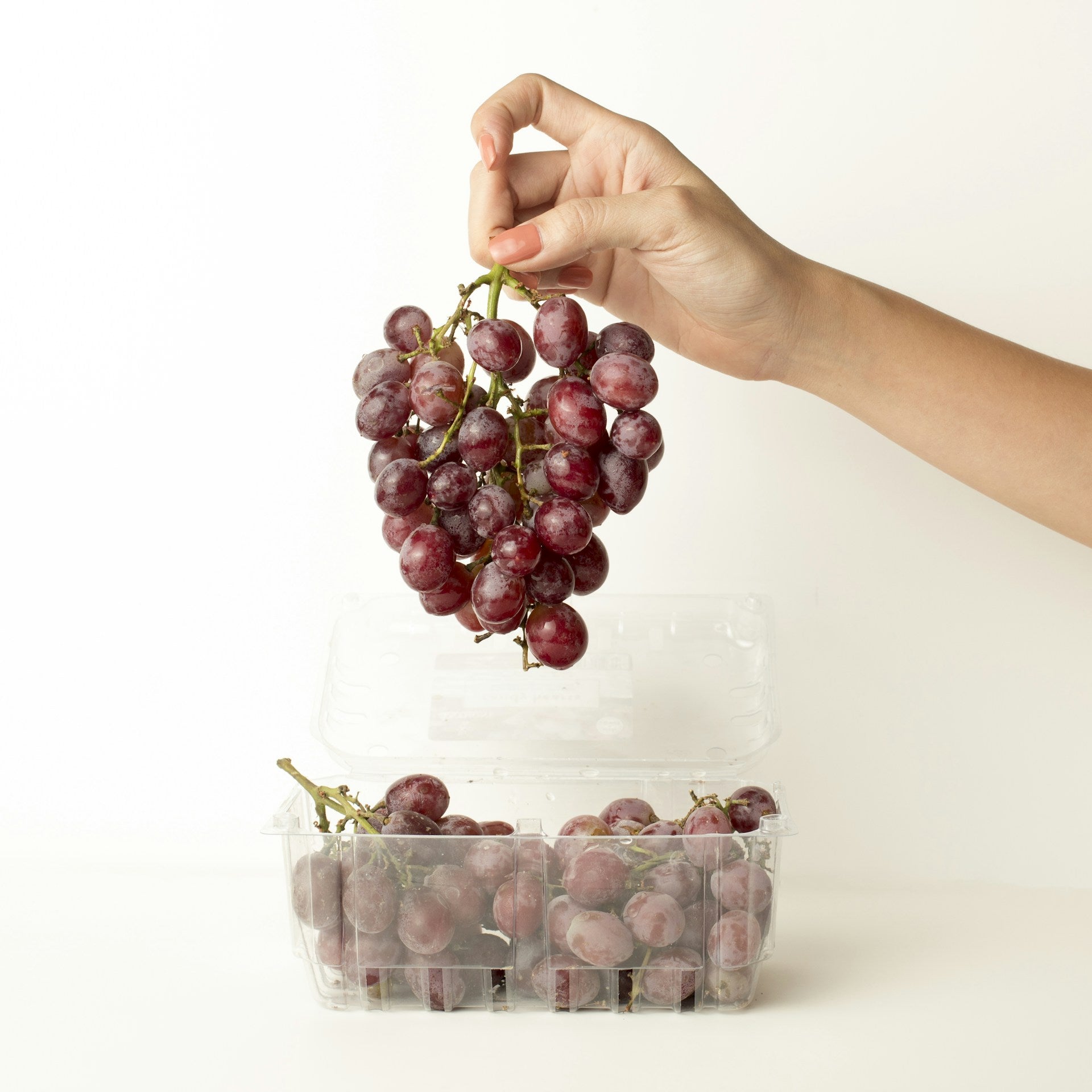
Best Way To Store Grapes In The Refrigerator
Storing Grapes for Freshness
To enjoy your grapes at their best, proper storage is essential. Knowing the importance of correct storage and the ideal conditions can significantly extend the freshness of your grapes.
Importance of Proper Storage
Proper storage of grapes ensures they remain fresh and tasty for a longer period. Incorrect storage can lead to spoilage, loss of flavor, and even a reduced nutritional value. Grapes are particularly sensitive to temperature and humidity, so understanding how to store them correctly can make a significant difference.
Grapes stored properly can be enjoyed for up to a week or more. For more detailed information, check out our article on how long do grapes last in the refrigerator?.
Understanding the Ideal Conditions
Grapes thrive in a cool, humid environment. The ideal temperature for storing grapes is between 32°F and 40°F. Maintaining this temperature range helps to slow down the ripening process and preserve the grapes' freshness.
| Condition | Ideal Range |
|---|---|
| Temperature | 32°F - 40°F |
| Humidity | 90% - 95% |
Humidity is another critical factor. Grapes require high humidity levels, around 90% to 95%, to prevent them from drying out. Most modern refrigerators come with a crisper drawer that is designed to maintain high humidity levels, making it an ideal spot for storing your grapes.
By understanding these ideal conditions, you can ensure your grapes remain fresh and delicious. For more tips on the best way to store grapes in the fridge, visit our detailed guide best way to store grapes in the fridge.
Using these guidelines, you can enjoy fresh grapes for an extended period. For more insights, check out how to keep grapes fresh in the fridge.
Preparing Grapes for Storage
Proper preparation is key to extending the shelf life of grapes in your refrigerator. This section will guide you through the essential steps of cleaning and removing damaged grapes.
Cleaning Grapes
Before storing grapes, it's crucial to clean them thoroughly. This helps remove any dirt, pesticides, or bacteria that may be present on the surface. Follow these steps to clean your grapes effectively:
Rinse Under Cold Water: Place the grapes in a colander and rinse them under cold running water. Gently rub the grapes with your hands to ensure all surfaces are cleaned.
Use a Vinegar Solution: For an extra level of cleanliness, you can create a solution using one part white vinegar to three parts water. Soak the grapes in this solution for about five minutes, then rinse thoroughly with cold water.
Dry the Grapes: After rinsing, spread the grapes out on a clean kitchen towel or paper towels to air dry. Pat them gently to remove excess moisture.
By cleaning your grapes properly, you reduce the risk of contamination and help maintain their freshness. For more tips on storing cleaned grapes, visit our article on how to store washed grapes in the fridge.
Removing Damaged Grapes
Inspecting and removing damaged grapes is an essential step in the preparation process. Damaged or spoiled grapes can accelerate the deterioration of the entire bunch. Here's how to identify and remove them:
Visual Inspection: Look for grapes that are discolored, shriveled, or have visible mold. These are signs that the grapes are no longer fresh and should be discarded.
Check for Soft Spots: Gently squeeze the grapes to check for any soft or mushy spots. Healthy grapes should be firm to the touch.
Remove Damaged Grapes: Carefully pluck out any damaged grapes from the bunch. This helps prevent the spread of spoilage to the surrounding healthy grapes.
By removing damaged grapes, you help extend the shelf life of the remaining healthy ones. For more information on how to keep your grapes fresh, check out our article on how to keep grapes fresh in the refrigerator.
| Step | Action |
|---|---|
| Rinse Under Water | Use cold running water, gently rub grapes |
| Vinegar Solution | Soak in 1:3 vinegar-water solution, rinse |
| Dry Grapes | Air dry on kitchen towel or paper towels |
| Visual Inspection | Look for discoloration, mold, shriveling |
| Check for Soft Spots | Squeeze to identify mushy grapes |
| Remove Damaged | Discard any damaged or spoiled grapes |
Proper cleaning and removing damaged grapes are crucial steps in the process. By taking the time to prepare your grapes correctly, you'll ensure they stay fresh and delicious for as long as possible in your refrigerator. For more detailed guidelines, visit our article on how to store grapes in the refrigerator.
Refrigerator Storage Tips
Properly storing grapes in the refrigerator ensures they remain fresh and delicious. Here are some essential tips for optimal storage conditions.
Temperature Settings
Grapes thrive in cool environments. The ideal temperature for storing grapes in the refrigerator is between 32°F and 40°F. Maintaining this temperature range helps slow down the ripening process and prevents spoilage.
| Temperature (°F) | Freshness Duration |
|---|---|
| 32 - 34 | 1 - 2 weeks |
| 35 - 37 | 1 week |
| 38 - 40 | 5 - 7 days |
Ensure your refrigerator is set to the appropriate temperature to maximize the shelf life of your grapes. For more details on how long grapes last in the fridge, check out our article on how long do grapes last in the refrigerator?.
Humidity Levels in the Refrigerator
Humidity plays a crucial role in maintaining the freshness of grapes. Grapes prefer a slightly higher humidity level, around 90-95%, to prevent them from drying out. Most modern refrigerators come with a crisper drawer that allows you to adjust the humidity settings.
| Humidity Level (%) | Freshness Duration |
|---|---|
| 90 - 95 | 1 - 2 weeks |
| 80 - 90 | 1 week |
| < 80 | 5 - 7 days |
To keep the humidity levels optimal, store the grapes in the crisper drawer with the humidity control set to high. This helps retain the natural moisture in the grapes and extends their shelf life. For additional storage tips, visit our article on how to store grapes in the fridge.
For further reading on related topics, explore:
- Best way to store grapes in the fridge
- How long do grapes last in the fridge?
- Should grapes be refrigerated?
Best Containers for Grape Storage
Proper storage is essential for maintaining grape freshness. Choosing the right container and avoiding moisture build-up can make a significant difference.
Choosing the Right Container
Selecting the right container helps to maintain the quality of your grapes. An ideal container allows for adequate air circulation, which prevents mold growth and keeps grapes fresh longer. Here are some recommended options:
- Perforated Plastic Containers: These containers have small holes that promote airflow and reduce moisture accumulation.
- Vented Bags: These bags are designed to allow air circulation while keeping the grapes contained.
- Baskets with Liners: Using a basket with a paper towel liner can help absorb excess moisture while allowing air to circulate.
| Container Type | Benefits | Drawbacks |
|---|---|---|
| Perforated Plastic Containers | Good airflow, reusable | May take up more space |
| Vented Bags | Convenient, single-use | Not eco-friendly |
| Baskets with Liners | Absorbs moisture, good airflow | Requires more maintenance |
Avoiding Moisture Build-Up
Excess moisture is one of the main culprits behind grape spoilage. To avoid moisture build-up, consider the following tips:
- Use Paper Towels: Line the bottom of your container with a paper towel to absorb excess moisture.
- Check Humidity Levels: Ensure your refrigerator's humidity levels are appropriate for storing grapes. High humidity can lead to faster spoilage.
- Avoid Washing Before Storage: Only wash grapes right before consumption to prevent excess moisture from accelerating spoilage.
| Method | Description | Benefits |
|---|---|---|
| Paper Towels | Line container bottom | Absorbs moisture |
| Check Humidity | Monitor fridge levels | Reduces spoilage risk |
| Avoid Pre-Washing | Wash before eating | Minimizes moisture |
By using the right container and managing moisture levels, you can keep your grapes fresher for longer. For more tips, visit our article on how to store grapes in the refrigerator and learn about the best way to store grapes in the fridge.
Organizing Grapes in the Refrigerator
Proper organization of grapes in the refrigerator ensures they remain fresh and safe to eat. This section will discuss how to place grapes correctly in the fridge and how to avoid cross-contamination.
Proper Placement in the Fridge
Grapes should be stored in the right section of the refrigerator to maintain their freshness. The crisper drawer is the most suitable place for grapes as it helps control humidity and temperature levels. The drawer's settings can be adjusted to a lower humidity level, which is ideal for grapes.
| Storage Location | Humidity Level | Temperature |
|---|---|---|
| Crisper Drawer | Low | 32-36°F (0-2°C) |
| Top Shelf | Moderate | 35-38°F (1.6-3.3°C) |
| Middle Shelf | Moderate | 37-40°F (2.7-4.4°C) |
For more detailed information on how to store grapes in the refrigerator, refer to our related articles.
Avoiding Cross-Contamination
To prevent cross-contamination, grapes should be stored in a separate container or bag. This prevents contact with other fruits and vegetables that might release ethylene gas, which can accelerate the ripening process. It's also essential to ensure the container is clean and dry to avoid moisture build-up, which can lead to mold growth.
Here are some tips to avoid cross-contamination:
- Use a dedicated container with ventilation holes.
- Do not wash grapes until ready to eat to prevent excess moisture.
- Keep grapes away from strong-smelling foods to avoid absorbing odors.
For more tips on how to keep grapes fresh in the refrigerator, explore our other articles.
By following these guidelines, you can ensure your grapes stay fresh and delicious for as long as possible. For more insights on how long grapes last in the fridge, check out our comprehensive guides.
Checking Grape Freshness
Signs of Spoilage
To ensure your grapes remain fresh, it's crucial to regularly check them for signs of spoilage. Identifying spoilage early can help you prevent the spread of decay to other fruits stored nearby. Here are some common indicators that your grapes may be going bad:
- Softness: Fresh grapes should be firm to the touch. If they feel mushy, they are likely starting to spoil.
- Discoloration: Grapes that are turning brown or have developed dark spots are past their prime.
- Wrinkling: Wrinkled grapes indicate dehydration and loss of freshness.
- Mold: Any sign of mold, whether white, green, or black, means the grapes should be discarded immediately.
- Off Smell: A sour or fermented odor is a clear sign that the grapes have spoiled.
Regularly inspecting your grapes can help you catch these signs early and maintain their freshness.
Shelf Life of Grapes
The shelf life of grapes can vary depending on storage conditions. Properly stored grapes can last up to two weeks in the refrigerator. Below is a table summarizing the typical shelf life of grapes under different conditions:
| Storage Method | Shelf Life |
|---|---|
| Room Temperature | 1-2 days |
| Refrigerator | 7-14 days |
| Freezer | 6-12 months |
For the best results, store your grapes in the refrigerator. Make sure to follow our refrigerator storage tips to maintain optimal freshness and extend their shelf life.
If you're wondering how long do grapes last in the fridge?, properly stored grapes can last up to two weeks. To further extend their shelf life, consider freezing grapes for long-term storage. For more detailed information on storing grapes, you can visit our article on how to store grapes in the refrigerator.
By regularly checking for signs of spoilage and following proper storage guidelines, you can enjoy fresh, delicious grapes for a longer period. For more tips on keeping your grapes fresh, check out our article on how to keep grapes fresh in the refrigerator.
Extending Grape Shelf Life
Reviving Wilting Grapes
Wilting grapes can be revived to some extent if they have not spoiled. Follow these steps to bring them back to life:
Rinse with Cold Water: Place the grapes in a colander and rinse them under cold water. This helps to remove any surface dirt and rehydrates the grapes.
Ice Bath: Submerge the grapes in a bowl of ice water for 15 to 30 minutes. The cold temperature can help firm up the grapes and restore some of their crispness.
Refrigerate: After the ice bath, dry the grapes thoroughly with a paper towel and store them back in the refrigerator. For more details on how to store grapes in the fridge, check out our article on how to store grapes in the fridge.
Freezing Grapes for Long-Term Storage
Freezing grapes is an excellent way to extend their shelf life, especially if you have a large quantity that you can't consume immediately. Here's how to freeze grapes properly:
-
Preparation:
- Wash the grapes thoroughly under running water.
- Remove any grapes that are damaged or overripe.
-
Drying:
- Pat the grapes dry with a paper towel to remove excess moisture. This helps prevent ice crystals from forming on the grapes during freezing.
-
Freezing:
- Arrange the grapes in a single layer on a baking sheet, ensuring they are not touching each other. This prevents them from clumping together.
- Place the baking sheet in the freezer for about 2 to 3 hours, or until the grapes are fully frozen.
-
Storage:
- Once the grapes are frozen, transfer them to an airtight container or a zip-lock bag. Label the container with the date to keep track of how long they have been stored.
| Step | Description |
|---|---|
| 1 | Wash and remove damaged grapes |
| 2 | Pat dry with paper towels |
| 3 | Arrange in a single layer on a baking sheet |
| 4 | Freeze for 2-3 hours |
| 5 | Transfer to an airtight container |
To learn more about freezing grapes and other related tips, check out our article on how to freeze grapes.
By following these methods, you can effectively extend the shelf life of your grapes and ensure they remain fresh and delicious for a longer period. For more insights on grape storage, check out our articles on best way to store grapes in the refrigerator and how long do grapes last in the fridge?
Get Your Upgrade or New Addition at Fridge.com
Whether you're searching for your perfect fridge, freezer, wine fridge, beer fridge, ice maker, or kegerator, we have what you need.
Shop the world's best brands at Fridge.com.
We also have tons of awesome articles about kitchen stuff and home news. Enhance your home, garage, backyard, patio, and office with the coolest essentials. With every necessary type of residential refrigerator or freezer in our collection, we've got you covered.
Elevate your game and shop now at Fridge.com!