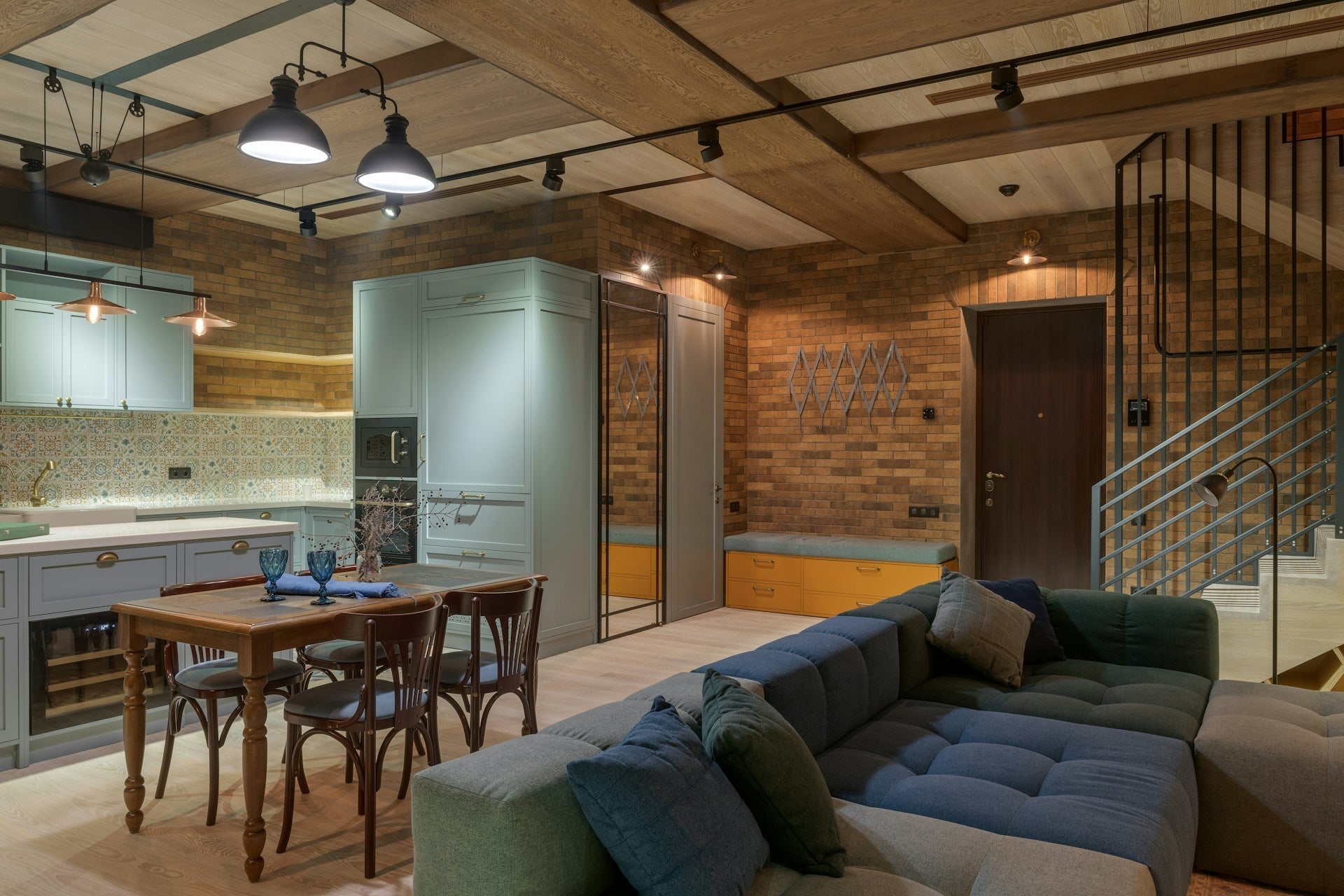
Basement Fridge Ideas
Setting Up a Basement Fridge
Creating a basement fridge setup offers numerous advantages and can be a smart addition to your home. However, there are several factors to consider before installation to ensure it meets your needs and functions efficiently.
Benefits of Having a Basement Fridge
Having a basement fridge can provide several benefits:
- Additional Storage: A basement fridge offers extra space for storing food and beverages, which can be particularly useful for large families or those who entertain frequently.
- Convenience: With a basement fridge, you can keep beverages, snacks, and meal prep items easily accessible without crowding your main kitchen refrigerator.
- Energy Efficiency: By spreading out your food storage, you can reduce the workload on your primary fridge, potentially extending its lifespan and improving energy efficiency.
- Organized Storage: Different fridges for different purposes, such as a best built in wine cellar for a balcony apartment or a dedicated beverage fridge, can help keep your items organized.
Factors to Consider Before Installing
Before setting up your basement fridge, it's important to consider the following factors:
- Space and Placement: Ensure you have enough space for the fridge and that it is placed in a location that allows for proper ventilation.
- Electrical Requirements: Verify that the electrical system in your basement can support the additional appliance. This may require consulting with an electrician.
- Temperature and Humidity: Basements can be prone to temperature fluctuations and humidity. Make sure your fridge can operate efficiently in these conditions. You might also want to explore freezer drawer Vs. mini fridge freezer options.
- Accessibility: Consider the ease of access to the fridge. It should be placed in a convenient location where you can easily retrieve items.
- Ventilation: Proper ventilation is crucial to avoid overheating and to ensure the fridge operates efficiently. Refer to our freestanding drawer refrigerator Vs. narrow refrigerator article for more insights on ventilation needs.
- Purpose: Determine the primary use of the basement fridge. Whether it's for beverages, snacks, or meal prep, this will influence the type of fridge you choose.
| Factors | Considerations |
|---|---|
| Space and Placement | Sufficient space, proper ventilation |
| Electrical Requirements | Adequate power supply, professional consultation |
| Temperature and Humidity | Efficient operation, stability |
| Accessibility | Convenient placement, ease of use |
| Ventilation | Avoid overheating, maintain efficiency |
| Purpose | Specific use cases, type of fridge |
By carefully considering these factors, you can ensure that your basement fridge setup is both functional and efficient. For more detailed guidance on fridge options and their specific uses, check out our articles on best fridge for a dorm and best fridge for national independent beer run day.
Organizing Your Basement Fridge
Efficient organization of your basement fridge ensures that you make the most out of the available space while keeping your food items fresh and easily accessible.
Zone Planning for Efficient Storage
Creating zones within your fridge can help you store items more efficiently and find them quickly when needed. Here are some suggested zones:
- Top Shelf: Ideal for ready-to-eat items like leftovers, deli meats, and dairy products.
- Middle Shelves: Perfect for beverages, eggs, and condiments.
- Lower Shelf: Best for raw meat, poultry, and seafood, as it's the coldest part of the fridge.
- Crisper Drawers: Designed for fruits and vegetables to maintain their freshness.
- Fridge Door: Suitable for items that can withstand slight temperature fluctuations, such as sauces, jams, and juices.
| Zone | Suggested Items |
|---|---|
| Top Shelf | Leftovers, Deli Meats, Dairy Products |
| Middle Shelves | Beverages, Eggs, Condiments |
| Lower Shelf | Raw Meat, Poultry, Seafood |
| Crisper Drawers | Fruits, Vegetables |
| Fridge Door | Sauces, Jams, Juices |
For more tips on zone planning, you can refer to our guide on best fridge for a dorm.
Proper Temperature Settings
Maintaining the correct temperature settings is crucial for preserving the quality and safety of your food items. Here are the recommended temperature ranges for different zones in your basement fridge:
- Main Compartment: Keep the temperature between 35°F and 38°F (1.7°C to 3.3°C) to ensure optimal food preservation.
- Crisper Drawers: Set these to a slightly higher temperature, around 40°F (4.4°C), to keep fruits and vegetables fresh without freezing them.
- Freezer Compartment: Maintain the freezer at 0°F (-18°C) to keep frozen items safe and prevent ice buildup.
| Zone | Recommended Temperature |
|---|---|
| Main Compartment | 35°F - 38°F (1.7°C - 3.3°C) |
| Crisper Drawers | 40°F (4.4°C) |
| Freezer Compartment | 0°F (-18°C) |
For more details on temperature settings and ensuring food safety, check out our article on what should a deep freezer be set at?.
By organizing your basement fridge with these zone planning and temperature setting tips, you can maximize its efficiency and ensure that your food stays fresh and easily accessible. For additional ideas and tips on utilizing your basement fridge, explore our other articles on basement fridge ideas.
Creative Basement Fridge Ideas
Having a basement fridge can be a great addition to your home. It provides extra storage space and can be tailored to suit your specific needs. Here are some creative ideas to make the most of your basement fridge.
Beverage Station
Creating a beverage station in your basement is a fantastic way to keep your drinks organized and easily accessible. Whether you enjoy sodas, juices, or adult beverages, a well-stocked beverage station can make entertaining a breeze.
Consider installing shelves or racks to store bottles and cans. You can also use the fridge door for additional storage space. Ensure that your beverages are kept at the right temperature by setting your fridge accordingly. For more tips on storing beverages, you can explore our article on the best built in wine cellar for a balcony apartment.
| Beverage Type | Ideal Temperature (°F) |
|---|---|
| Soda | 35 - 38 |
| Juice | 32 - 40 |
| Beer | 35 - 40 |
| Wine | 45 - 65 |
Snack Hub
Transform your basement fridge into a snack hub to keep all your favorite treats within reach. This is especially useful for movie nights or when hosting gatherings. Stock your fridge with a variety of snacks like fruits, vegetables, cheese, and dips.
Organize your snacks by using clear bins or containers. This allows you to see what's available at a glance and keeps everything neat and tidy. Additionally, consider labeling the bins for easy identification.
For maintaining freshness, ensure your fridge is set to the appropriate temperature. You can find more ideas on organizing your fridge in our article on freestanding drawer refrigerator Vs. narrow refrigerator.
Meal Prep Zone
Using your basement fridge as a meal prep zone can help you stay organized and save time. This is particularly beneficial if you have a busy schedule or enjoy cooking in bulk. Store prepped ingredients, marinated meats, and ready-to-eat meals in your fridge.
Divide your fridge into sections based on meal types or days of the week. Use clear containers to store your meals and label them with the date and contents. This ensures that you can quickly grab what you need and reduces food waste.
To keep your meals fresh, make sure your fridge is set to the correct temperature. For more information on meal prepping and storage, check out our article on how long can you leave spaghetti in the fridge?.
By incorporating these creative basement fridge ideas, you can maximize your storage space and make your basement a more functional and enjoyable part of your home. Whether you're setting up a beverage station, snack hub, or meal prep zone, the key is to organize your fridge in a way that suits your lifestyle and needs.
Maintenance and Safety Tips
Maintaining your basement fridge is essential to ensure it operates efficiently and safely. Proper care can extend the lifespan of your appliance and keep your food fresh.
Cleaning and Odor Control
Regular cleaning is crucial to prevent the buildup of dirt, mold, and unpleasant odors in your basement fridge. Here are some steps for effective cleaning and odor control:
- Empty the Fridge: Remove all items from the fridge and place them in a cooler to keep them cold.
- Unplug the Fridge: Always unplug the fridge before cleaning to avoid electrical hazards.
- Remove Shelves and Drawers: Take out all removable parts and wash them with warm, soapy water.
- Clean the Interior: Wipe down the interior surfaces with a mixture of water and baking soda to remove stains and neutralize odors.
- Dry Thoroughly: Ensure all parts are completely dry before reassembling them to prevent mold growth.
| Cleaning Frequency | Task |
|---|---|
| Weekly | Wipe spills and clean the exterior |
| Monthly | Clean shelves and drawers |
| Quarterly | Deep clean the interior |
For more tips on maintaining your fridge, check out our guide on freezing oatmeal cookies.
Ensuring Proper Ventilation
Proper ventilation is essential for the optimal performance of your basement fridge. Without adequate airflow, the fridge can overheat, leading to increased energy consumption and potential damage. Follow these guidelines to ensure your fridge is well-ventilated:
- Space Around the Fridge: Leave at least two inches of space on all sides of the fridge to allow for proper airflow.
- Clean the Coils: Dust and debris can accumulate on the condenser coils, making the fridge work harder. Clean the coils every six months using a vacuum or a coil brush.
- Check the Vents: Ensure that the vents at the back of the fridge are not blocked by any objects.
| Ventilation Check Frequency | Task |
|---|---|
| Monthly | Inspect and clean the vents |
| Biannually | Clean the condenser coils |
For more information on fridge maintenance, visit our article on best fridge for national fast food day.
By following these maintenance and safety tips, you can keep your basement fridge in top condition, ensuring it runs efficiently and safely for years to come.
Maximizing Space and Energy Efficiency
When setting up a basement fridge, it's essential to maximize both space and energy efficiency. This ensures you get the most out of your appliance without wasting valuable basement real estate or incurring high energy costs.
Space-Saving Solutions
Organizing your basement fridge efficiently can help you maximize the available space. Here are a few tips to consider:
- Adjustable Shelving: Opt for fridges with adjustable shelves. This allows you to customize the interior layout to accommodate different sizes of food and drink.
- Door Storage: Utilize door storage for smaller items like condiments, drinks, and jars. This frees up main shelf space for larger items.
- Stackable Bins: Use stackable bins to organize smaller items and prevent clutter. This makes it easier to find what you need without wasting space.
- Vertical Storage: Make use of vertical space by storing taller items like bottles and containers upright. This helps to keep the fridge organized and maximizes the available height.
Energy-Saving Practices
Reducing energy consumption not only saves money but also extends the lifespan of your refrigerator. Here are some energy-saving tips:
- Temperature Settings: Maintain the proper temperature. For the fridge section, set it between 35°F and 38°F. For the freezer section, aim for 0°F. Check out our article on what should a deep freezer be set at for more details.
- Full but Not Overloaded: Keep the fridge reasonably full. A well-stocked fridge retains cold better than an empty one. However, avoid overloading it, as this can restrict air circulation and make the fridge work harder.
- Door Seals: Regularly check the door seals to ensure they are tight and free from cracks. Poor seals can cause cold air to escape, leading to increased energy consumption.
- Defrost Regularly: If your fridge does not have an automatic defrost function, make sure to defrost it regularly to prevent ice buildup. This helps the fridge run more efficiently.
| Setting | Optimal Temperature (°F) |
|---|---|
| Fridge | 35 - 38 |
| Freezer | 0 |
These space-saving and energy-efficient practices can make a significant difference in how well your basement fridge performs. By implementing these strategies, you can ensure that your appliance runs smoothly and efficiently, providing you with the best possible storage solution. For more ideas on organizing and maintaining your fridge, explore our other articles, such as best mini fridge with freezer for a dorm and 16 cubic foot fridge no freezer.