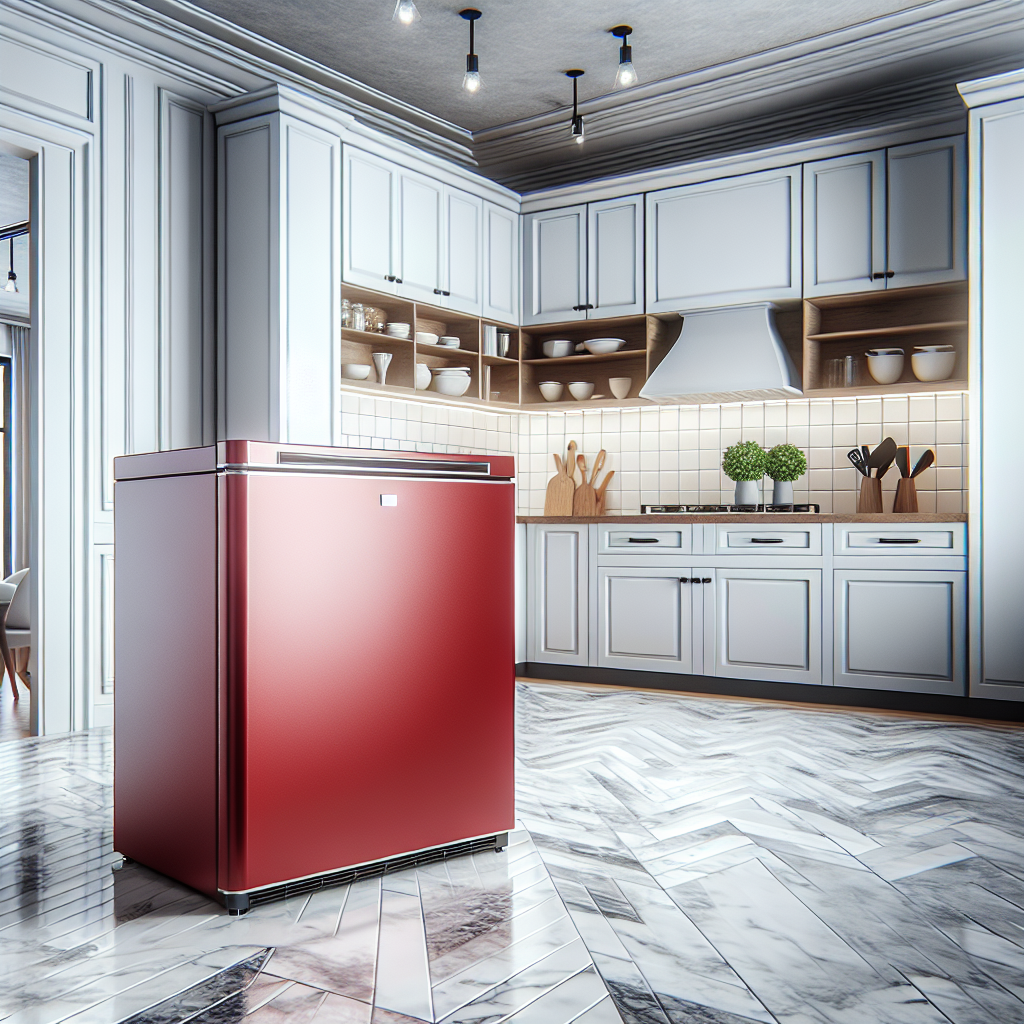
Auto Defrost Chest Freezer
The Convenience of Auto-Defrost Chest Freezers
Why Auto-Defrost Chest Freezers Rock
Auto-defrost chest freezers are a game-changer for anyone tired of the hassle of manual defrosting. These modern marvels use smart tech to zap frost buildup, keeping your freezer running smoothly and saving you a ton of time.
Why You Should Get an Auto-Defrost Chest Freezer
Auto-defrost chest freezers come with a bunch of perks that make them a no-brainer for homes, garages, and even offices.
Less Hassle: Forget about chipping away at ice. Auto-defrost tech does the dirty work for you, freeing up your time for more fun stuff.
Saves Energy: These freezers keep a steady temperature, which means they use less power. Lower electric bills? Yes, please!
Top Performance: No ice buildup means your freezer stays in tip-top shape, keeping your food fresh and tasty.
Super Convenient: No more setting reminders to defrost. The freezer handles it all, making life easier, especially if you're always on the go.
Lasts Longer: Regular defrosting prevents ice from messing with the freezer's parts, so it lasts longer and gives you more bang for your buck.
For more cool info on different freezer chests and their perks, check out our articles on freezer chests and small freezer chest.
| Benefit | What It Means |
|---|---|
| Less Hassle | No more manual defrosting |
| Saves Energy | Steady temps and lower bills |
| Top Performance | No ice, better cooling |
| Super Convenient | Auto defrosting, no worries |
| Lasts Longer | Less strain, more life |
Auto-defrost chest freezers come in all shapes and sizes, so there's something for everyone. Whether you need a large chest freezer for your restaurant or the smallest chest freezer for your tiny apartment, we've got you covered. Dive into our article on chest freezer sizes to find your perfect match.
Getting the Lowdown on Auto-Defrost Freezers
Picking the right chest freezer can be a bit of a head-scratcher, but knowing a thing or two about auto-defrost models can make your choice a whole lot easier. Auto-defrost tech brings some sweet perks, making freezer upkeep a breeze.
How Auto-Defrost Does Its Thing
Auto-defrost, or frost-free, is a nifty feature that stops ice from taking over your chest freezer. Here's the lowdown on how it works:
- Heating Element Kicks In: Every so often, the freezer’s heating element gets to work, warming up the evaporator coils.
- Frost Melts Away: The heat melts any frost or ice clinging to the coils.
- Water Drains Out: The melted water drains through a tiny hole, keeping ice from building up.
- Cooling Resumes: After the defrost cycle, the freezer goes back to its regular cooling routine.
This cycle keeps your freezer frost-free, so you can kiss manual defrosting goodbye.
Auto-Defrost Vs. Manual Defrost Freezers
Knowing the differences between auto-defrost and manual defrost freezers can help you figure out which one suits you best. Here’s a quick comparison:
| Feature | Auto-Defrost Freezers | Manual Defrost Freezers |
|---|---|---|
| Maintenance | Low maintenance thanks to auto defrost cycles. | Needs regular manual defrosting to clear ice. |
| Energy Use | Uses a bit more energy due to defrost cycles. | More energy-efficient without extra heating. |
| Temperature Stability | Keeps a steady internal temperature. | Might have slight temperature changes during defrosting. |
| Cost | Usually costs more upfront. | Generally cheaper to buy. |
| Convenience | Super convenient, no manual work needed. | Requires manual defrosting and more upkeep. |
Auto-defrost freezers are all about convenience, cutting down on the time and effort you need for maintenance. They’re perfect if you want a hassle-free experience. On the flip side, manual defrost freezers can save you some bucks and energy, making them a solid choice if you don’t mind a bit of extra work now and then.
Want to dive deeper into freezer options? Check out our articles on freezer chests and small freezer chest. Curious about specific sizes? We've got guides on the 5cf chest freezer and 7 cubic ft chest freezer.
Best Settings for Your Chest Freezer
Keeping Your Freezer at the Right Temperature
Keeping your chest freezer at the right temperature is key to making sure your frozen food stays fresh and safe. Most chest freezers let you set the temperature to what you need. The sweet spot for a chest freezer is usually 0°F (-18°C). This keeps your food frozen and good for long-term storage.
| Setting | Temperature (°F) | Temperature (°C) |
|---|---|---|
| Recommended | 0°F | -18°C |
| Minimum | -10°F | -23°C |
| Maximum | 10°F | -12°C |
Check the temperature inside your freezer now and then with a thermometer. If it’s off, you might need to look at the gasket seals or tweak the settings. For more tips on different freezers, check out our guides on freezer chests and deep chest freezers.
Saving Energy with Your Freezer
Auto-defrost chest freezers help cut down on frost, making them more energy-efficient than manual ones. But there are still a few tricks to keep your energy use low:
- Temperature Settings: Stick to the recommended 0°F (-18°C). Going colder can waste energy.
- Location: Put your freezer in a cool, dry spot, away from sunlight and heat. This makes the compressor work less, saving energy. For more placement tips, see our article on chest freezers for garages.
- Regular Maintenance: Clean the condenser coils often and check the gasket seals. This helps keep the cold air in and the freezer running smoothly.
- Organize Efficiently: A tidy freezer means better airflow and less time with the door open. For organizing hacks, visit our article on organizing your chest freezer.
- Energy Star Rating: Look for models with an Energy Star rating. They use less energy but still work great.
| Factor | Impact on Energy Efficiency |
|---|---|
| Temperature Settings | High |
| Location | Medium |
| Regular Maintenance | High |
| Organization | Medium |
| Energy Star Rating | High |
By following these tips, you can keep your auto-defrost chest freezer running well without using too much energy. For more on different freezer sizes and models, check out our articles on chest freezer sizes and large chest freezers.
Keeping Your Freezer in Top Shape
Taking care of your auto-defrost chest freezer isn't just about keeping it clean; it's about making sure it runs smoothly for years to come. Let's break down the cleaning steps and troubleshoot some common hiccups.
Cleaning Your Auto-Defrost Chest Freezer
Keeping your freezer clean is key to avoiding funky smells and keeping it running like a champ. Here's how to do it:
- Unplug It: Safety first—make sure it's off and unplugged.
- Empty It Out: Move all your food to a cooler or another freezer.
- Take Out Shelves and Baskets: Remove these for a separate scrub-down.
- Wipe the Inside: Use warm water and a bit of mild detergent. Skip the harsh stuff.
- Scrub Removable Parts: Clean the shelves and baskets with the same soapy water.
- Dry Everything: Make sure all parts are bone dry before putting them back.
- Plug It Back In: Once everything's dry, plug it back in and wait for it to cool down before restocking.
Troubleshooting Common Issues
Even the best freezers can have off days. Here are some common problems and quick fixes:
| Problem | Why It's Happening | How to Fix It |
|---|---|---|
| Not Cooling | Thermostat set too high | Turn it down a notch |
| Blocked vents | Make sure nothing's blocking the airflow | |
| Compressor issues | Call a pro to check it out | |
| Frost Buildup | Worn-out door seal | Check and replace the gasket if needed |
| Opening the door too often | Try to keep it closed as much as possible | |
| Weird Noises | Uneven surface | Make sure the freezer is on a flat surface |
| Loose parts | Tighten any loose screws or parts | |
| Water Leaks | Clogged defrost drain | Use a pipe cleaner to clear it out |
| Too much condensation | Keep the freezer in a cool, dry spot |
For more tips on keeping your freezer in tip-top shape, check out our article on freezer chests. Thinking about an upgrade? We've got a guide on when to consider upgrading your freezer.
Regular upkeep and quick fixes can keep your auto-defrost chest freezer running smoothly, saving you time and hassle in the long run.
Organizing Your Auto-Defrost Chest Freezer
Keeping your auto-defrost chest freezer organized is key to making the most of your storage and finding what you need without a hassle. Here’s how to get your freezer in tip-top shape.
Tips for Efficiently Organizing Your Freezer Space
- Group Similar Items: Keep meats, veggies, and ready-to-eat meals together. This way, you can grab what you need without digging around.
- Use Baskets and Bins: Separate your food with baskets or bins. It keeps things tidy and stops small items from disappearing into the abyss.
- Label Everything: Slap labels on bins and packages with contents and dates. This helps you know what to use first and avoid mystery meals.
- Rotate Stock: Follow the first-in, first-out rule. Put new stuff at the bottom or back and older stuff on top or front. This way, nothing gets lost and wasted.
- Vacuum Seal: Vacuum-sealed bags save space compared to bulky packaging, letting you fit more in.
Maximizing Storage Capacity
To get the most out of your auto-defrost chest freezer, try these tricks:
Use Shelves and Dividers: If your freezer has shelves or dividers, use them to create sections for different foods. It helps keep things organized and uses vertical space better.
Stacking: Stack flat items like meat packages or frozen meals. Just make sure you don’t block the airflow so everything stays cool.
Freezer Bags and Containers: Use stackable, uniform containers or freezer bags. Avoid odd-shaped items that waste space.
Optimize Freezer Layout:
| Freezer Size | Storage Strategy |
|---|---|
| 3.5 cu ft Chest Freezer | Use small bins for individual items; great for apartments and small homes |
| 7 cu ft Chest Freezer | Add baskets and dividers; good for medium-sized families |
| 14 cu ft Chest Freezer | Use multiple bins and vacuum-sealed bags; ideal for large families or bulk storage |
Freeze Flat: Freeze soups or sauces flat in bags. Once frozen, stand them up or stack them to save space.
Use Door Space: If your chest freezer has door storage, use it for smaller or frequently used items for easy access.
By following these tips, your auto-defrost chest freezer will be organized and efficient. For more on different freezer sizes and their best uses, check out our article on chest freezer sizes.
Placement and Installation Tips
Best Spots for Your Chest Freezer
Picking the right spot for your auto-defrost chest freezer is key to making it work well and keeping things convenient. Here are some top places to think about:
Garage: Many folks love putting their freezer in the garage. It's got plenty of space and is easy to get to. Just make sure it's well-ventilated and not too hot or cold. For more tips, see our article on chest freezer for garage.
Basement: Basements are cool and stable, which helps your freezer run smoothly. Just keep it dry to avoid any moisture problems.
Kitchen: Having your chest freezer in the kitchen is super handy, especially if you have a big family or like to entertain. Just make sure it doesn't block your kitchen flow.
Utility Room: A utility or laundry room is a great out-of-the-way spot that's still easy to get to.
Cabin or Cottage: Got a cabin or cottage? An auto-defrost chest freezer is perfect for storing food for those long stays.
Mobile Home or Tiny Home: Smaller models fit well in compact living spaces. For more on smaller options, check out our guide on small freezer chest.
How to Set Up Your Auto-Defrost Chest Freezer
Getting your auto-defrost chest freezer set up right is crucial for it to work well and stay safe. Here’s what you need to know:
Space and Clearance: Make sure there's enough space around the freezer for air to flow. Most makers say you need at least 1-2 inches of clearance on all sides. Check your model's specifics.
Stable Surface: Put the freezer on a flat, stable surface to stop vibrations and make sure the door seals right. Avoid carpet, as it can block airflow.
Electrical Needs: Make sure the power outlet matches the freezer's needs. Don’t use extension cords or power strips—they can be fire hazards.
Temperature Range: Auto-defrost freezers work best within a certain temperature range. Don’t put it in places with extreme temperatures, like unheated garages or spots with direct sunlight. For more info, read our article on garage ready freezer chests.
Accessibility: Think about how easy it is to get to your freezer’s contents. Make sure the lid can open all the way and that you can reach the bottom comfortably.
Safety Measures: If you’ve got young kids, put the freezer somewhere they can’t easily get to. You might also want to childproof it to prevent accidents. For more safety tips, visit our section on childproofing and safety measures.
By thinking carefully about where to put and how to set up your auto-defrost chest freezer, you can make it last longer and work better for your household. For more info on different sizes and types of chest freezers, check out our comprehensive guide on freezer chests.
Safety Precautions
Handling Food Safely in Your Chest Freezer
Keeping your food safe in your auto-defrost chest freezer is key to avoiding foodborne illnesses and keeping your meals tasty. Here’s how to do it right:
- Temperature Control: Keep your freezer at or below 0°F (-18°C). This keeps food frozen and safe. Check the temperature control settings often to make sure it’s accurate.
- Proper Packaging: Use airtight containers or heavy-duty freezer bags to avoid freezer burn and contamination. Label and date everything so you know what’s fresh.
- Organized Storage: Put newer items at the back and older ones at the front. This way, you use up older food first and waste less.
- Avoid Overloading: Don’t stuff your freezer. Air needs to circulate to keep temperatures steady.
- Safe Thawing: Thaw food in the fridge, cold water, or microwave—not on the counter. This stops bacteria from growing.
| Food Type | Safe Freezing Duration |
|---|---|
| Meat (Steaks, Chops, Roasts) | 4-12 months |
| Ground Meat | 3-4 months |
| Poultry (Whole) | 12 months |
| Poultry (Parts) | 9 months |
| Fish (Lean) | 6-8 months |
| Fish (Fatty) | 2-3 months |
| Vegetables | 8-12 months |
| Fruits | 6-12 months |
Need more tips on organizing your freezer? Check out our detailed guide.
Childproofing and Safety Measures
Got kids at home? Here’s how to keep them safe around your auto-defrost chest freezer:
- Locking Mechanism: Make sure your freezer has a lock to keep kids from opening it. This is super important if it’s in the garage or basement.
- Childproof Latch: If your freezer doesn’t have a lock, add a childproof latch.
- Proper Placement: Put the freezer somewhere kids can’t easily get to it. Avoid play areas.
- Safety Alarms: Install a temperature alarm to alert you if the freezer gets too warm.
- Educate Children: Teach older kids about the dangers of climbing into the freezer and why it needs to stay closed.
| Safety Measure | Description |
|---|---|
| Locking Mechanism | Secure lock to prevent unauthorized access. |
| Childproof Latch | Extra latch for added safety. |
| Proper Placement | Keep it away from play areas. |
| Safety Alarms | Alerts for temperature changes. |
| Education | Teach kids about freezer safety. |
For more on freezer safety, read our article on childproofing your freezer.
Follow these tips to keep your auto-defrost chest freezer safe and efficient. For more info on different freezer models and sizes, check out our articles on freezer chests, small freezer chest, and garage ready chest freezer.
Time to Upgrade Your Chest Freezer?
When Should You Think About Upgrading?
Thinking about getting a new chest freezer? Here are some signs it might be time:
- Old Age: If your freezer is pushing a decade or more, it's probably guzzling more power than newer models.
- High Energy Bills: Older freezers are electricity hogs. A new, energy-efficient model can save you some serious cash on your utility bills.
- Need More (or Less) Space: If your storage needs have changed, you might need a different size. Check out various chest freezer sizes to find your perfect fit.
- Performance Issues: If you're constantly dealing with maintenance problems, frost build-up, or inconsistent temperatures, it's time to say goodbye to the old and hello to the new.
- Cool New Tech: New models come with fancy features that make life easier and your freezer more efficient.
Here's a quick comparison of old Vs. new freezers:
| Feature | Old Freezers | New Freezers |
|---|---|---|
| Energy Efficiency | Low | High |
| Temperature Control | Basic | Advanced |
| Frost Management | Manual Defrost | Auto Defrost |
| Storage Options | Limited | Versatile |
What's New in Chest Freezer Tech?
Chest freezers have come a long way. Here are some of the latest and greatest features:
- Auto-Defrost: No more chipping away at ice. Auto-defrost takes care of it for you. Curious about how it works? Check out how auto-defrost works.
- Smart Features: Some freezers now come with smart tech, so you can control the temperature from your phone.
- Better Insulation: New insulation materials keep your freezer at a steady temperature and save energy.
- Adjustable Compartments: Modern freezers often have adjustable compartments and dividers, making it easier to organize your frozen goodies. Need some organizing tips? See organizing your auto-defrost chest freezer.
- Energy Star Certified: Many new models meet strict energy efficiency guidelines, so you know you're getting a freezer that's good for your wallet and the planet.
If you're eyeing a specific type of freezer, like a garage-ready chest freezer or a deep chest freezer, make sure to check out the latest tech to make the best choice.
By keeping up with the latest trends and knowing when to upgrade, you can make sure your chest freezer is up to the task, now and in the future.
Get Your Upgrade or New Addition at Fridge.com
Whether you're searching for your perfect fridge, freezer, wine fridge, beer fridge, ice maker, or kegerator, we have what you need.
Shop the world's best brands at Fridge.com.
We also have tons of awesome articles about kitchen stuff and home news. Enhance your home, garage, backyard, patio, and office with the coolest essentials. With every necessary type of residential refrigerator or freezer in our collection, we've got you covered.
Elevate your game and shop now at Fridge.com!