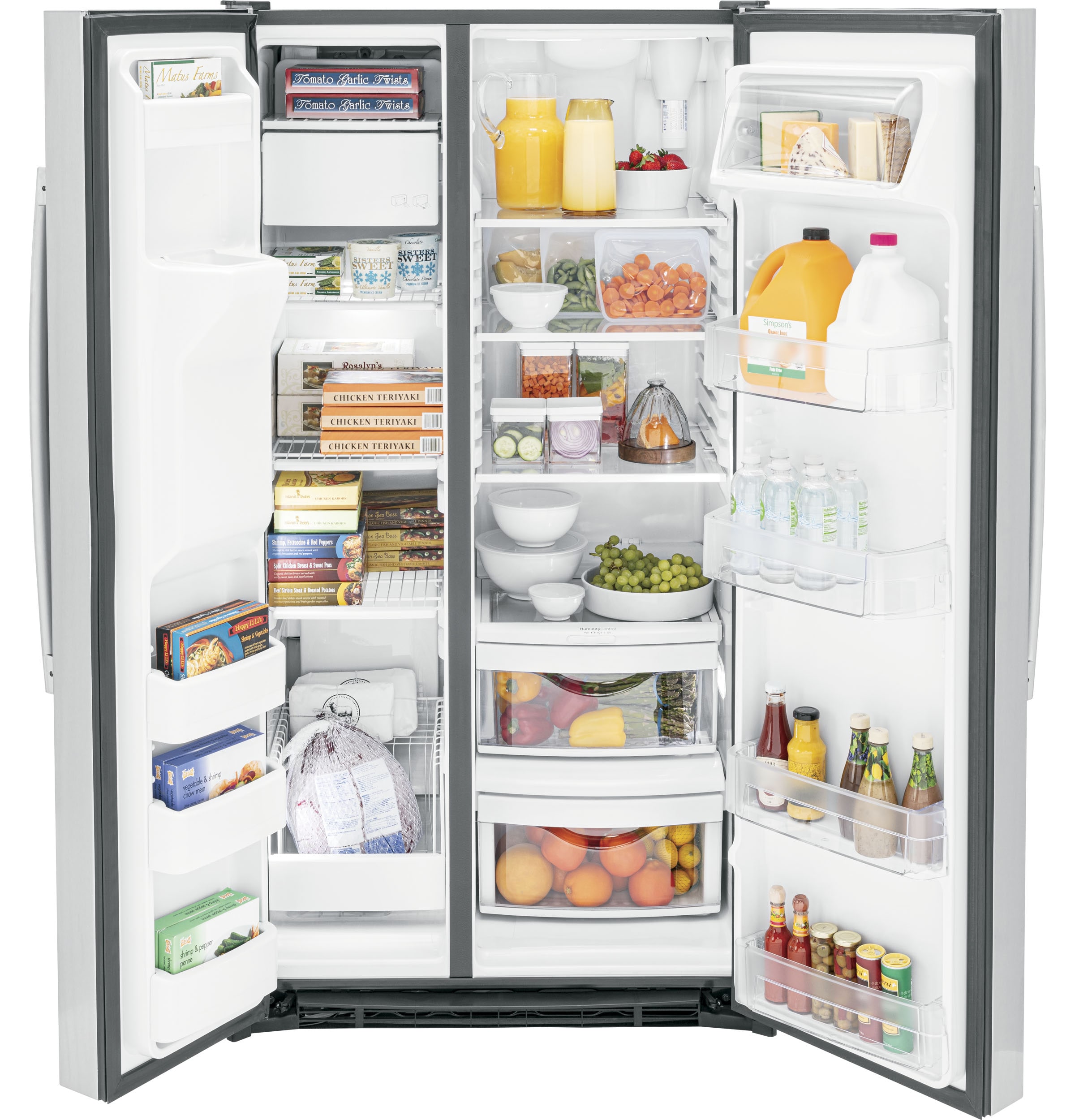
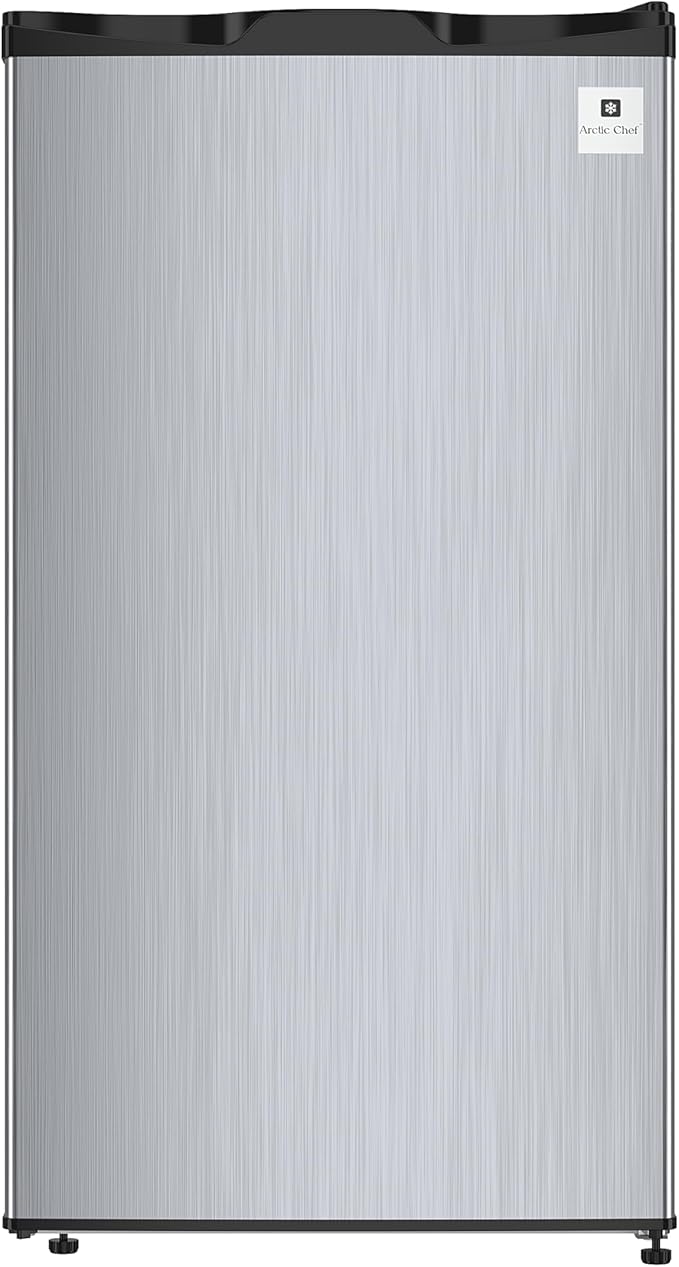
Choosing a fridge can feel like a big deal, but knowing your options makes it easier. Let's break down the basics of 2 door fridges and medium-sized fridges.
What's the Deal with 2 Door Fridges?
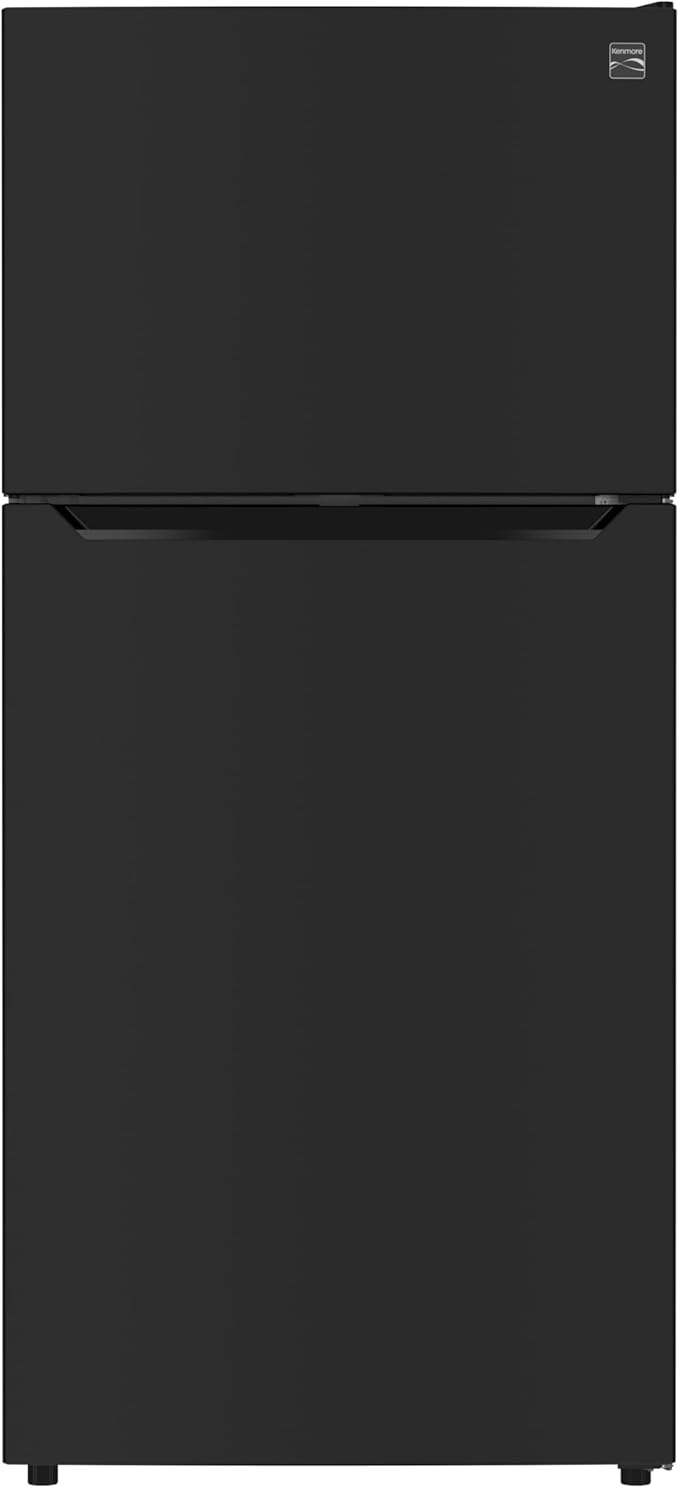
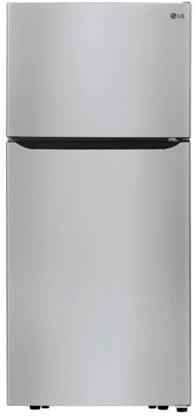
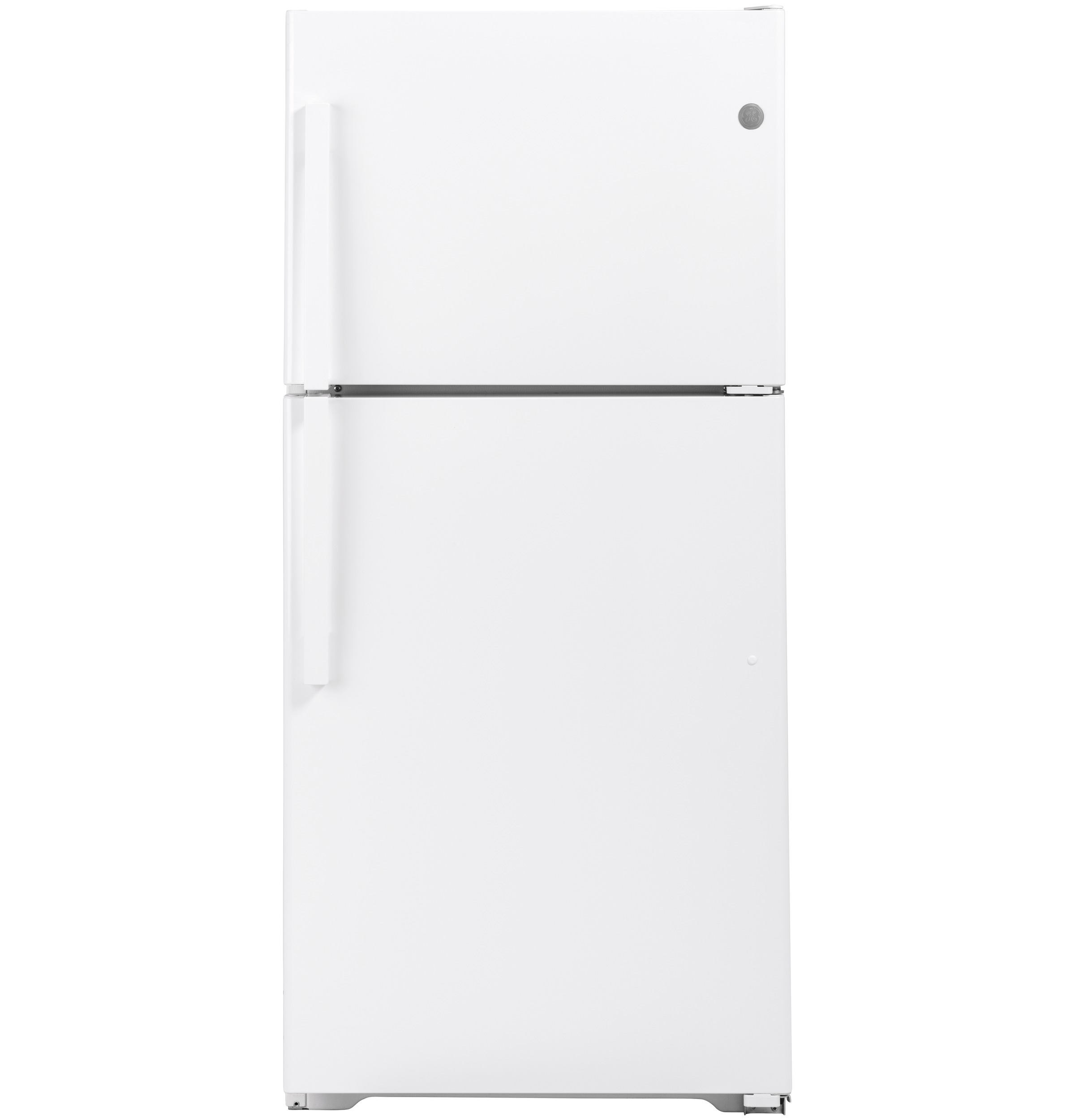
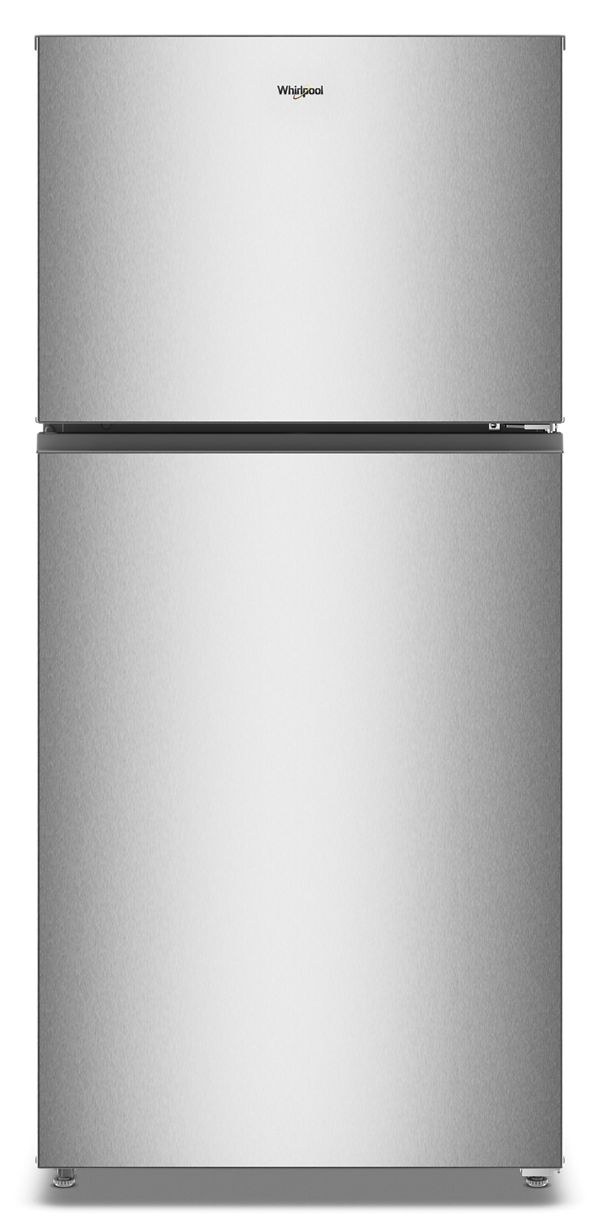
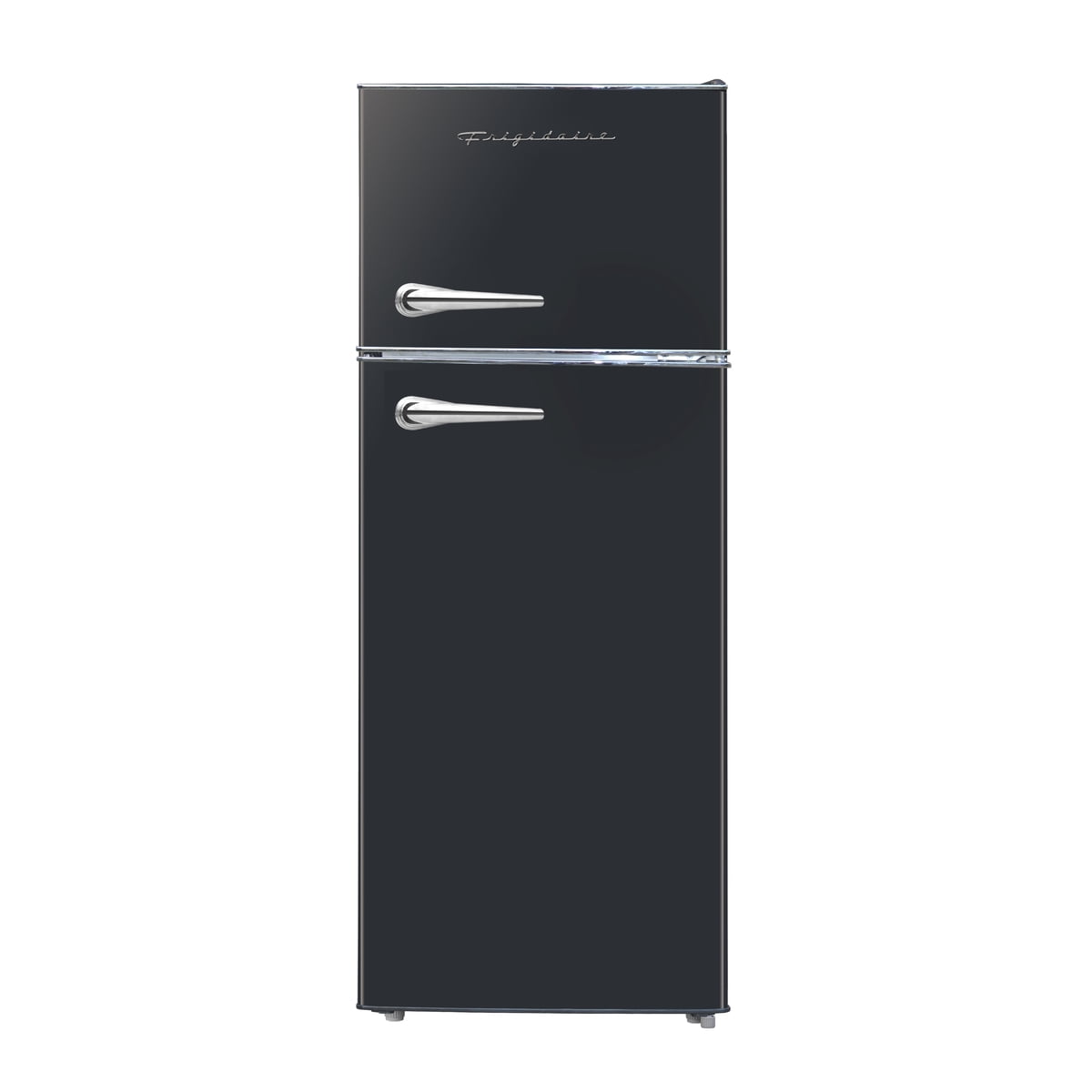
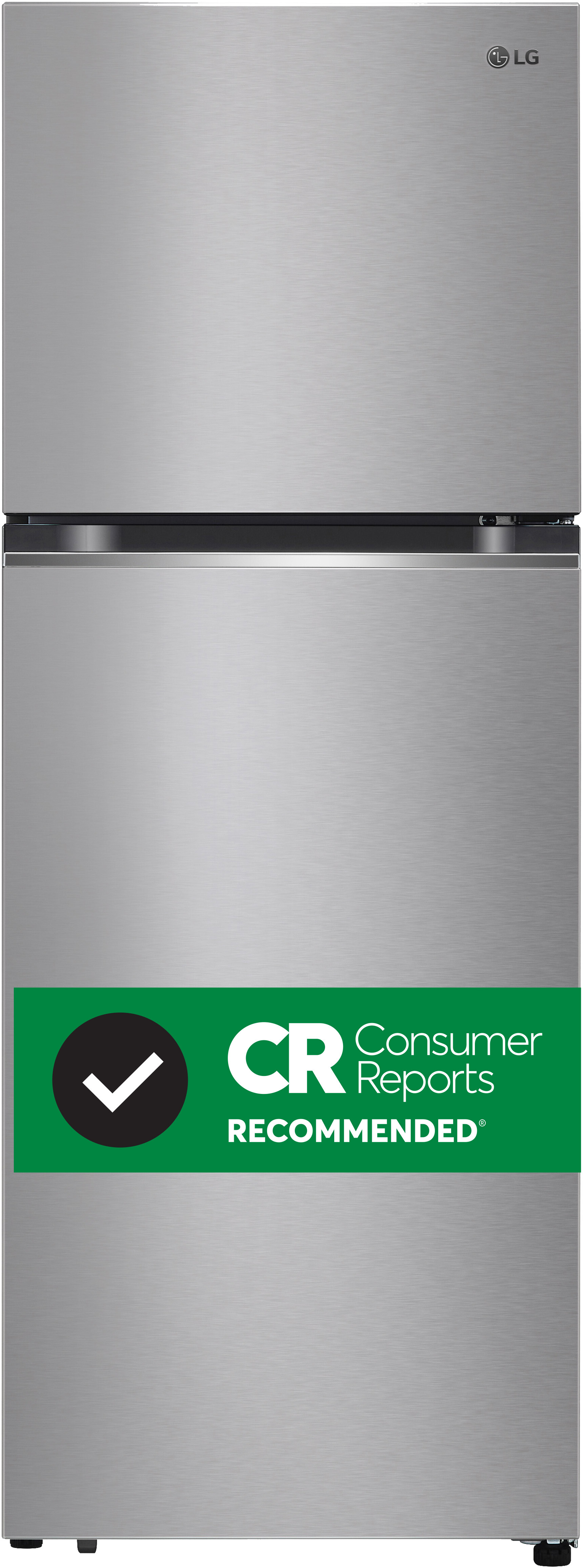
2 door fridges are a hit in many homes. They have a freezer on top and a fridge below. This setup makes it easy to grab frozen pizza or fresh veggies without much hassle.
The best part? You can keep your frozen stuff and fresh food separate and organized. These fridges come in different sizes, so whether you're a small family or a big one, there's something for you.
Feature
Description
Freezer Location
Top
Fridge Location
Bottom
Capacity
10-25 cubic feet
Best For
Families, anyone needing separate freezer space
Why Go for a Medium Size Fridge?
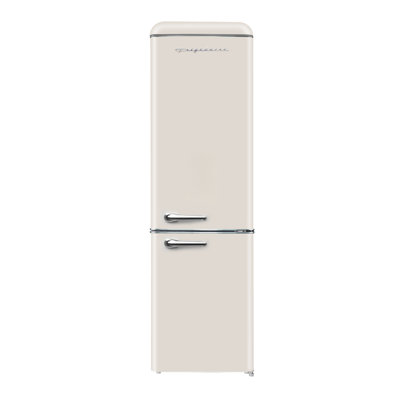
Medium-sized fridges are perfect for tight spaces but still offer enough room for your essentials. They usually have one door and might include a small freezer inside or as a separate section.
Their compact size makes them great for apartments, condos, and smaller kitchens. They're also a good pick for singles, couples, or as a second fridge for extra storage.
Feature
Description
Freezer Location
Inside or separate
Fridge Location
Single compartment
Capacity
5-15 cubic feet
Best For
Apartments, small families, offices, extra storage
Choosing between a 2-door fridge and a medium-sized one? Let's break it down so you can pick the right fit for your kitchen and lifestyle.
Storage Space Showdown
Storage space is a biggie when it comes to fridges. A 2-door fridge, also called a double-door fridge, usually packs more room than a medium-sized one. This makes it a hit with families or anyone who needs to stash a lot of food.
Refrigerator Type
Average Capacity (Cubic Feet)
2 Door Refrigerator
18 - 25
Medium Size Refrigerator
10 - 18
Medium-sized fridges are perfect for smaller households or folks who don't need a ton of space. They might not hold as much as a 2-door, but they're usually enough for everyday needs.
Size Matters
Don't forget to measure your kitchen space. 2-door fridges are generally bigger, taking up more room in height and width.
Refrigerator Type
Average Dimensions (H x W x D)
2 Door Refrigerator
65 - 70 inches x 30 - 36 inches x 30 - 34 inches
Medium Size Refrigerator
60 - 66 inches x 28 - 32 inches x 28 - 32 inches
Medium-sized fridges are more compact, making them a good fit for apartments, offices, or smaller homes. Their smaller size means you can squeeze them into tighter spots without losing too much storage.
When picking between a 2-door and a medium-sized fridge, think about how much space you need and how much room you have. For more fridge comparisons, check out Fridge.com articles on column refrigerator Vs. mini fridge with freezer and black refrigerator Vs. humidor refrigerator.
Features and Functionality
When you're trying to decide between a 2 door fridge and a medium-sized one, it's all about what fits your lifestyle. Let's break down what each type brings to the table so you can make the best choice for your home.
What You Get with 2 Door Refrigerators
2 door fridges, also called double door fridges, have a freezer on top and a fridge below. This setup makes it easy to grab what you need without bending over too much. Here’s what you can expect:
Separate Freezer Compartment: Keep your ice cream and veggies in their own spaces.
Adjustable Shelves: Move shelves around to fit that awkwardly tall bottle of juice.
Humidity-Controlled Crispers: Your lettuce and berries will stay fresh longer.
Door Bins: Perfect for storing milk, condiments, and other small items.
Temperature Control: Set the perfect chill for both the freezer and fridge.
Frost-Free Operation: No more chipping away at ice build-up.
What You Get with Medium Size Refrigerators
Medium-sized fridges are usually single-door units that combine the fridge and freezer. They’re great for smaller spaces like apartments or offices. Here’s what they offer:
Compact Design: Fits snugly in tight spaces.
Single Door Access: One door for both the fridge and freezer.
Adjustable Shelves: Customize the space to fit your groceries.
Door Storage: Handy for drinks and smaller items.
Manual Defrost: You’ll need to defrost it yourself now and then.
Energy Efficiency: Smaller size means it uses less power.
Feature
2 Door Refrigerator
Medium Size Refrigerator
Freezer Compartment
Separate
Combined
Shelves
Adjustable
Adjustable
Crispers
Humidity-Controlled
Standard
Door Bins
Multiple
Limited
Temperature Control
Yes
Yes
Frost-Free
Yes
No
Design
Larger, Double Door
Compact, Single Door
For more tips on picking the right fridge, check out Fridge.com articles on column refrigerator Vs. mini fridge with freezer and 5 door refrigerator Vs. refrigerator cooler. Knowing these details will help you choose the fridge that fits your needs perfectly.
When you're picking out a fridge, it's smart to think about how much energy it uses. This can save you money on your electric bill and help the planet. Let's break down the energy use of 2 door fridges and medium size fridges.
Energy Use of 2 Door Fridges
2 door fridges are super handy with their separate fridge and freezer sections. But, they can use more power because of their size and extra features like ice makers. Here's a quick look at their energy use:
Refrigerator Type
Annual Energy Use (kWh)
Standard 2 Door Fridge
400 - 600
If you want to cut down on energy use, go for an energy-efficient model. Check the Energy Star rating to see how efficient it is. For more comparisons, check out Fridge.com article on column fridge Vs. french door fridge.
Energy Use of Medium Size Fridges
Medium size fridges are smaller and usually use less energy. They're great for small homes, apartments, or as a second fridge in the garage. They often skip the fancy extras, which helps save power.
Refrigerator Type
Annual Energy Use (kWh)
Standard Medium Size Fridge
300 - 500
These fridges are generally more energy-efficient because they're smaller and simpler. If you're looking to save on your electric bill, pick an energy-efficient model. For more tips, check out Fridge.com article on basement fridge Vs. column fridge.
Knowing how much energy different fridges use helps you make a smart choice that fits your energy-saving goals. For more detailed comparisons, visit other Fridge.com articles like 5 door fridge Vs. bottom freezer fridge
Choosing between a 2-door fridge and a medium-sized one? Let's break down their insides to see which suits your life better.
Inside a 2-Door Fridge
2-door fridges, also called double-door fridges, have separate sections for the freezer and the fridge. This means you can grab ice cream without warming up your veggies. Here's what you'll find:
Freezer Section: Usually up top or down below. Shelves and bins keep your frozen goodies in check.
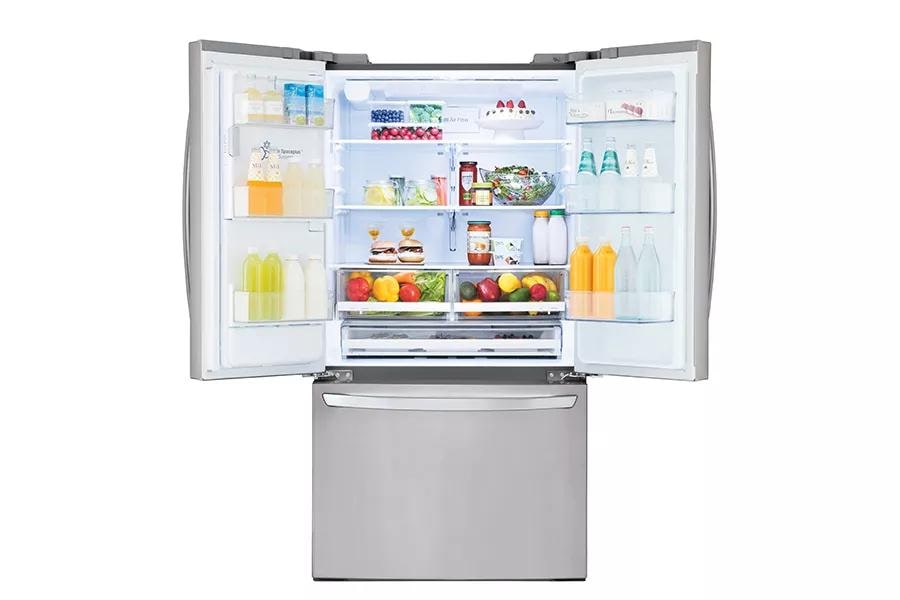
Fridge Section: Multiple shelves, crispers for your fruits and veggies, and door bins for drinks and sauces.
Adjustable Shelves: Move them around to fit bigger stuff.
Door Bins: Change their height to fit different bottles and jars.
Feature
Description
Shelves
3-4 adjustable shelves
Crispers
2 crispers for fruits and veggies
Door Bins
4-5 adjustable door bins
Freezer Drawers
1-2 drawers or shelves
Inside a Medium-Sized Fridge
Medium-sized fridges, often single-door or compact, fit in tight spaces but still pack a punch. Their layout is simpler but still gets the job done:
Single Compartment: Freezer and fridge in one space, with a small freezer section inside.
Shelving: A mix of fixed and adjustable shelves.
Crisper Drawer: Usually one for your produce.
Door Storage: Bins for condiments, cans, and bottles.
Feature
Description
Shelves
2-3 fixed or adjustable shelves
Crispers
1 crisper for fruits and veggies
Door Bins
3-4 door bins
Freezer Compartment
Small freezer section inside the main compartment
Knowing the layout of each type helps you pick the right fridge for your needs. Want more fridge comparisons? Check out Fridge.com articles on column refrigerator Vs. mini fridge with freezer and double drawer refrigerator Vs. freestanding drawer refrigerator.
Installation and Space Requirements
Choosing between a 2 door fridge and a medium-sized fridge? Let's break it down so you can pick the right one for your space and needs.
2 Door Refrigerators
2 door fridges, also known as double door fridges, come with a freezer on top or bottom and a separate fridge compartment. They're bigger and need more room.
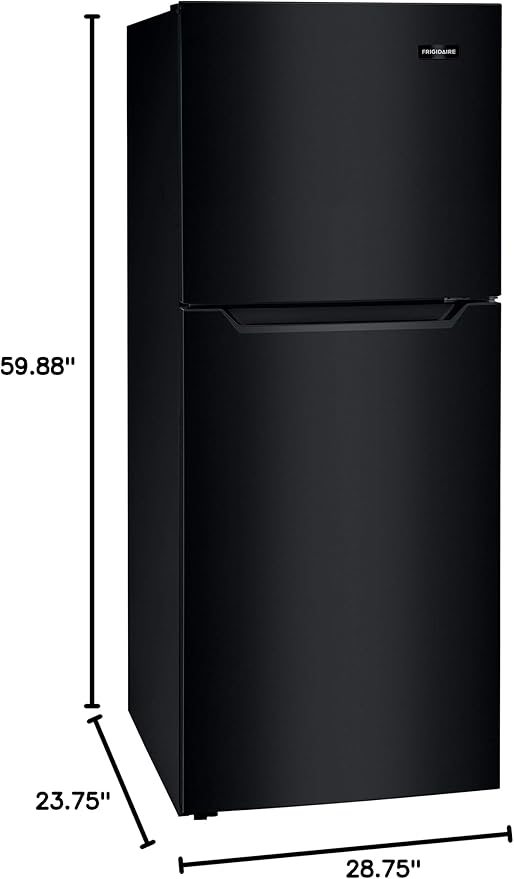
Size: These fridges are usually 28 to 36 inches wide, 65 to 70 inches tall, and 28 to 34 inches deep. Measure your space, including doorways and hallways, to make sure it fits.
Ventilation: Leave at least 1 inch of space on all sides for air to circulate. This keeps the fridge running smoothly and lasting longer.
Weight: They're heavier than medium-sized fridges. Make sure your floor can handle the weight, especially if it's going on an upper level.
Placement: Think about your kitchen layout. Make sure the doors can open all the way without hitting anything.
Feature
Measurement
Width
28 - 36 inches
Height
65 - 70 inches
Depth
28 - 34 inches
Clearance
1 inch on all sides
Medium Size Refrigerators
Medium-sized fridges are more compact, perfect for smaller kitchens, apartments, or as a second fridge in the basement or garage. They balance storage and space efficiency.
Size: These fridges are usually 20 to 28 inches wide, 60 to 65 inches tall, and 24 to 28 inches deep. They fit into tighter spots.
Ventilation: Just like the big guys, leave at least 1 inch of space on all sides for air circulation.
Weight: They're lighter and easier to move. Just make sure the surface is level and can support the weight.
Placement: Their compact size means they can fit into more confined spaces. Make sure the doors can open fully.
Feature
Measurement
Width
20 - 28 inches
Height
60 - 65 inches
Depth
24 - 28 inches
Clearance
1 inch on all sides
Knowing the installation and space needs for both 2 door and medium-sized fridges helps you make the right choice. For more comparisons, check out Fridge.com articles on column refrigerator Vs. mini fridge with freezer and 5 door refrigerator Vs. bottom freezer refrigerator.
Picking between a 2 door fridge and a medium-sized one? Let's talk dollars and sense. Knowing the price differences can help you decide what's best for your wallet and your kitchen.
Cost Comparison of 2 Door Refrigerators
2 door fridges, also known as double-door fridges, usually come with a heftier price tag. Why? They're bigger and packed with more features. Think of them as the SUVs of the fridge world—more room, more bells and whistles.
Here's a quick look at what you might spend:
Size Category
Average Price Range (USD)
Small (18-20 cu. ft.)
$900 - $1,200
Medium (21-24 cu. ft.)
$1,200 - $1,500
Large (25-30+ cu. ft.)
$1,500 - $2,500
Want more details? Check out Fridge.com article on 5 door refrigerator Vs. refrigerator cooler.
Cost Comparison of Medium Size Refrigerators
Medium-sized fridges are generally easier on the budget. They fit snugly in smaller spaces but still offer plenty of storage. Perfect for apartments, condos, and cozy homes.
Here's what you can expect to pay:
Size Category
Average Price Range (USD)
Small (14-16 cu. ft.)
$500 - $800
Medium (17-20 cu. ft.)
$800 - $1,100
Large (21-24 cu. ft.)
$1,100 - $1,400
For more fridge comparisons, check out Fridge.com articles on column refrigerator Vs. mini fridge with freezer and column refrigerator Vs. french door refrigerator.
When it comes to cost, think about what you really need and how much you're willing to spend. 2 door fridges give you more features and space, but medium-sized ones are kinder to your budget without skimping on the essentials.
Compare prices on Fridge.com
Compare current prices and specifications on Fridge.com, then buy from the retailer you choose; delivery, installation and warranty terms are the retailer’s.
It also has tons of awesome articles about kitchen stuff and home news. Enhance your home, garage, backyard, patio, and office with the coolest essentials. With every necessary type of residential refrigerator or freezer in the collection, you're covered.
Frequently Asked Questions
2 door fridges are a hit in many homes. They have a freezer on top and a fridge below. This setup makes it easy to grab frozen pizza or fresh veggies without much hassle. The best part? You can keep your frozen stuff and fresh food separate and organized. These fridges come in different sizes, so whether you're a small family or a big one, there's something for you. Feature.
Description.
.
Freezer Location.
Top.
.
Fridge Location.
Bottom.
.
Capacity.
10-25 cubic feet.
.
Best For.
Families, anyone needing separate freezer space.
.