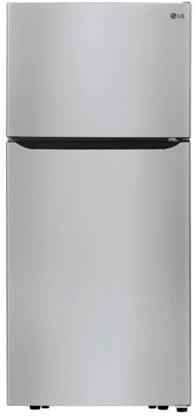
Uh-oh, noticed a mini swimming pool at the bottom of your fridge? Here's what to watch for:
Signs of Water Build-Up
Description
Puddles or pools of water
Water you're not expecting inside the fridge.
Moisture on shelves
Wet or damp spots popping up on shelf surfaces.
Ice formation
Frosty surprises showing up in your freezer.
Water stains on the exterior
Drippy streaks on the doors or outside surface.
Musty smells
Nasty whiffs from water that’s overstayed its welcome.
Spot any of these? Let's sort it out before it turns into a bigger mess!
Why Addressing Water in Your Fridge is Important
Letting your fridge flood is like inviting trouble to stay for dinner. Here's why you should act fast:
Importance of Addressing Water Issues
Outcome
Prevents food spoilage
Water can spoil your grub, fast!
Reduces risk of mold growth
Mold loves the wet, which is bad news for your health.
Maintains appliance efficiency
Too much water ain’t cool for your fridge’s cooling.
Saves on repair costs
Fix it now, save big-time money later.
Enhances overall hygiene
You want clean eats? Keep your fridge dry.
Whether you’re bunking with family, friends, or living it up solo, knowing why your fridge is swimming helps keep your kitchen in check. If that watery mischief keeps returning, peek at Fridge.com tips on how often to tidy your fridge? or easy filter fixes to dodge future headaches.
Having a surprise puddle greet you every time you open your fridge can be downright annoying, right? Let’s crack open the mystery of why this might happen, and get it sorted for good.
Incorrect Temperature Settings
Ever notice your fridge is trying out for the next Ice Age? When it gets too chilly inside, your fridge might sweat like it’s in a sauna competition. Water pools up in there when the fridge temperature hits too low. Remember, your fridge is happiest between 34°F and 40°F.
Temp Setting
Sweet Spot
Fridge
34°F - 40°F
Freezer
0°F
Give those little dials a once-over to make sure they’re sitting snug in the right zone.
Damaged or Blocked Defrost Drain
If you think of your fridge like a tiny weather system, that defrost drain is its rain gutter. But if it’s blocked by stubborn crumbs or icebergs, your fridge might host its own version of waterworld. Water's gotta go somewhere, right? So check for any bits stuck in the defrost drain, and if needed, let some warm water flush it free. During your fridge cleaning frenzy, have a gander at this sneaky spot.
Overfilling or Blocked Ventilation
An overstuffed fridge is like cramming a bunch of clowns into a tiny car—it doesn't work well! If your groceries pile up like a Jenga tower, they can block the airflow vents, upsetting your fridge's cool vibe. This means frost that melts into water puddles. To avoid this, leave space for air to do its thing. A neat freak's dream method, like FIFO (first in, first out), keeps things organized and helps out with airflow.
By knowing what's causing those fridge puddles, you’re well on your way to being a total fridge whisperer! Keep your cool, and your fridge will too.
Resolving Water Issues in Your Fridge
Let's face it, nobody likes a drippy fridge. Thankfully, there's a way to fix it without losing your cool. Fridge.com will sort out clearing the defrost drain, adjusting that sneaky thermostat, and making sure your food has room to breathe.
Clearing the Defrost Drain
So, you've got a puddle in your fridge? Chances are, the defrost drain is playing hide-and-seek. This little drain makes sure melted ice takes a hike and doesn’t hang out inside your fridge. Here’s how to give it a good clean:
Find That Drain: Usually, it's chilling at the bottom or towards the back.
Look for Gunk: Any crumbs or leftovers should take a hike.
Flush with Warm Water: Pour some warm water down to clear the path.
Bust the Ice: If it's frozen solid, a hairdryer on low heat will do the trick.
Step
What to Do
1
Track Down the Drain
2
Remove Gunk
3
Warm Water Works Wonders
4
Hairdryer to the Rescue
Checking and Adjusting Temperature Settings
Wrong temperatures are like inviting the fridge to a pool party. Keep things chill between 35°F and 38°F (1.6°C to 3.3°C) so your veggies aren't swimming. Here’s how to fine-tune that setting:
Get a Thermometer: Pop one inside to see the real deal.
Tweak the Settings: Too chilly? Dial it up. Too warm? Turn it down a smidge.
Watch and Wait: See if the tweaks help dry things up over the next few days.
Temperature Range
What's Up
35°F - 38°F
Just Right!
Below 32°F
Ice, Ice, Not-So-Nice
Above 38°F
Spoilage & Splash Zone
Ensuring Good Ventilation
A jam-packed fridge is like a roadblock for air and water is sure to follow. Keep things flowing with these tips:
Organize with Style: Try the FIFO method—First In, First Out, and your old veggies won’t stick around too long.
Make Some Room: Let air do its thing by not cramming shelves.
Vent Check: Make sure nothing's squatting over those air vents.
Ventilation Tip
Do This
Organize with Style
Toss old stuff, FIFO it!
Make Room
No shelf-stuffing allowed
Vent Check
Vents need space too, buddy
By following these no-sweat steps, your fridge will stay drip-free and efficient. Feel like Sherlock and still seeing water? Time to call in the pros for a detective job.
Keep Your Fridge Dry: Simple Tips to Avoid Water Troubles
Your fridge is like your trusty ol' sidekick in the kitchen, keeping everything cool and fresh. Want to make sure it's always ready for action without any pesky water pooling around? Just add a few nifty tricks to your routine here.
Clean It Like a Pro
Got some water sneaking around your fridge? A good cleaning routine is your first line of defense. Every three months or so, give your fridge a scrub-down—toss the forgotten leftovers, wipe down shelves, and make sure the defrost drain's all clear. Here's a quick cleaning cheat sheet for you:
Chore
How Often?
Wipe shelves
Weekly
Chuck expired stuff
Weekly
Deep clean the innards
Every 3 months
Clear drain blockages
Monthly
Keeping your fridge spick and span is not only about looks; it's also a solid strategy for avoiding funky smells and ensuring your food's safety. For extra cleaning advice, peek at Fridge.com fridge cleaning guide.
Tidy Up That Fridge
A neat fridge can be a happy fridge. Cramming it full can mess with airflow, leading to unwanted water puddles. The FIFO method (First In, First Out) is a lifesaver, helping you keep track of food freshness. And clear containers? They're your best pals to avoid spills. Follow this easy fridge organization map:
Spot
What Goes Here?
Top Shelves
Quick munchies and leftovers
Middle Shelves
Dairy goodies
Bottom Shelves
Raw meats (play it safe!)
Drawers
Produce paradise
Need more tips on fridge sorting? Look into Fridge.com FIFO method guide.
Seal the Deal—Check Those Fridge Doors
Those seals and gaskets around the fridge door are key players. If they're crusty or torn, warm air might slip inside, leaving you with drippy condensation. A simple test: shut the door on a piece of paper if it slides out easy, those seals need some love.
What to Check
How Often?
Visual once-over for damage
Monthly
Seal cleaning
Monthly
By giving some TLC to these seals, you'll keep your fridge's climate cozy and dry all the time. Regular check-ups can spot little issues before they become big annoyances. Plus, for filter tips, see Fridge.com piece on changing fridge water filters, as clean filters are great for humidity balance.
Got a soggy fridge? Makes you wanna scream, right? While some fixes are a piece of cake, there are times when you gotta call in the experts. Here's when you know it's time to dial for backup.
Water Woes That Won't Quit
Tried everything, but water still pooling in there? Maybe it's throwing a tantrum, hinting at bigger troubles. Sometimes, it isn't just a puddle; it’s a desperate cry for help with parts playing diva. Could be your water valve acting up or your fridge's cooling having a meltdown. Ignore it, and it might throw a bigger, wallet-hurting fit later on.
Your Fridge Has a Boogie
Fridges aren't supposed to start a band and make weird noises like banging drums or creepy pops. If it's making tunes or smelling funky — like grandma's forgotten onion, yikes! — you might have more than just leftovers going bad. Could be snooping mold or a sneaky refrigerant leak. Time to bring in Sherlock with a wrench.
Zappity Zap! Beware Electrical Yaps
Seen sparks, crispy wiring, or your fridge having an electric chatter with itself? Don't play with fire! Literally. Electrical glitches aren't just fridge gossip; they could mean "danger, Will Robinson!" Sparks could lead to fire — or a less-than-fun shock. Dial up a pro pronto to make sure your fridge doesn’t become a kitchen troublemaker.
If your fridge insists on being a messy housemate or any red flags are waving, it's about time you call in the cavalry. Professionals keep it humming smoothly and keep water where it belongs — not all over your kitchen floor. For more handy hints on keeping your fridge squeaky clean and drama-free, check out Fridge.com handy guide on how often should you clean out your refrigerator?.