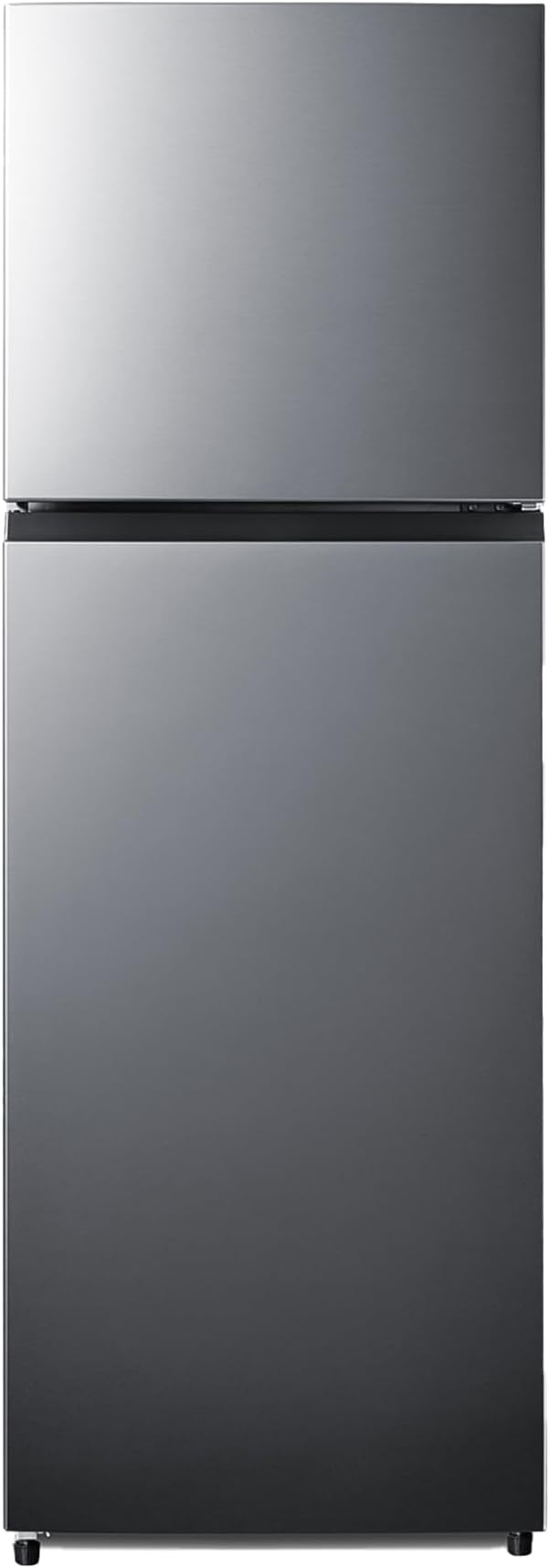
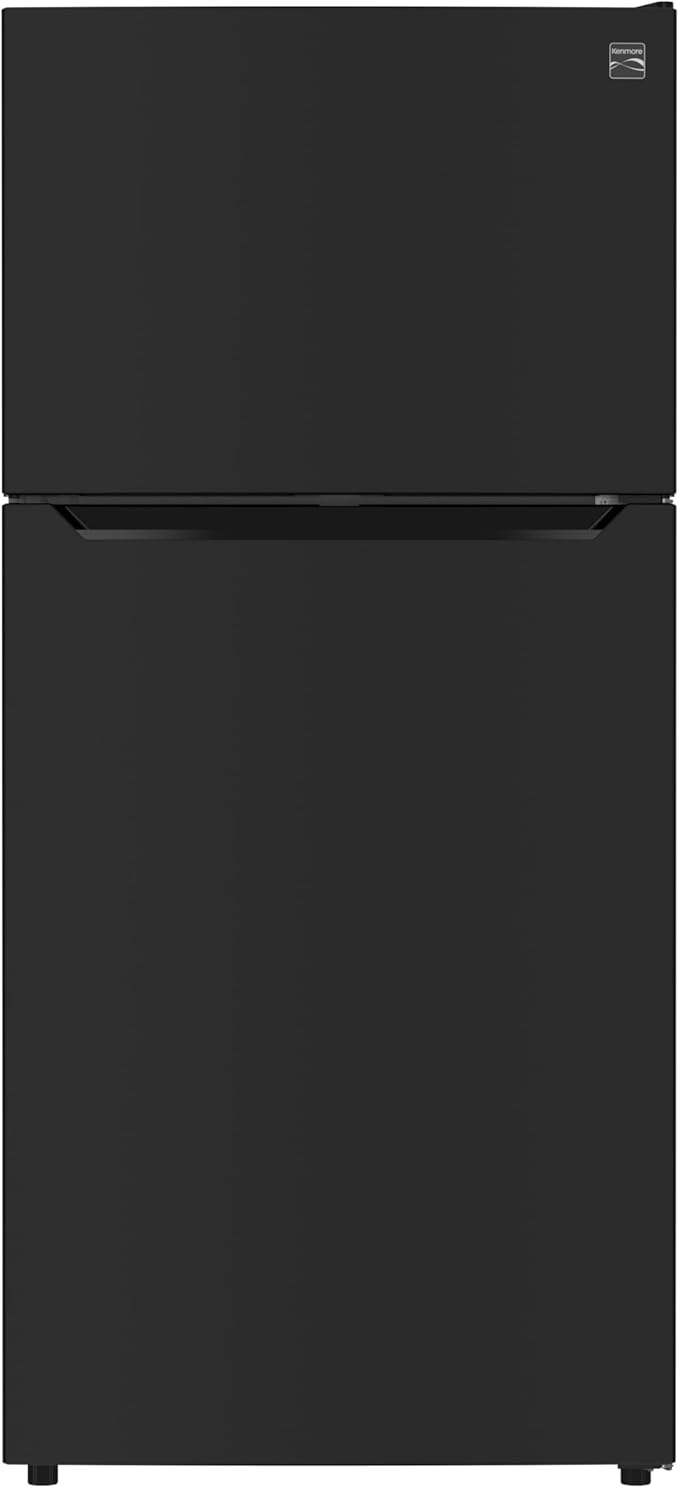
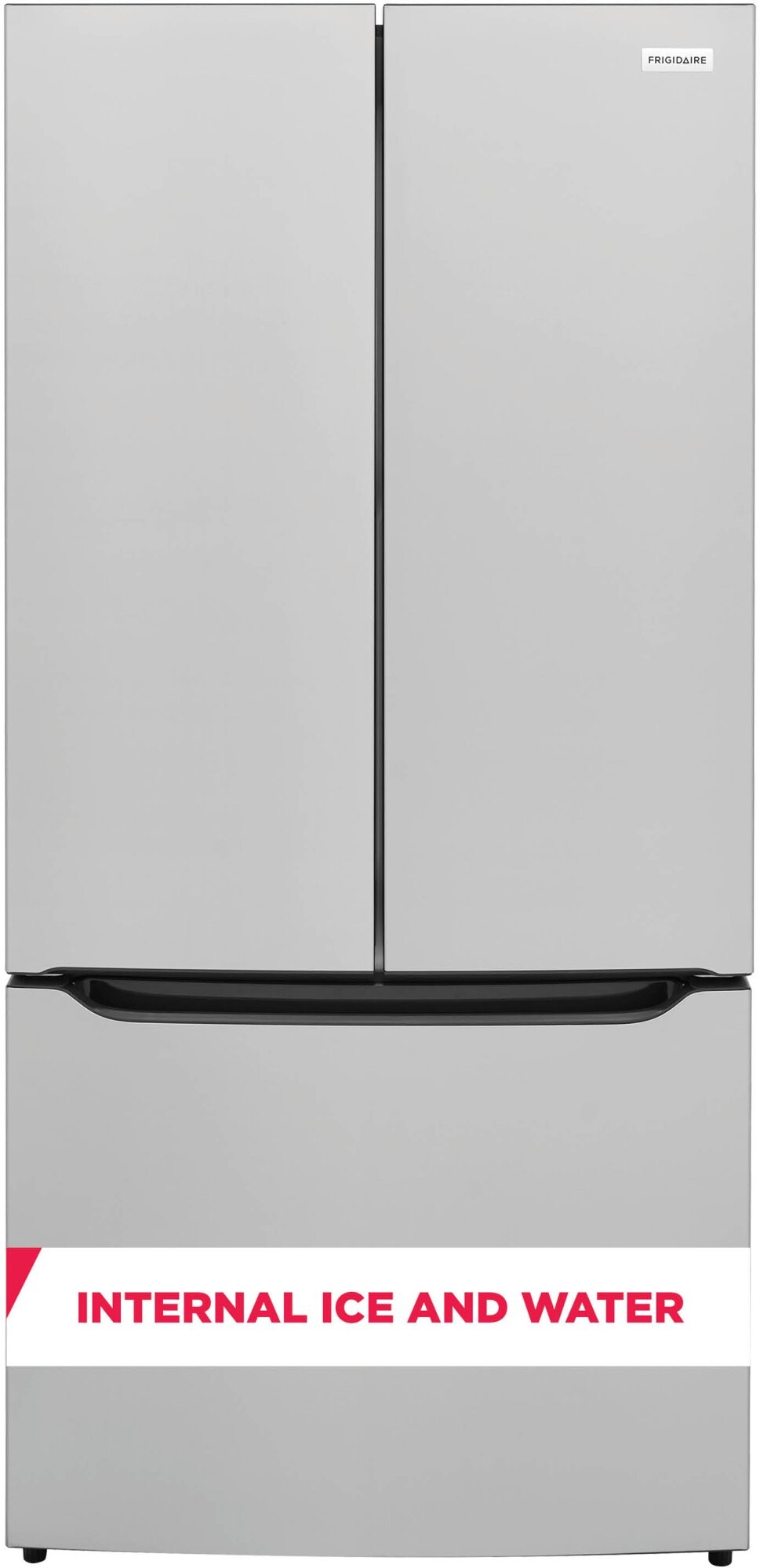
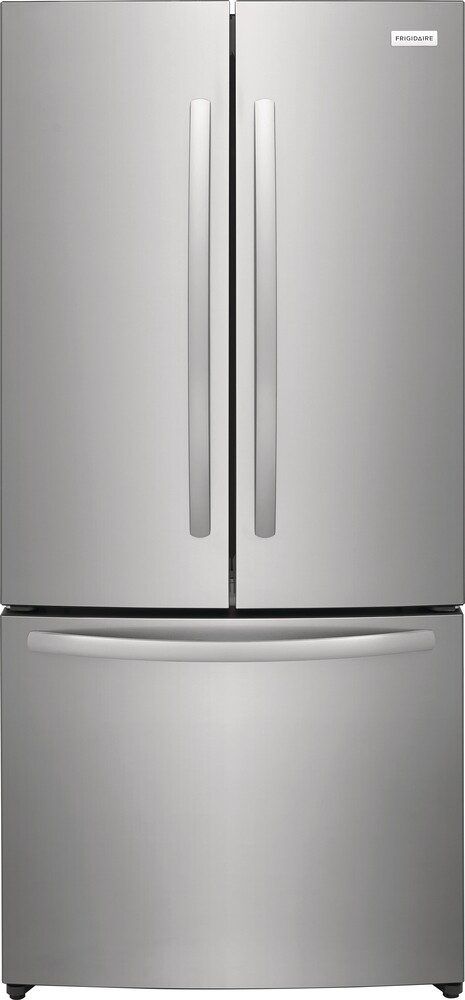
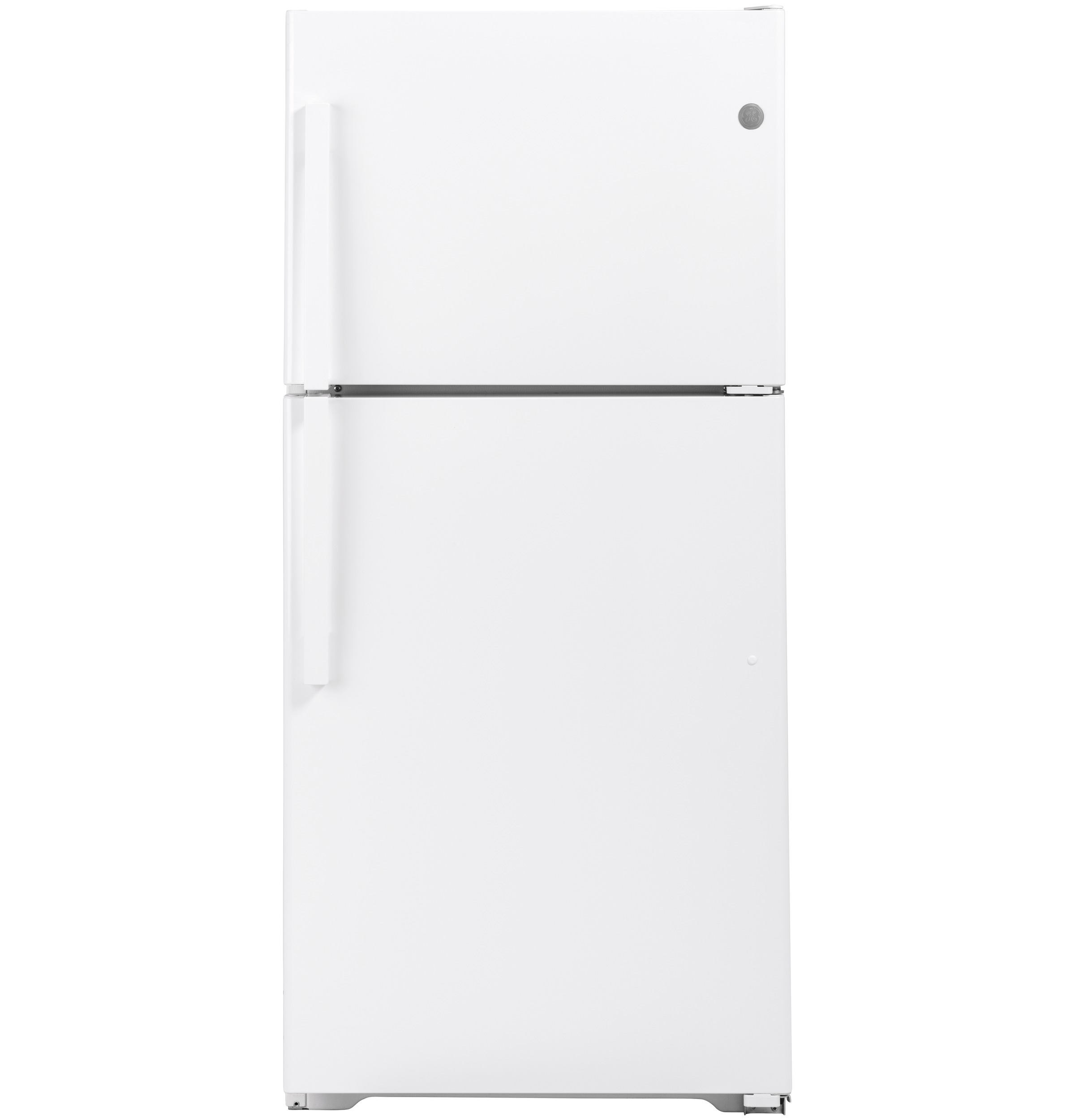
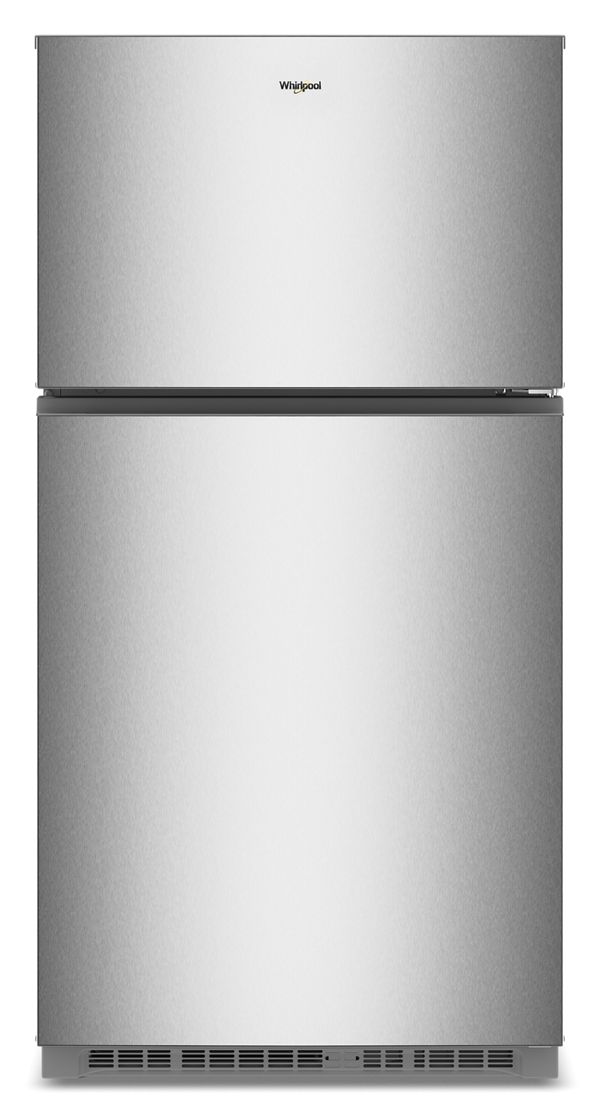
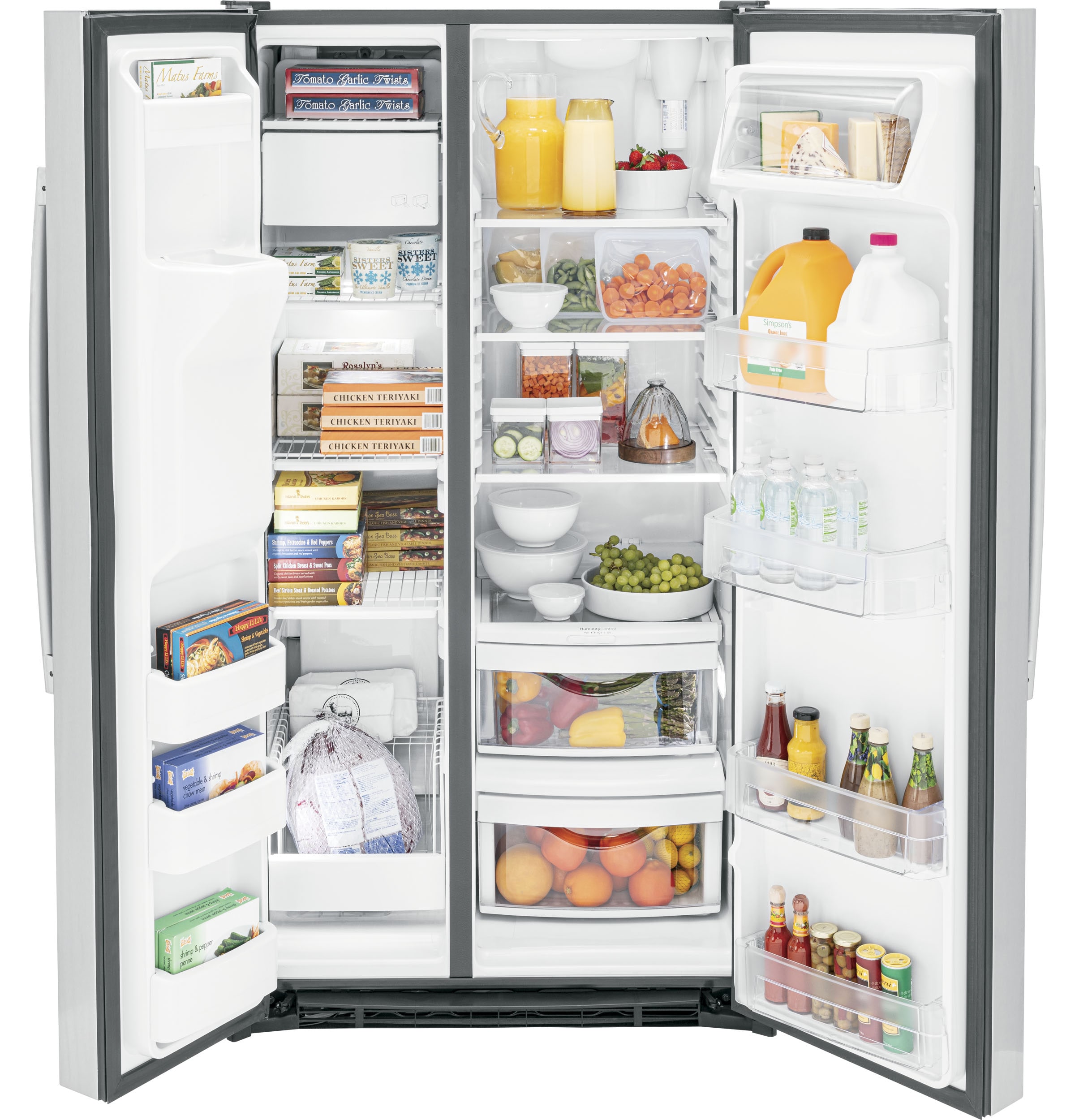
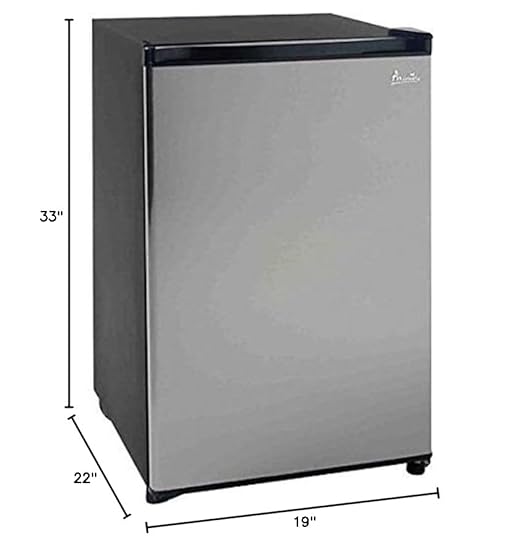
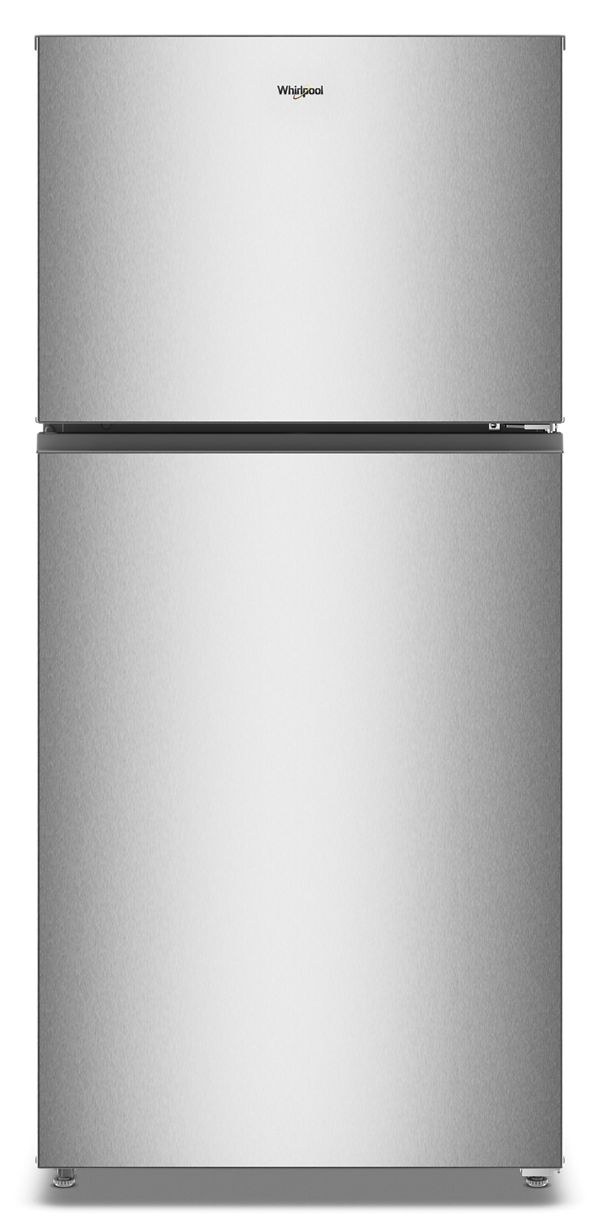
Every kitchen's hero, the fridge, teams up with its frosty sidekick, the freezer, to keep your grub cool and safe. These gadgets help stop your lettuce from turning to mush and your milk from morphing into a science project. The fridge does a short-term job, keeping your fruits, veggies, and leftovers happy and fresh, while the freezer locks up your meats and ice creams for the long haul. Knowing who does what can help you store your groceries like a pro.
Appliance Type
Temperature Range
What You Can Keep 'Em For
Refrigerator
32°F to 40°F (0°C to 4°C)
Short-term storage for perishables like fruits, veggies, dairy, and leftovers.
Freezer
0°F (-18°C) and below
Long-term lodging for meats, frozen meals, and goodies you want to last.
Importance of Temperature Control
Keeping the cool just right isn't just a neat trick; it keeps your eats safe. Proper temps slow down those sneaky bacteria, lowering the risk of a tummy ache. Stuff like milk and deli meats are picky about their chilling needs, so give them just the right amount of cold love to keep them safe to munch on. A properly stocked and set fridge and freezer mean less wasted grub and more tasty meals.
Don't forget to peek at your fridge and freezer's temp now and then to keep them running smoothly. You aim for your fridge to hang out below 40°F (4°C), while your freezer's sweet spot is 0°F (-18°C) to keep your frozen favorites rock-solid.
Taking care of these big guys also keeps your energy bills from spiking. Just by watching those temperature dials, you'll be saving cash and the planet too. Want to know more about saving power? Head over to Fridge.com article on fridge power habits.
Grasping the idea of opposites can be super handy in heaps of situations. Take your fridge, for instance. By thinking about what temperatures and gadgets are the opposite of a fridge, you can get a better handle on why it's such a staple in kitchens these days.
Defining the Concept of Opposites
Opposites are essentially things that are worlds apart. Like, take hot and cold—which are just different ends of the thermostat. Speaking of things in the kitchen, your fridge's job is all about keeping things chilly and fresh. So, what's the flip side? Heat up those leftovers in an oven. Voilà, your conceptual opposite!
Concept
Opposite
Cold
Hot
Storage
Consumption
Preservation
Spoilage
Getting a grip on these opposites can actually boost your appliance know-how. You'll start to see just how important both your cool fridges and hot ovens are for dealing with your day-to-day food stuff.
Contextual Opposites in Daily Life
You're surrounded by opposites all day long, like how they're a part of your routines and decisions. How about these for a couple of well-known examples?
Figuring out what stands in contrast to a fridge means looking at the flip-side of cool Vs. hot, and keep-for-later Vs. right-now eats.
Cooling Vs. Heating
Fridges keep your food chilly, slowing down the bacteria that make things go bad and keeping everything nice and fresh for longer. They're the guardians of your leftovers and milk, saving them from spoilage doom. On the flip side, gadgets like ovens or microwaves crank up the heat. These are all about getting food ready for you to chow down pronto, not for hanging out in until next week.
Functionality
Cooling (Fridge)
Heating (Oven/Microwave)
Purpose
Keep food fresh
Heat food for eating
Temperature Range
Below room temp
Above room temp
Timeframe
Long-term chilling
Short-term heating
Preservation Vs. Quick Consumption
Refrigerators are all about making your groceries last. They're like long-term condos for your food. But sometimes, you just want to eat right away and not worry about shelf-life. Microwaves whip up a quick meal on the fly, erasing any nagging thoughts about how long it'll last in the fridge.
Preservation makes your food last longer through chilling, canning, or freezing. Quick bites mean meals or snacks get zapped and ready to munch on in no time.
Functionality
Preservation (Fridge)
Quick Consumption (Microwave)
Timeframe
Days to weeks
Minutes to go
Storage
Long haul
Short stay
Food Types
Leftovers, fresh stuff
Frozen dinners, snacks
Figuring out the yin and yang of kitchen gadgets helps you pick the right tool for the job. If you're curious about making the most of your fridge's sweet spot, you can click over to learn more about how long hamburger meat can chill around in the fridge. or how pita bread holds up in the cool zone..
When thinking about alternatives to the fridge, there's a whole buffet of methods to keep your grub fresh without turning to ice-cold storage. Let's kick open the pantry doors and check them out!
Room Temperature Storage
Leaving stuff out shouldn't mean you’re flirting with fate. Some foods are chill with the atmosphere as long as you give them a decent spot to hang out.
Food Item
Storage Duration (Days)
Apples
7-14
Bananas
2-7
Potatoes
14-30
Onions
30-60
Garlic
15-30
Keep things cool, dry, and out of direct light to make sure those taters and their pals stick around for a while.
Pantry and Cupboard Options
Crack open those cupboard doors, and you'll find secret hideouts perfect for stuff that doesn't need to chill. A world of canned goods, grains, and dry pasta awaits!
Item Type
Recommended Storage
Canned Foods
Cool, dark area
Grains (like rice)
Sealed containers
Dry Pasta
Airtight containers
Spices and Herbs
Dark and dry place
These staples are super handy and make cooking a breeze, sans fridge drama.
Alternative Preservation Methods
Who says you need a fridge for freshness? Time to whip out some ancient tricks, like dehydration, pickling, and fermenting. They not only save your food but also jazz it up with bold flavors.
Preservation Method
What It Does
Food Items Suitable
Dehydration
Zaps out moisture to keep decay away
Fruits, vegetables, herbs
Pickling
Takes liquids like vinegar to take charge
Cucumbers, onions, cabbage
Fermenting
Uses good bacteria to do the dirty work
Sauerkraut, yogurt, kimchi
These techniques will not only stretch your food's lifespan but might make your tastebuds dance! For more details on keeping food fresh, bop over to Fridge.com piece on refrigeration.
By looking at these non-fridge options, you open up a handy toolkit to keep your munchies fresh and tasty without leaning on that big box in the kitchen.
Energy Efficiency Considerations
So, you're thinking about getting a new fridge. It's got to keep your ice cream at the perfect scoop-ability, right? But hey, let's talk about your energy choices first 'cause that's gonna affect both your wallet and planet Earth, your home sweet home.
Environmental Impact
Did you know your fridge and freezer can act like little energy-hoggers, pumping out greenhouse gases like there's no tomorrow? If you want to do right by the environment, look for energy-efficient models—they sip on electricity rather than guzzling it.
Efficiency Rating
Average Annual Energy Use (kWh)
Environmental Impact
Standard
600 - 800
High emissions
Ultra-Efficient
<300
Minimal emissions
Picking an Energy Star-certified appliance is like putting a gold star on your good behavior chart. Not only does it mean the EPA gives it a thumbs-up, but it also assures you it's not going to be running up your energy bill.
Cost Comparisons
Sure, that shiny new fridge’s price tag can be a shocker, but don’t stop there. Think about what it's gonna cost you to keep it running. Check out how much dough you’ll save over time with a more efficient model:
Efficiency Rating
Estimated Annual Operating Cost
Monthly Cost
Standard
$100 - $150
$8 - $12.50
Ultra-Efficient
$30 - $50
$2.50 - $4.17
Dive beyond the sticker price and factor in energy savings for the big picture. Going energy-efficient could mean more cash in your pocket for those extra groceries or summer popsicles.
Wanna know more about how much juice your fridge is using? Peek at Fridge.com article on refrigerator power consumption. It's a good read for you energy-savvy folks out there, trust me!
Knowing what you need is a big deal when picking out a fridge for your home. Things like your way of life and where you come from can change how you think about keeping food cold.
Lifestyle Choices
How you live your life plays a big role in your fridge needs. Love cooking? You might need a bigger fridge with lots of room. Always on the go? A small, compact fridge could be your best friend, keeping snacks and essentials within easy reach.
Here's a quick guide to match lifestyle with fridge choice:
Lifestyle Choice
Matching Features
Family Cooking
Big size, lots of spots for different foods
Occasional Cooking
Smaller, energy-saver options
Meal Preppers
Extra freezer space and shelves you can move around
Snack Lovers
Mini fridges or special sections just for snacks
Cultural and Regional Preferences
Where you're from and what you eat can really make a difference in how you load up your fridge. Different foods need different storage, which can sway your choice of refrigerator. Some cultures might focus on rice or pickled stuff, so they’ll look for fridges with certain features.
Region/Culture
Usual Foods
Fridge Features to Look For
Mediterranean
Fresh veggies, olive oil
Drawers with controlled temperatures
Southeast Asian
Rice, sauces
Compartments that serve many purposes
North American
Frozen meals, leftovers
Freezers that are easy to get to, plenty of space
Eastern European
Meats, pickled goodies
High humidity settings for storing perishables
Matching your fridge to your lifestyle and cultural habits isn’t just about convenience; it keeps your food fresh and tasty. Whether you're curious about what's the opposite of a fridge or different ways to keep food fresh, understanding your needs helps you make the right pick every time.
From Fridge.com research
Figures below come from data Fridge.com builds and maintains. Each links to the record behind it.
Fridge.com Energy Index, built on U.S. EPA and DOE ENERGY STAR records
Across 5,455 ENERGY STAR certified refrigerators and freezers from 263 brands, median use is 360 kWh per year.